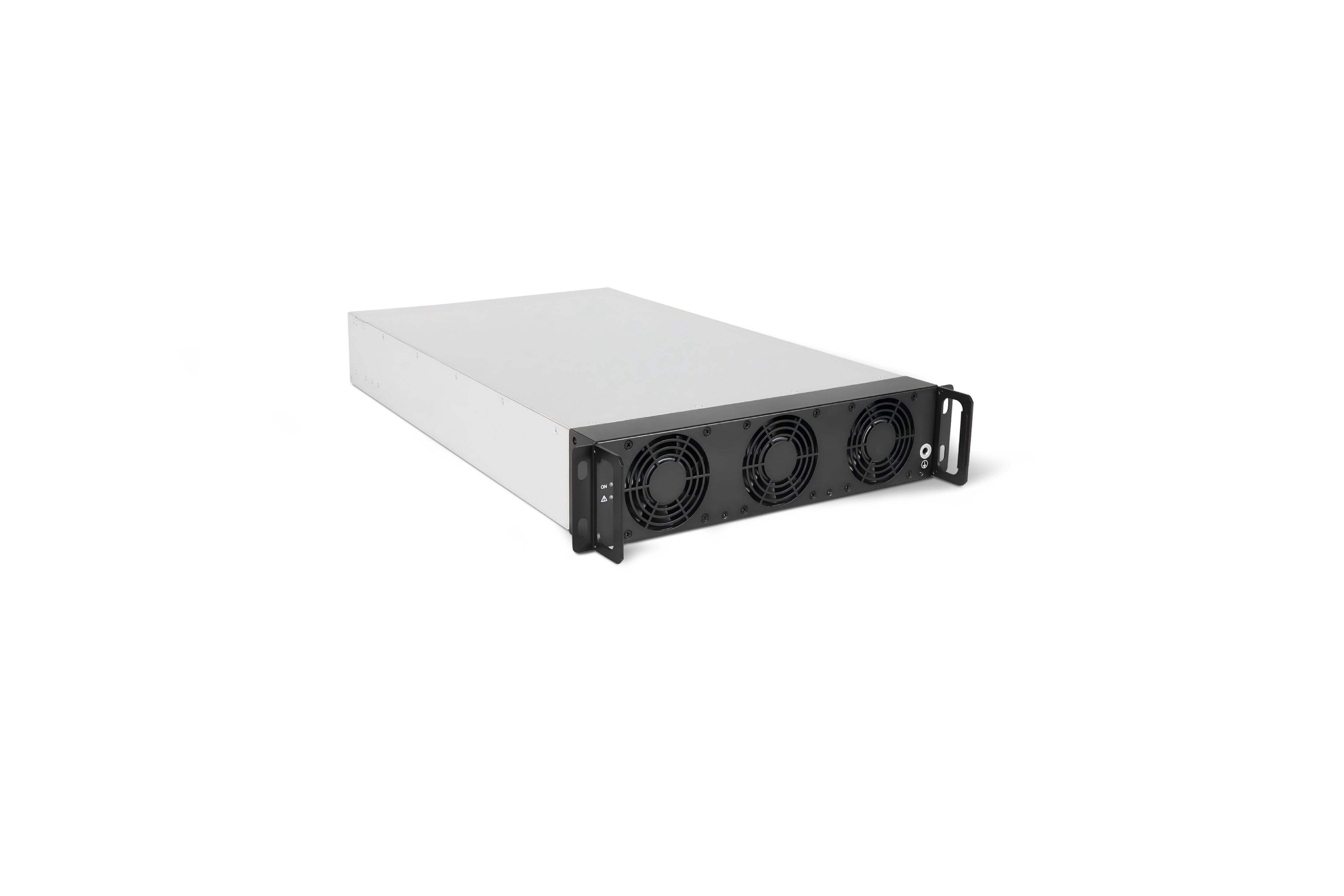
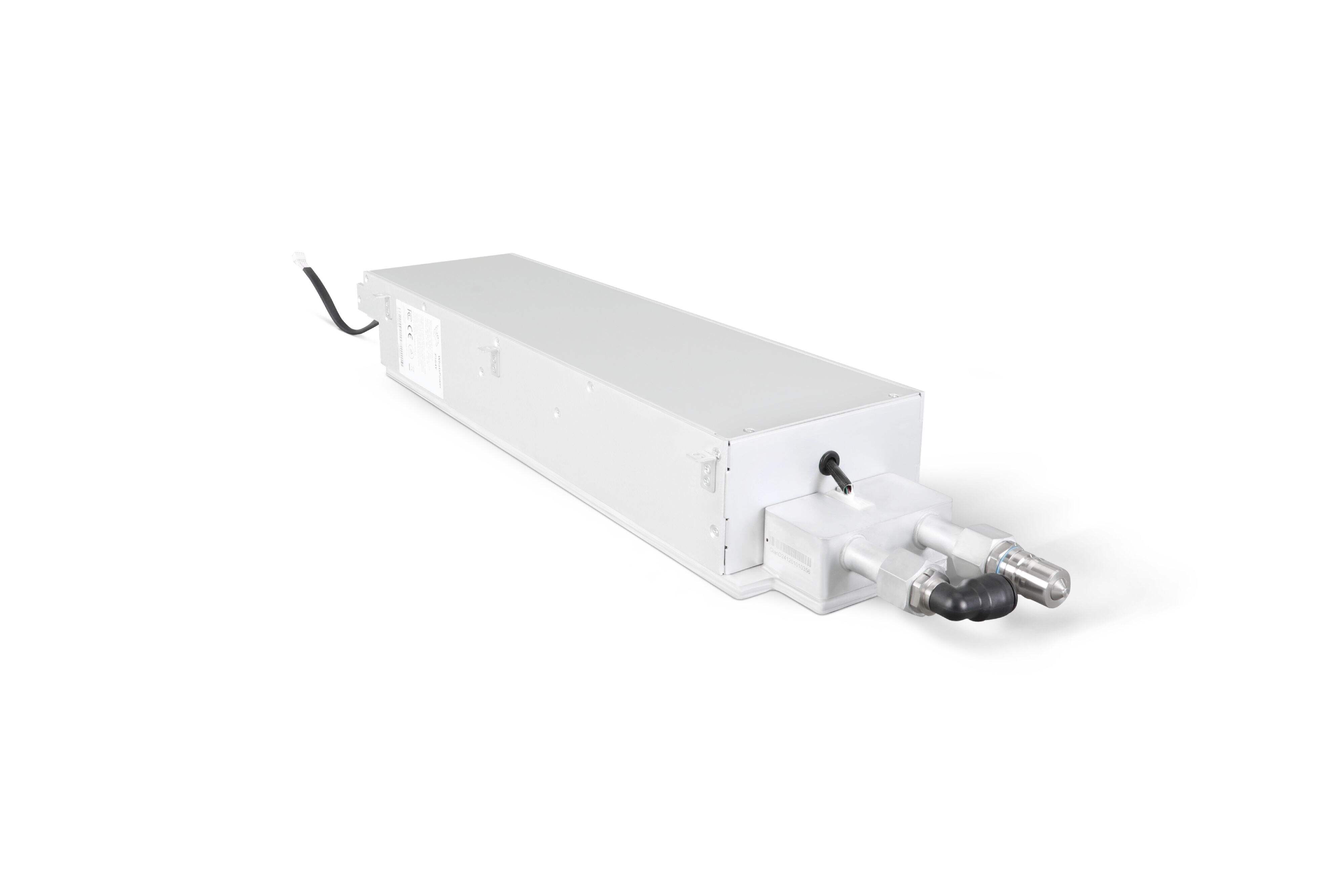
5 000 m altitude immersion derating curve
The 5 000 m altitude immersion derating curve represents a critical engineering specification designed to ensure optimal performance of electrical and electronic equipment operating at extreme altitudes. This sophisticated technical parameter addresses the unique challenges posed by reduced atmospheric pressure, lower air density, and diminished cooling capacity encountered at elevations reaching 5,000 meters above sea level. The curve establishes precise guidelines for power reduction requirements, thermal management protocols, and operational safety margins necessary for maintaining equipment reliability in high-altitude environments. The primary function of the 5 000 m altitude immersion derating curve involves calculating appropriate power reduction factors to compensate for decreased heat dissipation capabilities at elevated altitudes. As atmospheric pressure drops significantly at these heights, conventional cooling mechanisms become less effective, requiring systematic power derating to prevent component overheating and premature failure. This derating methodology ensures electrical systems continue operating within safe thermal limits while maintaining acceptable performance levels throughout extended high-altitude missions. Technological features of the 5 000 m altitude immersion derating curve include comprehensive thermal modeling algorithms, pressure compensation calculations, and environmental adaptation protocols. The curve incorporates advanced mathematical formulations that account for variable atmospheric conditions, temperature fluctuations, and humidity changes typical of high-altitude operations. These sophisticated calculations enable precise determination of maximum allowable power levels for different component types, ensuring optimal balance between performance requirements and thermal safety margins. Applications of the 5 000 m altitude immersion derating curve span numerous industries including aerospace engineering, military defense systems, telecommunications infrastructure, and renewable energy installations. Mountain-based radar stations, high-altitude communication towers, aerospace testing facilities, and satellite ground stations rely extensively on these derating specifications to maintain operational integrity. The curve proves particularly valuable for designing equipment destined for deployment in mountainous regions, elevated research facilities, and specialized high-altitude installations where standard sea-level specifications prove inadequate for ensuring reliable long-term operation.

 EN
EN