Custom Power Supply Design: Precision Engineering Solutions for Optimal Performance

All Categories

Get a Free Quote

Our representative will contact you soon.
Email
Name
Company Name
Message
0/1000

custom power supply design

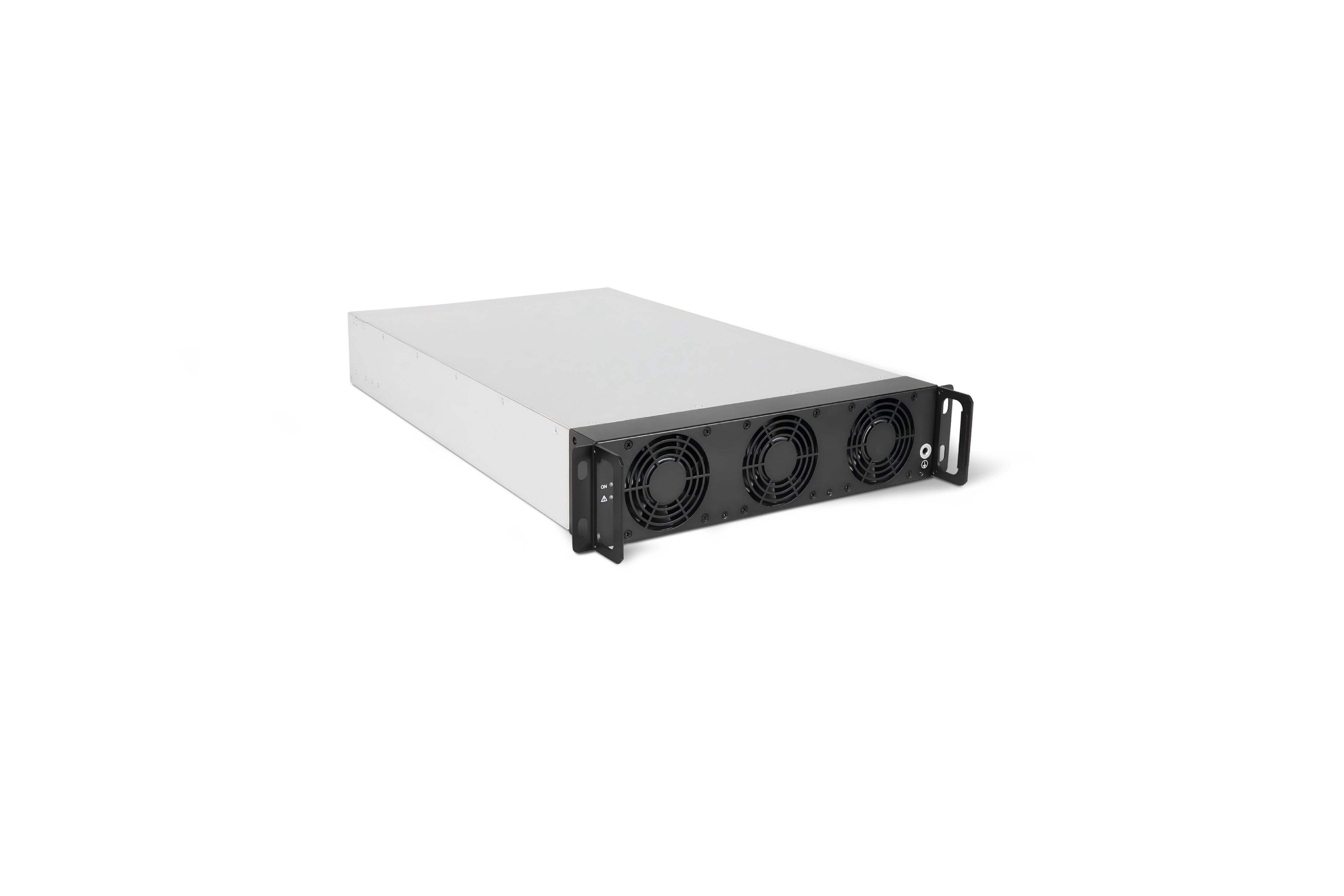
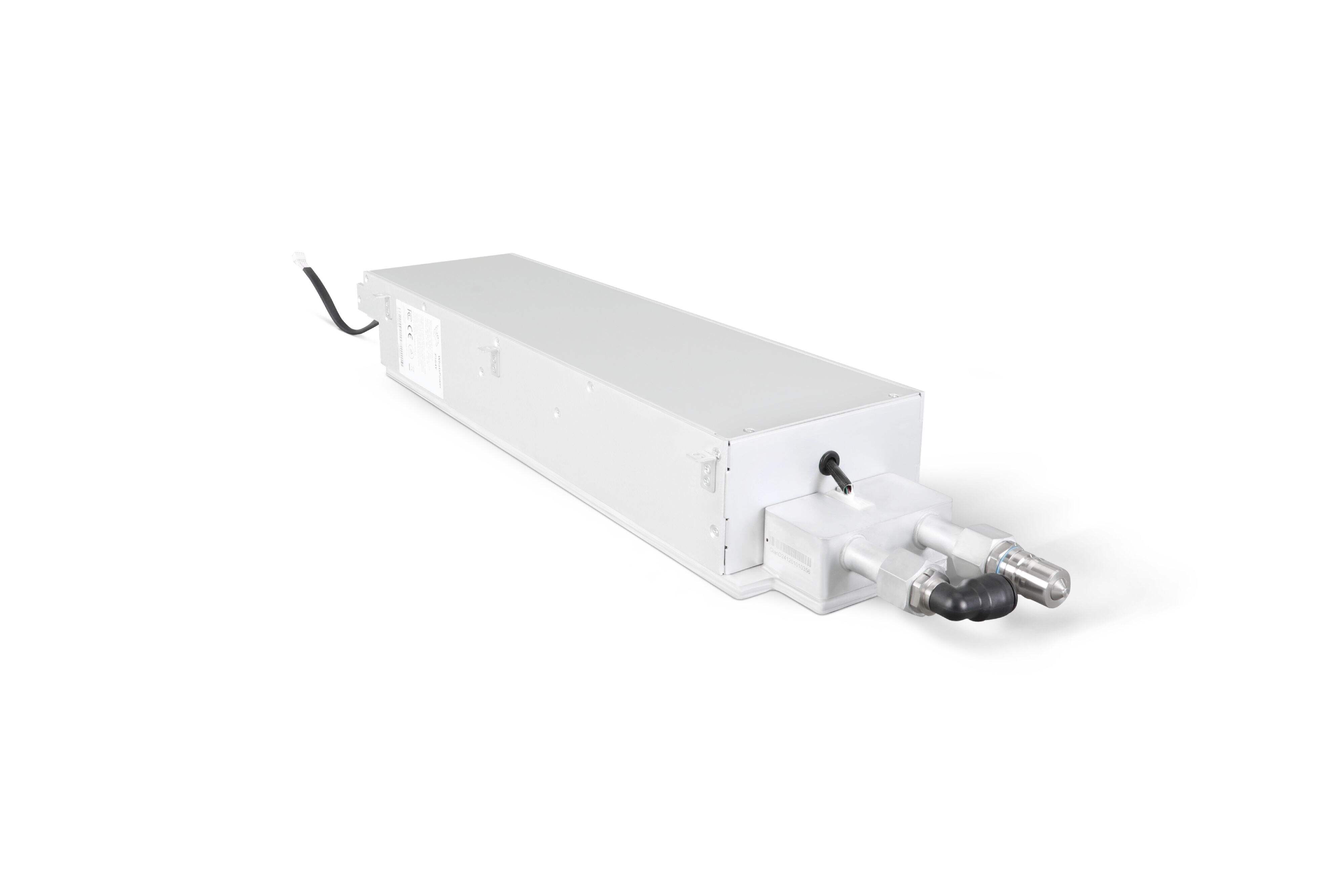
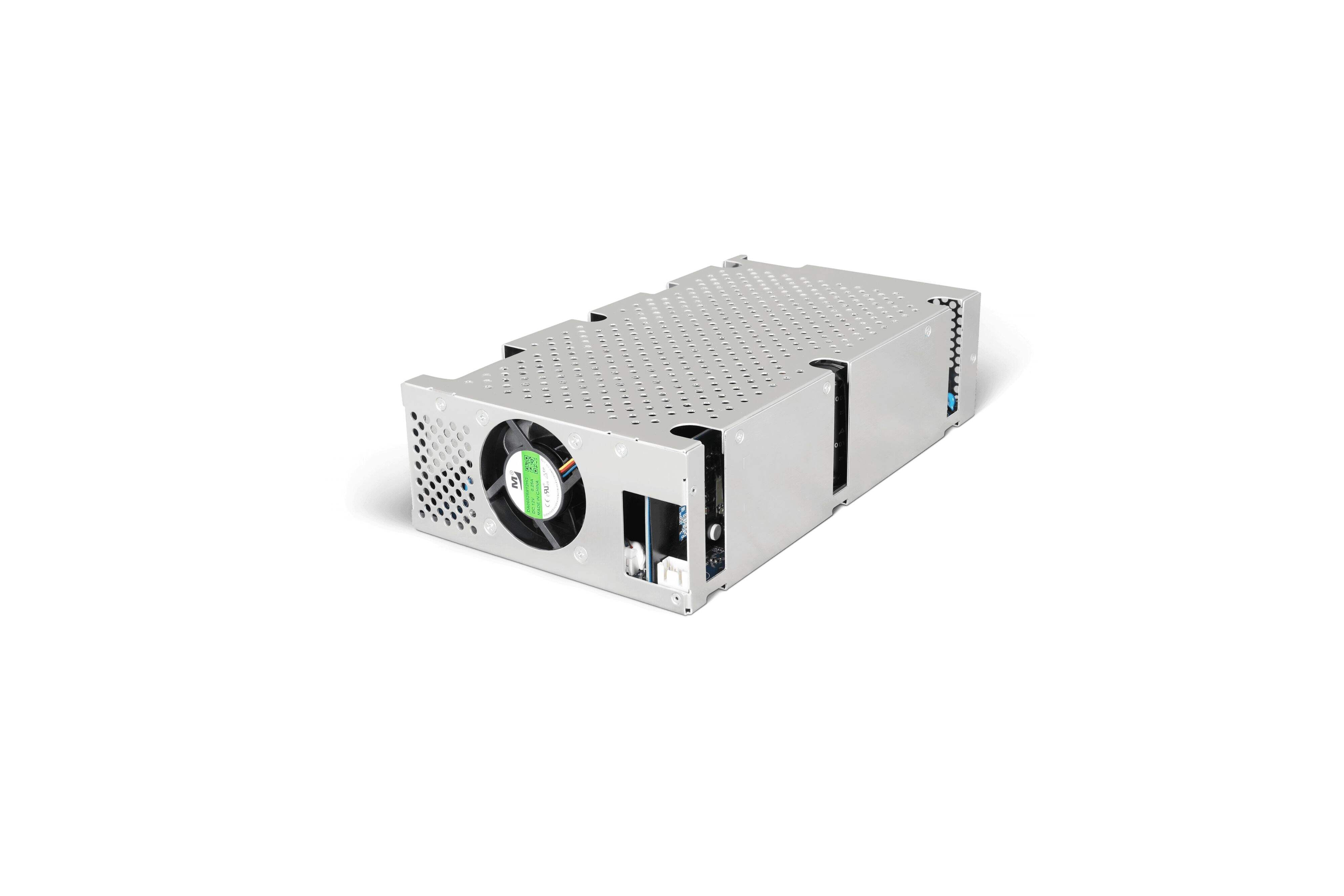
Custom power supply design represents a specialized engineering approach that creates tailored electrical power solutions to meet specific operational requirements across diverse industries. This comprehensive design methodology involves developing power systems that deliver precise voltage, current, and frequency specifications while accommodating unique environmental conditions, space constraints, and performance criteria. The main functions of custom power supply design encompass voltage regulation, current limiting, power conversion, isolation, and protection mechanisms that ensure reliable operation under varying load conditions. These systems integrate advanced switching topologies, linear regulation techniques, and hybrid architectures to achieve optimal efficiency and performance metrics. Technological features include intelligent monitoring systems, adaptive control algorithms, thermal management solutions, and modular architectures that enable scalability and maintenance flexibility. The design process incorporates electromagnetic compatibility considerations, safety certifications, and environmental compliance standards to ensure seamless integration into existing infrastructure. Applications span across telecommunications, medical equipment, industrial automation, aerospace systems, research laboratories, and specialized manufacturing processes where standard off-the-shelf solutions cannot meet stringent requirements. Custom power supply design utilizes sophisticated simulation tools, rapid prototyping techniques, and extensive testing protocols to validate performance characteristics before production implementation. These solutions often incorporate renewable energy integration capabilities, energy storage interfaces, and smart grid compatibility features. The engineering process considers factors such as input power quality, load dynamics, environmental conditions, regulatory compliance, and lifecycle cost optimization. Modern custom power supply design leverages digital control techniques, advanced semiconductor technologies, and innovative cooling methodologies to maximize power density while minimizing footprint requirements. This approach enables organizations to achieve superior system performance, enhanced reliability, and optimized total cost of ownership compared to standard power solutions.


New Products

Custom power supply design delivers significant advantages that transform how organizations approach their power management challenges, providing substantial value through enhanced performance characteristics and operational efficiency. The primary benefit centers on precise specification matching, where engineers develop solutions that exactly meet voltage, current, and power requirements without unnecessary oversizing or performance compromises. This targeted approach reduces energy consumption by eliminating inefficiencies inherent in generic solutions, translating directly into lower operational costs and improved environmental sustainability. Organizations experience enhanced reliability through customized protection mechanisms, intelligent monitoring systems, and robust design margins that prevent costly downtime and equipment damage. The flexibility inherent in custom power supply design allows seamless integration with existing infrastructure, eliminating compatibility issues that often plague standard solutions and reducing installation complexity. Cost optimization emerges through strategic component selection, efficient topology choices, and manufacturing scalability that delivers superior value compared to modified off-the-shelf alternatives. Custom solutions provide future-proofing capabilities by incorporating expansion interfaces, upgrade pathways, and adaptable architectures that accommodate evolving requirements without complete system replacement. Performance optimization reaches new levels through application-specific design considerations that maximize efficiency, minimize electromagnetic interference, and optimize thermal characteristics for specific operating environments. Organizations gain competitive advantages through unique power management capabilities that enable innovative product features, improved system performance, and differentiated market positioning. Maintenance benefits include simplified troubleshooting procedures, accessible component replacement, and comprehensive documentation that reduces service costs and minimizes maintenance downtime. Supply chain advantages emerge through strategic component sourcing, alternative part specifications, and manufacturing partnerships that ensure consistent availability and cost control. Quality assurance benefits include rigorous testing protocols, detailed validation procedures, and comprehensive quality documentation that exceed standard industry practices. Time-to-market improvements result from experienced engineering teams, established design processes, and proven manufacturing capabilities that accelerate project timelines. Risk mitigation benefits include comprehensive design reviews, extensive testing procedures, and proven reliability methodologies that minimize project risks and ensure successful implementation outcomes.

Practical Tips

A Power Station That Doesn’t Generate Electricity — Yet Moves 120 Million kWh a Year

18

Dec

A Power Station That Doesn’t Generate Electricity — Yet Moves 120 Million kWh a Year

View More
BOCO Electronics Brings Hengyang Intelligent Manufacturing Base Online, Expanding Annual Production Beyond One Million Units

18

Dec

BOCO Electronics Brings Hengyang Intelligent Manufacturing Base Online, Expanding Annual Production Beyond One Million Units

View More
BOCO Electronics Demonstrates System-Level Power Conversion Innovation at SNEC 2025

18

Dec

BOCO Electronics Demonstrates System-Level Power Conversion Innovation at SNEC 2025

View More

Get a Free Quote

Our representative will contact you soon.
Email
Name
Company Name
Message
0/1000

custom power supply design

Precision Engineering for Optimal Performance

Precision Engineering for Optimal Performance

The precision engineering approach in custom power supply design revolutionizes how organizations achieve optimal system performance through meticulous attention to every design parameter and operational requirement. This comprehensive methodology begins with detailed analysis of load characteristics, environmental conditions, and performance specifications to create solutions that deliver exact voltage regulation, current limiting, and power conversion efficiency. Engineers utilize advanced simulation tools and modeling techniques to optimize circuit topologies, component selection, and control algorithms that maximize performance while minimizing losses and electromagnetic interference. The precision engineering process incorporates sophisticated thermal analysis, mechanical design considerations, and reliability calculations that ensure consistent operation across entire temperature ranges and varying load conditions. Custom power supply design through precision engineering enables achievement of regulation accuracies better than 0.1 percent, efficiency levels exceeding 98 percent, and dynamic response characteristics measured in microseconds. This level of precision directly translates into improved system performance, reduced energy consumption, and enhanced operational reliability that standard solutions cannot match. The engineering process includes extensive prototyping phases, comprehensive testing protocols, and validation procedures that verify performance characteristics under real-world operating conditions. Organizations benefit from customized protection mechanisms, intelligent monitoring capabilities, and adaptive control features that respond to changing operational requirements while maintaining optimal performance levels. Precision engineering in custom power supply design also encompasses electromagnetic compatibility optimization, safety certification compliance, and environmental standard adherence that ensures seamless integration into existing infrastructure. The methodology includes detailed documentation, comprehensive testing reports, and ongoing technical support that provides organizations with complete confidence in their power management solutions. This precision approach enables organizations to achieve superior system performance, reduced total cost of ownership, and competitive advantages through innovative power management capabilities that differentiate their products and services in demanding market conditions.
Scalable Architecture for Future Growth

Scalable Architecture for Future Growth

Scalable architecture represents a fundamental advantage of custom power supply design, providing organizations with flexible solutions that adapt to changing requirements while protecting initial investments and enabling seamless expansion capabilities. This forward-thinking approach incorporates modular design principles, standardized interfaces, and expandable topologies that accommodate future growth without requiring complete system redesign or replacement. The scalable architecture methodology begins with comprehensive analysis of current requirements, projected growth patterns, and potential application evolution to create power systems that provide immediate functionality while preserving expansion pathways. Engineers implement modular power modules, distributed architectures, and intelligent load sharing techniques that enable capacity increases through simple module additions rather than complex system modifications. Custom power supply design with scalable architecture includes standardized communication interfaces, monitoring protocols, and control systems that maintain consistent operation as system complexity increases. Organizations benefit from reduced lifecycle costs through incremental capacity additions, simplified maintenance procedures, and standardized component specifications that streamline inventory management and technical support requirements. The architecture incorporates redundancy planning, fault tolerance mechanisms, and graceful degradation capabilities that maintain system operation even during component failures or maintenance activities. Scalable design methodologies include future technology integration capabilities, upgrade pathways, and compatibility considerations that ensure long-term viability and performance optimization. This approach enables organizations to start with right-sized solutions that match current requirements while providing clear expansion strategies that accommodate growth without performance compromises or efficiency losses. The scalable architecture also includes comprehensive monitoring and management capabilities that provide real-time visibility into system performance, capacity utilization, and optimization opportunities. Organizations gain significant advantages through reduced capital expenditure timing, improved return on investment calculations, and enhanced operational flexibility that supports business growth and technology evolution. This scalable approach transforms power management from a constraint into an enabler of organizational growth and innovation.
Enhanced Reliability Through Custom Protection Systems

Enhanced Reliability Through Custom Protection Systems

Enhanced reliability through custom protection systems represents a critical differentiator in custom power supply design, delivering unprecedented system protection and operational continuity that far exceeds standard solution capabilities. This comprehensive protection approach integrates multiple layers of safeguards, intelligent monitoring systems, and predictive maintenance capabilities that prevent failures before they occur while ensuring graceful degradation during adverse conditions. The custom protection methodology begins with detailed fault analysis, failure mode evaluation, and risk assessment procedures that identify potential vulnerabilities and design appropriate countermeasures. Engineers implement advanced overcurrent protection, overvoltage safeguards, thermal monitoring, and short-circuit detection systems that respond instantly to protect both the power supply and connected equipment from damage. Custom power supply design incorporates intelligent diagnostics, real-time monitoring, and predictive analytics that provide early warning of potential issues while enabling proactive maintenance scheduling. The protection systems include redundant control circuits, backup power pathways, and automatic recovery mechanisms that maintain operation during component failures or environmental disturbances. Organizations benefit from significantly reduced downtime, lower maintenance costs, and improved system availability that directly impacts productivity and profitability. The custom protection approach includes electromagnetic interference shielding, surge suppression, and isolation techniques that protect against external disturbances and ensure consistent operation in challenging environments. Advanced protection features include programmable trip points, adjustable response times, and customizable alarm systems that match specific application requirements and operational procedures. The reliability enhancement includes comprehensive testing protocols, burn-in procedures, and quality assurance methodologies that validate protection system effectiveness under extreme conditions. Custom protection systems also incorporate remote monitoring capabilities, automated reporting functions, and integration with facility management systems that provide comprehensive visibility into power system health and performance. Organizations experience enhanced operational confidence through proven reliability metrics, comprehensive protection coverage, and ongoing technical support that ensures long-term system integrity and performance optimization throughout the entire operational lifecycle.

Get a Free Quote

Our representative will contact you soon.
Email
Name
Company Name
Message
0/1000