1U 2U 4U Form Factor Guide: Complete Server Rack Solutions for Data Centers

All Categories

Get a Free Quote

Our representative will contact you soon.
Email
Name
Company Name
Message
0/1000

1u 2u 4u form factor

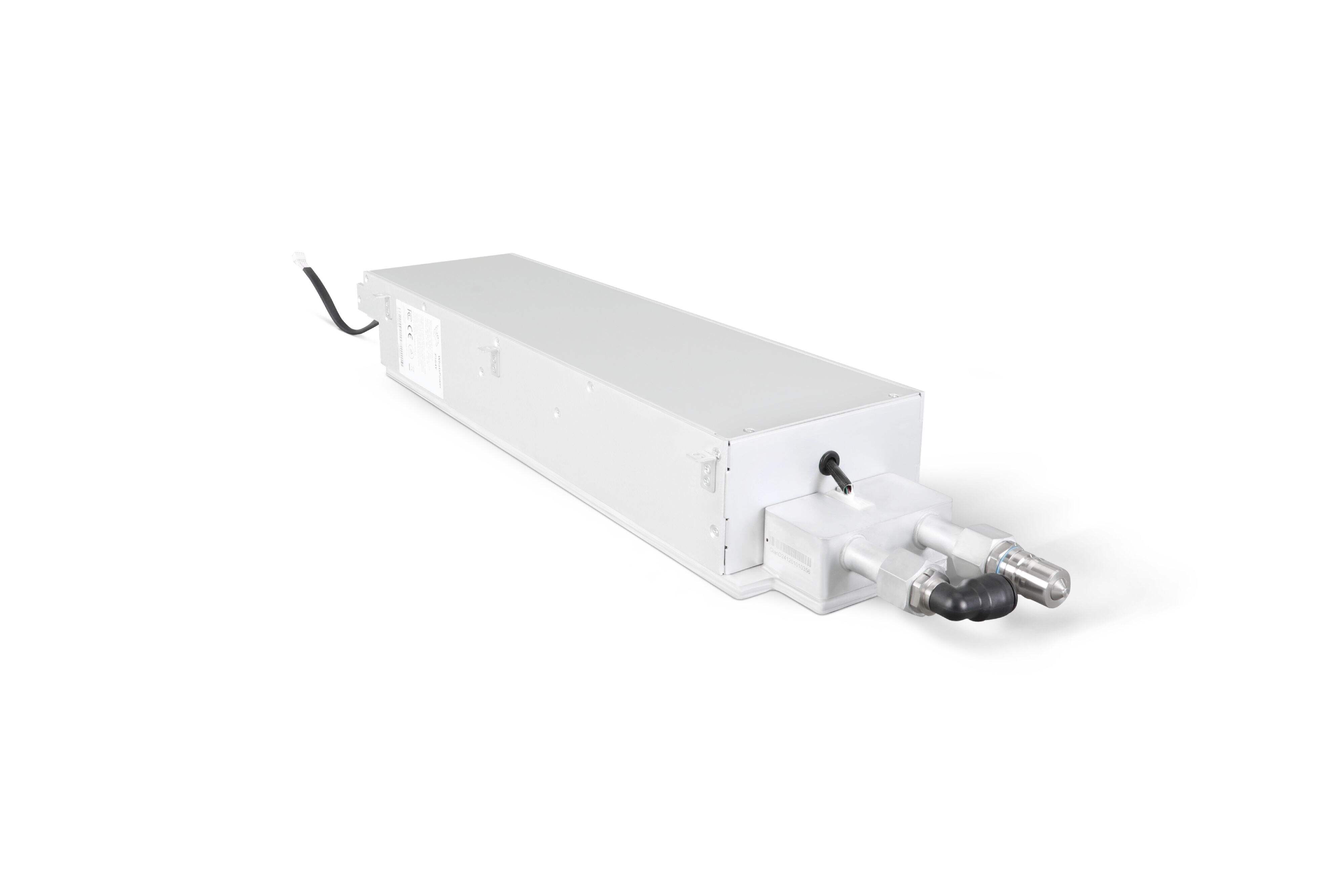
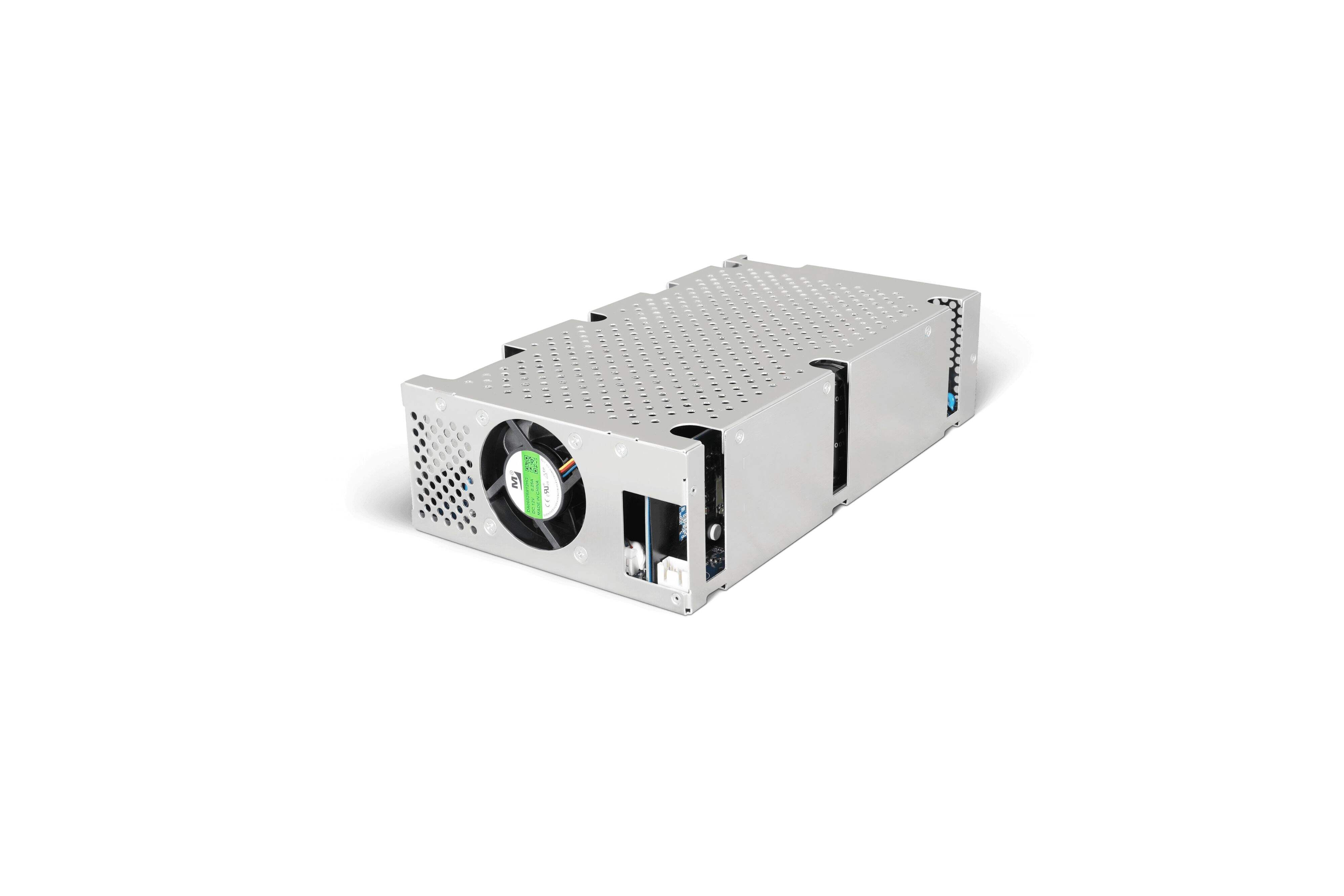
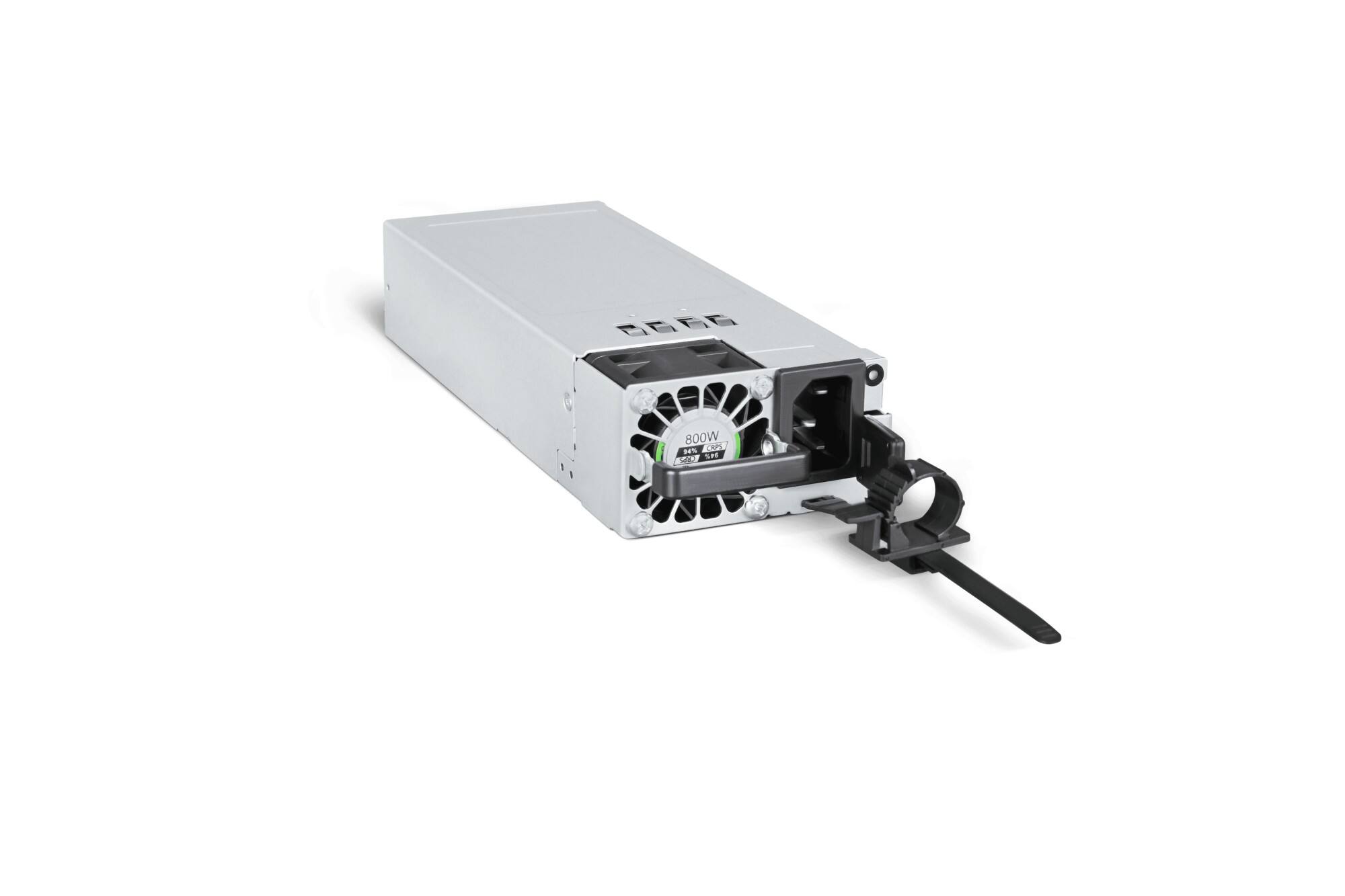
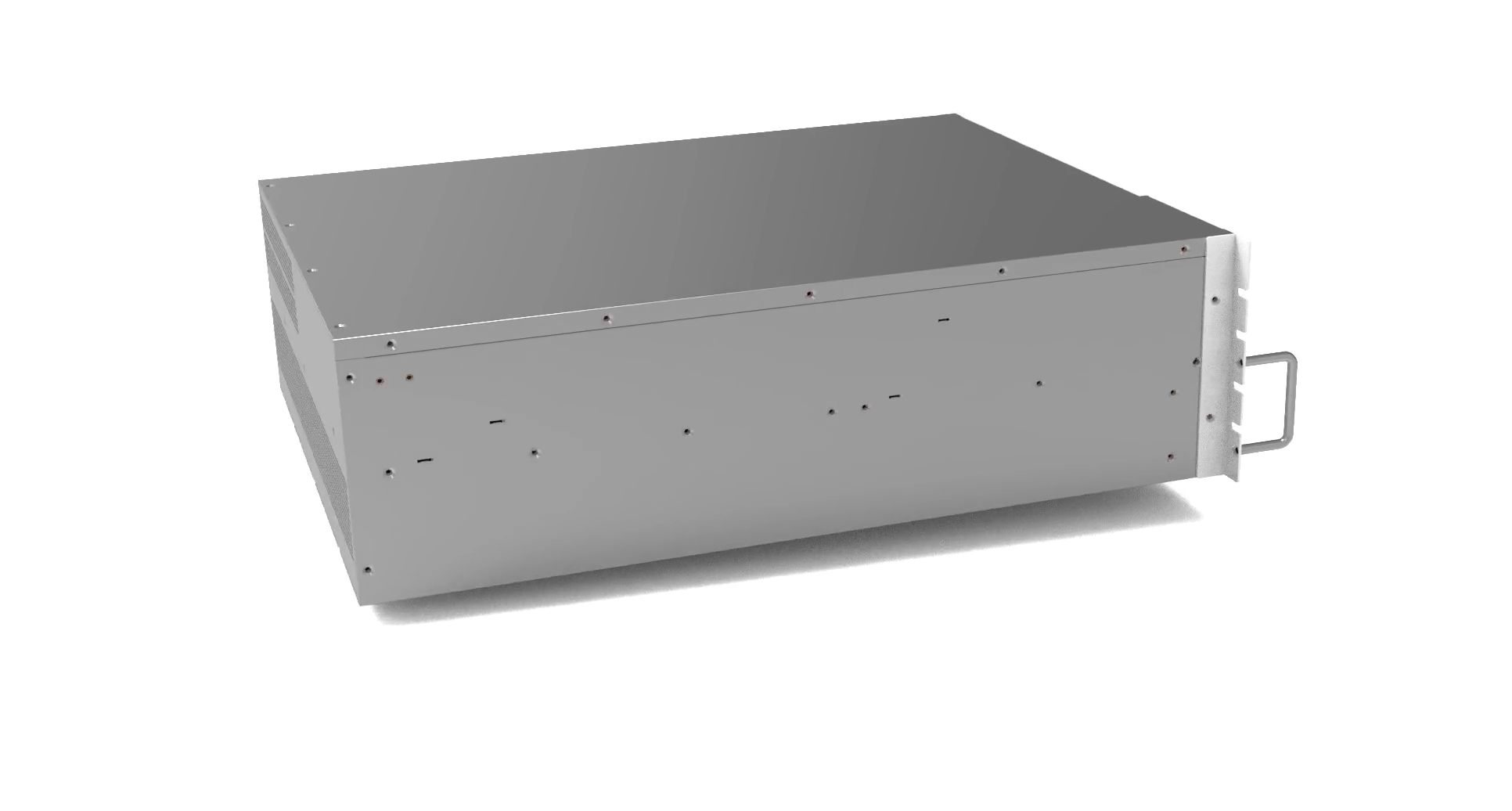
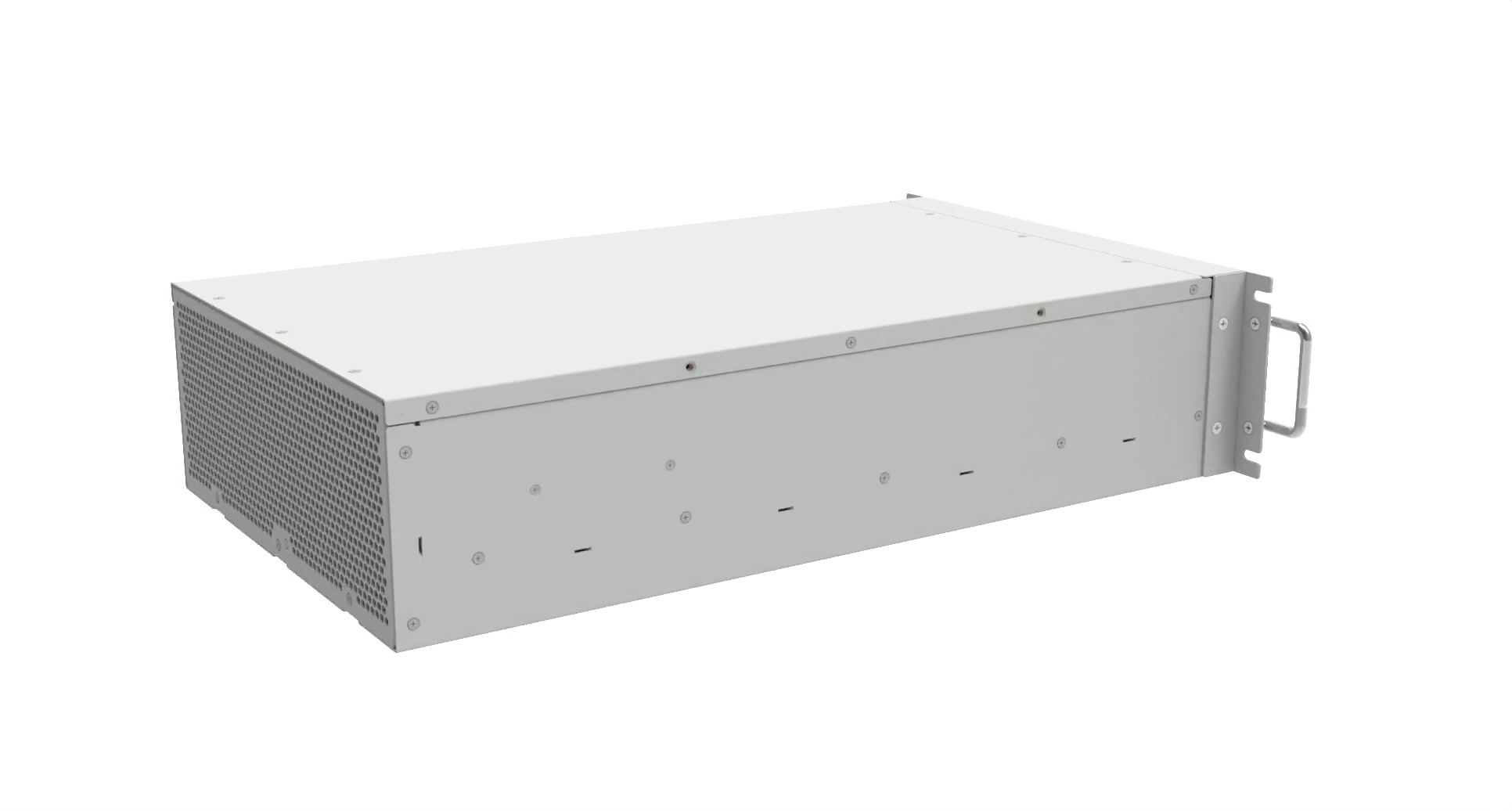
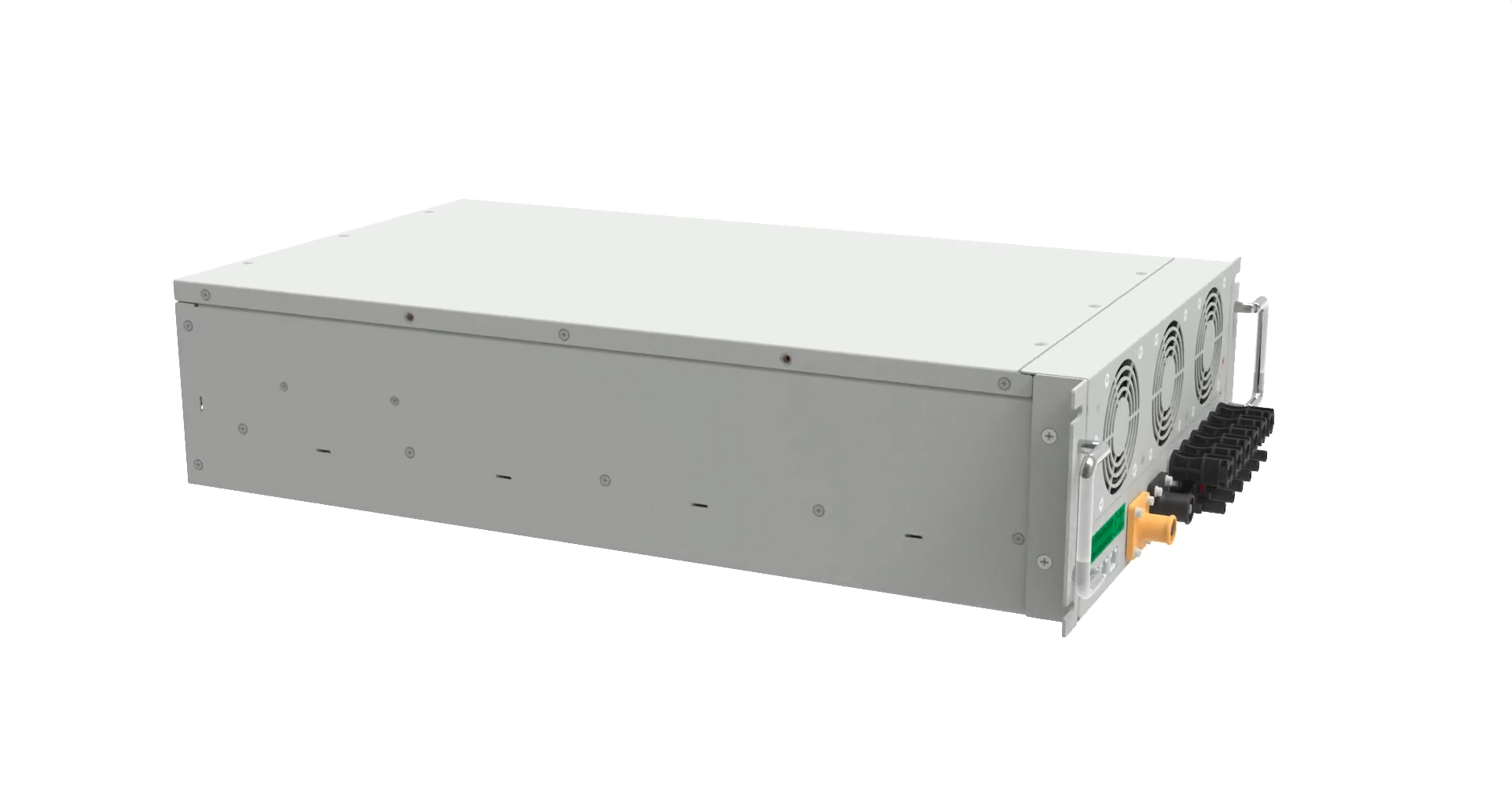
The 1u 2u 4u form factor represents a standardized measurement system crucial for modern data center infrastructure and server deployment strategies. This classification defines the vertical height of rack-mounted equipment, where one unit (1u) equals 1.75 inches or 44.45 millimeters. The 1u 2u 4u form factor serves as the foundation for organizing and optimizing server space within standard 19-inch equipment racks. These measurements ensure universal compatibility across different manufacturers and enable efficient space utilization in enterprise environments. The 1u form factor accommodates compact servers, network switches, and specialized appliances that require minimal vertical space while maintaining full functionality. This configuration typically supports single-processor systems with limited expansion capabilities but offers exceptional density benefits. The 2u form factor provides additional internal space for enhanced cooling systems, dual processors, and increased memory capacity while maintaining relatively compact dimensions. This middle-ground option balances performance requirements with space efficiency, making it popular for virtualization platforms and mid-range computing applications. The 4u form factor delivers maximum expansion capabilities within the standardized framework, supporting multiple processors, extensive storage arrays, and advanced cooling solutions. This configuration accommodates high-performance computing requirements, database servers, and storage systems that demand substantial internal component space. The technological features of the 1u 2u 4u form factor include standardized mounting points, consistent power distribution systems, and optimized airflow management. These specifications ensure seamless integration with existing rack infrastructure while maintaining thermal efficiency and accessibility for maintenance operations. Applications span across enterprise data centers, cloud service providers, telecommunications networks, and edge computing deployments where space optimization directly impacts operational costs and scalability potential.

New Products

The 1u 2u 4u form factor delivers significant operational advantages that directly impact business efficiency and cost management. Space optimization stands as the primary benefit, allowing organizations to maximize computing power within limited physical footprints. The standardized dimensions enable precise capacity planning, helping businesses calculate exact server requirements for their available rack space. This predictability eliminates guesswork and prevents costly overprovisioning of data center real estate. The modular nature of the 1u 2u 4u form factor simplifies equipment procurement and deployment processes. Organizations can select the appropriate size based on specific performance requirements rather than accepting one-size-fits-all solutions. This flexibility translates into better resource utilization and more accurate budget allocation across different project requirements. Maintenance operations become significantly more manageable with standardized form factors. Technicians can quickly identify component locations, access critical systems, and perform routine servicing without extensive equipment-specific training. The consistent mounting systems and cable management approaches reduce service time and minimize potential errors during maintenance activities. Power distribution benefits emerge from the standardized electrical requirements of the 1u 2u 4u form factor. Data centers can implement uniform power delivery systems, reducing complexity and improving overall electrical efficiency. This standardization also enables better monitoring and management of power consumption across entire server populations. Cooling efficiency improves through optimized airflow patterns designed specifically for each form factor size. The 1u configuration maximizes air movement through compact spaces, while larger form factors incorporate enhanced ventilation systems that maintain optimal operating temperatures. This thermal management reduces energy costs and extends equipment lifespan significantly. Scalability advantages allow organizations to grow their infrastructure incrementally without major architectural changes. The 1u 2u 4u form factor supports horizontal scaling strategies that align with business growth patterns, enabling companies to add capacity precisely when needed rather than making large upfront investments.

Practical Tips

A Power Station That Doesn’t Generate Electricity — Yet Moves 120 Million kWh a Year

18

Dec

A Power Station That Doesn’t Generate Electricity — Yet Moves 120 Million kWh a Year

View More
BOCO Electronics Brings Hengyang Intelligent Manufacturing Base Online, Expanding Annual Production Beyond One Million Units

18

Dec

BOCO Electronics Brings Hengyang Intelligent Manufacturing Base Online, Expanding Annual Production Beyond One Million Units

View More
BOCO Electronics Demonstrates System-Level Power Conversion Innovation at SNEC 2025

18

Dec

BOCO Electronics Demonstrates System-Level Power Conversion Innovation at SNEC 2025

View More

Get a Free Quote

Our representative will contact you soon.
Email
Name
Company Name
Message
0/1000

1u 2u 4u form factor

Maximum Density Computing with 1u Form Factor Solutions

Maximum Density Computing with 1u Form Factor Solutions

The 1u form factor represents the pinnacle of space-efficient computing, delivering exceptional processing power within the smallest possible rack footprint. This compact configuration allows data centers to achieve unprecedented server density, fitting up to 42 individual servers within a single standard rack compared to just 10 servers when using 4u alternatives. The space savings translate directly into reduced real estate costs, lower cooling requirements, and decreased overall facility expenses. Modern 1u servers incorporate advanced miniaturization technologies that pack enterprise-grade components into incredibly small spaces without compromising performance capabilities. These systems typically feature high-efficiency processors, solid-state storage solutions, and optimized memory configurations that deliver robust computing power for virtualization, web services, and distributed applications. The thermal design of 1u systems utilizes innovative cooling approaches, including high-speed fans, heat pipe technologies, and carefully engineered airflow paths that maintain optimal operating temperatures despite the compact form factor. Network connectivity options remain comprehensive, with multiple Ethernet ports, management interfaces, and expansion slots available for specialized requirements. The 1u 2u 4u form factor comparison clearly demonstrates how the smallest configuration excels in scenarios requiring maximum server count per rack unit. Cloud service providers particularly benefit from 1u deployments when building large-scale infrastructure that serves thousands of concurrent users. The reduced physical footprint enables these organizations to maximize their return on data center investments while maintaining the flexibility to scale horizontally as demand increases. Energy efficiency improvements emerge from the concentrated computing approach, as power distribution systems operate more efficiently when serving higher server densities. Additionally, the reduced cooling requirements per unit of computing power result in lower operational expenses and improved environmental sustainability metrics that align with modern corporate responsibility initiatives.
Balanced Performance and Efficiency with 2u Form Factor Design

Balanced Performance and Efficiency with 2u Form Factor Design

The 2u form factor strikes an optimal balance between performance capabilities and space efficiency, making it the preferred choice for organizations requiring robust computing power without excessive rack consumption. This configuration provides double the internal volume of 1u systems while maintaining reasonable space utilization, allowing for enhanced component selection and improved thermal management. The additional height accommodates dual-processor configurations, expanded memory capacities, and multiple storage devices that support demanding enterprise applications. Advanced cooling systems integrated into 2u designs include larger heat sinks, multiple fan assemblies, and improved airflow management that maintains consistent operating temperatures even under heavy computational loads. The 1u 2u 4u form factor comparison highlights how the middle option delivers superior expansion capabilities compared to compact alternatives while remaining significantly more space-efficient than larger configurations. Storage flexibility represents a key advantage of 2u systems, with support for multiple drive bays that accommodate both high-capacity traditional drives and high-performance solid-state options. This storage versatility enables organizations to optimize their data management strategies based on specific performance and capacity requirements. Network interface options expand significantly in 2u configurations, with space for multiple network cards, specialized connectivity modules, and redundant networking components that ensure high availability and performance. The improved accessibility of 2u systems simplifies maintenance operations, as technicians can more easily access internal components for repairs, upgrades, and routine servicing activities. Power supply redundancy becomes practical in 2u form factors, with space for dual power supplies that eliminate single points of failure and improve overall system reliability. Management features benefit from the additional space available for specialized monitoring hardware, advanced baseboard management controllers, and integrated diagnostic systems. The 2u configuration excels in virtualization environments where single systems must support multiple virtual machines with varying resource requirements. Database servers, application platforms, and hybrid cloud infrastructure commonly utilize 2u form factors to achieve the perfect balance between computational capability and efficient space utilization.
Maximum Expansion and Performance with 4u Form Factor Capabilities

Maximum Expansion and Performance with 4u Form Factor Capabilities

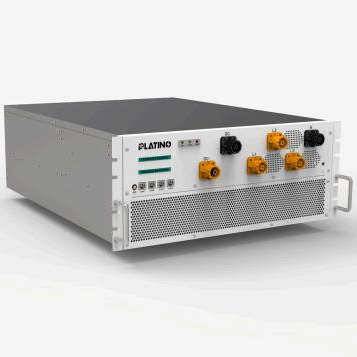
The 4u form factor delivers uncompromising performance and expansion capabilities for organizations requiring maximum computational power and extensive internal component space. This configuration provides four times the vertical space of 1u systems, enabling complex server architectures that support the most demanding enterprise applications and specialized computing requirements. Multi-processor configurations become standard in 4u systems, with support for high-core-count processors, extensive memory arrays, and specialized accelerator cards that handle intensive computational workloads. The generous internal space accommodates advanced cooling solutions, including liquid cooling systems, large heat sinks, and sophisticated fan arrays that maintain optimal temperatures even during peak performance periods. Storage capabilities reach enterprise-class levels in 4u configurations, with support for numerous drive bays that can house massive storage arrays, redundant storage controllers, and mixed storage media configurations. The 1u 2u 4u form factor analysis demonstrates how the largest option excels in scenarios requiring maximum internal expansion and specialized hardware integration. Network connectivity reaches its peak in 4u systems, with space for multiple high-speed network interfaces, specialized networking hardware, and redundant connectivity options that support mission-critical applications. The improved accessibility of 4u configurations facilitates complex maintenance procedures, component upgrades, and troubleshooting activities that would be challenging in smaller form factors. Power distribution systems in 4u servers support high-wattage components and multiple power supplies with advanced power management features that optimize energy consumption and provide comprehensive redundancy. Expansion slot availability enables integration of specialized cards, including graphics processors, cryptographic accelerators, and industry-specific hardware modules that extend server functionality beyond standard computing tasks. Database servers, high-performance computing applications, and storage systems particularly benefit from 4u form factors when maximum performance and expansion capabilities are essential. The configuration supports advanced management features, including comprehensive monitoring systems, detailed diagnostic capabilities, and integrated service processors that enable remote administration and automated maintenance functions. Organizations deploying 4u systems typically prioritize performance over space efficiency, making this form factor ideal for applications where computational capability outweighs density considerations in determining overall value and effectiveness.


Get a Free Quote

Our representative will contact you soon.
Email
Name
Company Name
Message
0/1000