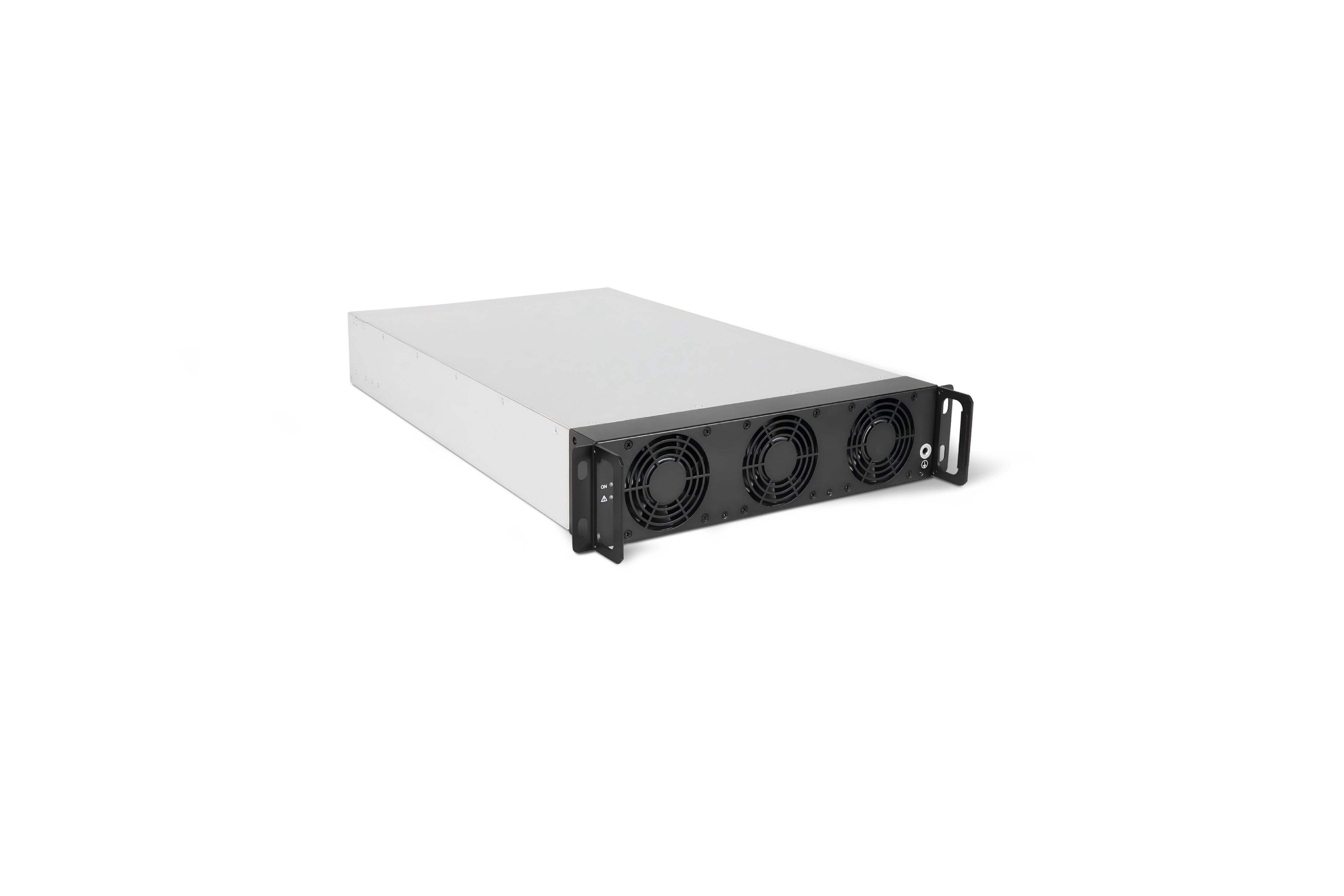
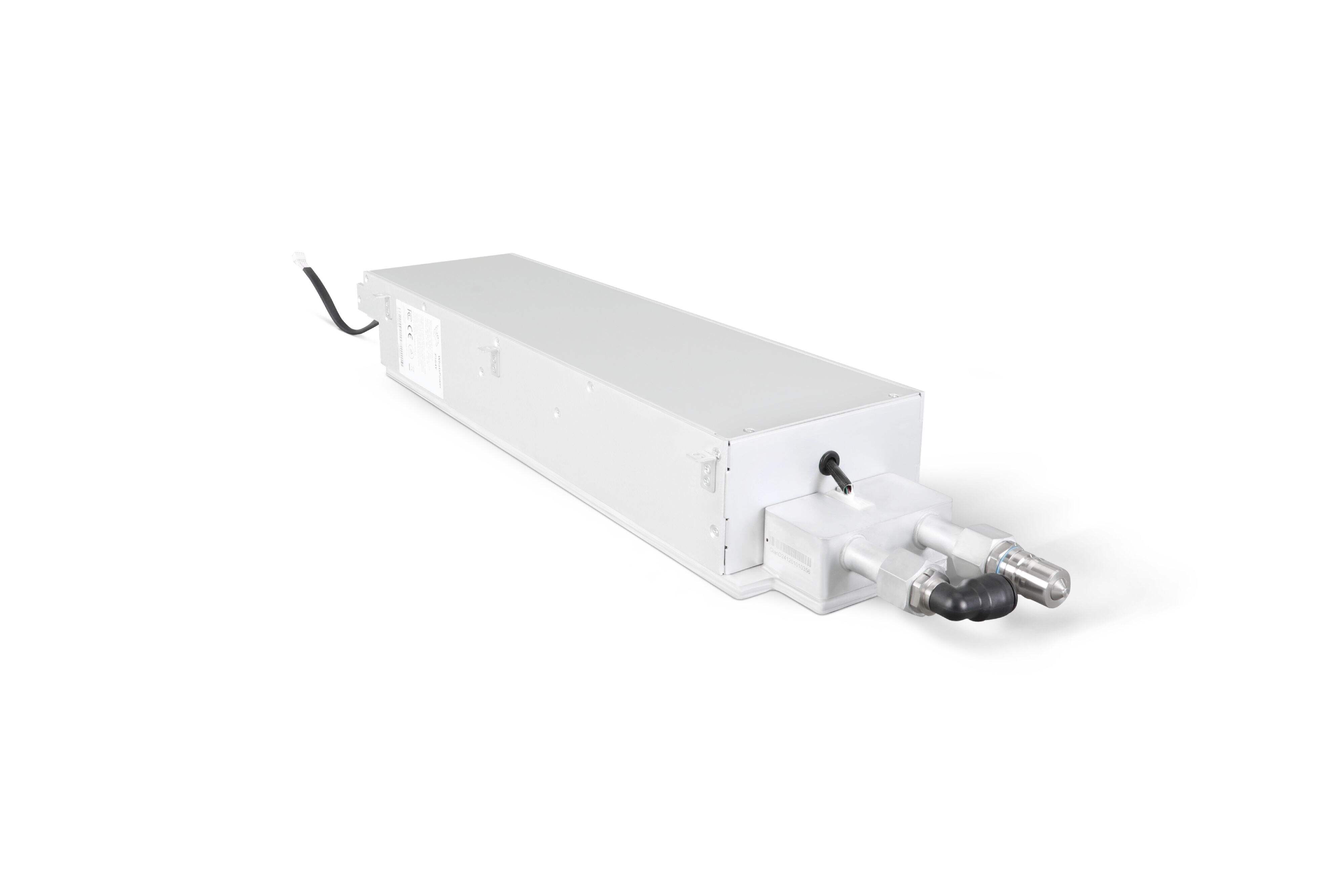
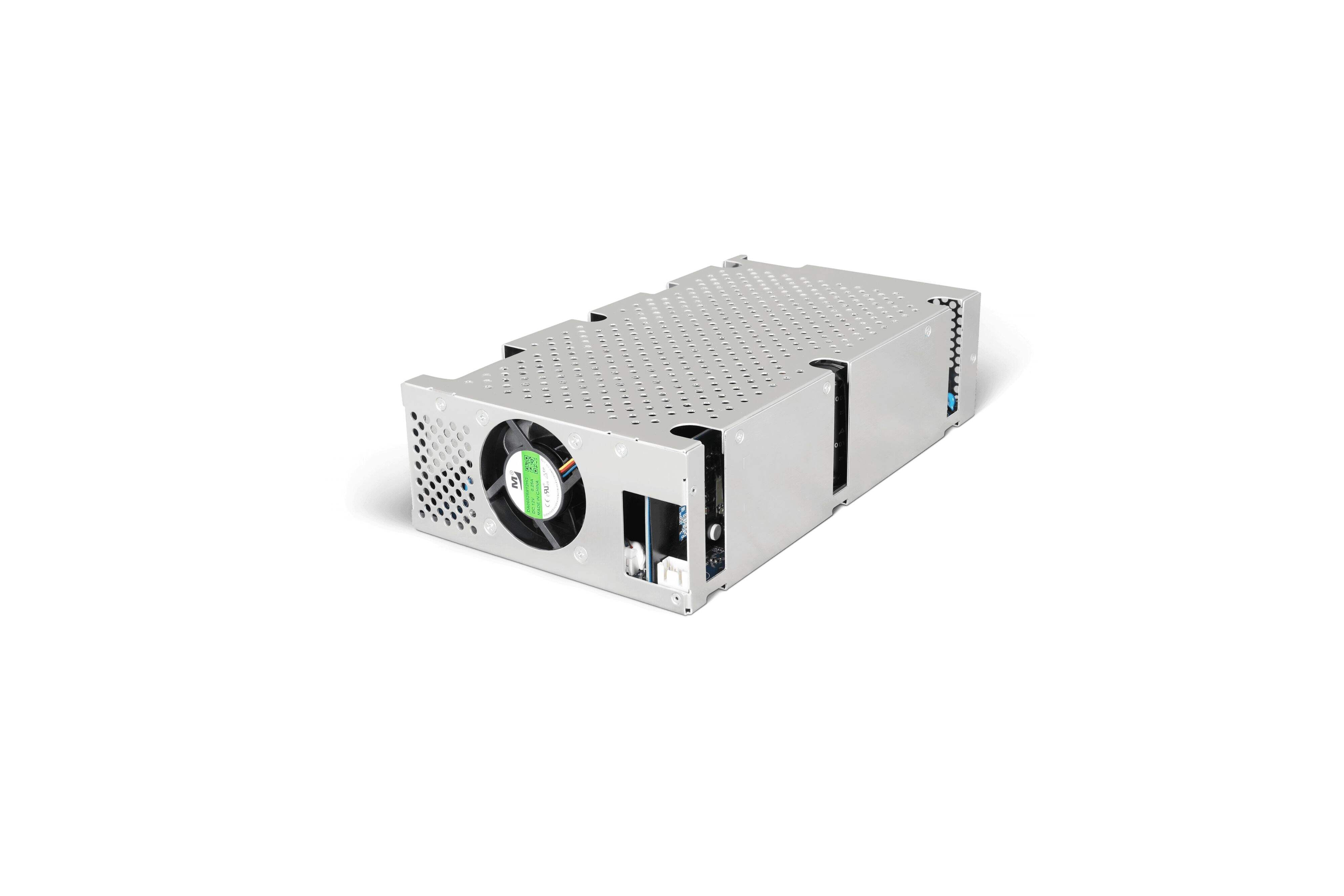
energy storage device
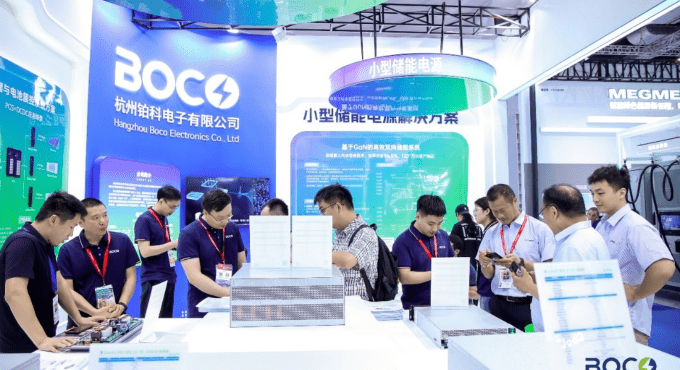
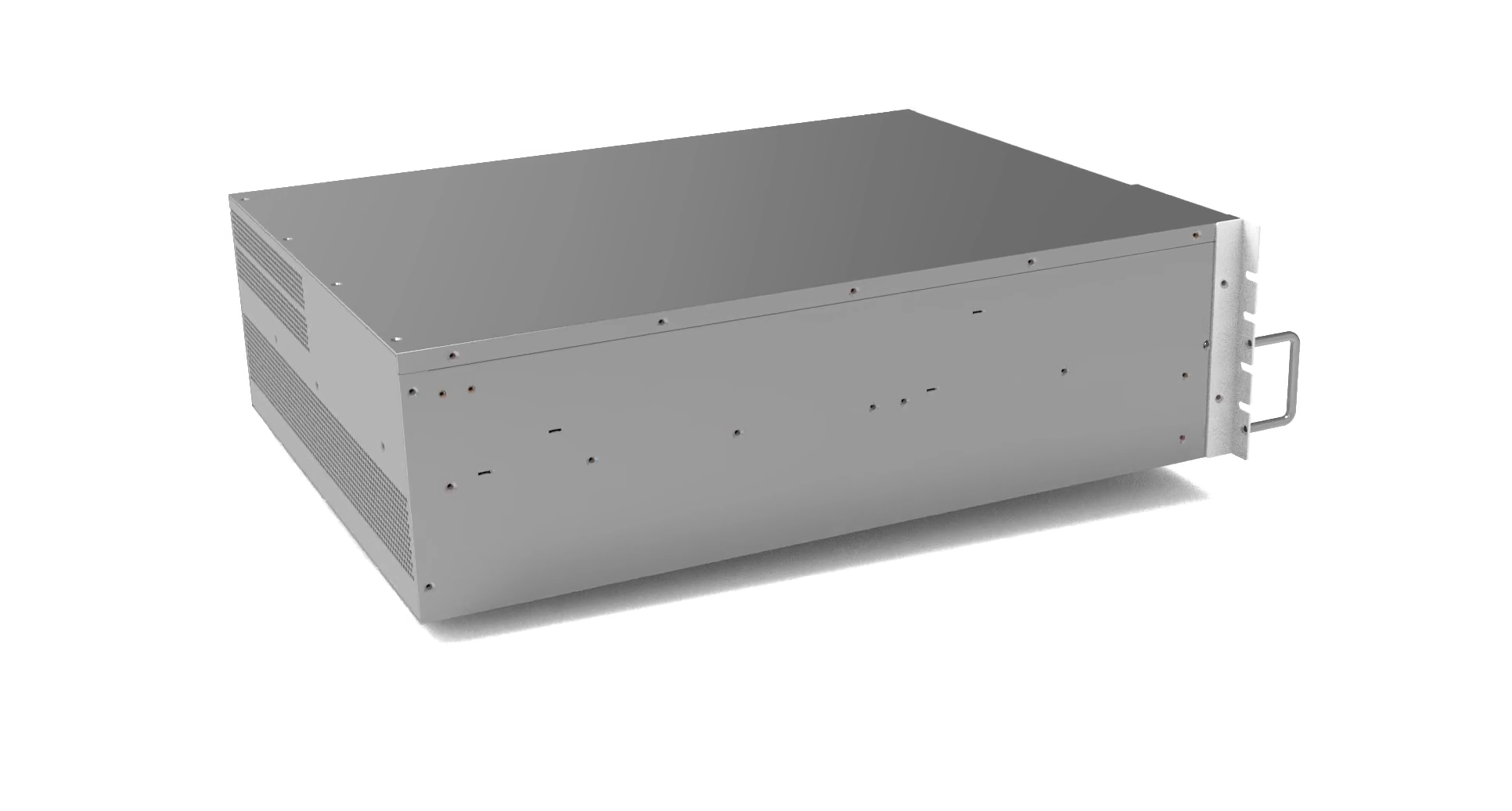
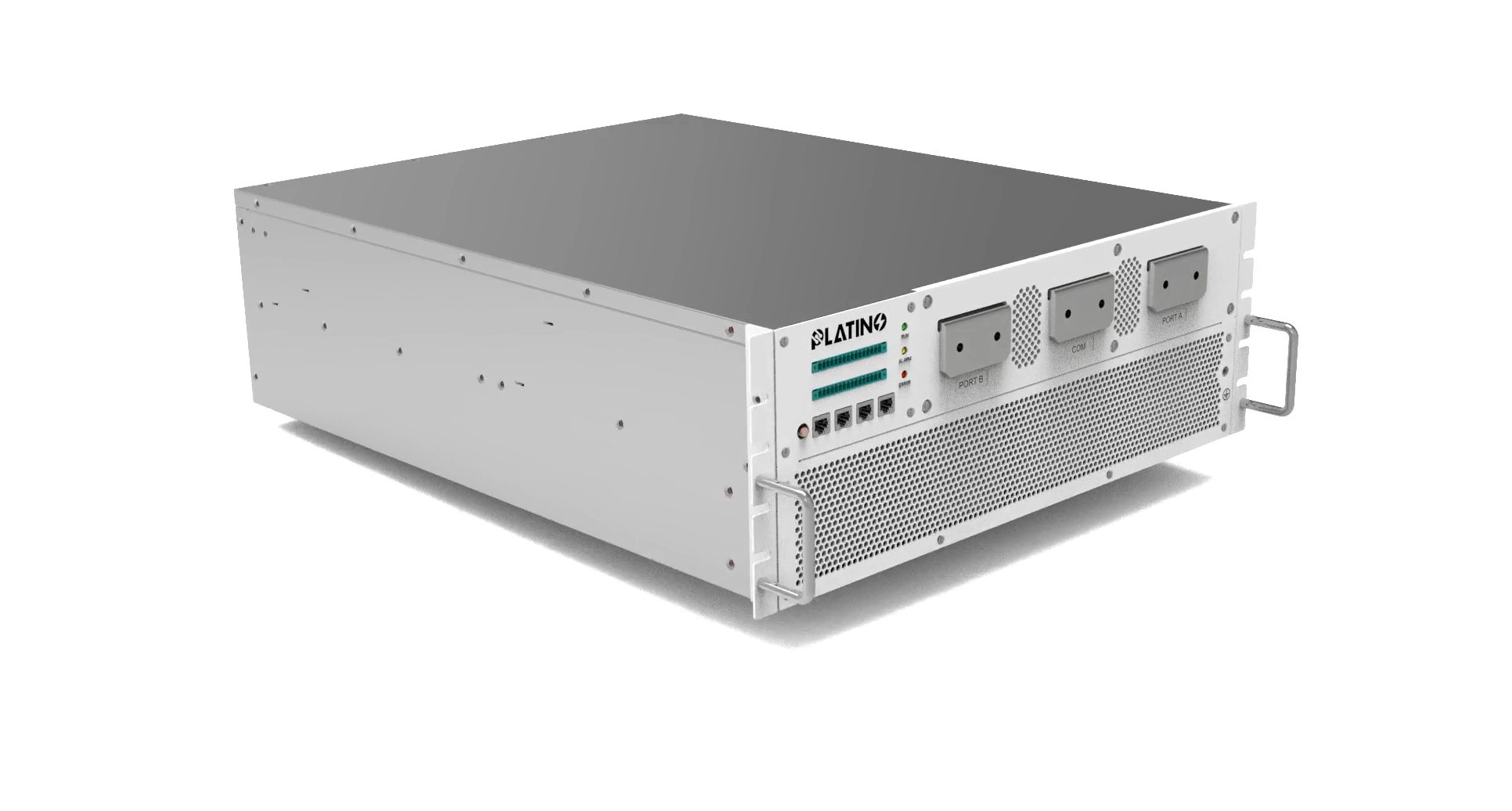
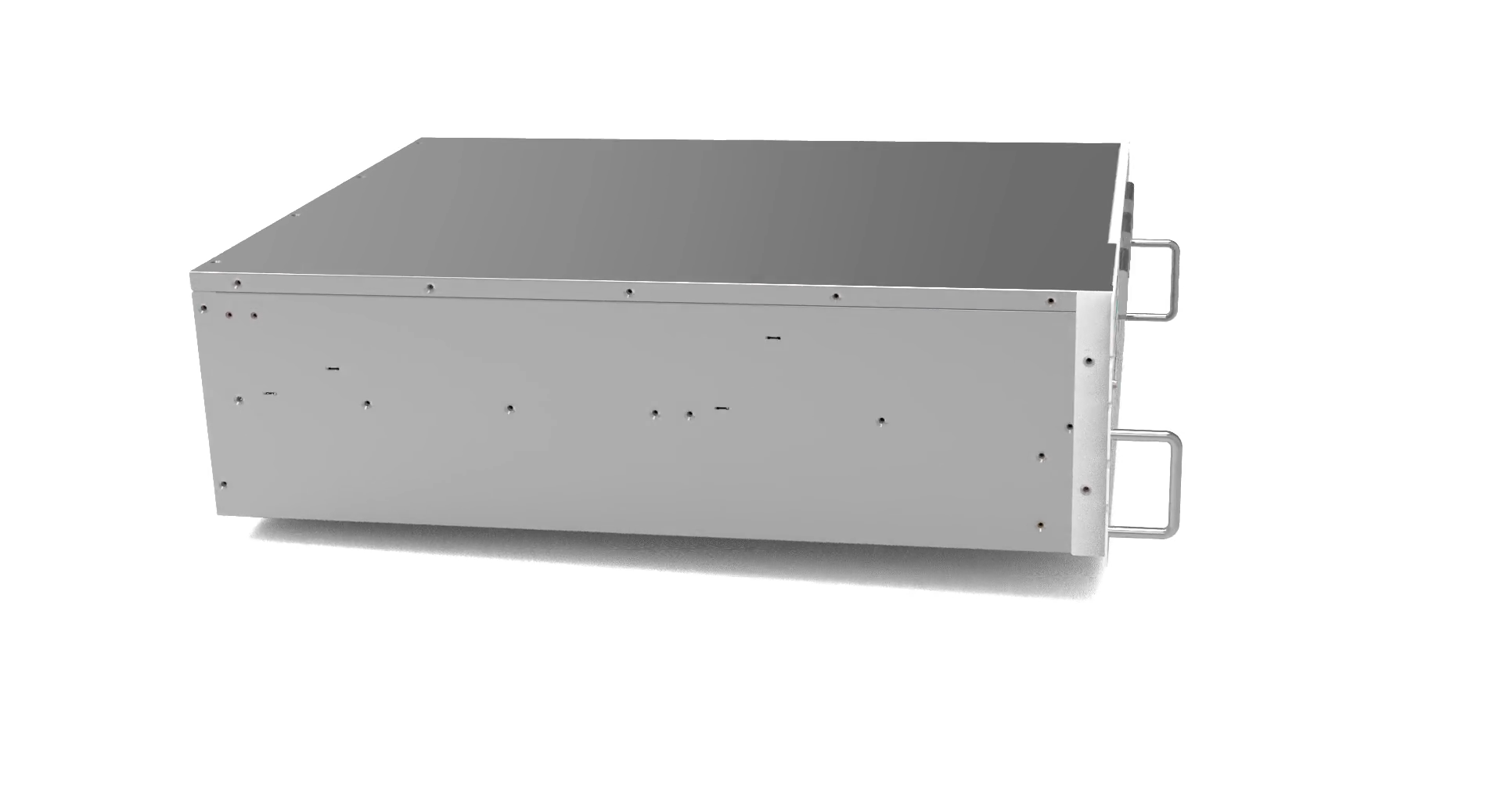
Energy storage devices represent revolutionary technology solutions that capture, store, and release electrical energy when needed. These sophisticated systems serve as crucial components in modern power infrastructure, enabling efficient management of electricity supply and demand across residential, commercial, and industrial applications. The primary function of an energy storage device involves converting electrical energy into storable forms such as chemical, mechanical, or thermal energy, then converting it back to electricity during discharge cycles. This fundamental capability addresses critical challenges in power grid stability, renewable energy integration, and backup power provision. Contemporary energy storage devices utilize advanced lithium-ion battery technology, offering superior energy density, extended cycle life, and rapid charge-discharge capabilities. These technological features include intelligent battery management systems that monitor cell voltage, temperature, and current flow to optimize performance and ensure safety. Smart inverter technology enables seamless integration with existing electrical systems, providing clean, stable power output that matches grid specifications. Modular design architecture allows scalable deployment, accommodating varying capacity requirements from small residential units to large-scale commercial installations. Applications span diverse sectors including residential solar energy storage, commercial peak shaving, industrial backup power, electric vehicle charging infrastructure, and grid-scale utility support. Healthcare facilities rely on energy storage devices for uninterrupted power during emergencies, while data centers utilize these systems to maintain critical operations. Telecommunications networks depend on energy storage solutions for reliable service continuity. Manufacturing facilities implement these devices to reduce energy costs and maintain production during outages. The versatility of energy storage devices makes them indispensable for modern energy management strategies, supporting both economic efficiency and environmental sustainability goals across multiple industries and applications.

 EN
EN