residential battery storage
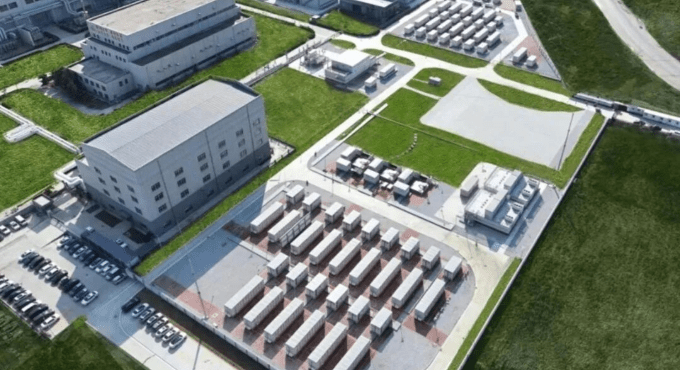
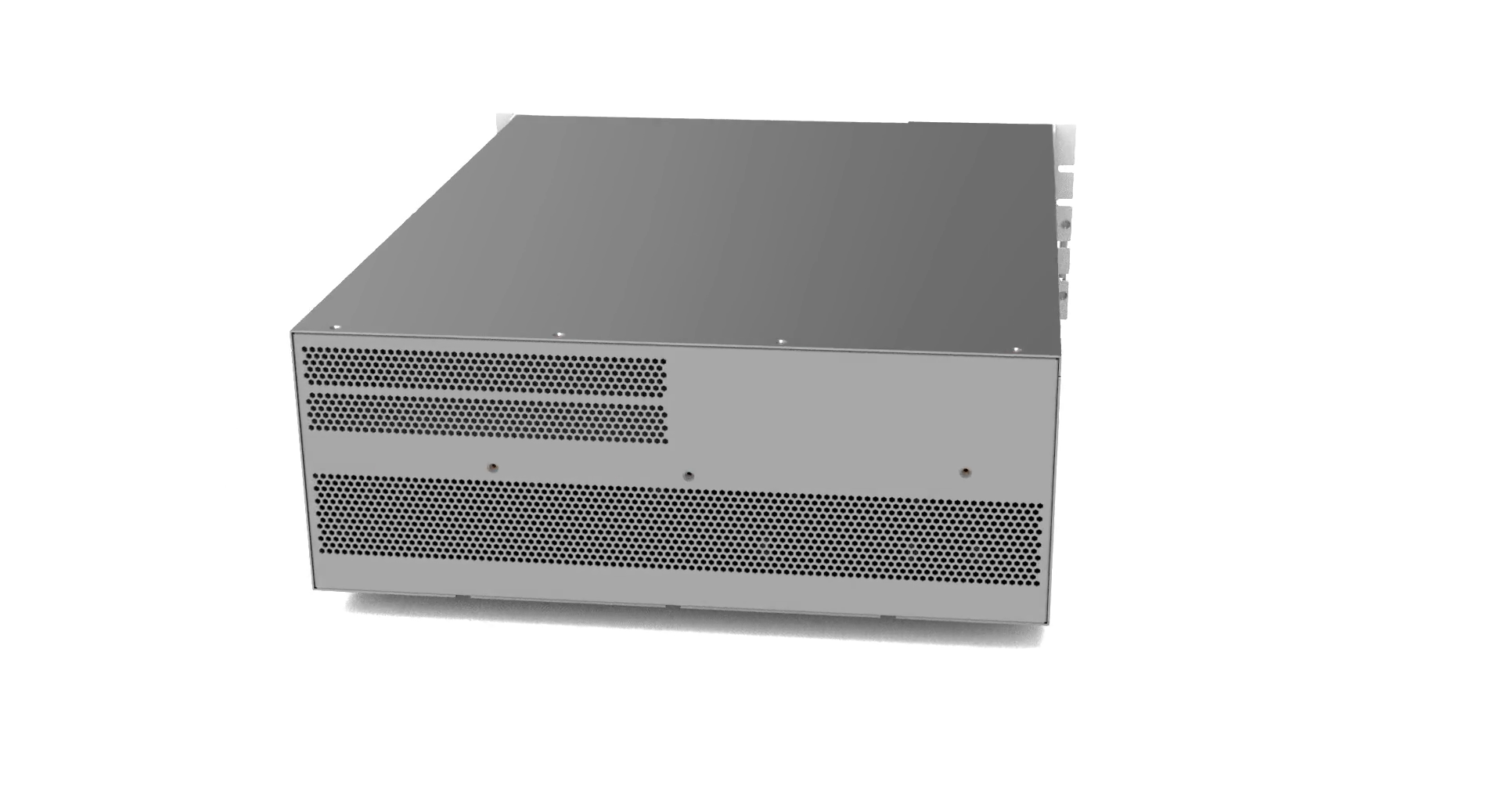
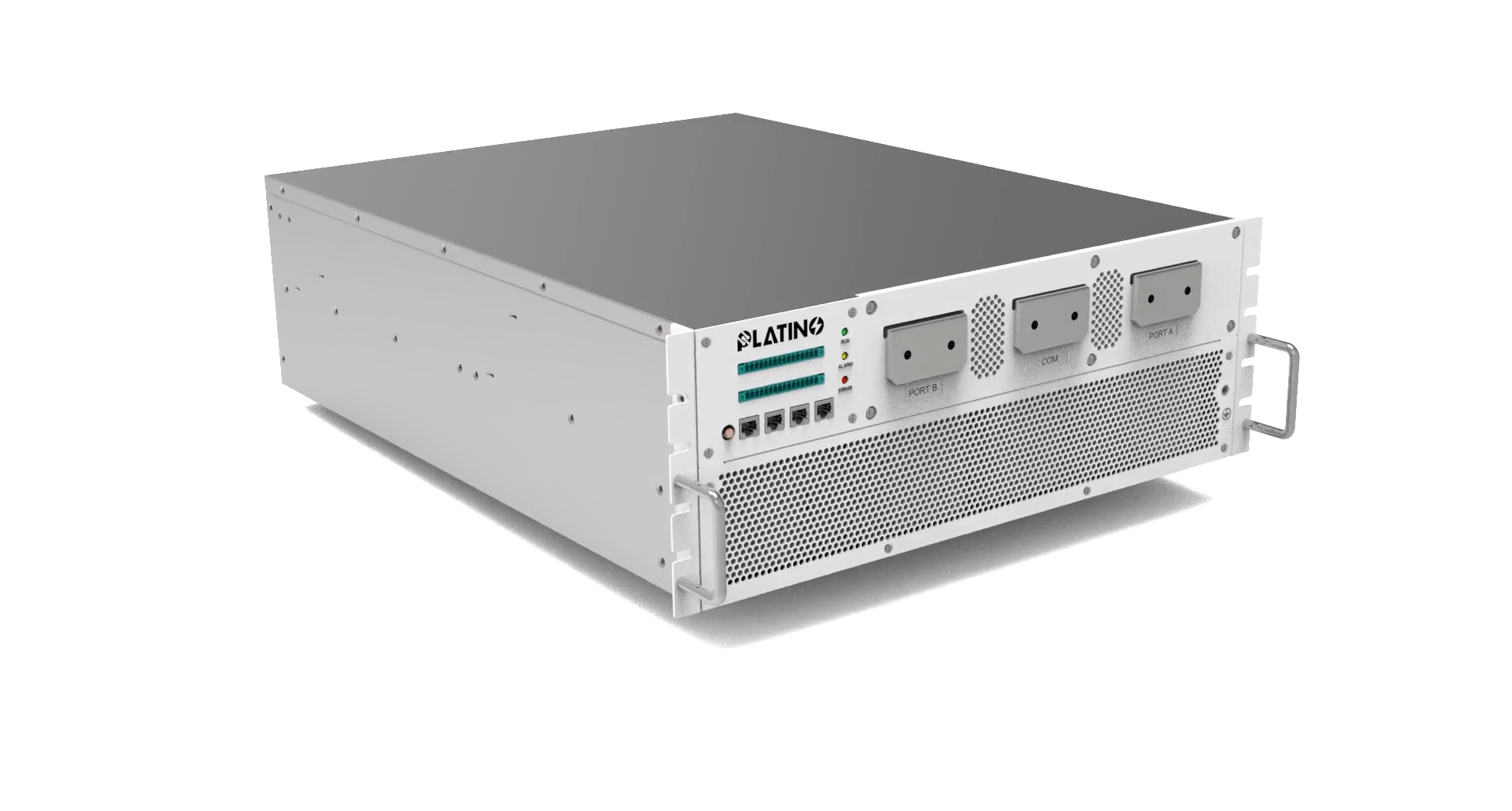
Residential battery storage represents a revolutionary advancement in home energy management, transforming how households consume, store, and utilize electricity. These sophisticated systems capture excess energy generated by solar panels or draw power from the electrical grid during off-peak hours, storing it in high-capacity batteries for later use. The core functionality revolves around intelligent energy management, allowing homeowners to maximize their energy independence while reducing reliance on traditional utility providers. Modern residential battery storage systems integrate seamlessly with existing electrical infrastructure, featuring advanced lithium-ion technology that delivers exceptional performance and longevity. These systems typically include smart inverters, monitoring software, and automated control mechanisms that optimize energy flow throughout the home. The technological architecture encompasses multiple components working in harmony: battery cells arranged in modules, thermal management systems, safety circuits, and sophisticated battery management systems that monitor charge levels, temperature, and overall system health. Applications extend far beyond simple energy storage, encompassing emergency backup power during outages, peak shaving to reduce electricity costs, time-of-use optimization, and grid services participation. Homeowners can strategically discharge stored energy during peak rate periods, significantly lowering monthly utility bills. The systems also provide uninterrupted power supply during blackouts, ensuring critical appliances remain operational. Integration capabilities allow residential battery storage to work with smart home systems, electric vehicle chargers, and renewable energy sources. Advanced models feature modular designs that enable capacity expansion as energy needs grow. Remote monitoring capabilities through mobile applications provide real-time insights into energy production, consumption, and storage levels. Weather-resistant enclosures protect components from environmental factors, while built-in safety features prevent overcharging, overheating, and other potential hazards. The technology continues evolving with enhanced energy density, faster charging capabilities, and extended warranties that often span 10-15 years.

 EN
EN