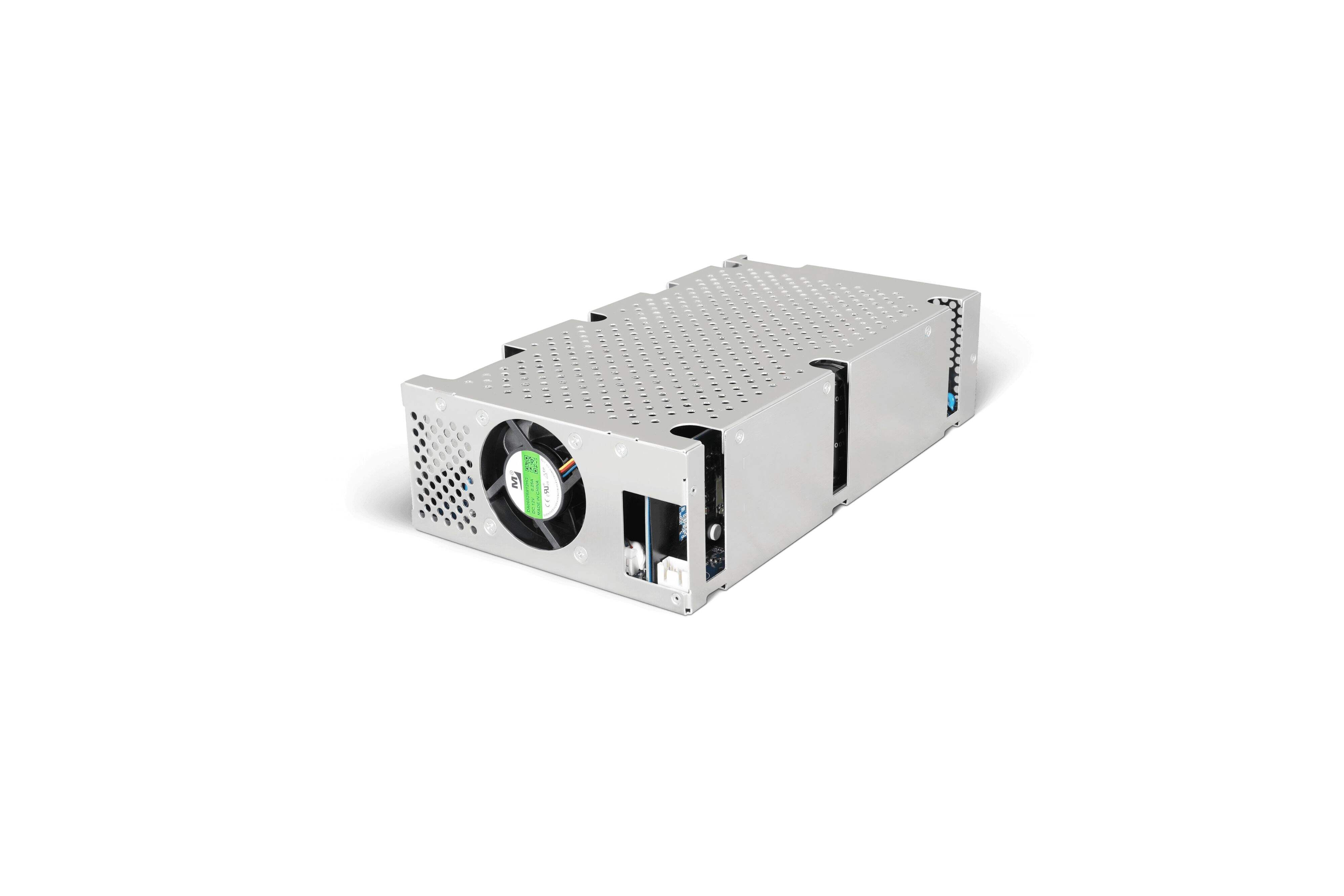
forced-air cooling
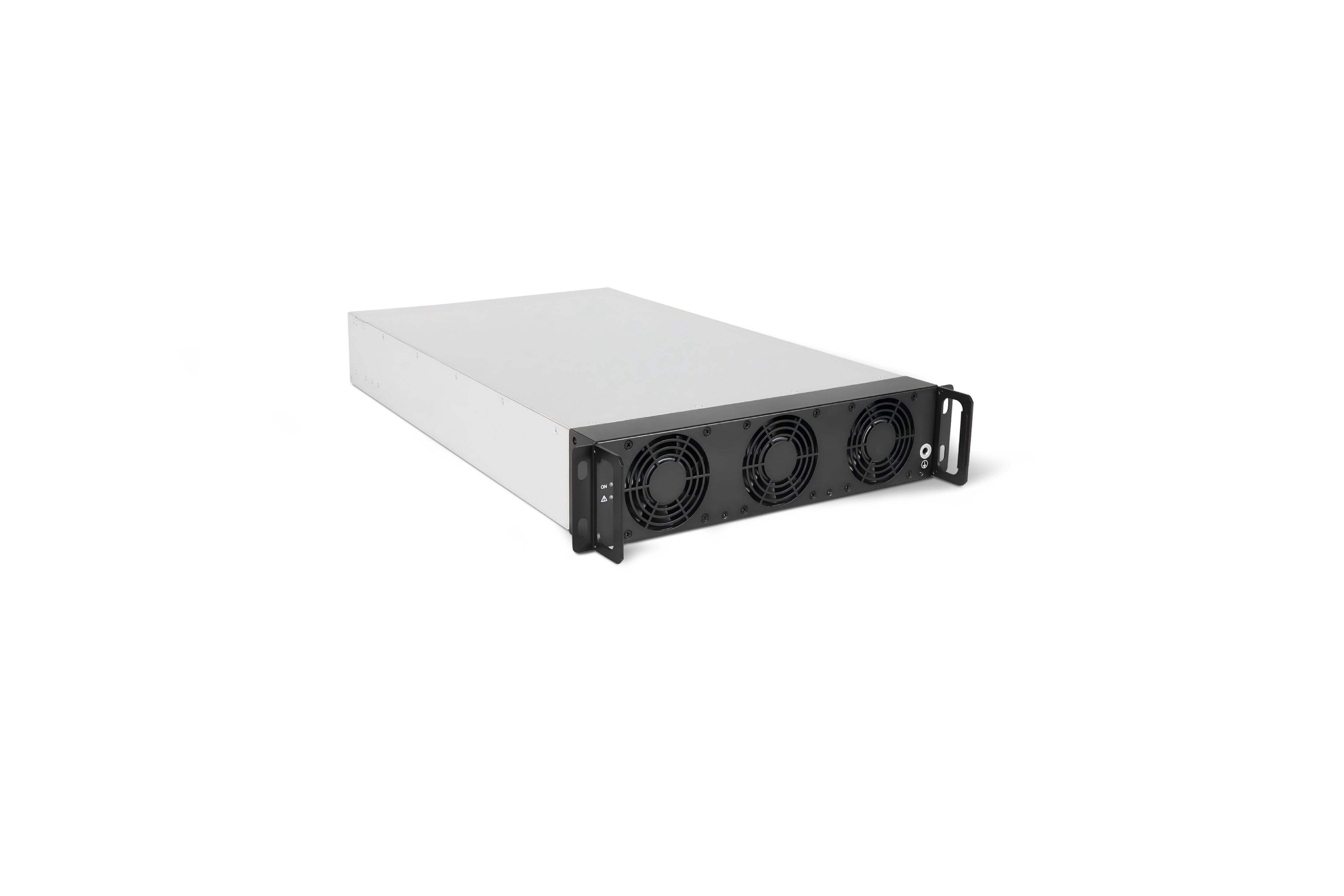
Forced-air cooling represents a sophisticated thermal management technology that actively circulates air to remove heat from electronic components, machinery, and enclosed spaces. This cooling method employs mechanical fans or blowers to create controlled airflow patterns that efficiently transfer heat away from heat-generating sources. Unlike passive cooling systems that rely solely on natural convection, forced-air cooling provides consistent and predictable temperature control through engineered airflow dynamics. The system operates by drawing cool ambient air across heated surfaces while simultaneously expelling warm air, creating a continuous heat exchange cycle that maintains optimal operating temperatures. Modern forced-air cooling systems incorporate variable speed controls, temperature sensors, and automated regulation mechanisms that adjust cooling performance based on real-time thermal conditions. These systems can be configured for both positive pressure environments, where cool air is pushed into the system, and negative pressure setups that extract heated air from the source. The technology finds extensive applications across diverse industries including data centers, telecommunications equipment, automotive electronics, industrial machinery, and consumer appliances. Manufacturing facilities utilize forced-air cooling to maintain precise temperature conditions during production processes, while server rooms depend on these systems to prevent overheating of critical computing infrastructure. The scalability of forced-air cooling makes it suitable for applications ranging from small electronic devices requiring minimal airflow to large industrial installations demanding substantial cooling capacity. Advanced forced-air cooling implementations often integrate with building management systems, enabling remote monitoring and control capabilities that optimize energy consumption while maintaining effective thermal management. The technology continues to evolve with improvements in fan efficiency, noise reduction, and smart control algorithms that enhance overall system performance and reliability.

 EN
EN