high power density dc dc converter
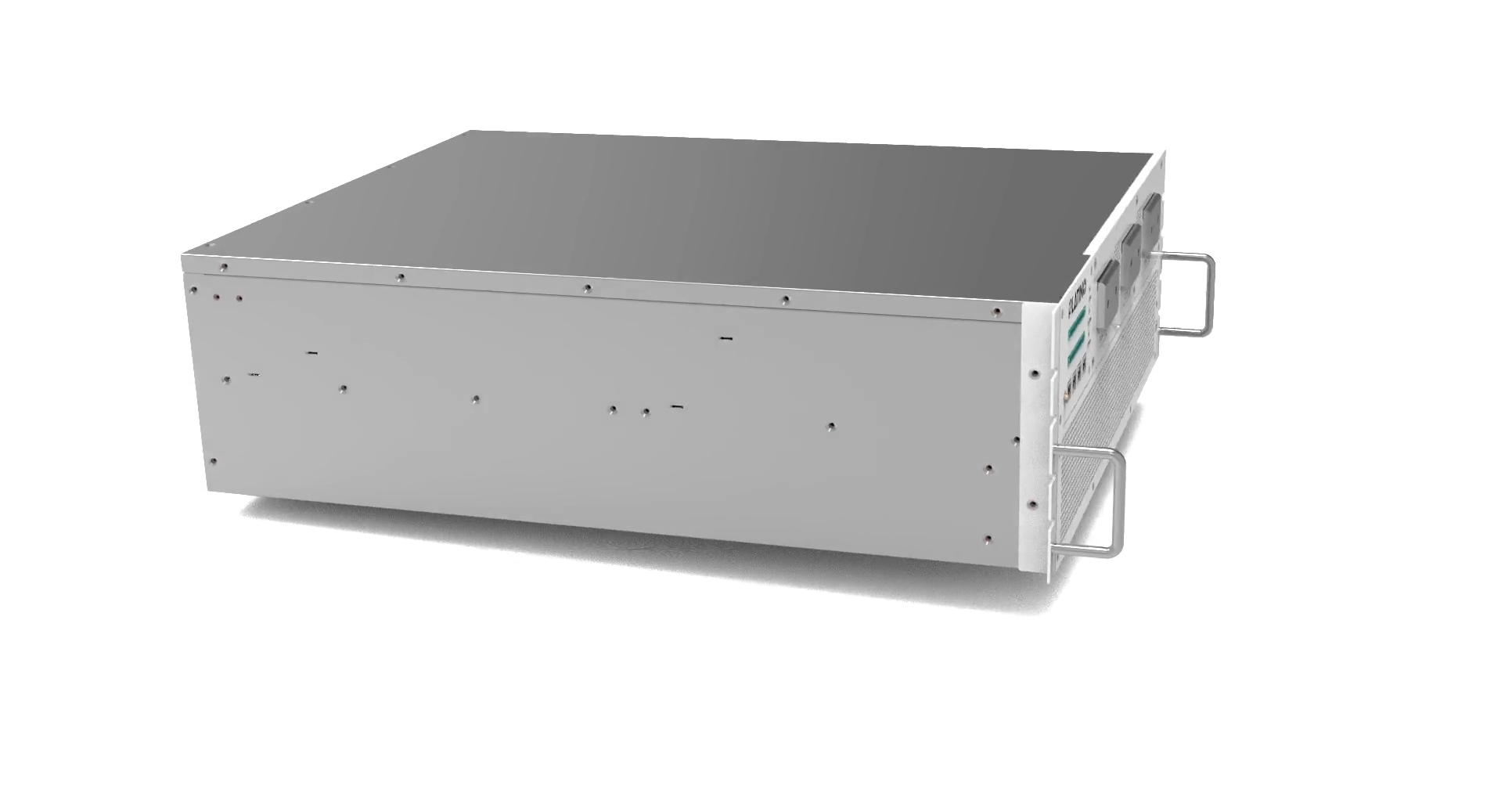
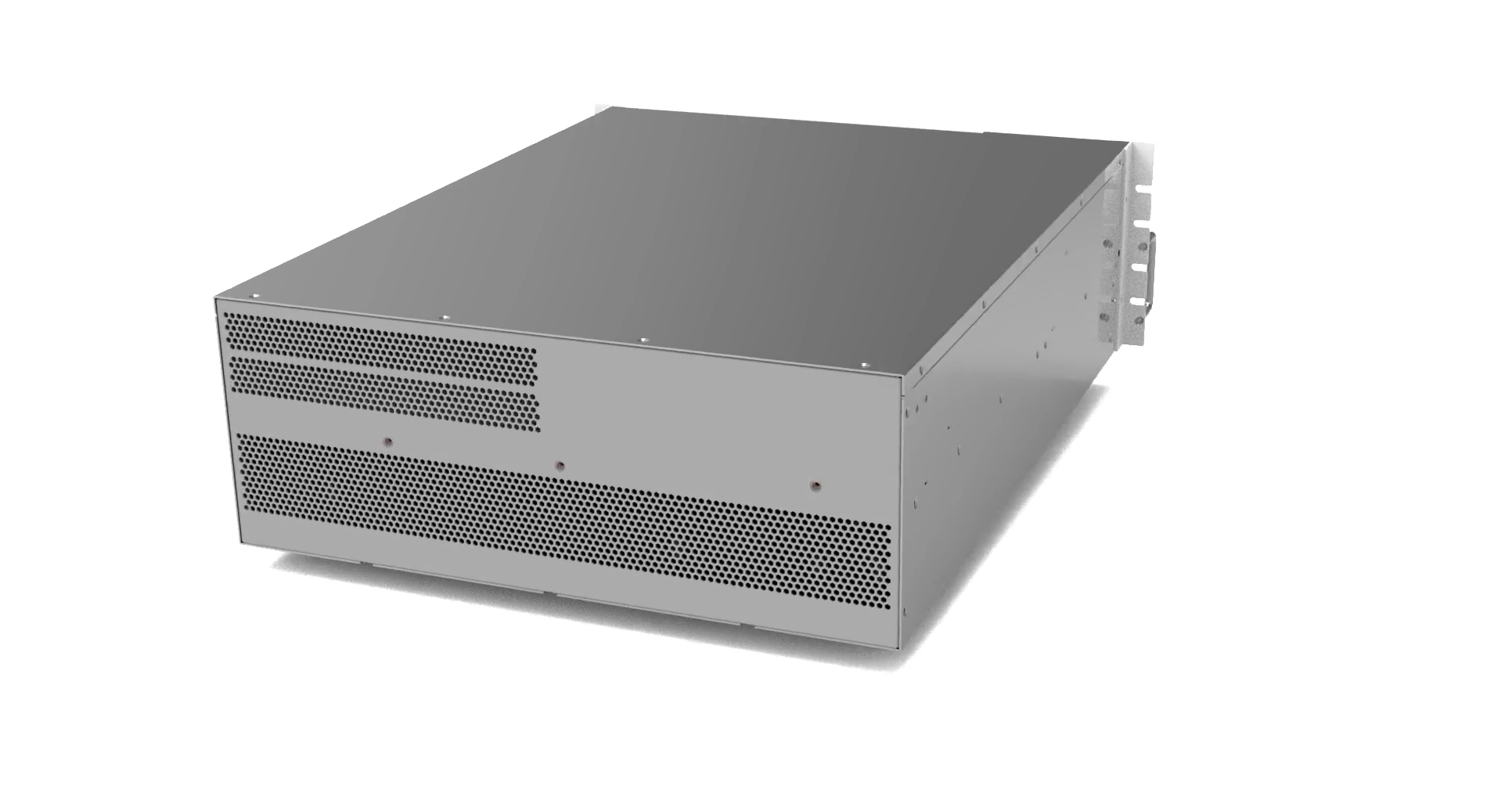
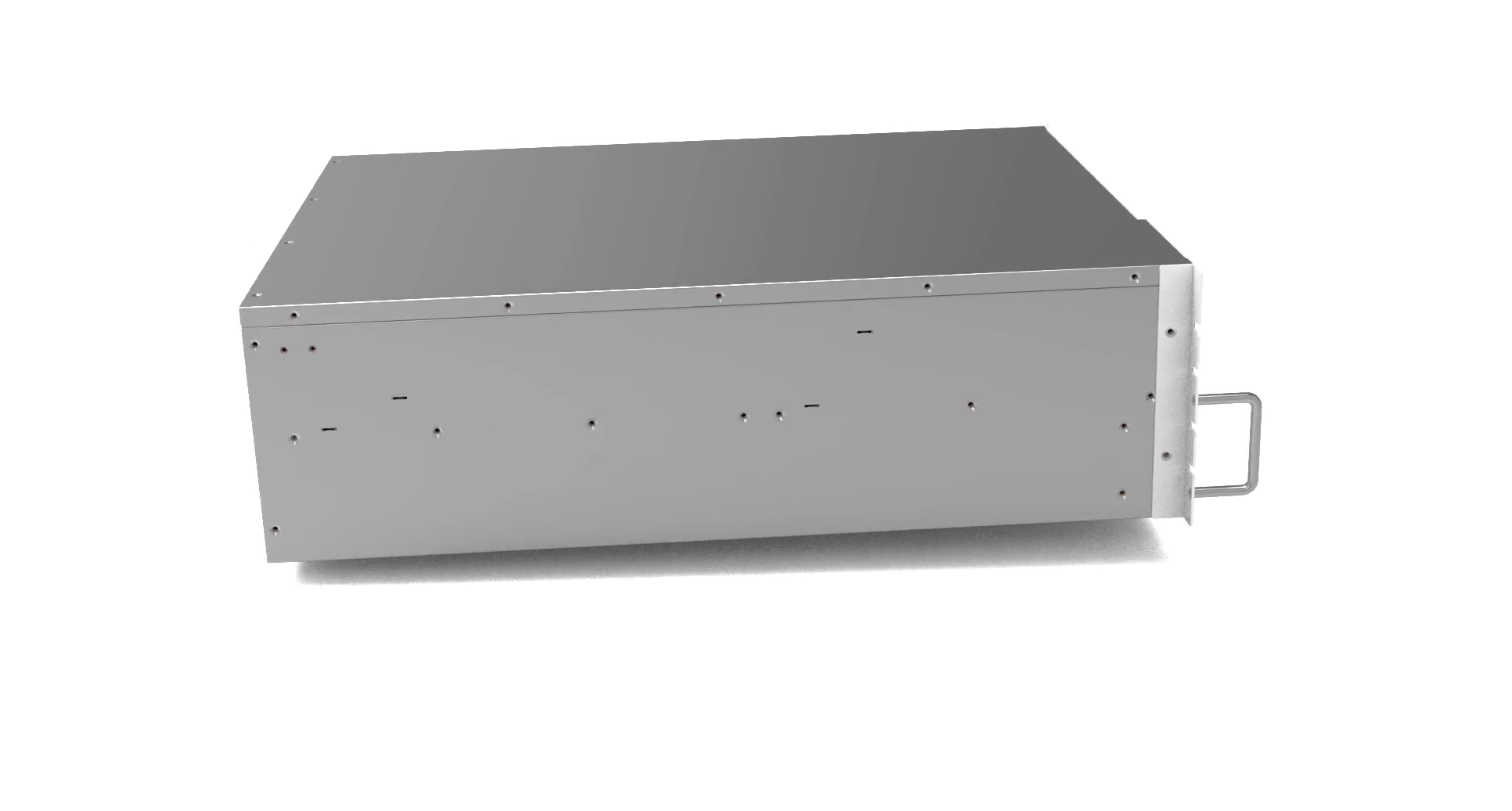
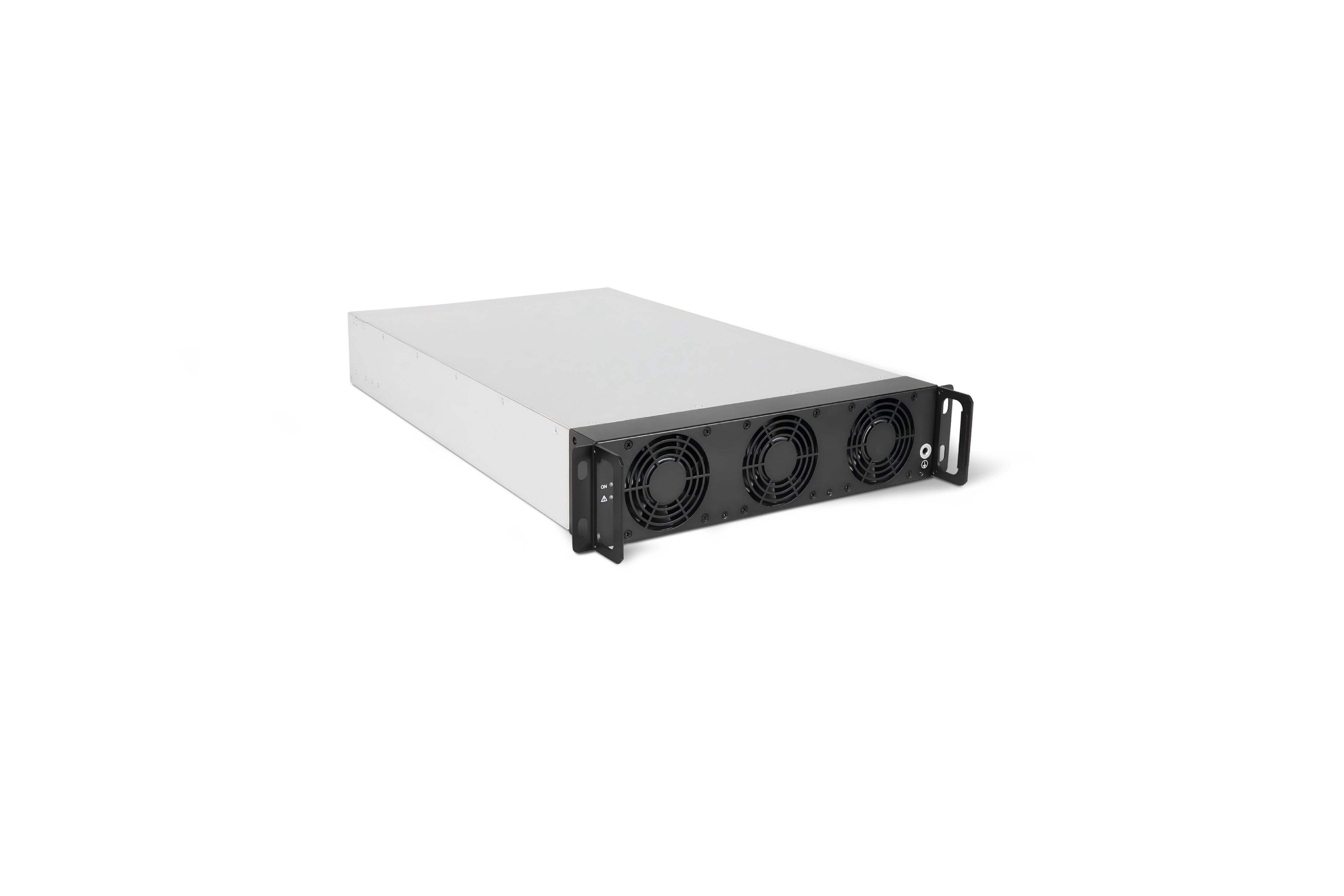
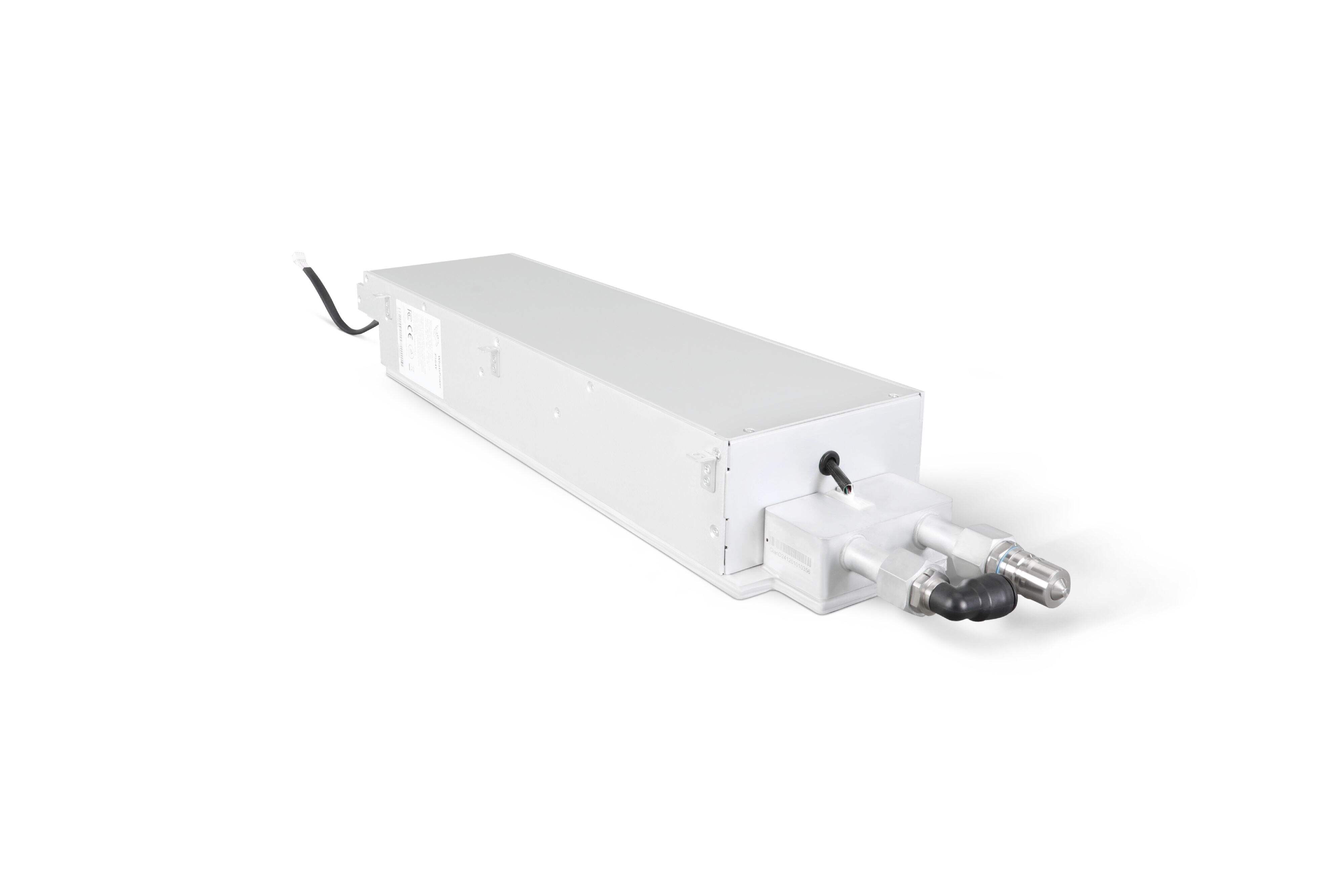
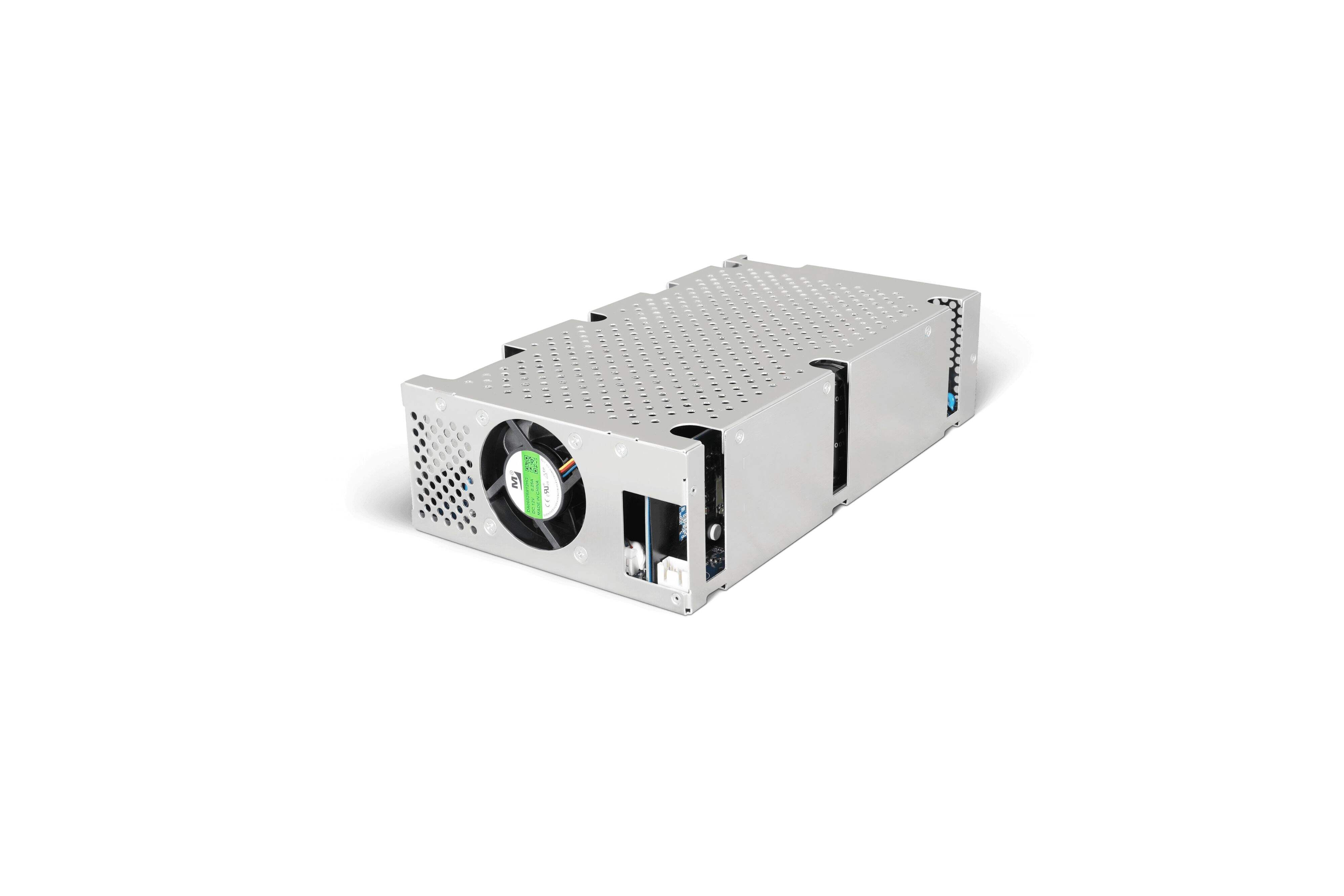
A high power density DC DC converter represents a sophisticated electronic device engineered to transform direct current voltage from one level to another while maintaining exceptional efficiency within a remarkably compact form factor. This advanced power conversion technology serves as the backbone for numerous modern electronic systems, delivering reliable voltage regulation and power management across diverse applications. The primary function of a high power density DC DC converter involves accepting input voltage and converting it to a different output voltage level, whether stepping up, stepping down, or inverting the polarity. These converters utilize advanced switching topologies, high-frequency operation, and cutting-edge magnetic components to achieve superior power density ratios compared to traditional linear regulators. The technological features of high power density DC DC converters include sophisticated control algorithms, enhanced thermal management systems, and optimized circuit designs that minimize component size while maximizing performance. Modern units incorporate advanced semiconductor technologies such as gallium nitride and silicon carbide devices, enabling higher switching frequencies and improved efficiency ratings. These converters typically feature integrated protection circuits including overcurrent protection, thermal shutdown, and input/output voltage monitoring to ensure safe operation under various conditions. The applications for high power density DC DC converters span across telecommunications infrastructure, automotive electronics, renewable energy systems, data centers, medical equipment, and portable electronic devices. In telecommunications, these converters power base stations and network equipment where space constraints demand compact solutions. Automotive applications include electric vehicle charging systems, hybrid powertrains, and advanced driver assistance systems. Data centers rely on these converters for efficient server power supplies and backup power systems, while medical devices benefit from their reliable performance in critical healthcare applications.

 EN
EN