most efficient dc dc converter
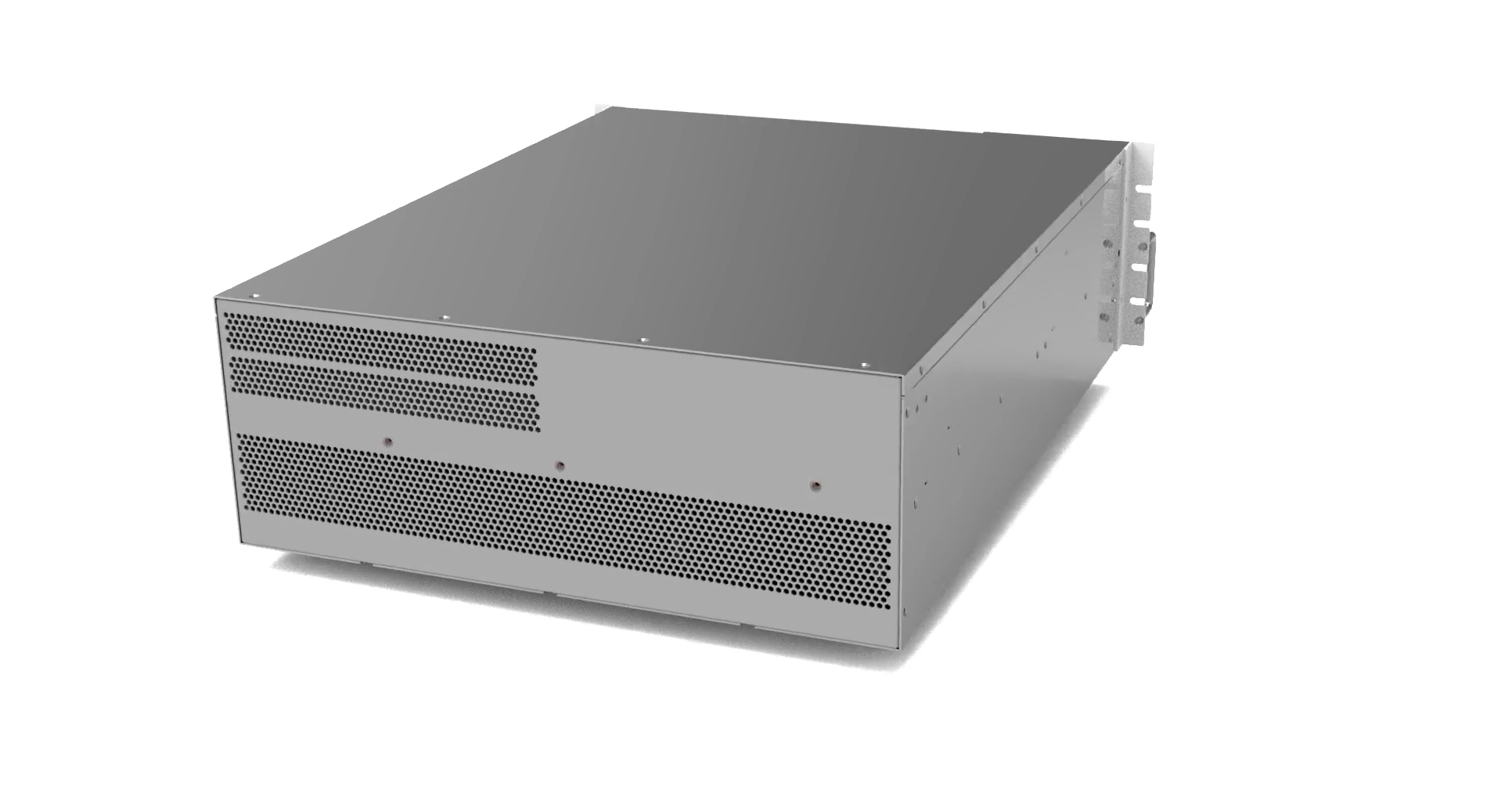
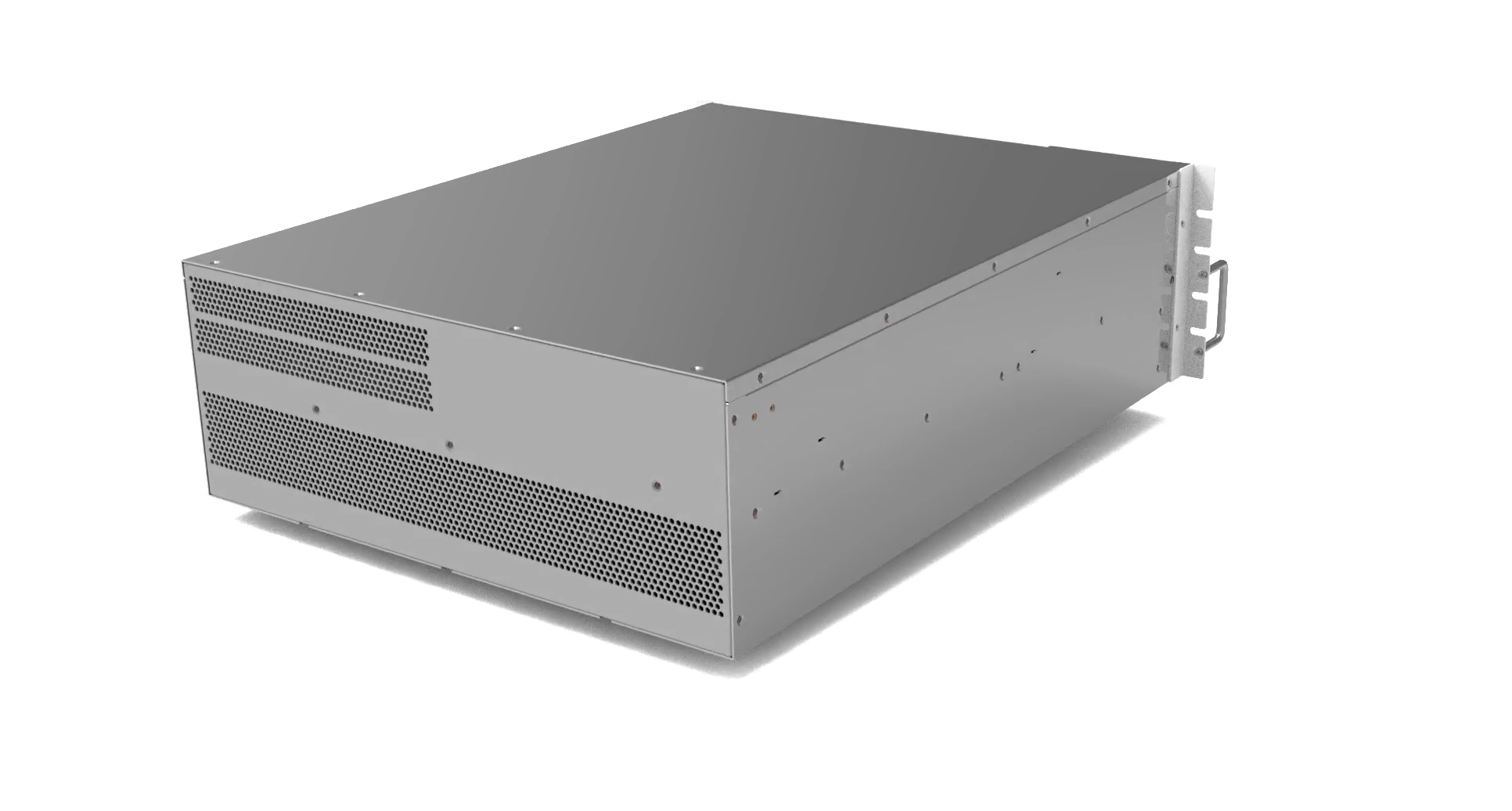
The most efficient dc dc converter represents a revolutionary advancement in power management technology, delivering exceptional energy conversion performance that significantly outpaces traditional power supply solutions. These sophisticated electronic devices transform direct current voltage from one level to another with minimal energy loss, achieving efficiency ratings that frequently exceed 95 percent under optimal operating conditions. Modern implementations of the most efficient dc dc converter utilize cutting-edge switching topologies, advanced semiconductor materials, and intelligent control algorithms to maximize power transfer while minimizing thermal dissipation. The primary function involves voltage regulation and power conditioning, enabling electronic systems to operate reliably across diverse input voltage ranges. Key technological features include high-frequency switching operation, typically ranging from 100 kHz to several megahertz, which allows for compact component sizing and reduced electromagnetic interference. Advanced synchronous rectification techniques replace traditional diode-based rectification, substantially reducing conduction losses and improving overall system efficiency. The most efficient dc dc converter incorporates sophisticated feedback control mechanisms that maintain tight output voltage regulation despite varying load conditions and input voltage fluctuations. Digital control architectures enable real-time optimization of switching parameters, adaptive dead-time control, and comprehensive fault protection features. Applications span numerous industries including telecommunications infrastructure, automotive systems, renewable energy installations, industrial automation equipment, and consumer electronics. In telecommunications, these converters power base stations and networking equipment where reliability and efficiency directly impact operational costs. Automotive applications include electric vehicle charging systems, hybrid powertrains, and advanced driver assistance systems. Renewable energy systems rely heavily on efficient power conversion for solar inverters, wind turbine controllers, and battery management systems. Industrial automation benefits from precise voltage regulation for motor drives, programmable logic controllers, and sensor networks. The integration of wide bandgap semiconductors such as gallium nitride and silicon carbide enables higher switching frequencies, reduced switching losses, and improved thermal performance compared to conventional silicon-based designs.

 EN
EN