Modular PSU Guide: Benefits, Features & Performance Advantages for Custom PC Builds

All Categories

Get a Free Quote

Our representative will contact you soon.
Email
Name
Company Name
Message
0/1000

modular psu

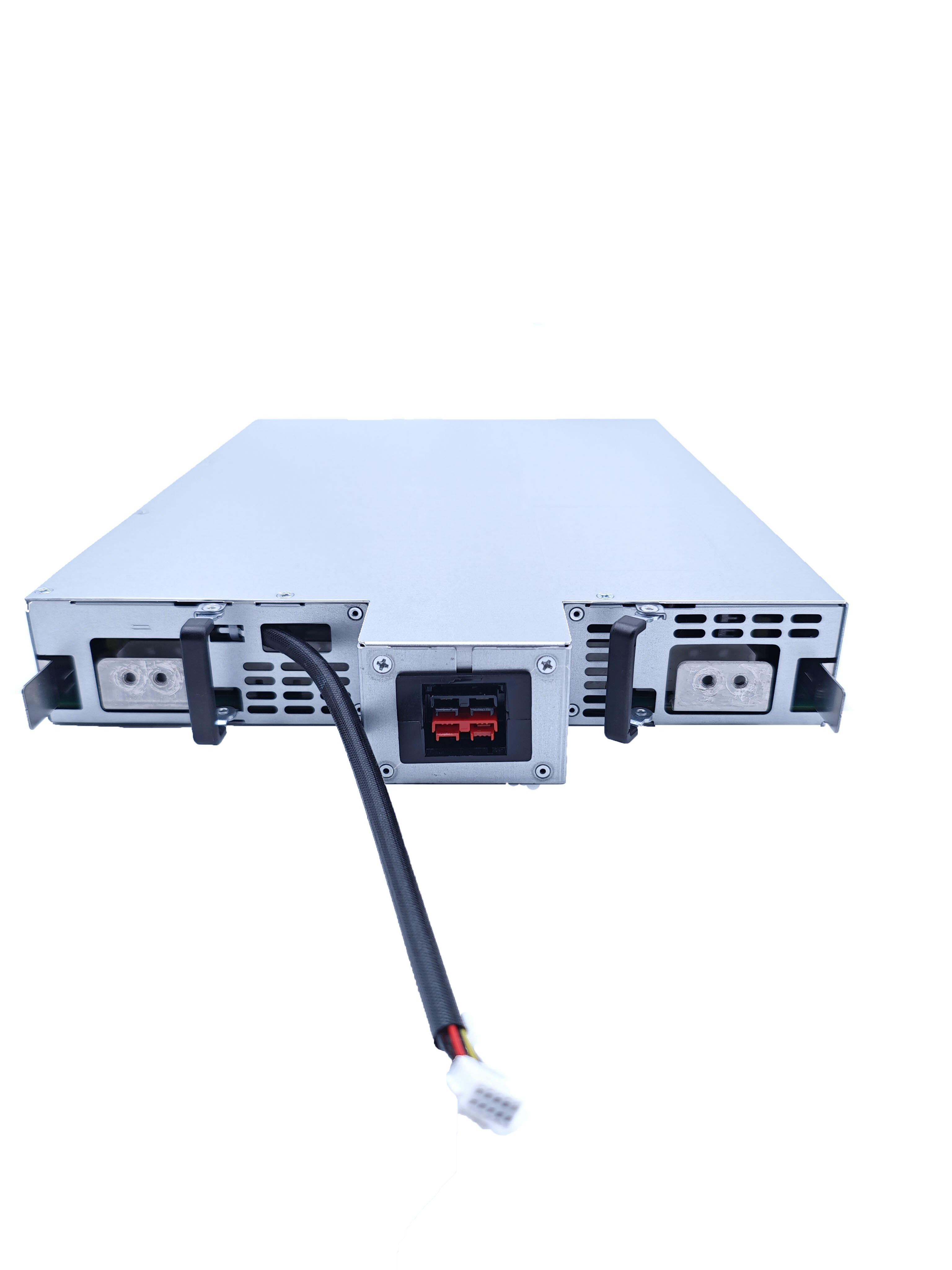
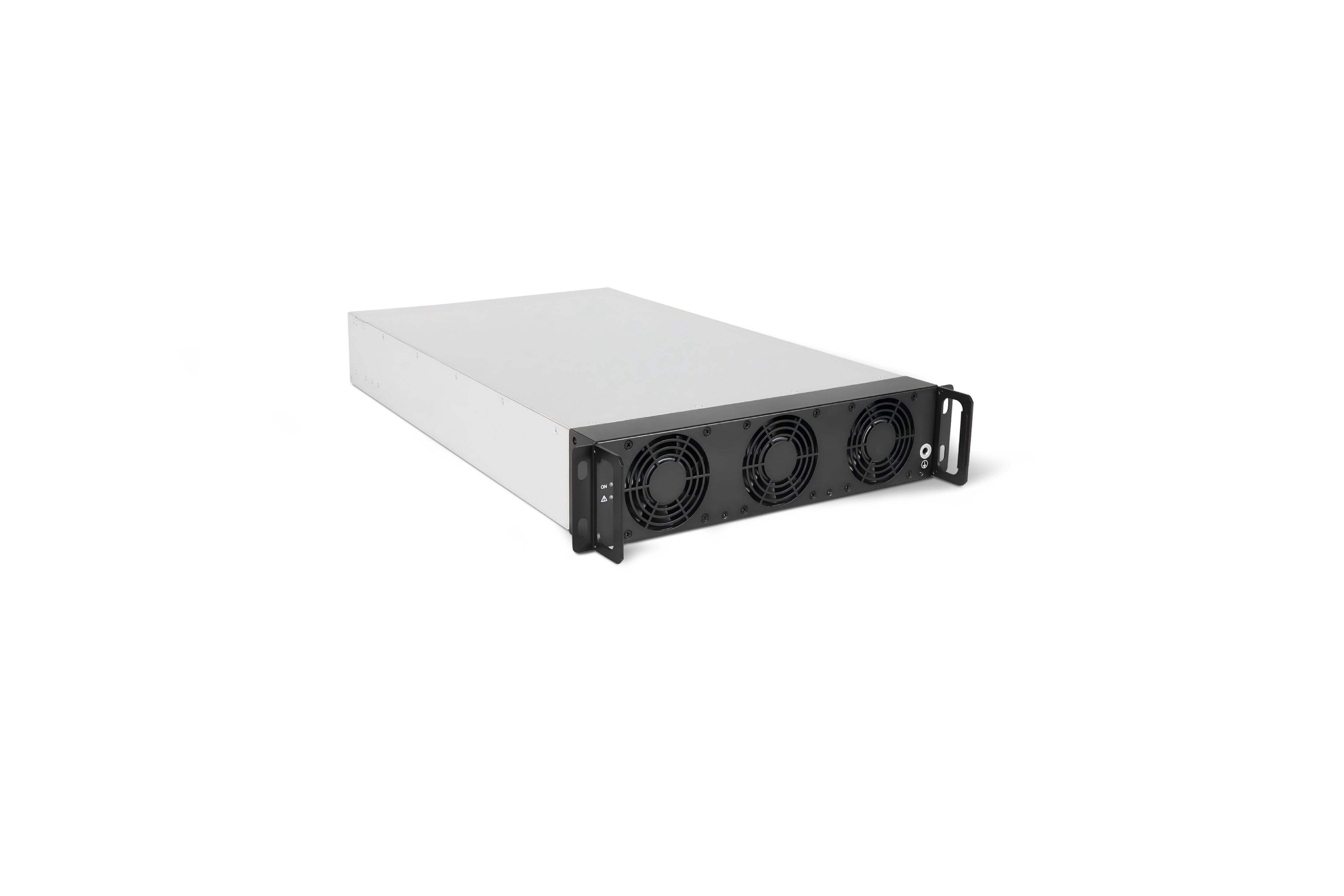
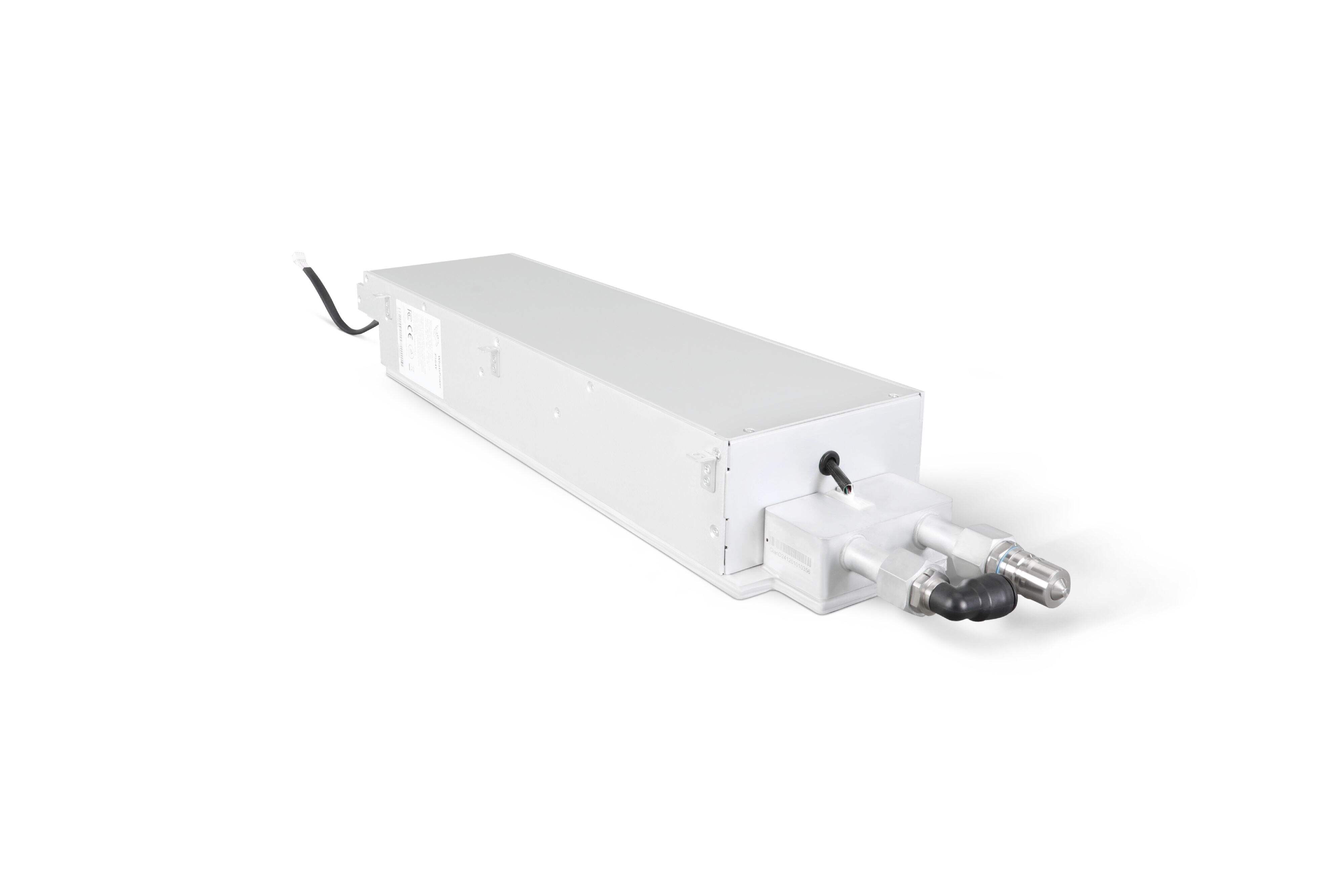
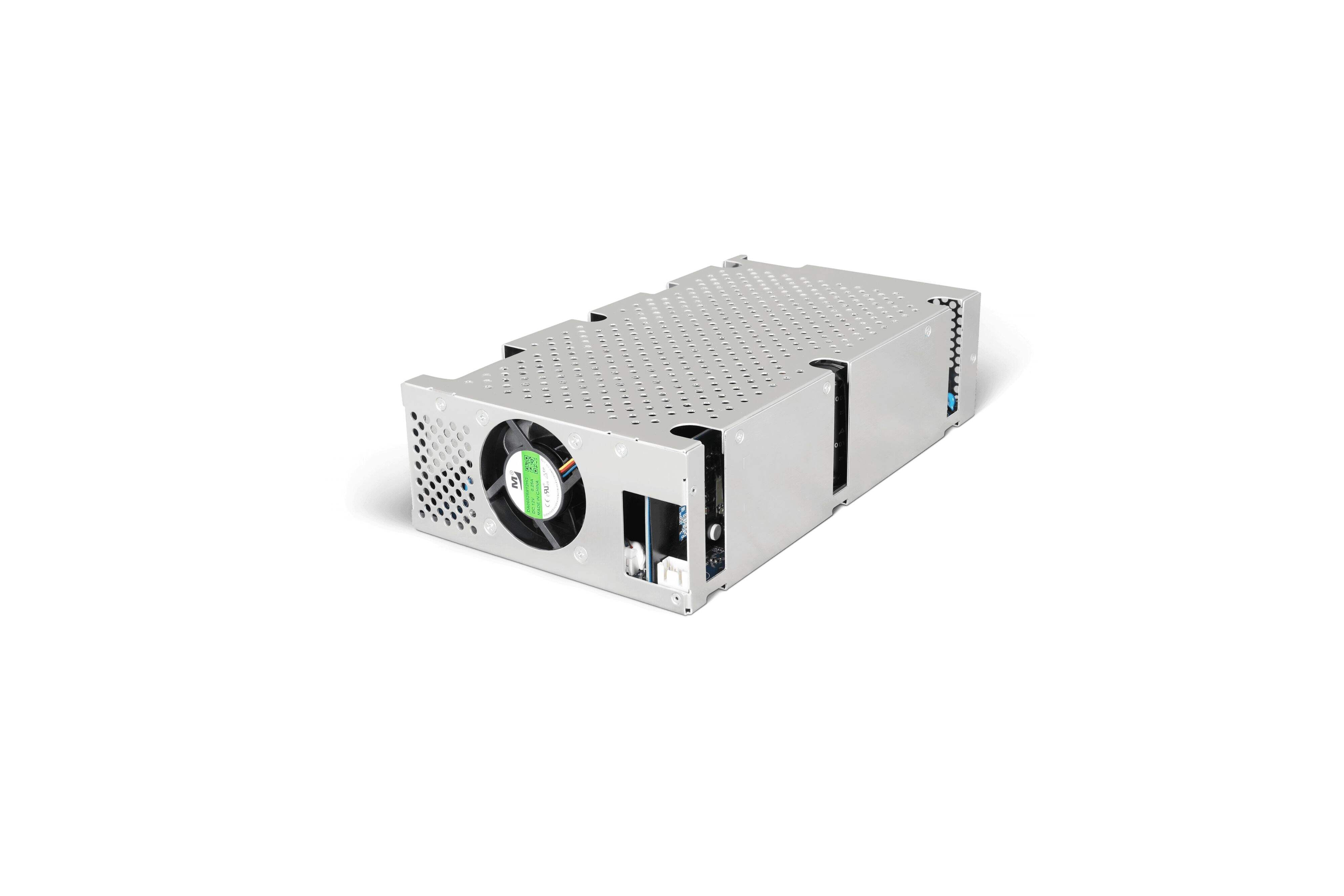
A modular PSU represents a revolutionary approach to power supply design that transforms how computer enthusiasts and professionals manage their system builds. Unlike traditional power supplies with permanently attached cables, a modular PSU features detachable cables that connect to the main unit through standardized ports. This innovative design allows users to connect only the cables they actually need for their specific configuration, eliminating unnecessary wiring that would otherwise clutter the system case. The modular PSU operates on the same fundamental principles as conventional power supplies, converting alternating current from wall outlets into the direct current required by computer components. However, its modular architecture provides unprecedented flexibility in cable management and system optimization. The main unit houses all essential components including transformers, capacitors, and cooling systems, while maintaining separate connection points for various cable types. These connection points typically include 24-pin motherboard connectors, 8-pin CPU power cables, PCIe graphics card connectors, SATA power cables for storage devices, and Molex connectors for legacy components. The technological features of a modular PSU extend beyond simple cable detachment. Modern units incorporate advanced switching technologies, active power factor correction, and sophisticated voltage regulation circuits that ensure stable power delivery across all connected components. Many modular PSU units feature 80 PLUS certification ratings, indicating high energy efficiency that reduces electricity consumption and heat generation. The applications for modular PSU systems span from gaming rigs and workstations to servers and custom builds where space optimization and thermal management are critical factors. Professional system builders particularly value modular PSU designs for their ability to create clean, organized builds that facilitate maintenance and upgrades while improving overall system aesthetics and functionality.


New Product Recommendations

The primary advantage of choosing a modular PSU lies in its exceptional cable management capabilities that dramatically improve system organization and airflow. Users can select precisely which cables to install, leaving unused connections disconnected rather than bundled awkwardly inside the case. This selective approach reduces cable clutter by up to seventy percent compared to non-modular alternatives, creating cleaner build aesthetics and improving component accessibility during maintenance or upgrades. Enhanced airflow represents another significant benefit, as fewer cables mean less obstruction to cooling fans and natural air circulation patterns within the system case. Improved cooling efficiency directly translates to lower component temperatures, extended hardware lifespan, and reduced fan noise levels during operation. The modular PSU design also simplifies the building process for both novice and experienced builders. Installation becomes more manageable when you can attach cables after positioning the power supply unit, eliminating the need to thread multiple thick cable bundles through tight case openings simultaneously. This approach reduces installation time and minimizes the risk of damaging delicate components during assembly. Maintenance and troubleshooting become significantly easier with modular PSU systems. Technicians can disconnect specific cable sets without disturbing the entire power supply installation, making component replacements and upgrades more efficient. The ability to replace individual cables also provides cost savings when cables become damaged, as users can purchase replacement cables rather than replacing the entire power supply unit. Future-proofing represents another compelling advantage, as modular PSU designs allow users to adapt their power delivery setup as system requirements evolve. Adding new graphics cards, storage devices, or other components becomes straightforward when you can simply connect additional cables rather than potentially replacing the entire power supply. Energy efficiency improvements result from the cleaner internal environment and better thermal management that modular PSU installations provide. Reduced cable clutter allows cooling systems to operate more effectively, maintaining optimal operating temperatures that preserve component efficiency and reduce overall power consumption throughout the system lifecycle.

Tips And Tricks

A Power Station That Doesn’t Generate Electricity — Yet Moves 120 Million kWh a Year

18

Dec

A Power Station That Doesn’t Generate Electricity — Yet Moves 120 Million kWh a Year

View More
BOCO Electronics Brings Hengyang Intelligent Manufacturing Base Online, Expanding Annual Production Beyond One Million Units

18

Dec

BOCO Electronics Brings Hengyang Intelligent Manufacturing Base Online, Expanding Annual Production Beyond One Million Units

View More
BOCO Electronics Demonstrates System-Level Power Conversion Innovation at SNEC 2025

18

Dec

BOCO Electronics Demonstrates System-Level Power Conversion Innovation at SNEC 2025

View More

Get a Free Quote

Our representative will contact you soon.
Email
Name
Company Name
Message
0/1000

modular psu

Superior Cable Management and System Organization

Superior Cable Management and System Organization

The cable management capabilities of a modular PSU represent perhaps its most transformative feature, fundamentally changing how builders approach system organization and internal aesthetics. Traditional power supplies force users to accommodate every possible cable connection, regardless of whether they need all those cables for their specific build configuration. This results in thick bundles of unused cables that must be secured somewhere within the case, often creating unsightly cable masses that obstruct components and impede airflow patterns. A modular PSU eliminates this problem entirely by allowing users to connect only the exact cables required for their particular system configuration. This precision approach means a basic gaming build might use only four or five cable connections, while a high-end workstation could utilize the full range of available connectors. The result is a dramatically cleaner internal environment where every visible cable serves a specific purpose. Beyond aesthetics, this improved organization provides practical benefits that enhance system performance and maintenance efficiency. Reduced cable density allows cooling fans to operate more effectively, as airflow patterns remain unobstructed by unnecessary wiring. Component access becomes significantly easier when cables don't create barriers around motherboard connectors, expansion slots, or storage device mounting points. The organizational benefits extend to troubleshooting scenarios, where technicians can easily identify and trace specific power connections without navigating through complex cable bundles. This clarity reduces diagnostic time and minimizes the risk of accidentally disconnecting critical components during maintenance procedures. Professional system builders particularly appreciate how modular PSU designs enable them to create showcase-quality builds where cable routing becomes an aesthetic element rather than a necessary evil that must be hidden or managed awkwardly.
Enhanced System Performance Through Improved Airflow

Enhanced System Performance Through Improved Airflow

The airflow improvements enabled by modular PSU installations deliver measurable performance benefits that extend far beyond simple temperature reductions. When cables don't obstruct natural air circulation patterns within the system case, cooling fans can operate at their designed efficiency levels, moving air more effectively across critical components like processors, graphics cards, and memory modules. This improved thermal environment allows components to maintain their optimal performance states for longer periods, reducing thermal throttling that can impact system responsiveness and processing capabilities. The relationship between cable management and thermal performance becomes particularly important in high-performance gaming and workstation environments where components generate substantial heat loads. A modular PSU installation can reduce internal case temperatures by several degrees compared to heavily cabled non-modular alternatives, creating thermal headroom that allows for more aggressive performance tuning and overclocking potential. These temperature reductions also contribute to system stability by preventing heat-related crashes and component degradation that can occur when thermal limits are repeatedly approached or exceeded. Fan noise reduction represents another significant performance benefit of improved airflow enabled by modular PSU designs. When cooling fans don't need to work as hard to maintain acceptable temperatures, they can operate at lower speeds while still providing adequate cooling capacity. This results in quieter system operation that enhances user experience, particularly important for content creators, streamers, or anyone who requires low-noise computing environments. The long-term performance benefits include extended component lifespan through reduced thermal stress, more consistent performance levels throughout extended use sessions, and improved system reliability that reduces downtime and maintenance requirements over the system's operational lifetime.
Flexibility and Future-Proofing for Evolving System Requirements

Flexibility and Future-Proofing for Evolving System Requirements

The adaptability offered by modular PSU systems provides exceptional value for users who anticipate changing their system configurations over time or who build systems that must accommodate evolving requirements. Unlike traditional power supplies that lock users into a fixed cable configuration, modular PSU designs allow for seamless adaptation as new components are added, replaced, or removed from the system. This flexibility proves invaluable when upgrading graphics cards that require different power connector types, adding multiple storage devices that need additional SATA power connections, or incorporating new technologies that demand specific power delivery configurations. The future-proofing aspects of modular PSU systems extend to emerging hardware standards and connection types. As new component technologies develop and require different power delivery methods, users can often accommodate these changes by purchasing new cable sets rather than replacing the entire power supply unit. This approach provides significant cost savings over the system's lifetime while ensuring compatibility with evolving hardware standards. The flexibility benefits become particularly apparent in professional environments where system requirements may change based on project needs or workflow modifications. Content creators might need to add capture cards, additional storage arrays, or specialized processing hardware that requires specific power connections. A modular PSU allows for these modifications without requiring complete system rebuilds or power supply replacements. Custom cable options represent another dimension of flexibility, as enthusiasts can purchase specialized cables that match specific aesthetic themes or provide optimized routing for particular case designs. This customization capability allows builders to create truly personalized systems that reflect individual preferences while maintaining optimal functionality. The investment protection provided by modular PSU flexibility ensures that users can continue utilizing their power supply investment across multiple system generations, adapting the cable configuration as needed while maintaining reliable power delivery performance throughout various hardware evolution cycles.

Get a Free Quote

Our representative will contact you soon.
Email
Name
Company Name
Message
0/1000