High-Efficiency Power Supply Solutions: Advanced Energy Conversion Technology for Optimal Performance

All Categories

Get a Free Quote

Our representative will contact you soon.
Email
Name
Company Name
Message
0/1000

high-efficiency power supply

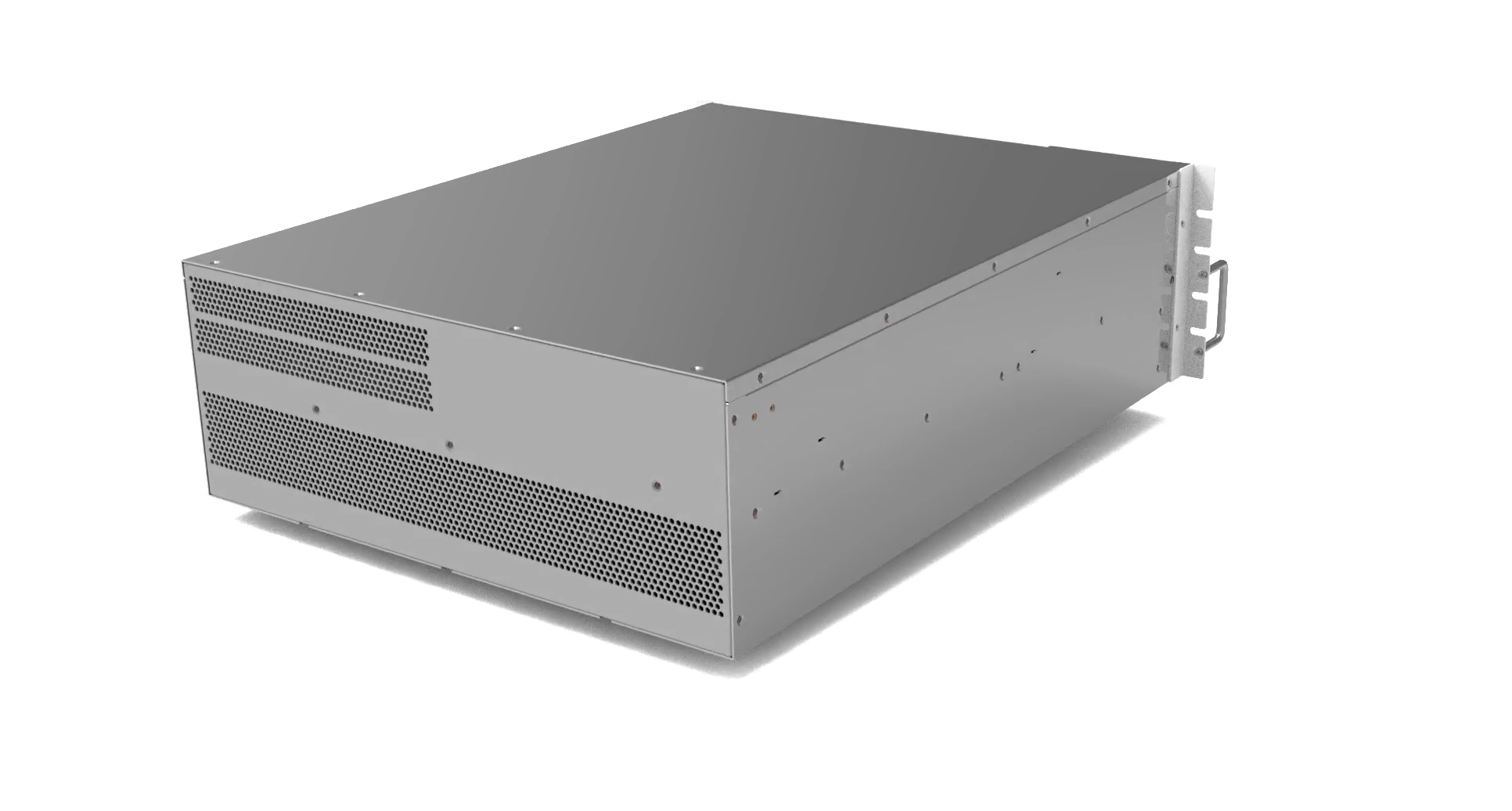
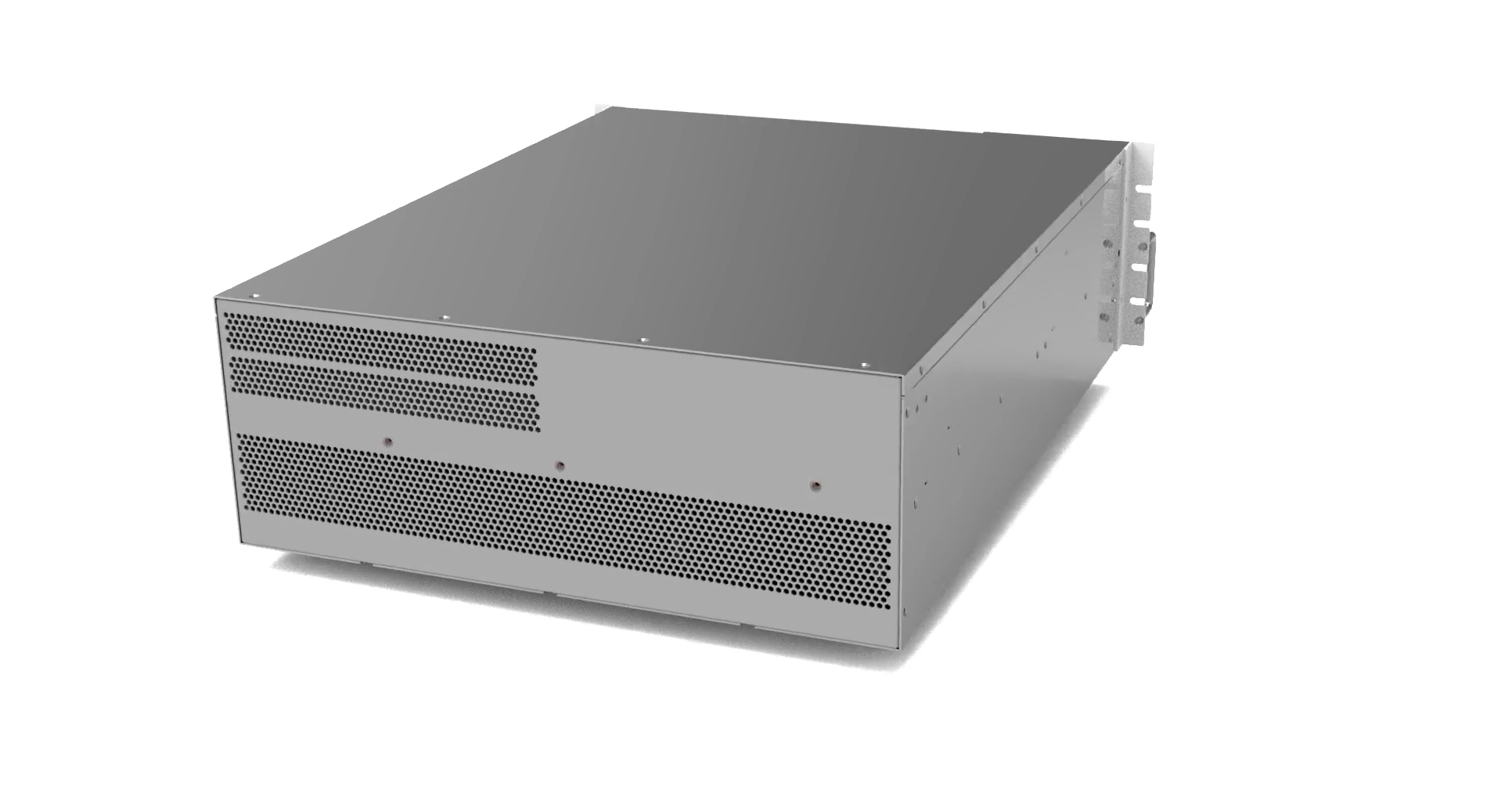
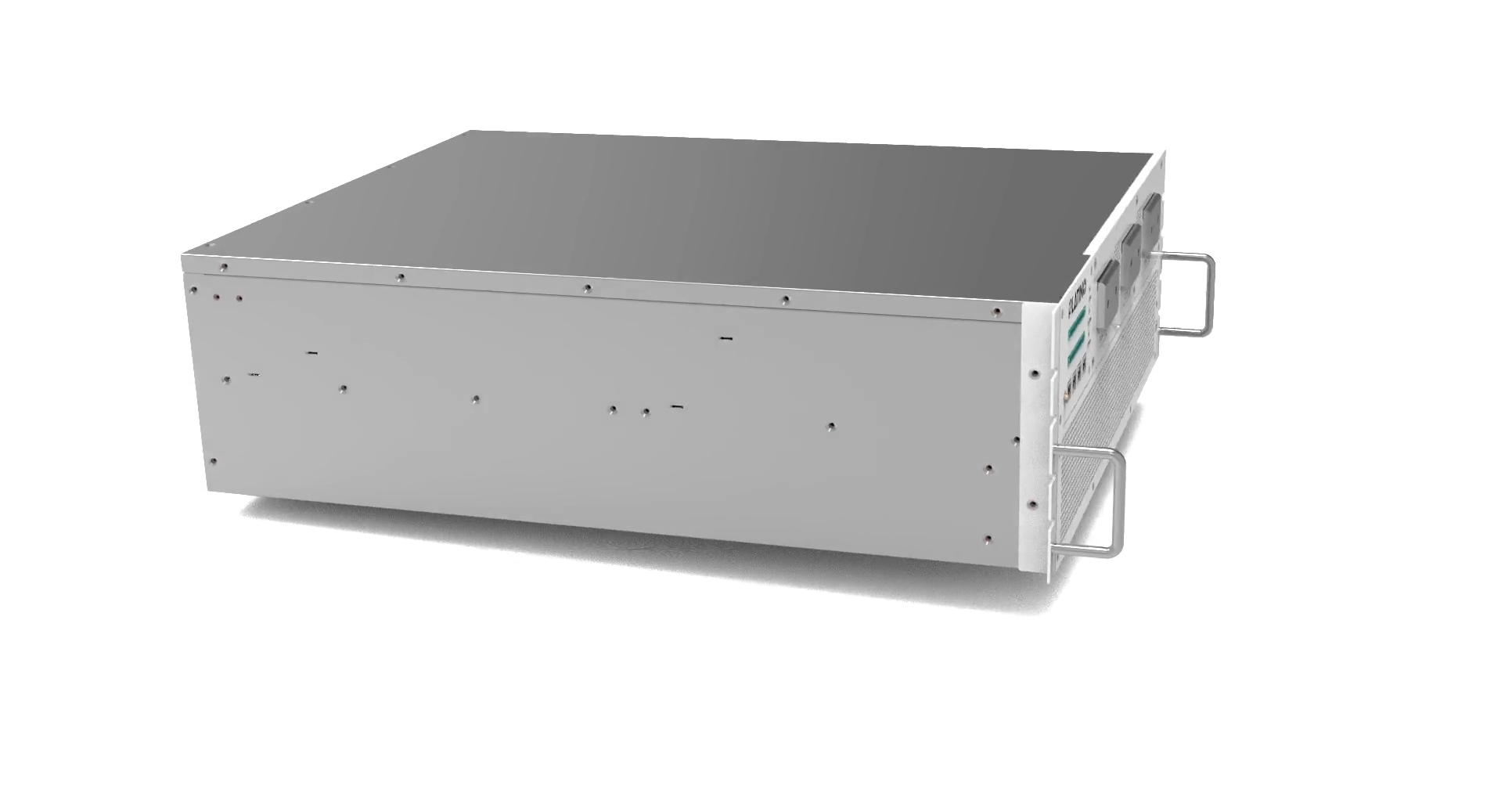
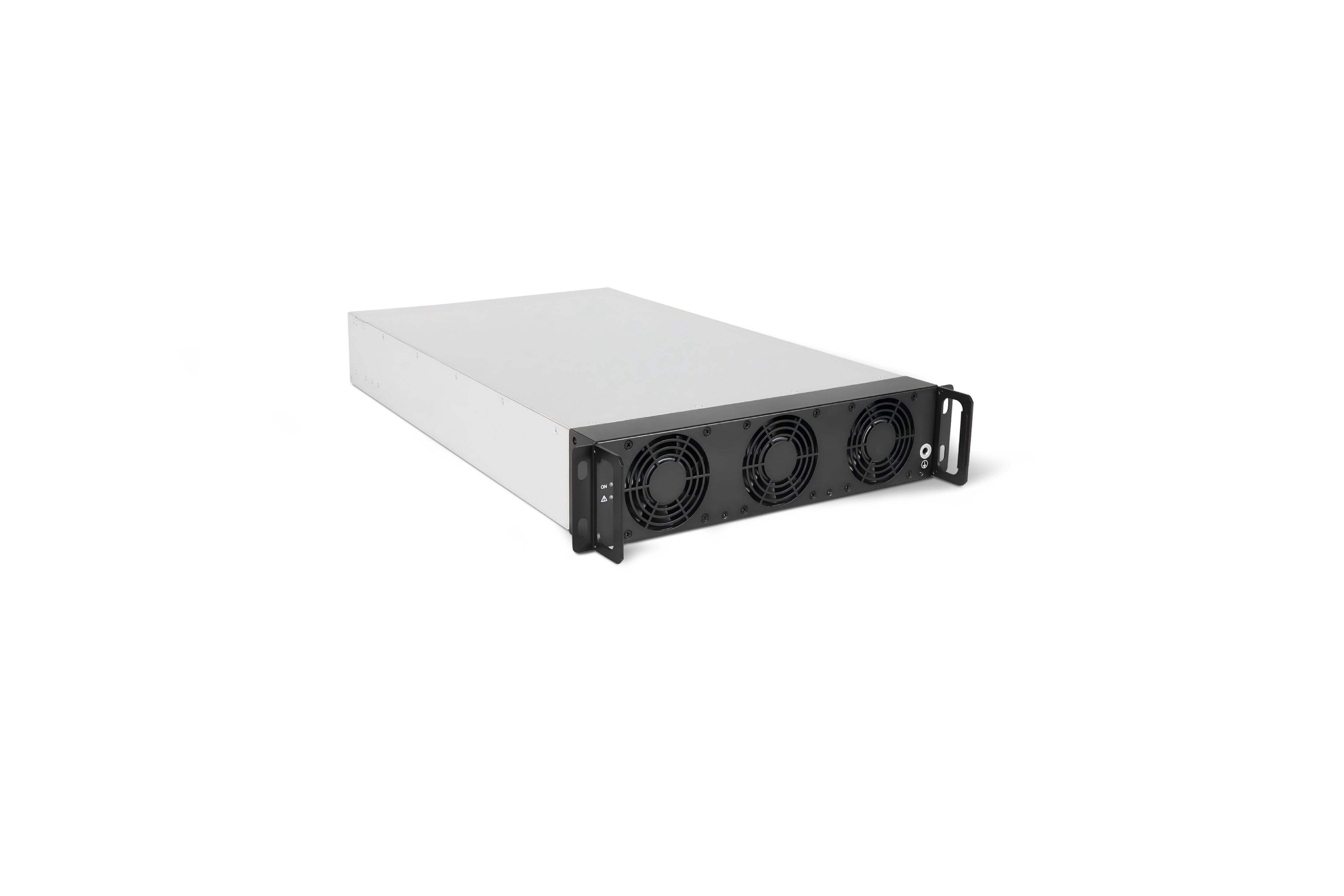
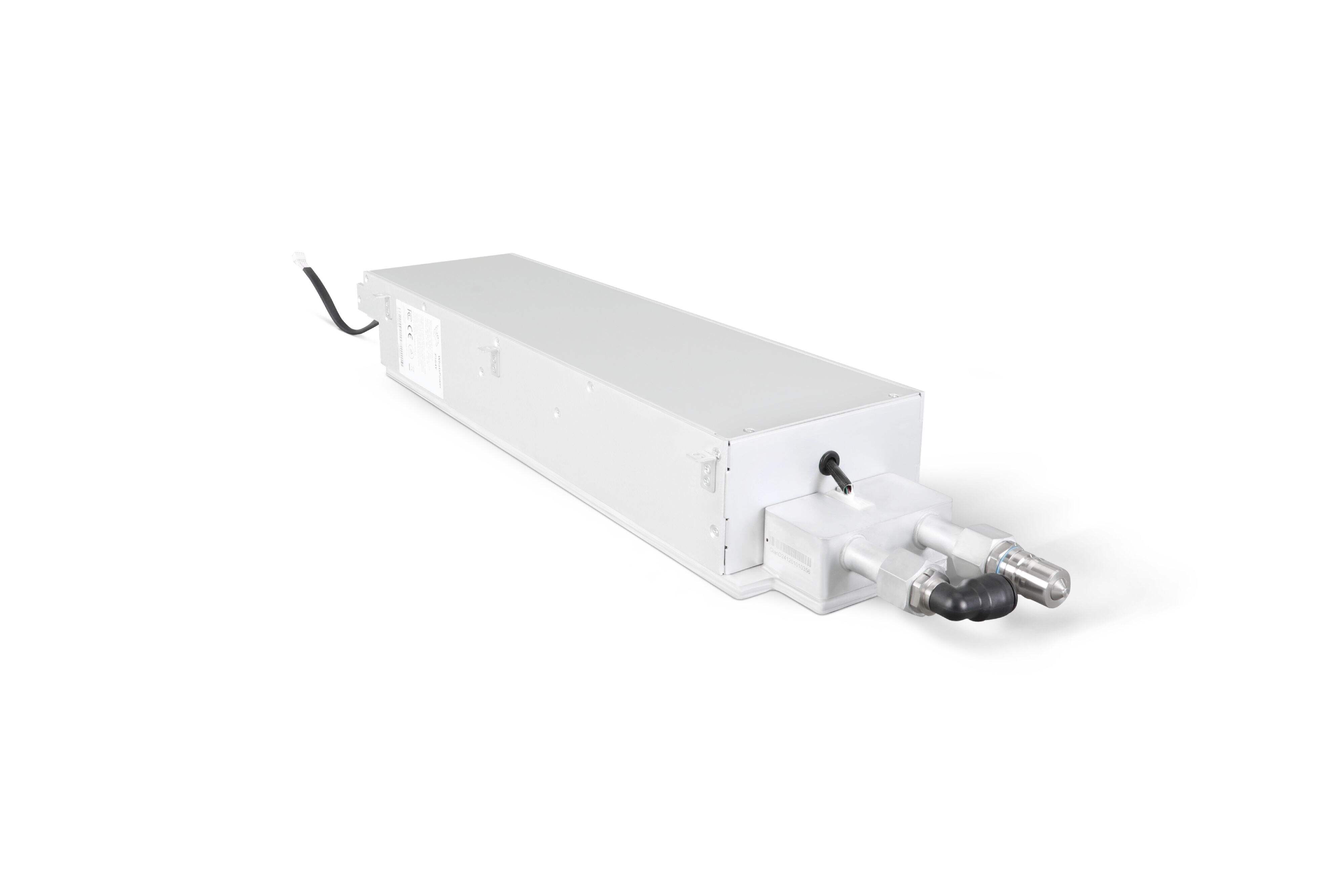
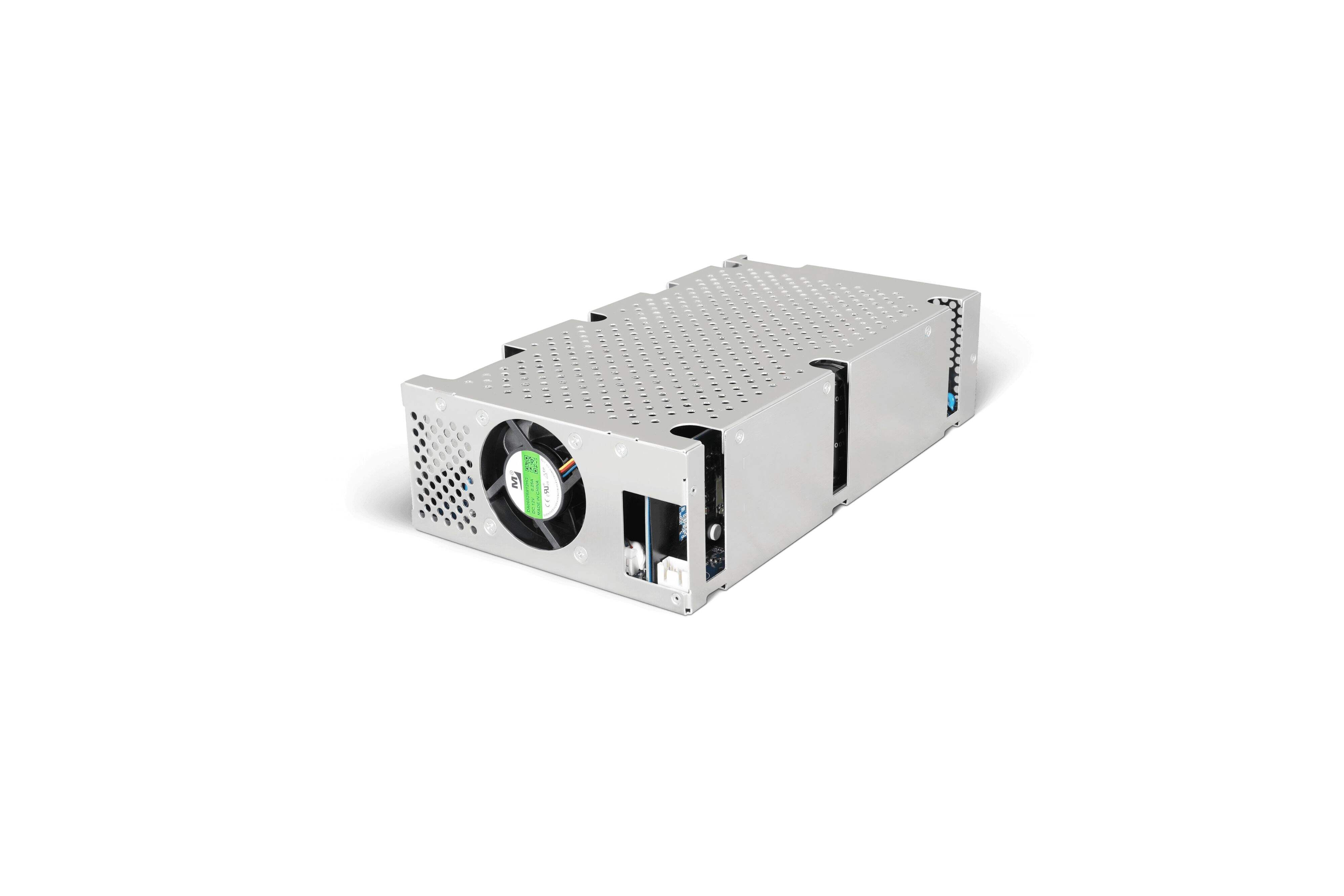
A high-efficiency power supply represents a crucial technological advancement in electrical engineering, designed to maximize energy conversion while minimizing waste heat and power loss. These sophisticated devices serve as the backbone of modern electronic systems, converting alternating current from wall outlets into direct current that powers computers, servers, industrial equipment, and consumer electronics. The primary function of a high-efficiency power supply centers on delivering stable, clean electrical power with conversion rates exceeding 90 percent, significantly outperforming traditional power supplies that typically operate at 70-80 percent efficiency. The technological features of these advanced power supplies include active power factor correction circuits, synchronous rectification technology, and intelligent thermal management systems. Active power factor correction ensures optimal utilization of incoming electrical power by maintaining the voltage and current waveforms in phase, reducing harmonic distortion and improving overall system performance. Synchronous rectification replaces traditional diodes with MOSFETs, dramatically reducing conduction losses and heat generation during the power conversion process. Modern high-efficiency power supply units incorporate digital signal processing capabilities, enabling real-time monitoring of voltage, current, and temperature parameters. This intelligent monitoring allows for dynamic adjustment of operating parameters to maintain peak efficiency across varying load conditions. Applications for high-efficiency power supply technology span numerous industries, from data centers requiring massive power infrastructure to portable devices demanding extended battery life. In telecommunications, these power supplies ensure reliable operation of critical communication equipment while reducing operational costs through lower energy consumption. Manufacturing facilities benefit from reduced electrical overhead and improved process reliability. Gaming systems, workstations, and high-performance computing applications leverage high-efficiency power supply technology to support demanding processing requirements while maintaining thermal stability and reducing noise levels through decreased cooling requirements.

New Product Releases

High-efficiency power supply technology delivers substantial cost savings through reduced electricity consumption, translating directly to lower monthly utility bills for both residential and commercial users. Organizations operating multiple systems can expect significant reductions in operational expenses, with energy savings often reaching 20-30 percent compared to standard power supplies. These financial benefits compound over time, making high-efficiency power supply investments pay for themselves within months of deployment. Environmental impact reduction stands as another compelling advantage, as high-efficiency power supply units consume less electricity from the grid, resulting in decreased carbon emissions and reduced strain on power generation infrastructure. This environmental consciousness aligns with corporate sustainability initiatives and regulatory compliance requirements increasingly important in modern business operations. Thermal management improvements represent a critical practical benefit, as high-efficiency power supply technology generates substantially less waste heat during operation. Reduced heat output means lower cooling requirements, decreased fan noise, and extended component lifespan throughout connected systems. Computer users experience quieter operation, while data center operators achieve significant cooling cost reductions and improved server reliability. System reliability increases dramatically with high-efficiency power supply implementation, as cleaner power delivery reduces stress on connected components and minimizes voltage fluctuations that can damage sensitive electronics. The stable power output protects valuable equipment investments and reduces maintenance costs associated with component failures. Space efficiency gains emerge from compact designs enabled by reduced cooling requirements and advanced circuit topologies. Smaller power supply footprints allow for more flexible system designs and increased component density in space-constrained applications. Performance consistency across varying load conditions ensures optimal operation whether systems operate at minimum or maximum capacity. This adaptability proves particularly valuable in applications with fluctuating power demands, such as gaming systems or workstations handling variable computational loads. Installation simplicity and compatibility with existing infrastructure make high-efficiency power supply adoption straightforward, requiring minimal system modifications while delivering immediate benefits. The technology integrates seamlessly with both legacy and modern equipment, providing upgrade paths without extensive system overhauls.

Tips And Tricks

A Power Station That Doesn’t Generate Electricity — Yet Moves 120 Million kWh a Year

18

Dec

A Power Station That Doesn’t Generate Electricity — Yet Moves 120 Million kWh a Year

View More
BOCO Electronics Brings Hengyang Intelligent Manufacturing Base Online, Expanding Annual Production Beyond One Million Units

18

Dec

BOCO Electronics Brings Hengyang Intelligent Manufacturing Base Online, Expanding Annual Production Beyond One Million Units

View More
BOCO Electronics Demonstrates System-Level Power Conversion Innovation at SNEC 2025

18

Dec

BOCO Electronics Demonstrates System-Level Power Conversion Innovation at SNEC 2025

View More

Get a Free Quote

Our representative will contact you soon.
Email
Name
Company Name
Message
0/1000

high-efficiency power supply

Advanced Energy Conversion Technology

Advanced Energy Conversion Technology

The cornerstone of high-efficiency power supply technology lies in its sophisticated energy conversion methodology, which fundamentally transforms how electrical power gets processed and delivered to connected devices. Traditional power supplies rely on linear regulation and basic switching circuits that waste significant energy as heat, typically achieving conversion efficiencies between 70-80 percent. In contrast, advanced high-efficiency power supply units employ cutting-edge switching topologies, including resonant converters, synchronous rectification, and advanced magnetic designs that push conversion efficiency beyond 94 percent in many applications. This technological leap represents more than incremental improvement; it constitutes a paradigm shift in power management philosophy. The synchronous rectification technology replaces conventional silicon diodes with carefully controlled MOSFETs, eliminating the forward voltage drop that traditionally causes substantial power loss. This innovation alone can improve efficiency by 5-8 percentage points, translating to meaningful reductions in heat generation and energy waste. Advanced magnetic core materials and optimized transformer designs further enhance performance by reducing core losses and improving power density. Digital control systems monitor real-time operating conditions and dynamically adjust switching frequencies, dead times, and other critical parameters to maintain peak efficiency across the entire load range. This intelligent adaptation ensures that high-efficiency power supply units maintain superior performance whether operating at 20 percent or 100 percent of rated capacity. The practical implications extend far beyond simple energy savings, encompassing improved system reliability, reduced cooling requirements, and enhanced performance consistency. Users benefit from lower operating temperatures, quieter operation due to reduced cooling fan requirements, and extended component lifespan resulting from decreased thermal stress. The advanced energy conversion technology embedded in modern high-efficiency power supply designs represents a mature, proven solution that delivers immediate and long-term value across diverse applications, from personal computers to industrial automation systems.
Intelligent Power Management and Monitoring

Intelligent Power Management and Monitoring

Modern high-efficiency power supply systems incorporate sophisticated intelligent power management capabilities that revolutionize how electrical systems monitor, control, and optimize power delivery in real-time applications. These advanced monitoring systems utilize digital signal processors and embedded microcontrollers to continuously analyze voltage stability, current flow, temperature variations, and load conditions with precision measurements updated thousands of times per second. The intelligent power management functionality extends beyond basic monitoring to include predictive analytics, fault detection, and automated optimization algorithms that adjust operating parameters dynamically based on changing system requirements. This comprehensive approach enables high-efficiency power supply units to maintain optimal performance while protecting connected equipment from voltage spikes, overcurrent conditions, and thermal overload situations. The monitoring capabilities provide detailed telemetry data through digital interfaces, allowing system administrators to track power consumption patterns, identify efficiency opportunities, and schedule preventive maintenance before potential failures occur. Advanced power factor correction algorithms automatically adjust the input current waveform to minimize reactive power consumption and reduce harmonic distortion, ensuring compliance with international power quality standards while maximizing energy utilization efficiency. Temperature management systems continuously monitor internal component temperatures and adjust cooling fan speeds or switching frequencies to maintain optimal operating conditions without compromising performance or reliability. The intelligent power management features include programmable output voltage regulation, allowing users to fine-tune power delivery characteristics for specific applications or component requirements. Remote monitoring capabilities enable centralized management of multiple high-efficiency power supply units across distributed installations, providing comprehensive visibility into power infrastructure performance and enabling proactive maintenance strategies. These intelligent systems learn from operating patterns and environmental conditions, continuously refining their algorithms to improve efficiency and reliability over time. The practical benefits include reduced downtime, improved system reliability, enhanced energy efficiency, and simplified maintenance procedures that collectively deliver superior value and performance compared to traditional power supply solutions.
Versatile Application Compatibility and Scalability

Versatile Application Compatibility and Scalability

The versatile application compatibility of high-efficiency power supply technology enables seamless integration across an extensive range of electronic systems, from compact consumer devices to large-scale industrial installations, making these power solutions universally applicable regardless of specific implementation requirements. This remarkable adaptability stems from carefully engineered design philosophies that prioritize modular architectures, standardized interfaces, and scalable power delivery capabilities that accommodate diverse voltage, current, and form factor specifications. High-efficiency power supply units feature multiple output rails with independent regulation, supporting complex systems requiring different voltage levels simultaneously while maintaining isolation and stability across all outputs. The scalability extends from micro-power applications consuming mere watts to high-power installations demanding kilowatts of capacity, with efficiency ratings remaining consistently high across the entire power spectrum. Modular designs enable parallel operation of multiple high-efficiency power supply units, providing redundancy for critical applications while allowing incremental capacity expansion as system requirements grow. This scalability proves invaluable for data centers, telecommunications facilities, and manufacturing operations where power requirements evolve over time. Form factor versatility accommodates space-constrained applications through compact designs, while also supporting standard industry configurations including ATX, SFX, and custom mechanical specifications. The compatibility extends to input power requirements, with universal input voltage ranges supporting global deployment without modification, accepting input voltages from 85-264 VAC while maintaining consistent performance characteristics. Advanced high-efficiency power supply designs incorporate multiple protection mechanisms including overvoltage, undervoltage, overcurrent, and thermal protection that adapt automatically to different application requirements without manual configuration. Communication interfaces support industry-standard protocols including I2C, PMBus, and RS-485, enabling integration with existing monitoring and control systems regardless of manufacturer or vintage. The versatile compatibility encompasses both legacy system upgrades and new installations, providing migration paths that preserve existing investments while delivering immediate efficiency improvements. Environmental adaptability allows operation across wide temperature ranges and humidity conditions, supporting deployment in challenging industrial environments, outdoor installations, and climate-controlled facilities with equal reliability and performance consistency.


Get a Free Quote

Our representative will contact you soon.
Email
Name
Company Name
Message
0/1000