PSU Liquid Cooling Systems: Advanced Thermal Management Solutions for High-Performance Computing

All Categories

Get a Free Quote

Our representative will contact you soon.
Email
Name
Company Name
Message
0/1000

psu liquid cooling

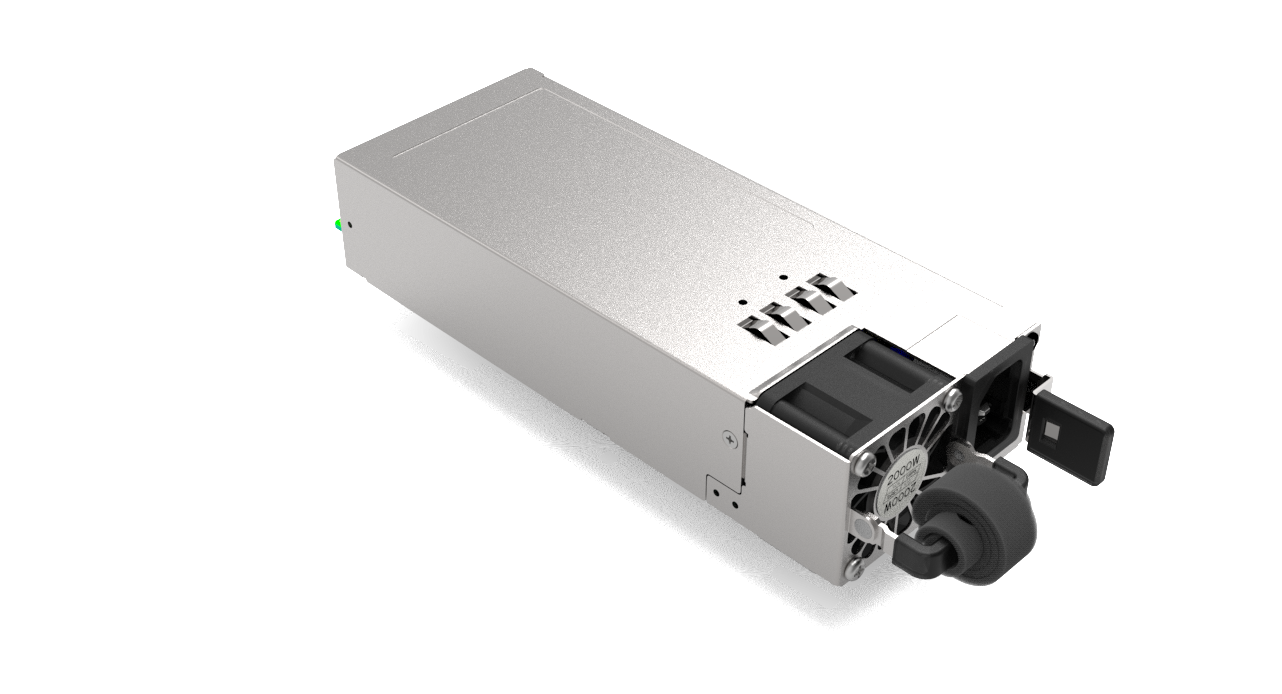
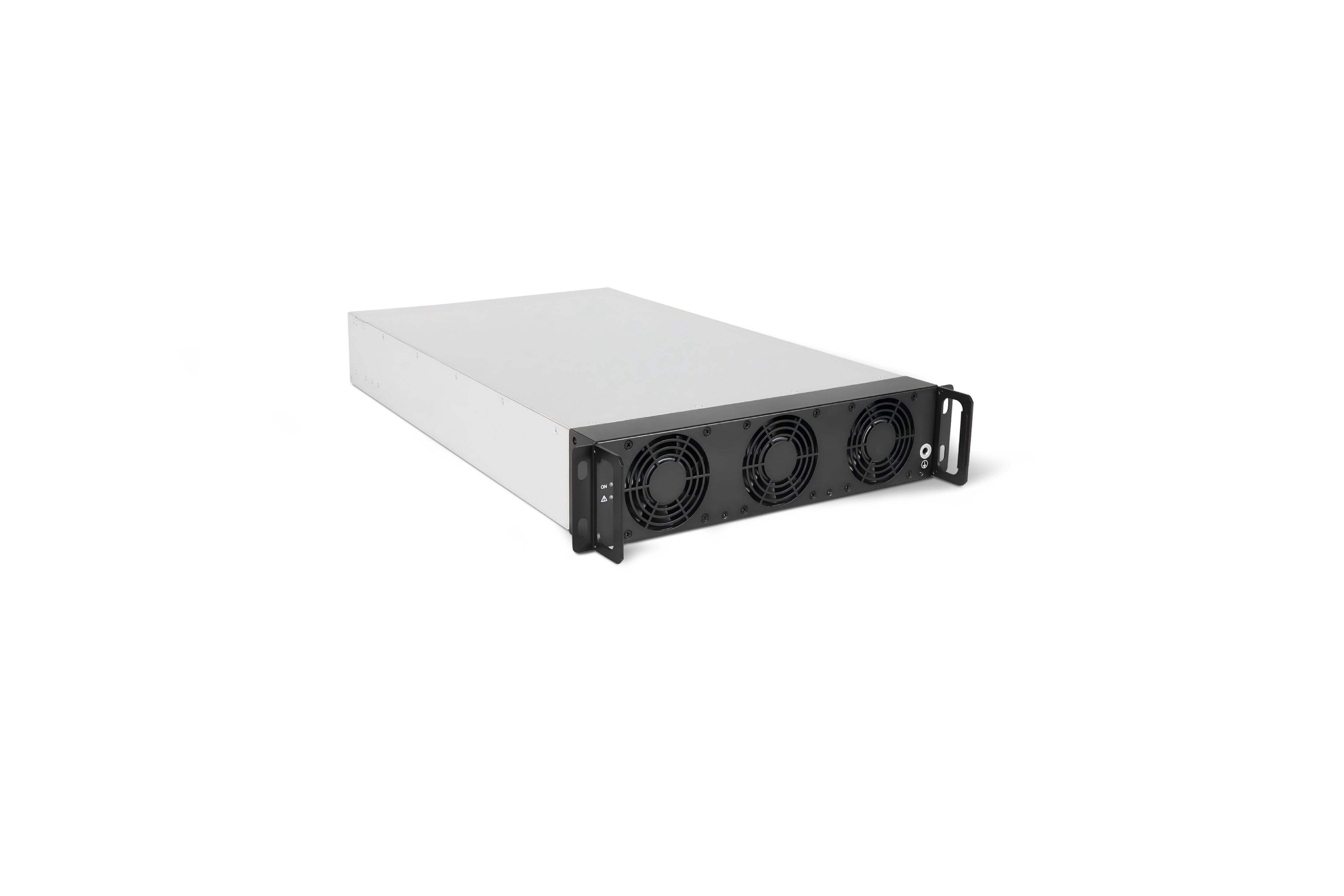
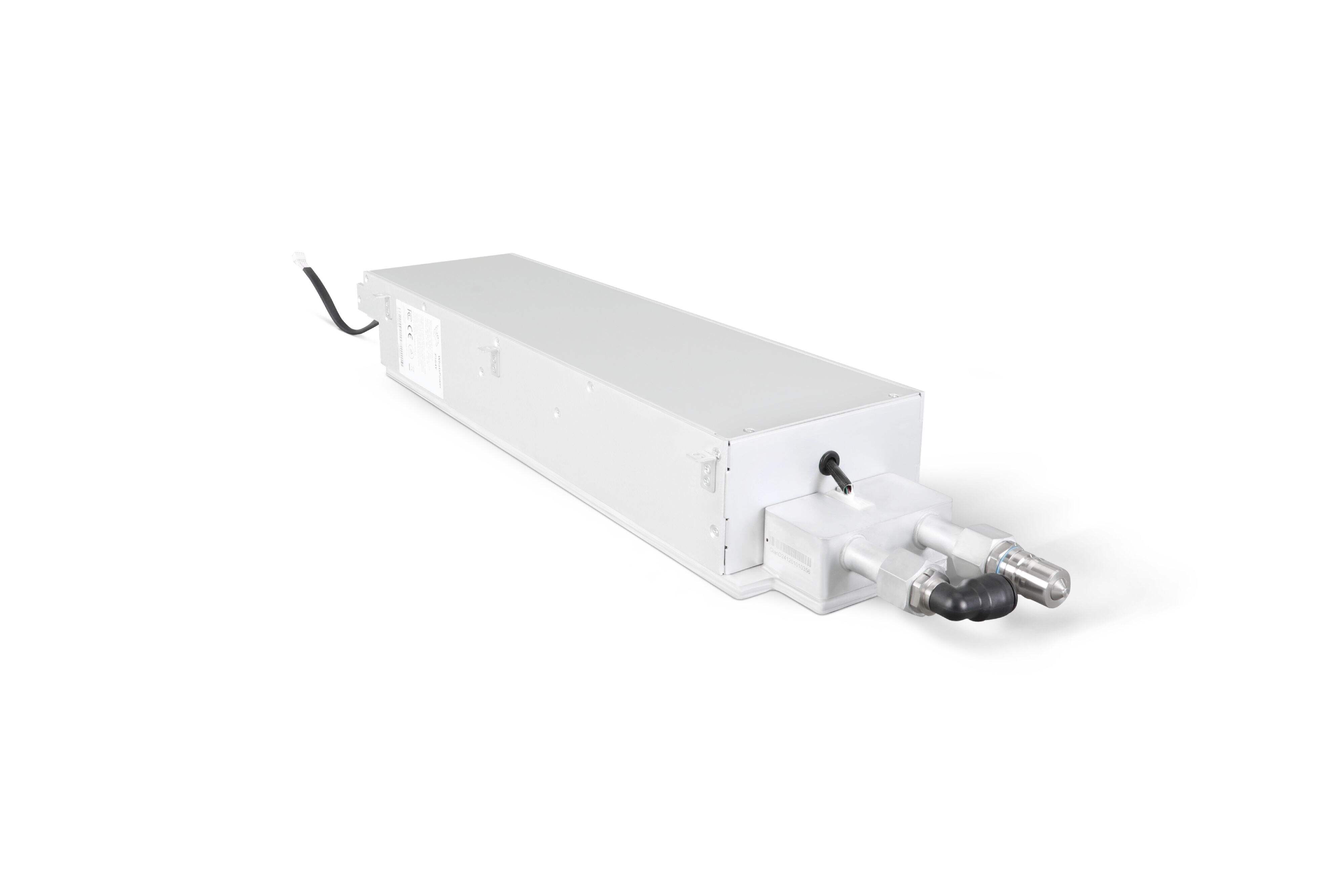
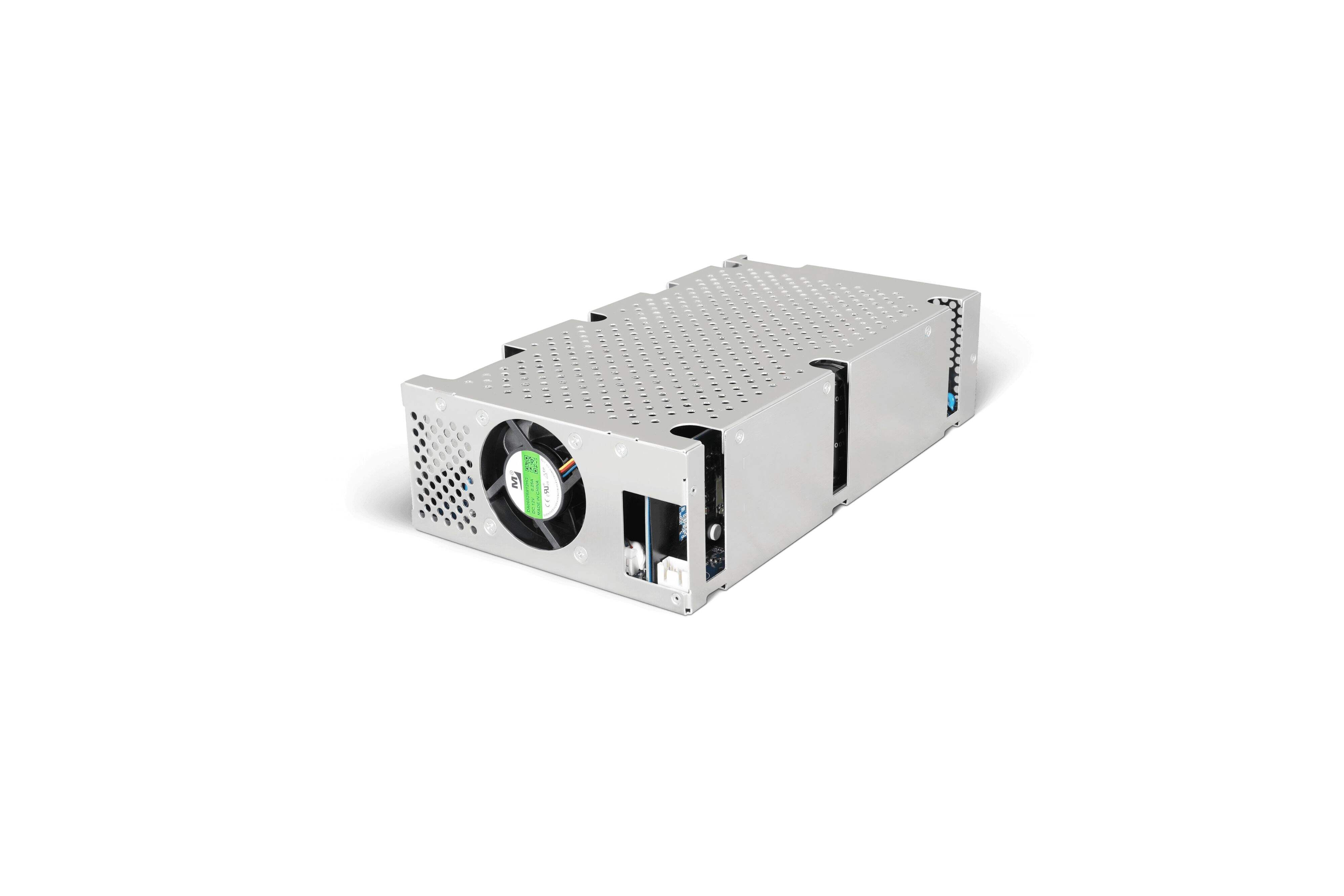
PSU liquid cooling represents a revolutionary advancement in power supply thermal management technology that addresses the growing demands of high-performance computing systems. This innovative cooling solution utilizes liquid coolant circulation to maintain optimal operating temperatures for power supply units, ensuring consistent performance and extended component lifespan. The core functionality of psu liquid cooling centers around a closed-loop system that transfers heat away from critical components through specialized cooling blocks, radiators, and circulation pumps. Unlike traditional air cooling methods that rely solely on fans and heat sinks, psu liquid cooling creates a more efficient thermal dissipation pathway that can handle significantly higher power loads. The technological foundation involves precision-engineered cooling blocks that make direct contact with heat-generating components within the power supply unit, while a dedicated pump circulates coolant through a continuous loop. This coolant absorbs thermal energy and carries it to external radiators where fans dissipate the heat into the surrounding environment. Modern psu liquid cooling systems incorporate advanced features such as temperature monitoring sensors, variable pump speeds, and leak detection mechanisms that ensure safe and reliable operation. The applications span across diverse computing environments, from high-end gaming systems and workstations to data centers and cryptocurrency mining operations. Professional content creators, engineers, and enthusiasts particularly benefit from psu liquid cooling when running demanding applications that generate substantial heat loads. The technology proves especially valuable in compact builds where traditional cooling solutions face space constraints, allowing for more efficient thermal management in smaller form factors. Additionally, psu liquid cooling supports overclocking scenarios where increased power delivery generates additional heat that standard cooling methods cannot effectively manage. The integration of smart controls and monitoring capabilities enables users to optimize cooling performance while maintaining energy efficiency, making psu liquid cooling an essential component for modern high-performance computing applications.

New Product Releases

PSU liquid cooling delivers exceptional thermal performance that significantly surpasses conventional air cooling solutions, providing users with measurable benefits in system stability and longevity. The enhanced heat dissipation capability allows power supply units to operate at lower temperatures, which directly translates to improved electrical efficiency and reduced component stress. Users experience more consistent power delivery even under demanding workloads, as psu liquid cooling prevents thermal throttling that commonly occurs with air-cooled systems. The superior cooling efficiency enables higher power density configurations, allowing builders to utilize more powerful components within the same space constraints. This advantage proves particularly valuable for enthusiasts and professionals who require maximum performance from compact systems or need to maintain quiet operation environments. The reduced operating temperatures achieved through psu liquid cooling extend component lifespan significantly, protecting the substantial investment users make in high-end power supply units. Lower temperatures reduce electrolytic capacitor degradation, improve semiconductor junction reliability, and minimize thermal cycling stress on solder joints and circuit board materials. Users benefit from decreased maintenance requirements and longer replacement intervals, ultimately reducing total cost of ownership. The improved thermal management enables more aggressive power delivery profiles, supporting overclocking scenarios and high-performance computing applications that demand exceptional electrical stability. PSU liquid cooling systems operate more quietly than equivalent air cooling solutions, as they eliminate the need for high-speed fans that generate significant noise levels. The distributed heat dissipation through radiators allows for larger, slower-rotating fans that move equivalent air volumes while producing substantially less acoustic output. This quiet operation benefit extends to improved user experience during extended work sessions, gaming, or content creation activities. The enhanced cooling capacity provides greater headroom for future system upgrades, ensuring that users can expand their computing power without encountering thermal limitations. Professional users particularly appreciate how psu liquid cooling maintains consistent performance during extended rendering, calculation, or processing tasks that would otherwise cause traditional systems to throttle performance due to thermal constraints. The technology also supports more efficient energy usage patterns, as cooler operating temperatures improve power conversion efficiency and reduce waste heat generation throughout the entire system.

Latest News

A Power Station That Doesn’t Generate Electricity — Yet Moves 120 Million kWh a Year

18

Dec

A Power Station That Doesn’t Generate Electricity — Yet Moves 120 Million kWh a Year

View More
BOCO Electronics Brings Hengyang Intelligent Manufacturing Base Online, Expanding Annual Production Beyond One Million Units

18

Dec

BOCO Electronics Brings Hengyang Intelligent Manufacturing Base Online, Expanding Annual Production Beyond One Million Units

View More
BOCO Electronics Demonstrates System-Level Power Conversion Innovation at SNEC 2025

18

Dec

BOCO Electronics Demonstrates System-Level Power Conversion Innovation at SNEC 2025

View More

Get a Free Quote

Our representative will contact you soon.
Email
Name
Company Name
Message
0/1000

psu liquid cooling

Superior Thermal Management Technology

Superior Thermal Management Technology

PSU liquid cooling employs cutting-edge thermal management technology that revolutionizes how power supply units handle heat dissipation, delivering performance levels previously unattainable with conventional cooling methods. The sophisticated engineering behind psu liquid cooling systems incorporates precision-machined cooling blocks that establish optimal thermal contact with heat-generating components, ensuring maximum heat transfer efficiency from source to cooling medium. These cooling blocks utilize advanced materials such as copper or aluminum alloys with enhanced thermal conductivity properties, while specialized mounting mechanisms guarantee consistent pressure distribution across contact surfaces. The liquid coolant itself represents a technological advancement, featuring formulated mixtures that optimize thermal capacity, corrosion resistance, and long-term stability within the cooling loop. Modern psu liquid cooling systems integrate intelligent pump controllers that automatically adjust circulation rates based on thermal load conditions, maximizing cooling efficiency while minimizing power consumption and noise generation. The radiator design incorporates high-density fin arrays that maximize surface area exposure for heat dissipation, while strategically positioned fans create optimal airflow patterns across cooling surfaces. Temperature monitoring sensors throughout the psu liquid cooling system provide real-time feedback that enables dynamic performance adjustments, ensuring components remain within safe operating parameters regardless of workload fluctuations. This comprehensive thermal management approach prevents hot spots that commonly develop in air-cooled systems, where uneven temperature distribution can lead to premature component failure or performance degradation. Users benefit from consistent power delivery characteristics that remain stable across varying ambient temperatures and system loads, providing the reliability essential for critical computing applications. The thermal management technology extends beyond immediate cooling benefits, as lower operating temperatures improve the electrical characteristics of power components, reducing resistance losses and improving overall system efficiency throughout extended operation periods.
Enhanced System Reliability and Performance

Enhanced System Reliability and Performance

PSU liquid cooling dramatically enhances system reliability and performance by maintaining optimal operating conditions that prevent thermal-induced failures and performance degradation commonly associated with traditional cooling approaches. The consistent temperature control achieved through psu liquid cooling ensures that power supply components operate within their designed thermal specifications, preventing the gradual degradation that occurs when components repeatedly cycle through temperature extremes. This thermal stability directly translates to improved electrical performance characteristics, as semiconductor devices exhibit more predictable behavior when maintained at consistent temperatures, resulting in cleaner power delivery with reduced ripple and noise. The enhanced reliability extends to critical components such as electrolytic capacitors, which experience significantly extended service life when protected from excessive heat exposure that accelerates electrolyte evaporation and dielectric breakdown. Users benefit from reduced system downtime and maintenance requirements, as psu liquid cooling prevents many common failure modes associated with thermal stress and overheating conditions. The performance advantages become particularly apparent during sustained high-load operations, where traditional cooling systems often struggle to maintain adequate thermal dissipation, leading to thermal throttling and reduced system performance. PSU liquid cooling enables consistent full-power operation even during extended gaming sessions, rendering tasks, or computational workloads that would otherwise force conventional systems to reduce performance to prevent overheating. The improved thermal management also supports more aggressive power delivery profiles, allowing users to fully utilize high-performance components without encountering thermal limitations that restrict system capabilities. Professional users particularly value how psu liquid cooling maintains consistent performance characteristics during mission-critical applications where system reliability directly impacts productivity and project outcomes. The enhanced reliability extends to improved electromagnetic compatibility, as cooler operating temperatures reduce thermal noise and improve signal integrity throughout the power delivery network, resulting in cleaner system operation and reduced interference with sensitive components.
Future-Proof Investment and Expandability

Future-Proof Investment and Expandability

PSU liquid cooling represents a future-proof investment that provides exceptional expandability and upgrade potential, ensuring users can adapt their systems to evolving performance requirements without encountering thermal limitations that constrain system growth. The robust cooling capacity delivered by psu liquid cooling systems creates substantial thermal headroom that accommodates future component upgrades, higher power consumption profiles, and emerging technologies that demand increased electrical capacity. This expandability advantage proves particularly valuable as computing components continue advancing toward higher performance levels that generate correspondingly increased heat output, where traditional cooling solutions quickly reach their thermal management limits. Users benefit from the ability to upgrade processors, graphics cards, and other high-performance components without needing to simultaneously replace their cooling infrastructure, protecting their investment in psu liquid cooling technology. The modular nature of advanced psu liquid cooling systems allows for capacity expansion through additional radiators, upgraded pumps, or enhanced cooling blocks that can be integrated into existing installations as requirements evolve. This scalability ensures that initial investments in psu liquid cooling technology continue providing value as system requirements grow, rather than becoming obsolete when performance demands increase. The future-proof design considerations incorporated into modern psu liquid cooling systems anticipate emerging technologies such as higher-efficiency power components, advanced semiconductor materials, and next-generation computing architectures that will benefit from superior thermal management capabilities. Professional users particularly appreciate how psu liquid cooling investments support long-term system evolution without requiring complete cooling system replacement, enabling gradual upgrades that spread costs across extended timeframes while maintaining optimal performance throughout the upgrade process. The expandability extends to supporting multiple cooling zones within complex systems, where different components may require specialized thermal management approaches that can be integrated into comprehensive psu liquid cooling solutions. This flexibility ensures that users can adapt their cooling infrastructure to support specialized applications, emerging workloads, or unique system configurations that develop as technology continues advancing toward higher performance and efficiency standards.


Get a Free Quote

Our representative will contact you soon.
Email
Name
Company Name
Message
0/1000