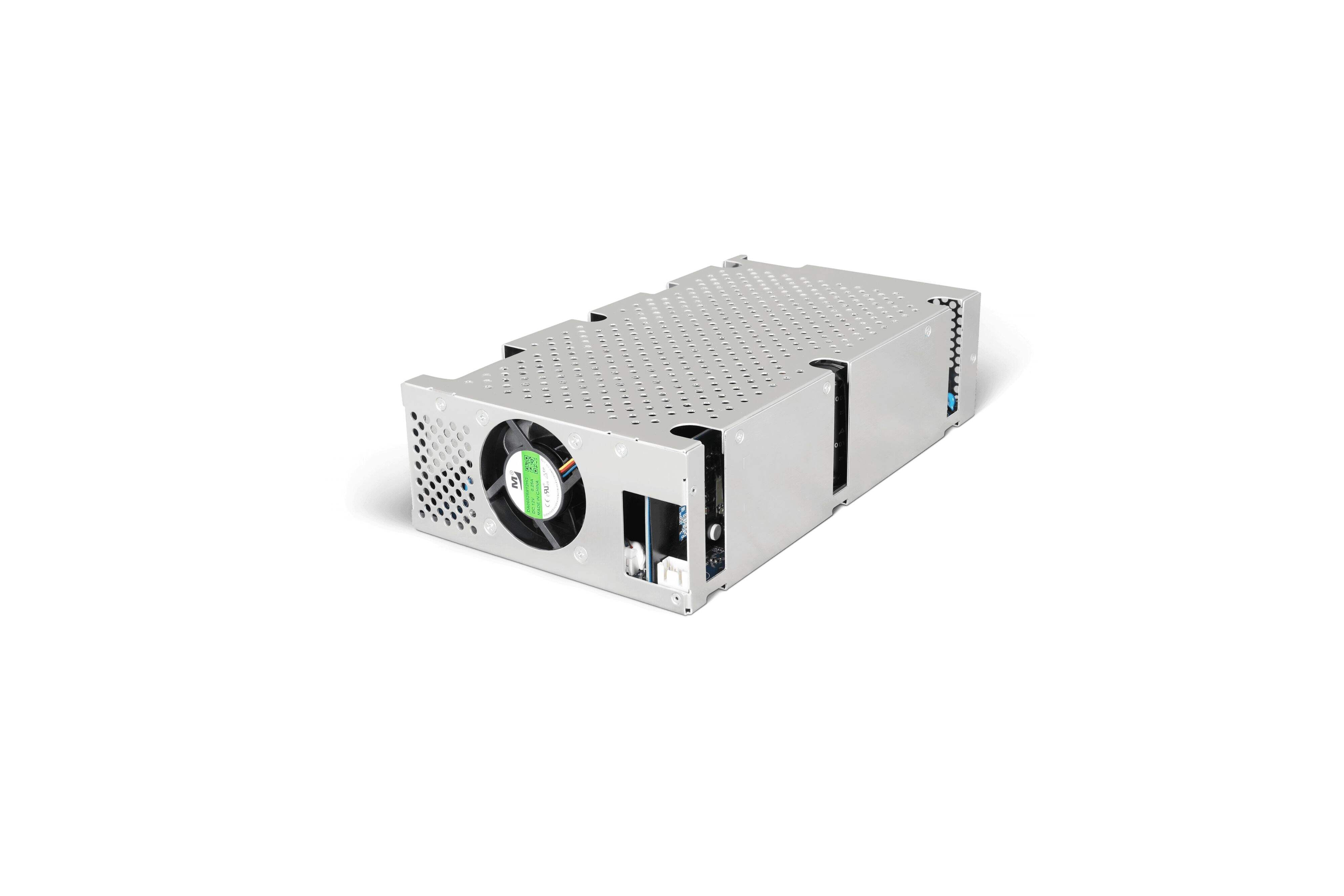
water cooled industrial power supply
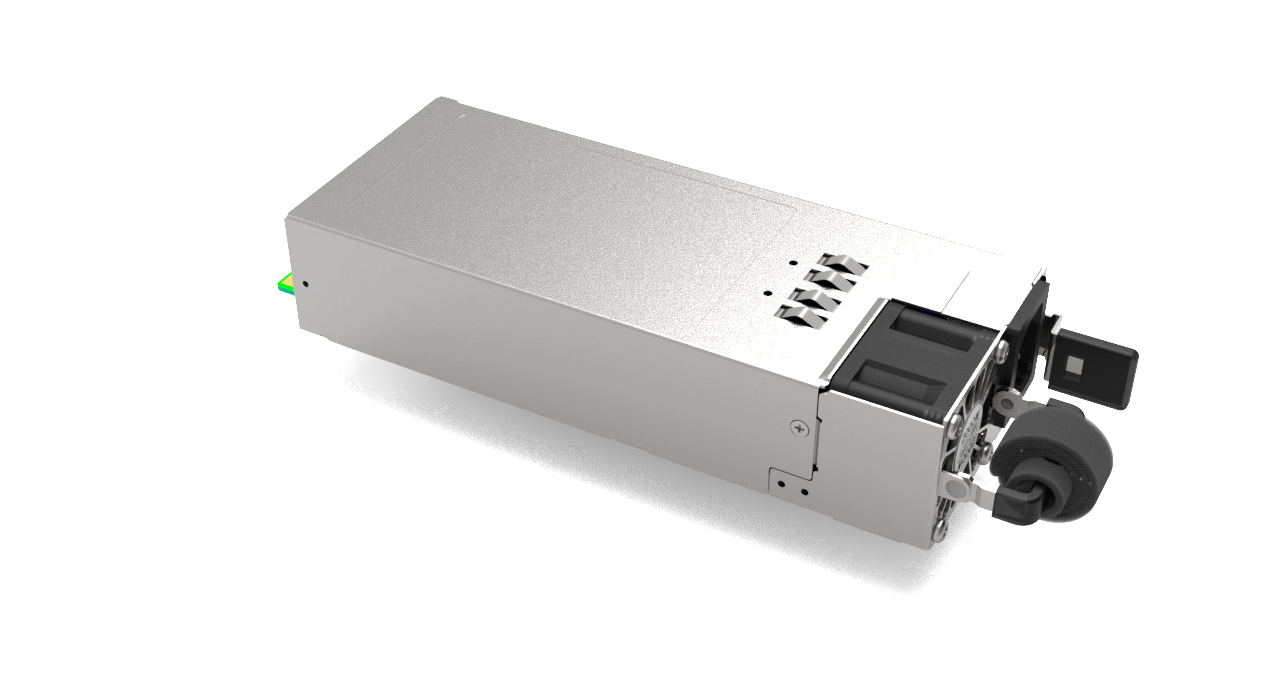
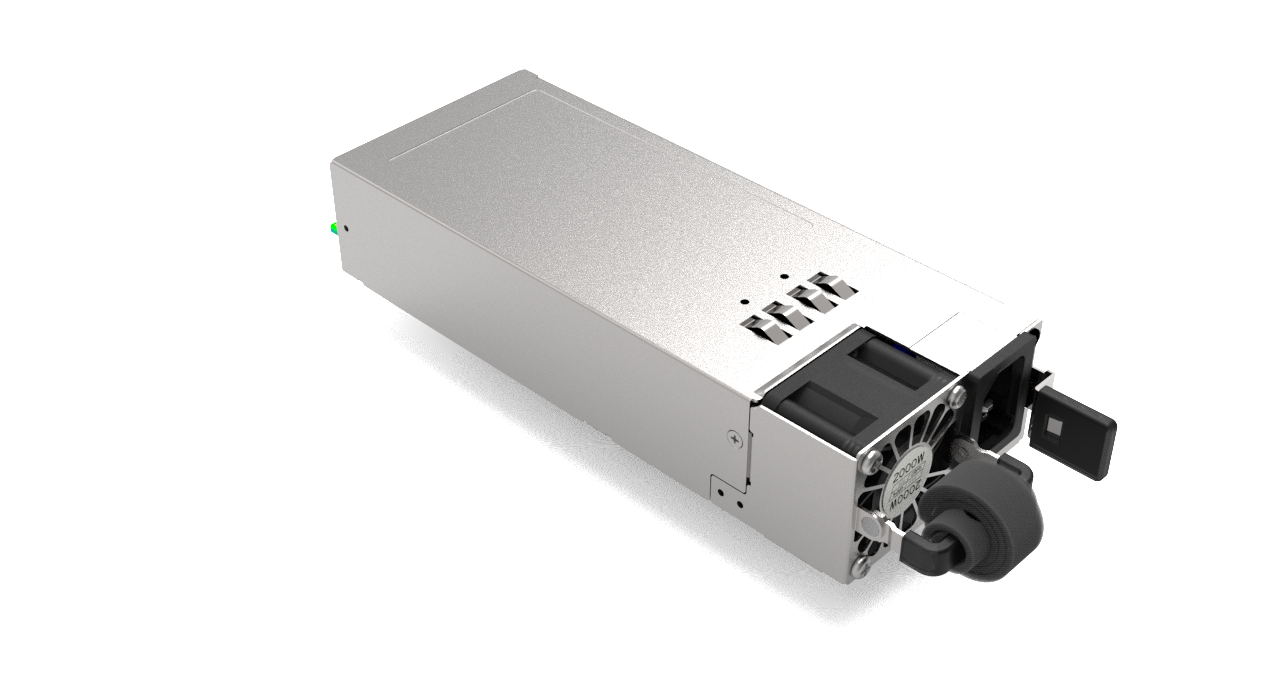
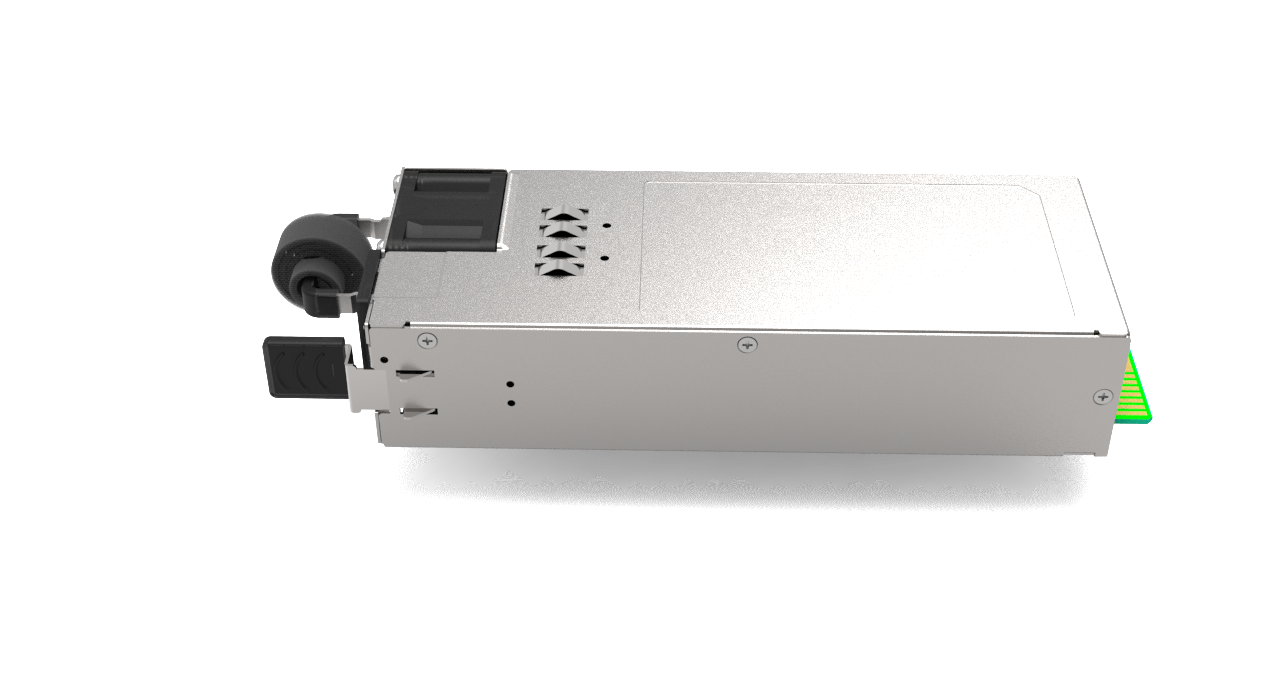
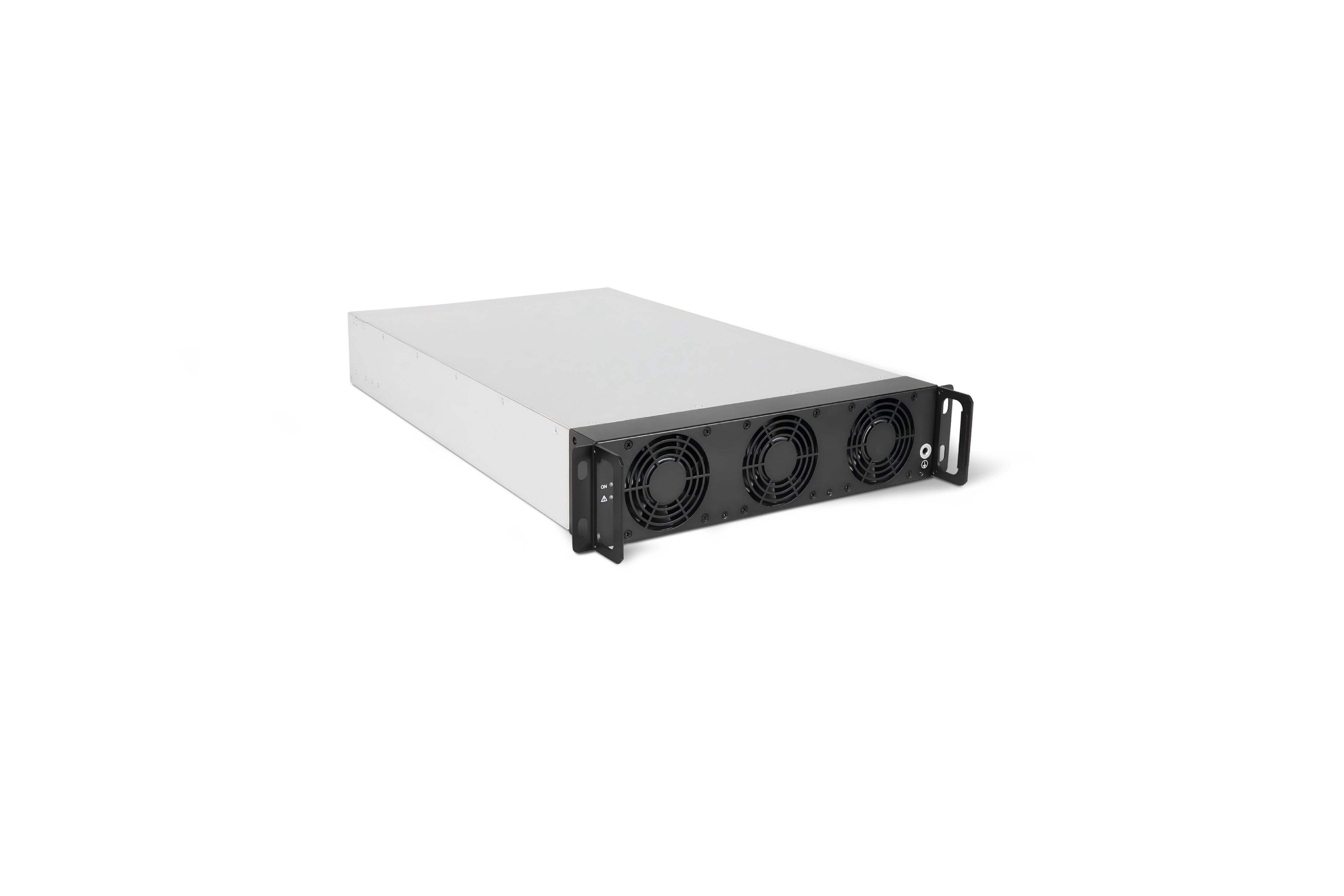
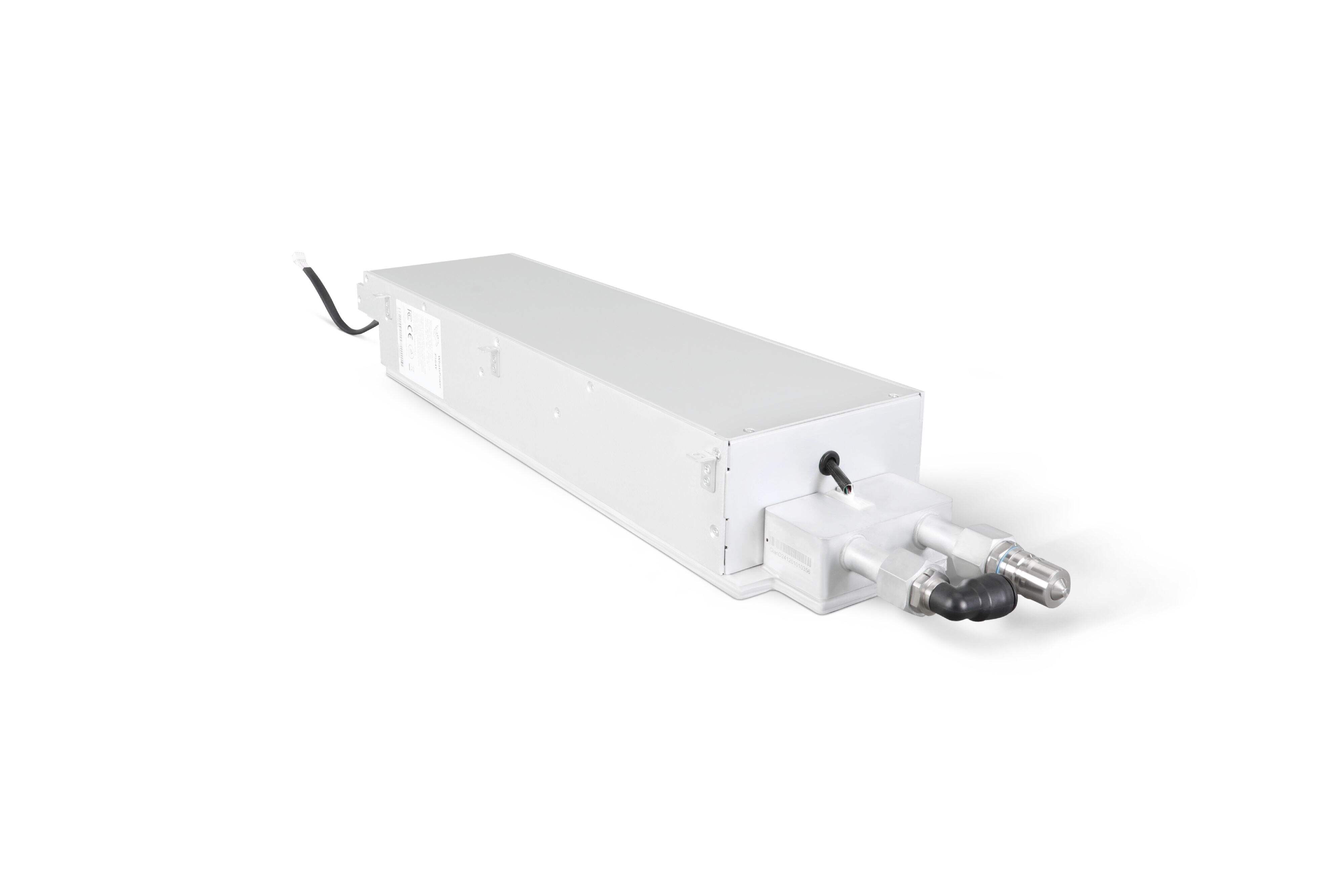
Water cooled industrial power supply systems represent a breakthrough in high-performance electrical equipment designed for demanding manufacturing environments. These sophisticated power solutions utilize liquid cooling technology to manage heat dissipation more effectively than traditional air-cooled alternatives. The primary function of a water cooled industrial power supply centers on converting alternating current from the electrical grid into stable direct current suitable for powering heavy machinery, automation equipment, and precision manufacturing processes. These units excel in environments where consistent power delivery and thermal management are critical to operational success. The technological foundation of water cooled industrial power supply units incorporates advanced semiconductor components, precision control circuits, and integrated cooling loops that circulate coolant through heat-generating components. This design allows the power supply to maintain optimal operating temperatures even under extreme load conditions. Modern water cooled industrial power supply systems feature digital control interfaces, real-time monitoring capabilities, and programmable output parameters that adapt to varying operational requirements. The cooling circuit typically includes a pump, radiator, coolant reservoir, and strategically placed cooling blocks that directly contact heat-sensitive components. Applications for water cooled industrial power supply systems span across multiple industries including semiconductor manufacturing, metal processing, chemical production, and automated assembly lines. These power supplies prove essential in environments where space constraints limit ventilation options or where ambient temperatures exceed the operational limits of air-cooled systems. The reliability of water cooled industrial power supply units makes them particularly valuable in continuous operation scenarios where equipment downtime translates directly to significant financial losses. Manufacturing facilities often deploy these systems to power electroplating equipment, induction heating systems, laser cutting machines, and robotic welding stations where precise power control and thermal stability directly impact product quality and production efficiency.

 EN
EN