Complete Guide to Residential Energy Storage: Benefits, Features, and Smart Home Integration

All Categories

Get a Free Quote

Our representative will contact you soon.
Email
Name
Company Name
Message
0/1000

residential energy storage

Residential energy storage systems represent a revolutionary advancement in home energy management, providing homeowners with the ability to capture, store, and utilize electricity when needed most. These sophisticated battery systems primarily function as backup power sources during outages, peak demand reducers during expensive utility rate periods, and renewable energy maximizers for properties equipped with solar panels. The core technology typically employs lithium-ion batteries, similar to those found in electric vehicles, but specifically engineered for stationary residential applications. Modern residential energy storage systems integrate seamlessly with existing electrical infrastructure through advanced inverter technology that converts stored direct current into alternating current for household use. Smart monitoring capabilities allow homeowners to track energy consumption patterns, storage levels, and system performance through intuitive mobile applications and web interfaces. These systems automatically detect power outages and instantly switch to battery power, ensuring uninterrupted electricity supply for critical appliances and lighting. The installation process involves connecting the storage unit to the home's electrical panel, often alongside existing solar panel systems for maximum efficiency. Residential energy storage applications extend beyond basic backup power, including load shifting strategies that charge batteries during off-peak hours when electricity rates are lower and discharge during peak pricing periods. Environmental benefits emerge through reduced reliance on grid electricity, particularly when paired with renewable energy sources, contributing to decreased carbon footprints and enhanced energy independence. System capacities typically range from 10 to 20 kilowatt-hours for average homes, with modular designs allowing capacity expansion as household energy needs evolve. Professional installation ensures compliance with local electrical codes and utility interconnection requirements, while warranty coverage provides long-term protection for this significant home investment.


Popular Products

Residential energy storage delivers substantial cost savings by reducing monthly electricity bills through strategic energy management and peak demand avoidance. Homeowners can charge their systems during off-peak hours when utility rates are lowest, then use stored power during expensive peak periods, creating immediate financial benefits. Power outage protection provides invaluable peace of mind, ensuring refrigerated food stays fresh, medical devices continue operating, and family comfort remains intact during grid failures. Unlike noisy diesel generators that require fuel and regular maintenance, residential energy storage operates silently and automatically, activating within milliseconds of detecting power loss. Environmental responsibility becomes achievable through reduced grid dependency, especially when combined with solar panels, allowing families to significantly decrease their carbon footprint while contributing to cleaner air quality. Energy independence grows stronger as homeowners gain control over their electricity usage patterns, protecting against utility rate increases and grid instability issues. Installation flexibility accommodates various home configurations, from basement mounting to outdoor installations, with professional technicians ensuring optimal placement for performance and safety. Long-term reliability stems from advanced battery management systems that monitor cell health, temperature, and charging cycles, extending system lifespan beyond ten years with minimal maintenance requirements. Smart home integration connects residential energy storage with existing automation systems, enabling sophisticated energy management strategies that optimize consumption based on weather forecasts, utility rates, and household schedules. Grid stabilization benefits extend beyond individual homes, as widespread residential energy storage adoption helps utilities manage peak demand and integrate renewable energy sources more effectively. Investment returns accelerate through federal tax credits, state incentives, and utility rebate programs that significantly offset initial purchase costs while providing decades of operational savings. System monitoring provides detailed insights into energy usage patterns, helping families identify opportunities for additional conservation and efficiency improvements throughout their homes.

Tips And Tricks

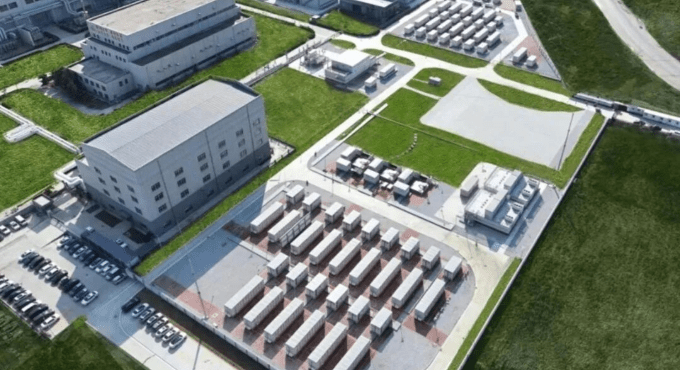
A Power Station That Doesn’t Generate Electricity — Yet Moves 120 Million kWh a Year

18

Dec

A Power Station That Doesn’t Generate Electricity — Yet Moves 120 Million kWh a Year

View More
BOCO Electronics Brings Hengyang Intelligent Manufacturing Base Online, Expanding Annual Production Beyond One Million Units

18

Dec

BOCO Electronics Brings Hengyang Intelligent Manufacturing Base Online, Expanding Annual Production Beyond One Million Units

View More
BOCO Electronics Demonstrates System-Level Power Conversion Innovation at SNEC 2025

18

Dec

BOCO Electronics Demonstrates System-Level Power Conversion Innovation at SNEC 2025

View More

Get a Free Quote

Our representative will contact you soon.
Email
Name
Company Name
Message
0/1000

residential energy storage

Advanced Battery Technology and Safety Features

Advanced Battery Technology and Safety Features

Residential energy storage systems utilize cutting-edge lithium-ion battery technology specifically engineered for home applications, delivering superior performance, safety, and longevity compared to traditional backup power solutions. These advanced batteries incorporate multiple layers of protection including thermal management systems that maintain optimal operating temperatures, sophisticated battery management systems that monitor individual cell performance, and integrated fire suppression capabilities that exceed industry safety standards. The modular design allows homeowners to customize storage capacity based on their specific energy needs, starting with basic configurations and expanding as requirements change over time. Professional-grade inverter technology ensures seamless integration with home electrical systems, converting stored direct current into clean alternating current that matches utility-grade power quality standards. Smart charging algorithms optimize battery health by preventing overcharging, managing discharge cycles, and balancing cell voltages to maximize system lifespan. Weather-resistant enclosures protect internal components from environmental factors while maintaining safe operating conditions in temperatures ranging from extreme cold to desert heat. Installation flexibility accommodates various home layouts through wall-mounted, floor-standing, or outdoor configurations, with certified technicians ensuring proper electrical connections and compliance with local building codes. Warranty coverage typically extends ten years or more, providing homeowners with confidence in their investment while manufacturers continue advancing battery chemistry and management systems. Regular software updates deliver new features and performance optimizations remotely, ensuring systems remain current with evolving energy management strategies and utility integration requirements. Recycling programs demonstrate manufacturer commitment to environmental responsibility, providing end-of-life battery disposal services that recover valuable materials while preventing harmful substances from entering landfills.
Intelligent Energy Management and Cost Optimization

Intelligent Energy Management and Cost Optimization

Residential energy storage systems feature sophisticated energy management capabilities that automatically optimize electricity usage patterns to minimize costs while maximizing efficiency and reliability for homeowners. Advanced algorithms analyze historical consumption data, utility rate structures, and weather forecasts to determine optimal charging and discharging schedules that can reduce monthly electricity bills by twenty to fifty percent or more. Time-of-use rate optimization automatically charges batteries during off-peak hours when electricity costs are lowest, then discharges stored power during expensive peak periods, effectively arbitraging electricity prices throughout the day. Load shifting capabilities help homeowners avoid demand charges imposed by utilities for exceeding certain power consumption thresholds, particularly beneficial for homes with electric vehicle charging, pool pumps, or high-capacity appliances. Integration with renewable energy sources, especially solar panels, maximizes self-consumption of clean energy production while storing excess generation for use during cloudy periods or nighttime hours. Smart grid communication enables participation in utility programs that compensate homeowners for providing grid services such as frequency regulation or peak demand reduction, creating additional revenue streams beyond basic energy savings. Mobile applications provide real-time monitoring and control capabilities, allowing homeowners to track energy production, consumption, and storage levels while adjusting system settings remotely for optimal performance. Predictive analytics identify opportunities for additional energy savings by analyzing usage patterns and recommending behavioral changes or equipment upgrades that complement the storage system. Emergency backup prioritization ensures critical loads receive power first during outages, with customizable settings that extend backup duration by focusing on essential appliances like refrigerators, medical devices, and communication systems. Machine learning capabilities continuously improve system performance by adapting to changing household patterns, seasonal variations, and evolving utility rate structures without requiring manual intervention from homeowners.
Seamless Integration and Future-Ready Technology

Seamless Integration and Future-Ready Technology

Residential energy storage systems offer exceptional integration capabilities that work harmoniously with existing home infrastructure, renewable energy installations, and emerging smart home technologies to create comprehensive energy solutions for modern homeowners. Professional installation teams ensure seamless connection to electrical panels, solar inverters, and home automation systems without disrupting daily routines or requiring extensive modifications to existing wiring configurations. Compatibility with major solar panel manufacturers and inverter brands eliminates concerns about system mismatches while enabling homeowners to add storage to existing renewable energy installations or plan integrated solar-plus-storage solutions for new construction projects. Communication protocols support integration with popular smart home platforms including Amazon Alexa, Google Assistant, and Apple HomeKit, allowing voice control and automation routines that optimize energy usage based on occupancy patterns, weather conditions, and time-of-day preferences. Grid-tie functionality enables bidirectional energy flow that supports net metering programs while preparing homes for future utility innovations such as virtual power plants and community energy sharing initiatives. Scalable architecture accommodates growing energy needs through modular expansion capabilities that add storage capacity without replacing existing equipment, protecting long-term investment value as families expand or electrify additional systems. Vehicle-to-home integration prepares homeowners for electric vehicle adoption by enabling car batteries to supplement residential storage capacity during extended outages or peak demand periods. Software-defined features receive regular updates that introduce new capabilities, improve efficiency algorithms, and maintain compatibility with evolving utility requirements and grid modernization initiatives. Cybersecurity measures protect home energy data and system controls through encrypted communications, secure authentication protocols, and regular security patches that maintain protection against emerging threats. Future-ready design anticipates technological advances in battery chemistry, grid integration standards, and energy management protocols, ensuring systems remain valuable and functional throughout their extended operational lifespan while supporting the transition to distributed energy resources and renewable energy integration.

Get a Free Quote

Our representative will contact you soon.
Email
Name
Company Name
Message
0/1000