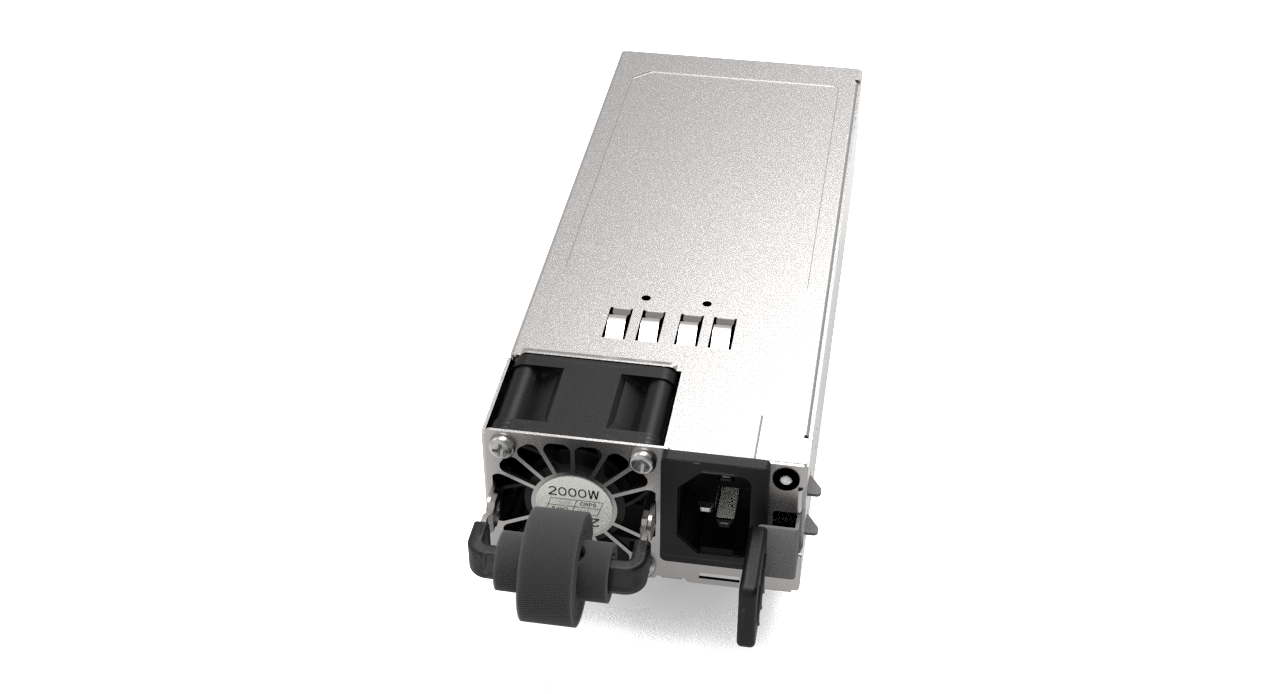
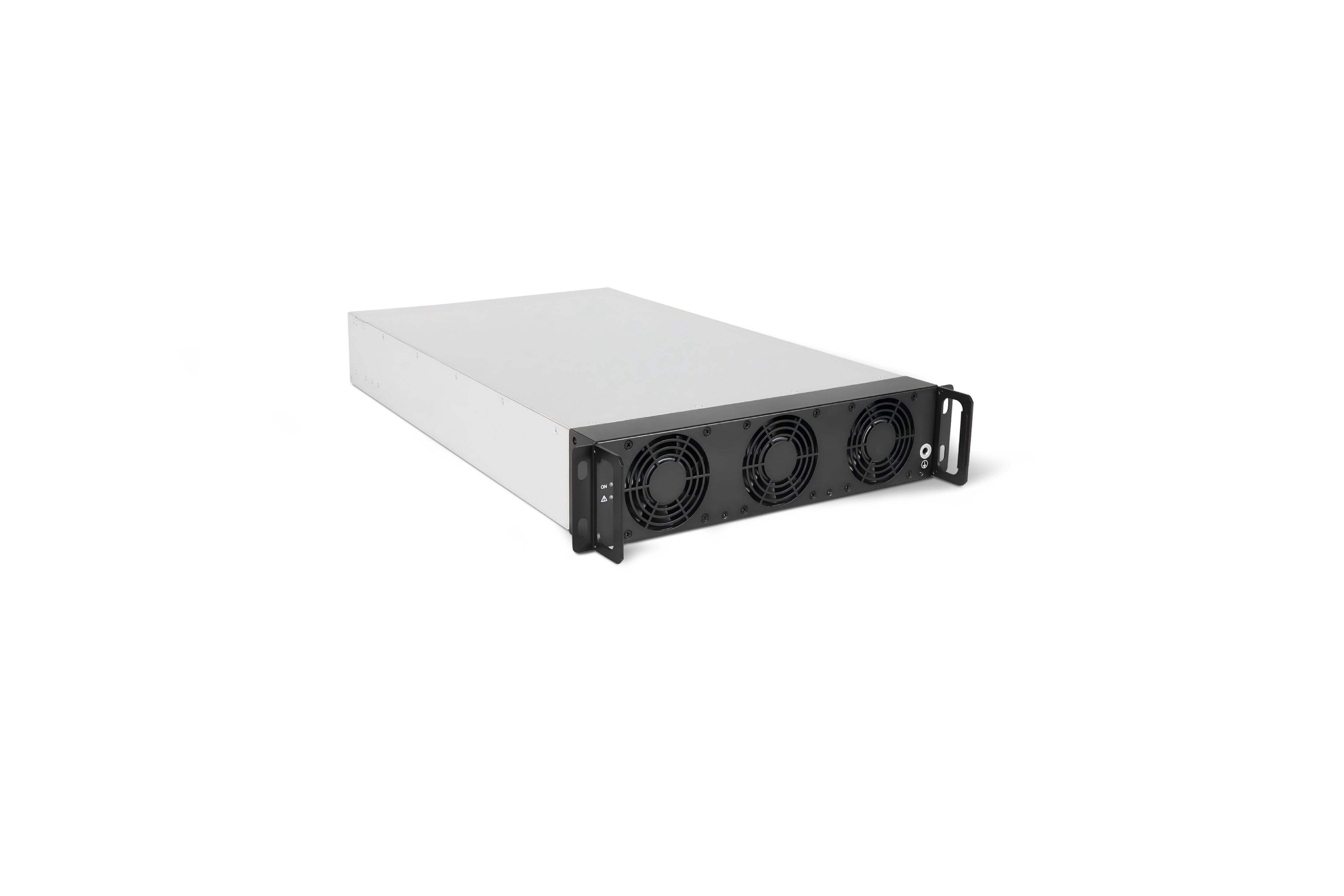
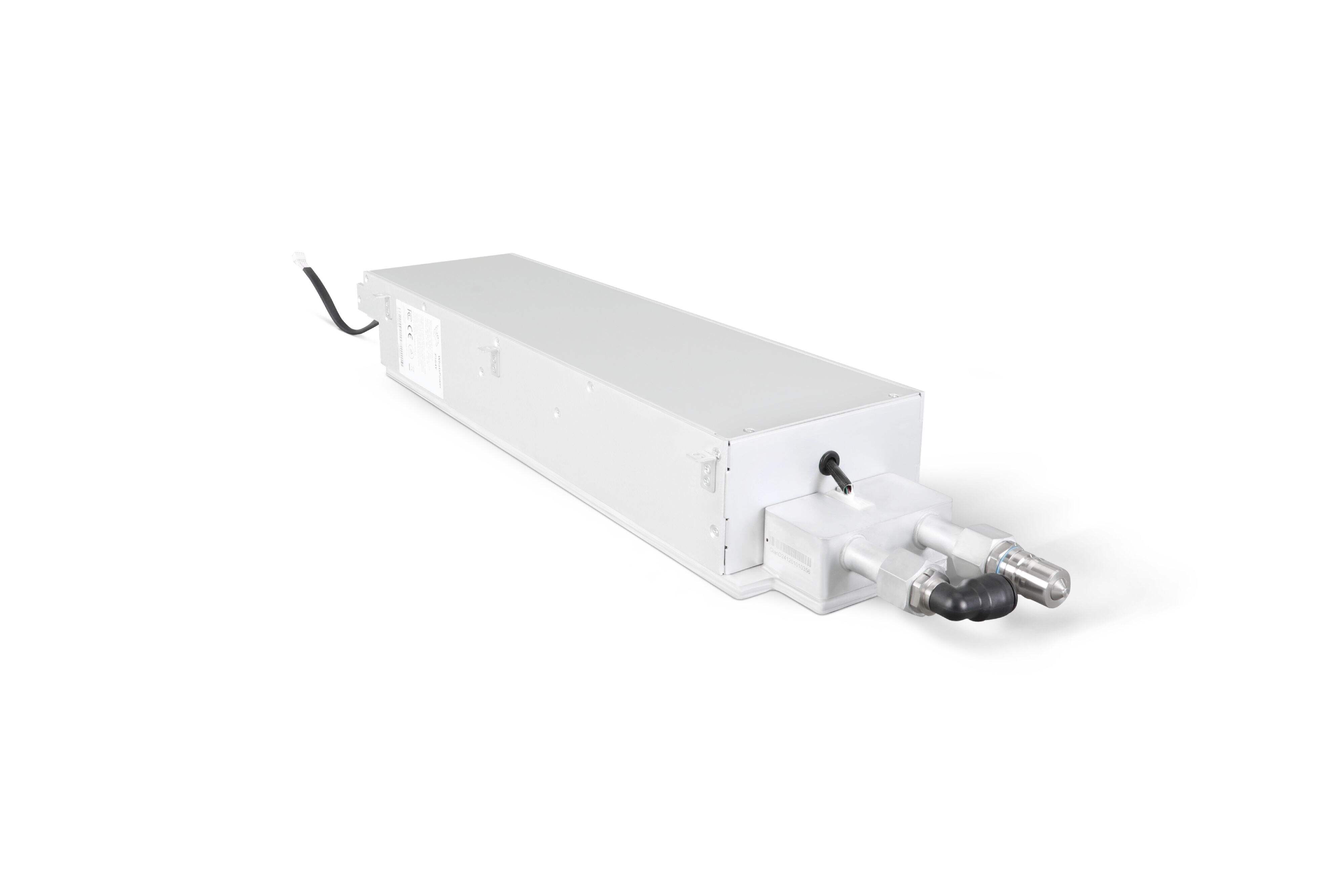
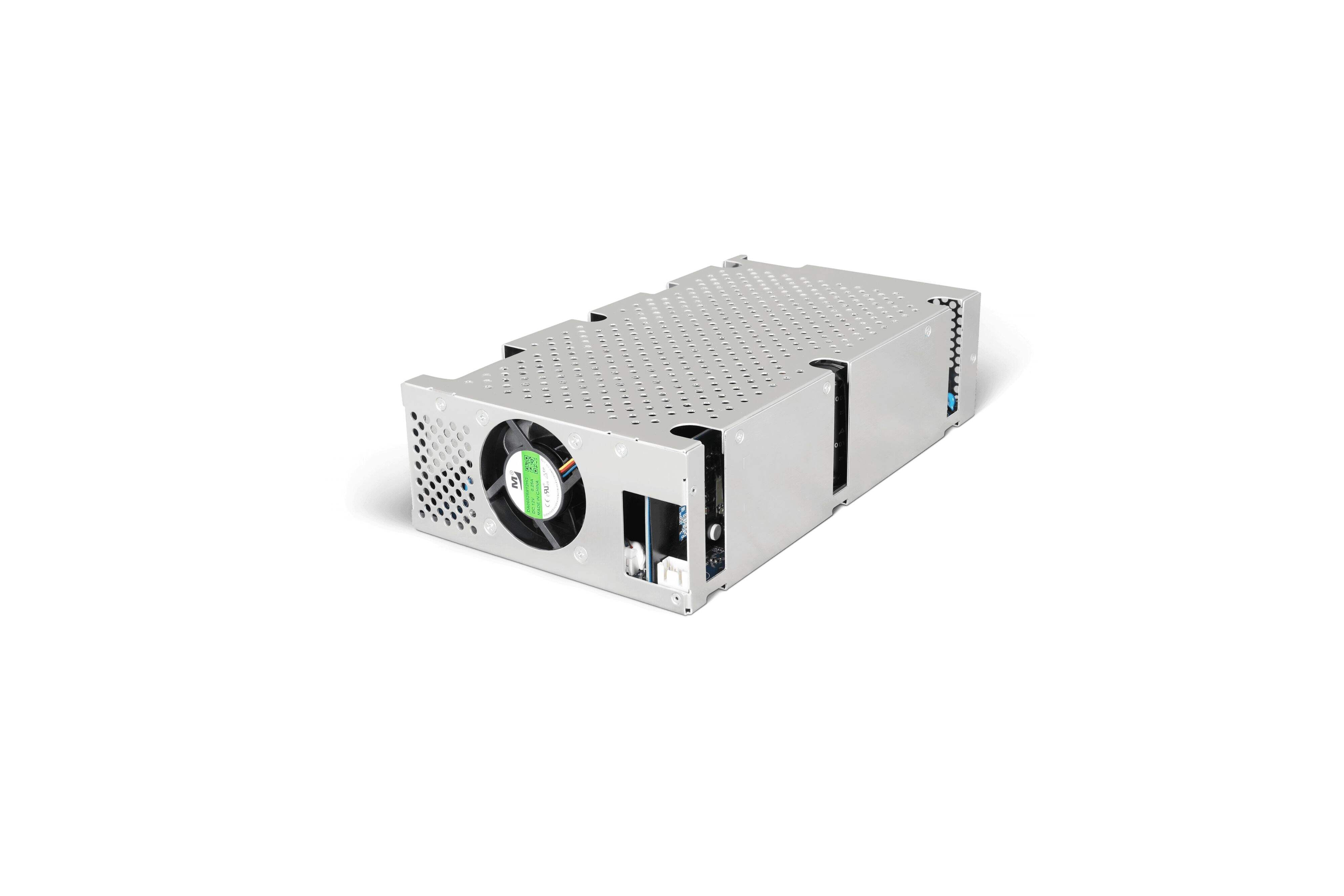
single-phase immersion rack
The single-phase immersion rack represents a revolutionary cooling solution designed specifically for high-density server environments and data center applications. This innovative technology utilizes dielectric fluid immersion to provide superior thermal management compared to traditional air-cooling systems. The single-phase immersion rack operates by submerging electronic components directly into a specially formulated cooling fluid that remains in liquid state throughout the cooling process, eliminating the need for phase change transitions that could cause temperature fluctuations. The primary function of a single-phase immersion rack involves creating a controlled environment where servers and computing equipment operate while completely submerged in non-conductive coolant. This method ensures consistent temperature regulation across all components, dramatically reducing hotspots and thermal stress on sensitive electronics. The technological features include sealed enclosures that prevent fluid contamination, integrated circulation systems that maintain optimal fluid flow, and sophisticated monitoring capabilities that track temperature, fluid levels, and system performance in real-time. Advanced filtration mechanisms ensure the dielectric fluid maintains its properties over extended periods, while redundant safety systems protect against potential leaks or system failures. The single-phase immersion rack design incorporates modular components that allow for easy maintenance and scalability, enabling data centers to expand their cooling capacity as computational demands increase. Applications for single-phase immersion rack systems span across various industries, including cryptocurrency mining operations, artificial intelligence processing centers, high-performance computing facilities, and enterprise data centers requiring maximum cooling efficiency. Financial institutions, research laboratories, and cloud service providers increasingly adopt single-phase immersion rack technology to manage the thermal challenges associated with dense server deployments. The system proves particularly valuable in environments where space constraints limit traditional cooling infrastructure or where energy efficiency remains a primary concern for operational sustainability.

 EN
EN