bidirectional dc dc buck boost converter
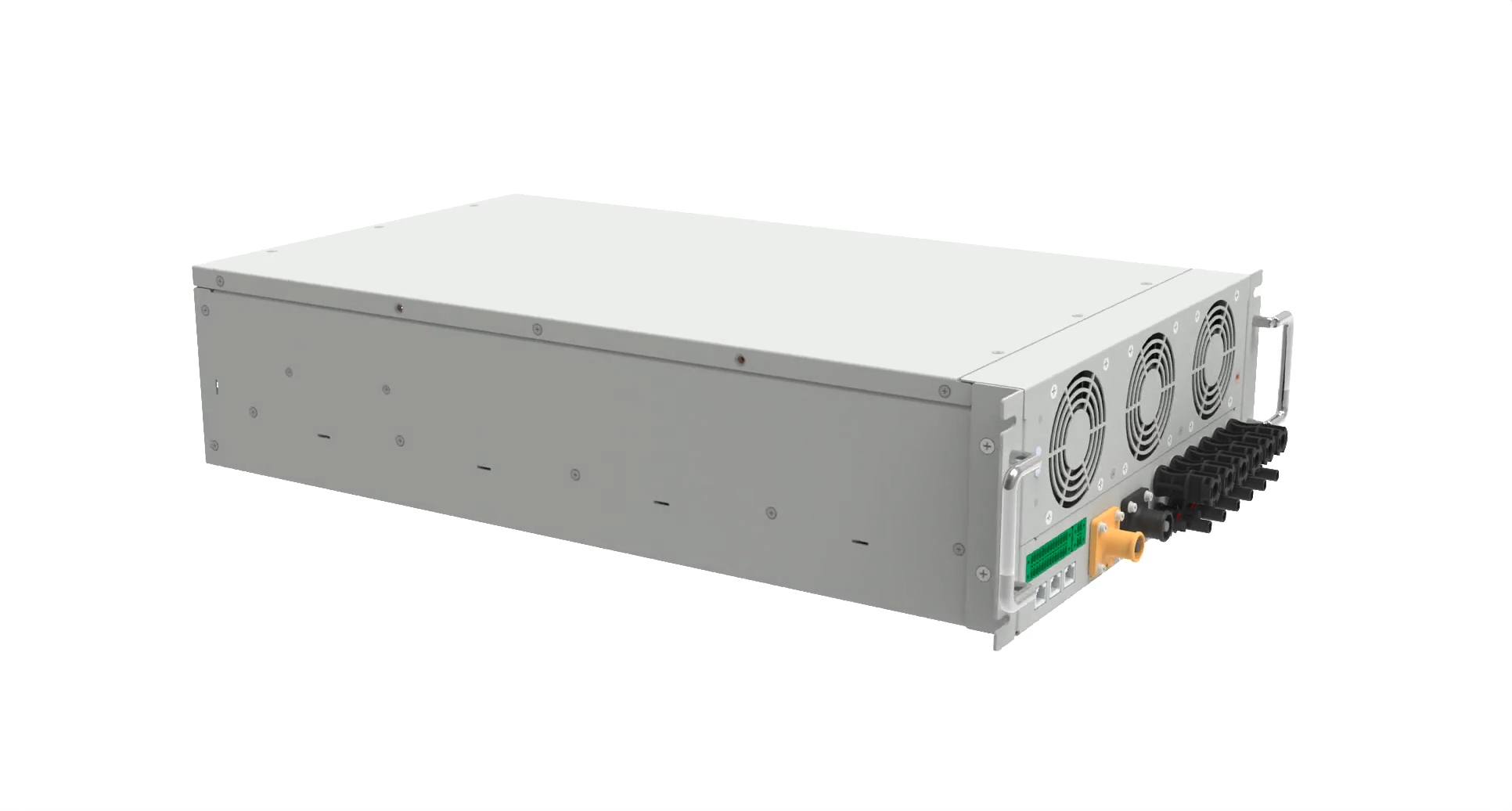
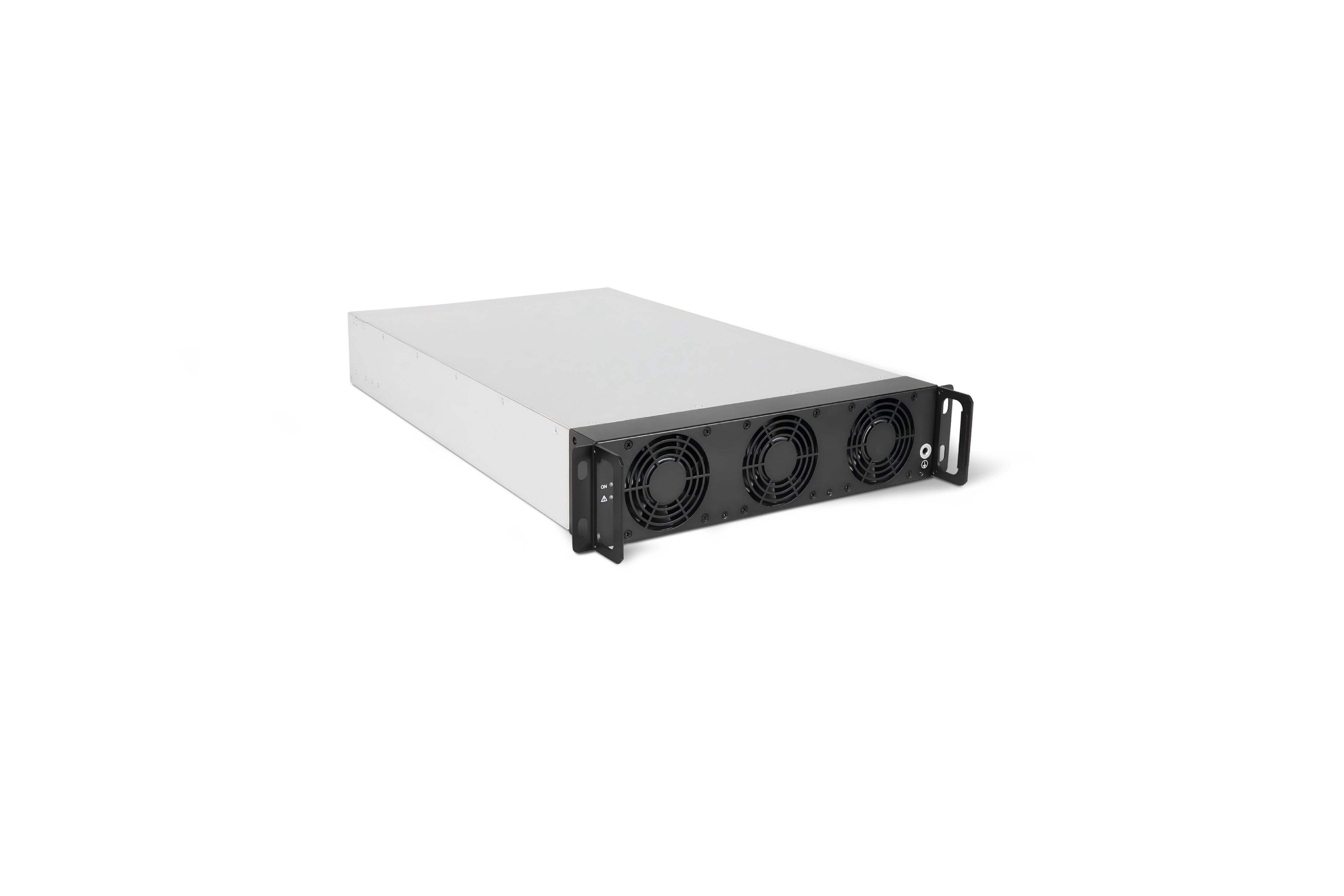
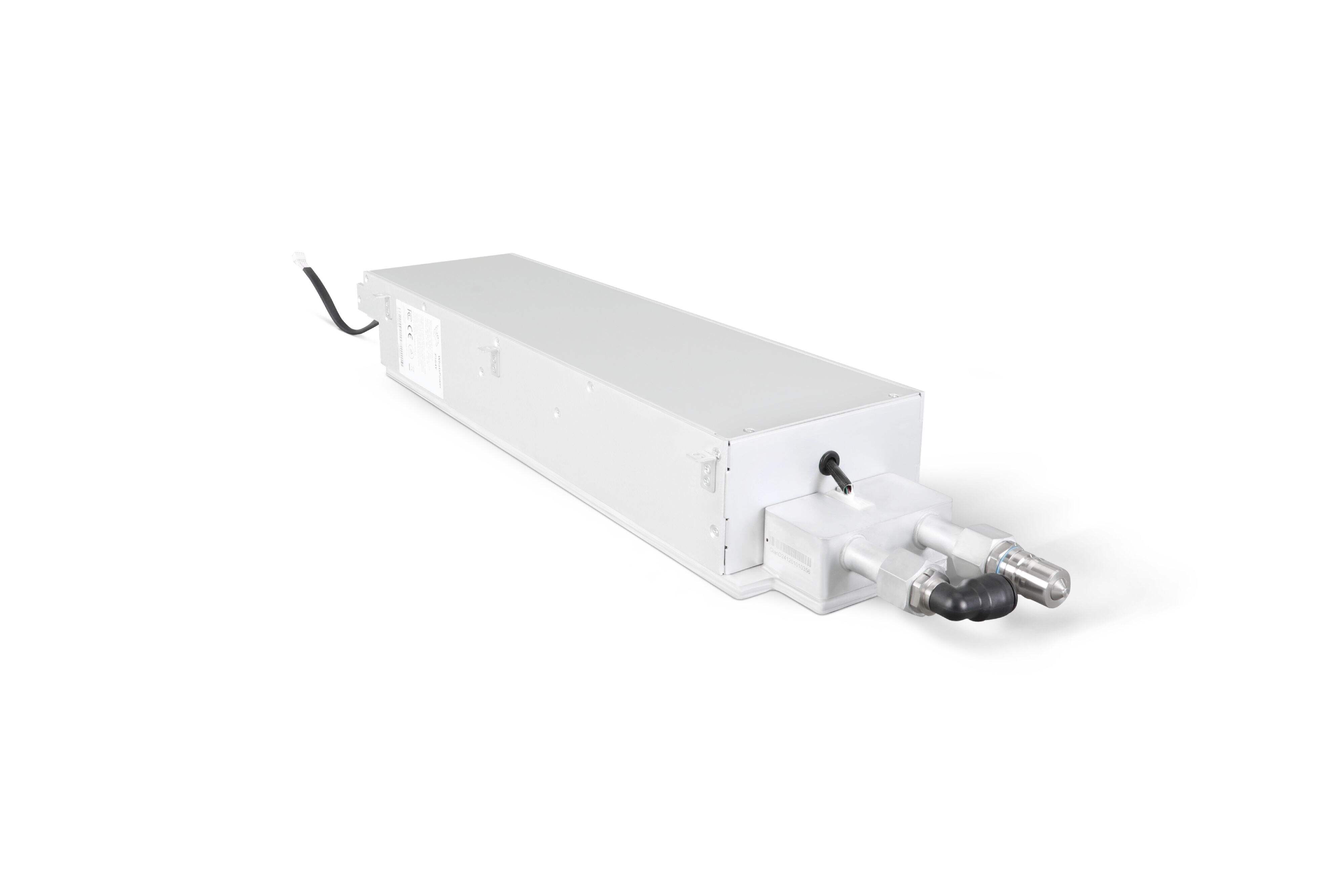
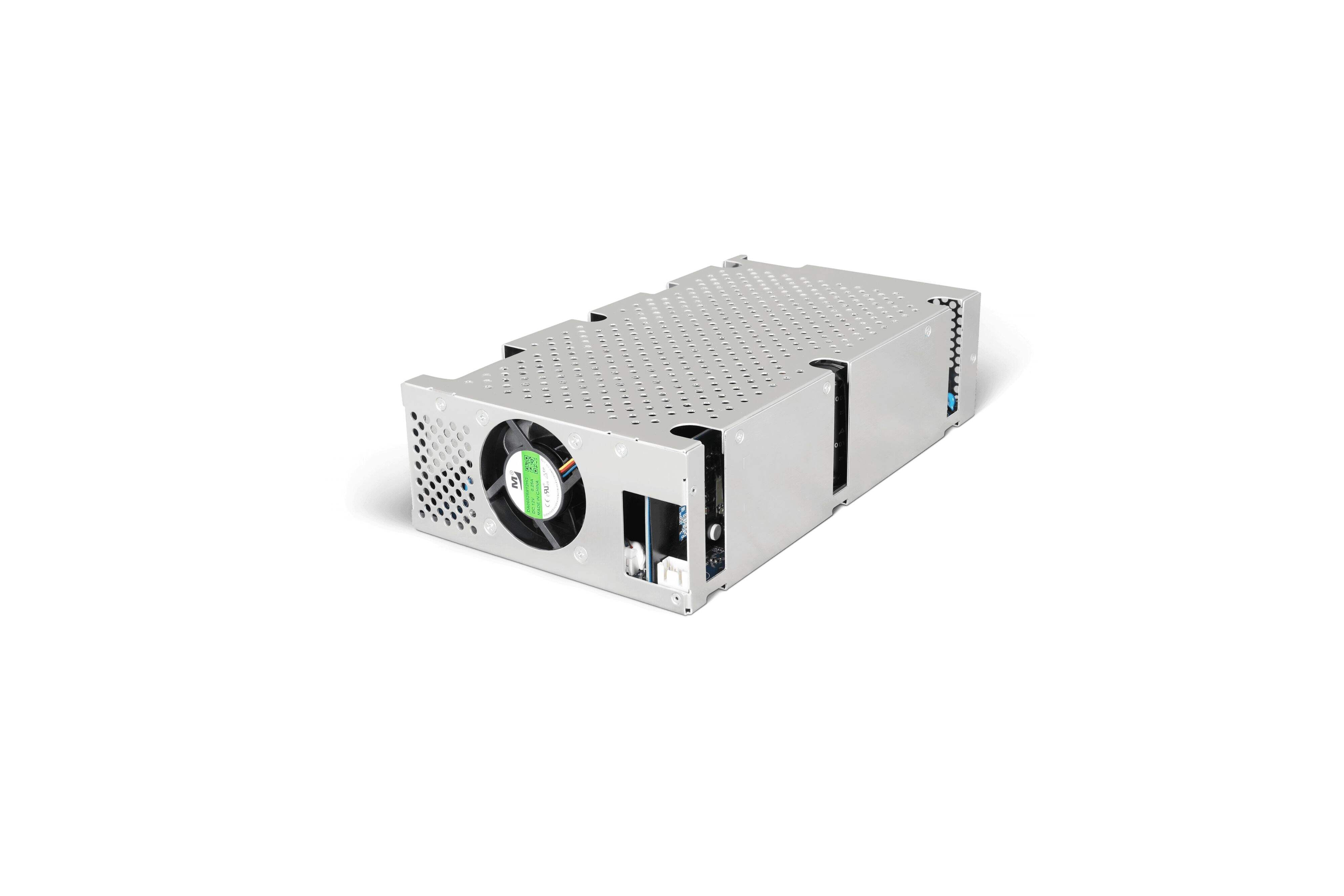
The bidirectional dc dc buck boost converter represents a sophisticated power electronics solution that seamlessly combines voltage step-up and step-down capabilities within a single integrated system. This advanced converter operates by intelligently switching between buck mode for voltage reduction and boost mode for voltage elevation, enabling power flow in both directions through its circuit architecture. The technological foundation relies on precise pulse width modulation control algorithms that dynamically adjust switching frequencies to maintain optimal voltage regulation across varying load conditions. Modern bidirectional dc dc buck boost converter designs incorporate high-efficiency semiconductor switches, typically MOSFETs or IGBTs, which minimize switching losses while maximizing power transfer efficiency. The converter's control system continuously monitors input and output parameters, automatically selecting the appropriate operating mode based on real-time voltage requirements. Primary functions include voltage regulation, power factor correction, and energy storage management, making it essential for renewable energy systems, electric vehicle charging infrastructure, and uninterruptible power supplies. Key technological features encompass wide input voltage ranges, fast transient response capabilities, and comprehensive protection mechanisms including overcurrent, overvoltage, and thermal shutdown safeguards. The bidirectional dc dc buck boost converter excels in applications requiring flexible voltage conversion, such as battery management systems where charging and discharging operations demand different voltage levels. Industrial automation systems benefit from its ability to interface between various voltage domains while maintaining high efficiency ratings typically exceeding 95 percent. Telecommunications equipment, data centers, and medical devices rely on these converters for stable power delivery under fluctuating input conditions. The converter's compact design and high power density make it suitable for space-constrained installations, while its robust construction ensures reliable operation in harsh environmental conditions with extended operational lifespans.

 EN
EN