water cooled power supply
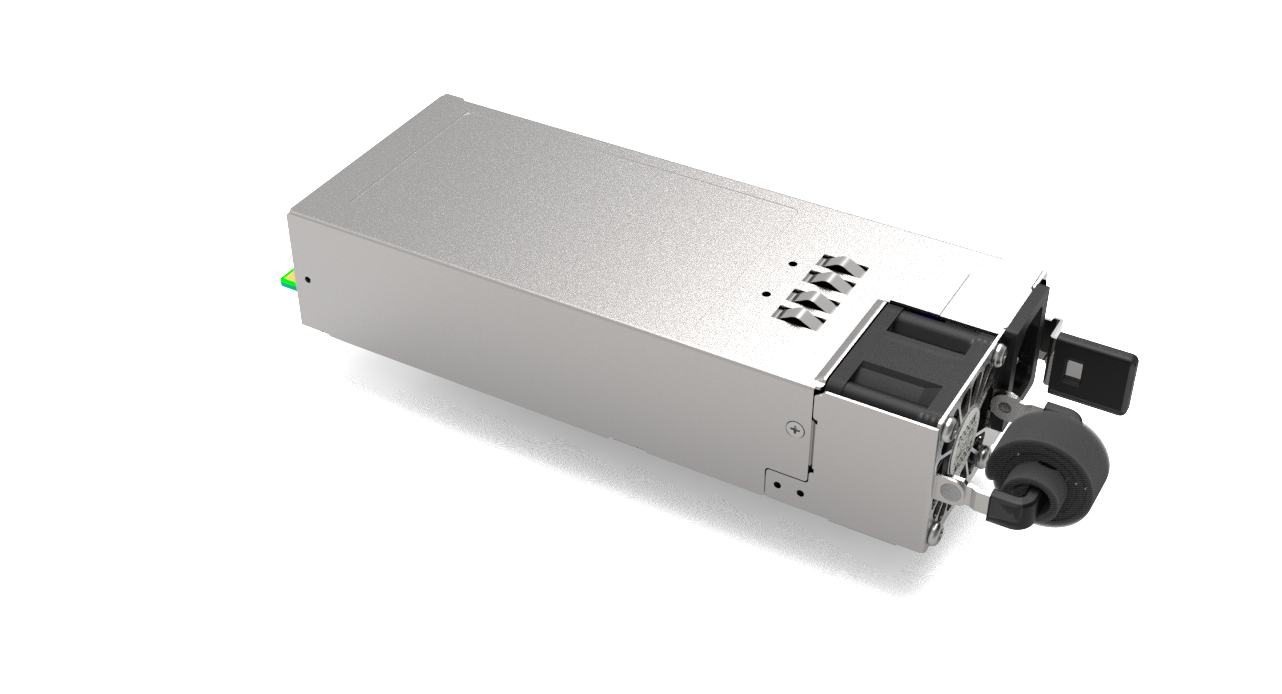
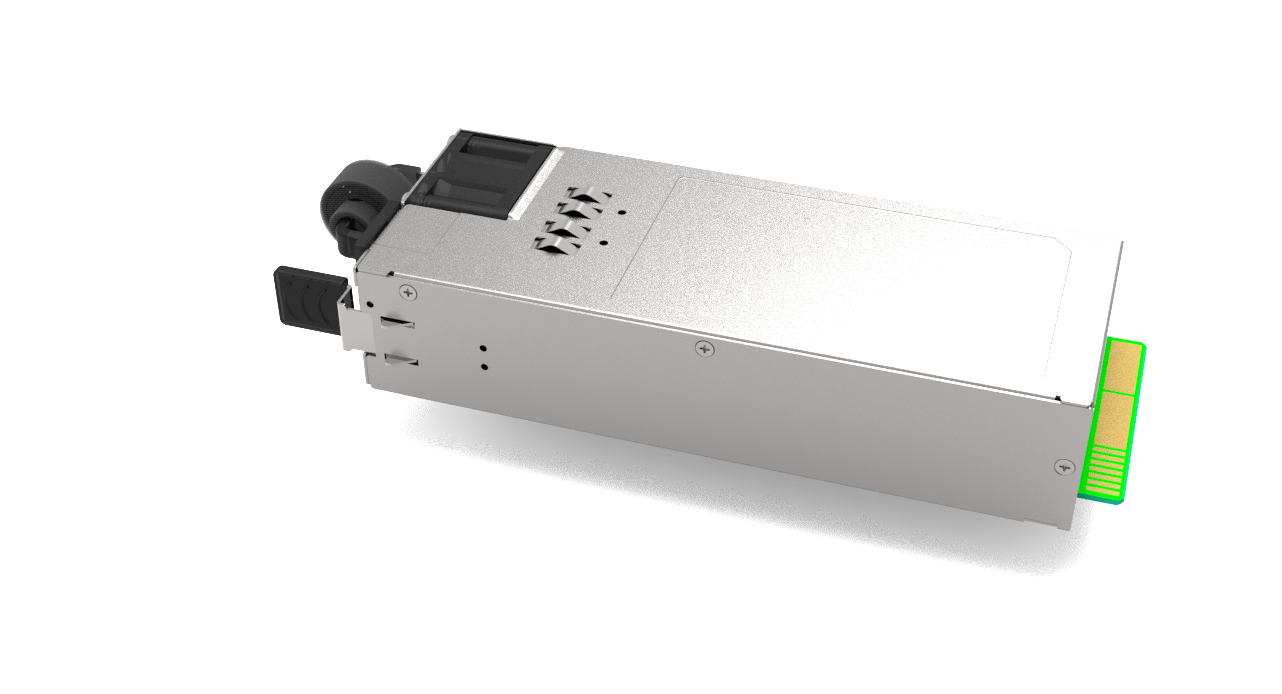
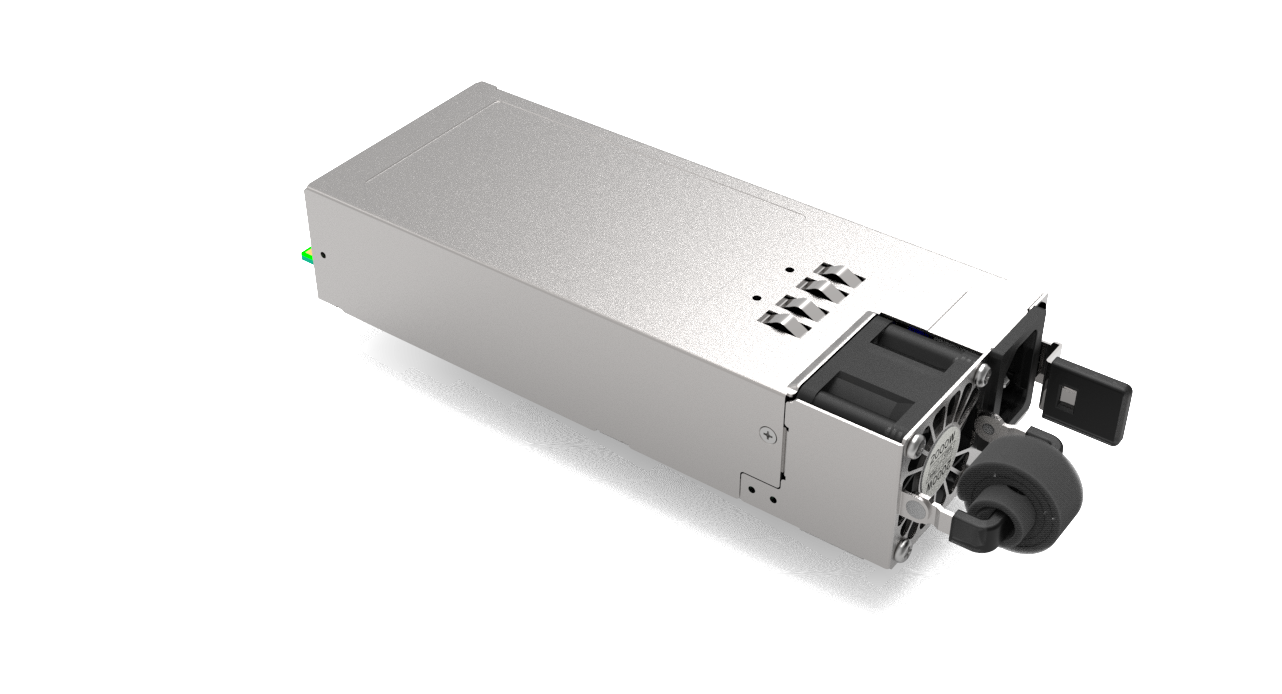
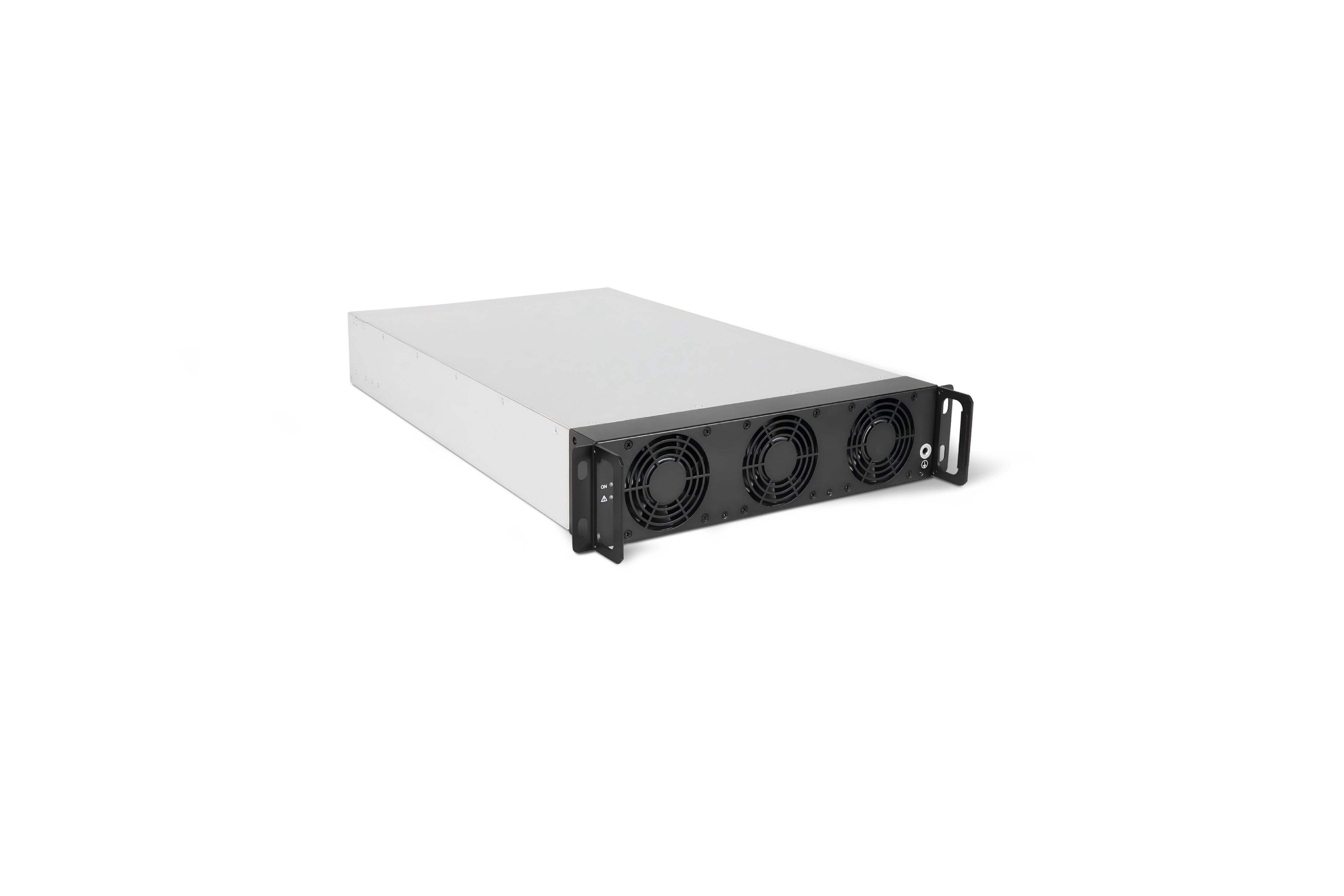
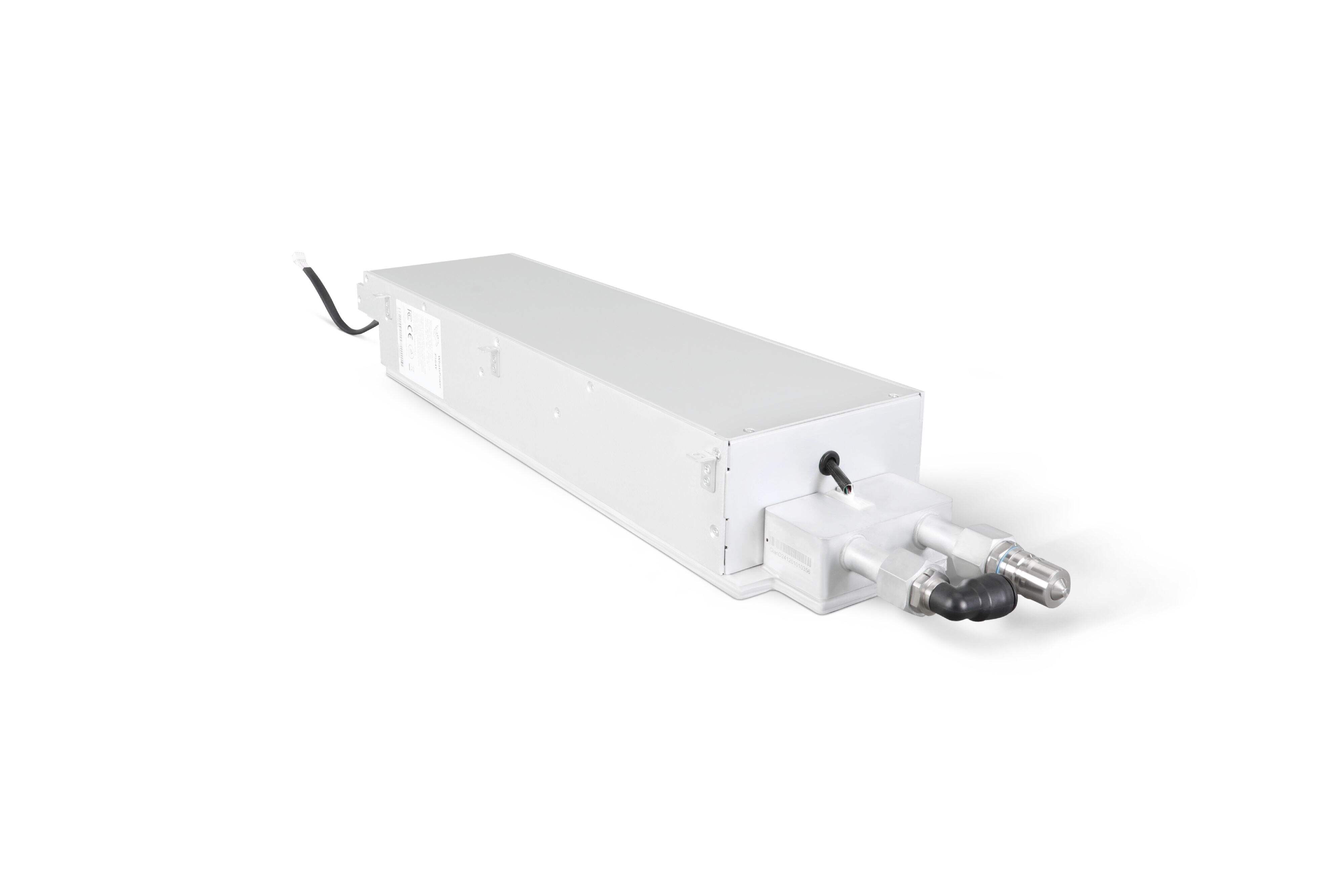
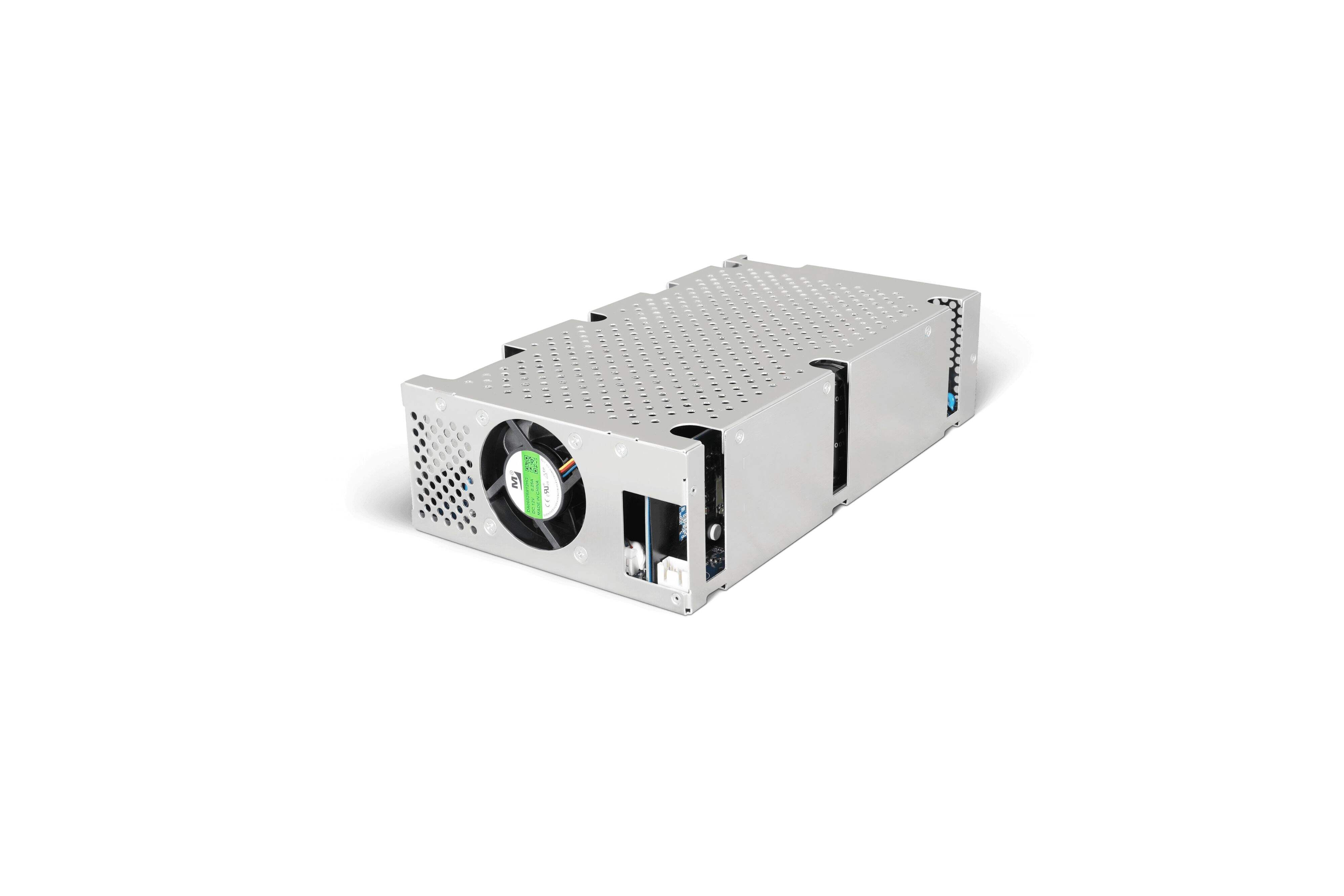
A water cooled power supply represents a revolutionary advancement in thermal management technology for high-performance electrical systems. This innovative cooling solution integrates sophisticated liquid cooling mechanisms directly into the power supply unit, creating an exceptionally efficient thermal regulation system. The water cooled power supply utilizes a closed-loop liquid cooling circuit that circulates coolant through specialized channels and heat exchangers, effectively dissipating heat generated during power conversion processes. The primary function of this technology centers on maintaining optimal operating temperatures while delivering consistent, reliable electrical output across demanding applications. The water cooled power supply incorporates advanced pump systems, radiators, and temperature sensors that work harmoniously to ensure precise thermal control. These units feature modular designs that accommodate various power requirements, from moderate-capacity systems to industrial-grade installations requiring substantial electrical output. The technological architecture includes specialized heat sinks with integrated cooling channels, high-efficiency pumps with variable speed controls, and intelligent monitoring systems that continuously assess thermal performance. Modern water cooled power supply units employ advanced materials such as copper heat exchangers and aluminum radiators to maximize heat transfer efficiency. The cooling system operates through a continuous circulation process where heated coolant flows from the power components through the radiator system, where ambient air removes excess thermal energy before the cooled liquid returns to continue the cycle. This water cooled power supply technology finds extensive application across data centers, cryptocurrency mining operations, high-performance computing environments, and industrial manufacturing facilities where sustained high-power operation is essential. The system's ability to maintain consistent temperatures regardless of ambient conditions makes it particularly valuable for mission-critical applications where thermal stability directly impacts operational reliability and equipment longevity.

 EN
EN