liquid cooled power supply manufacturer
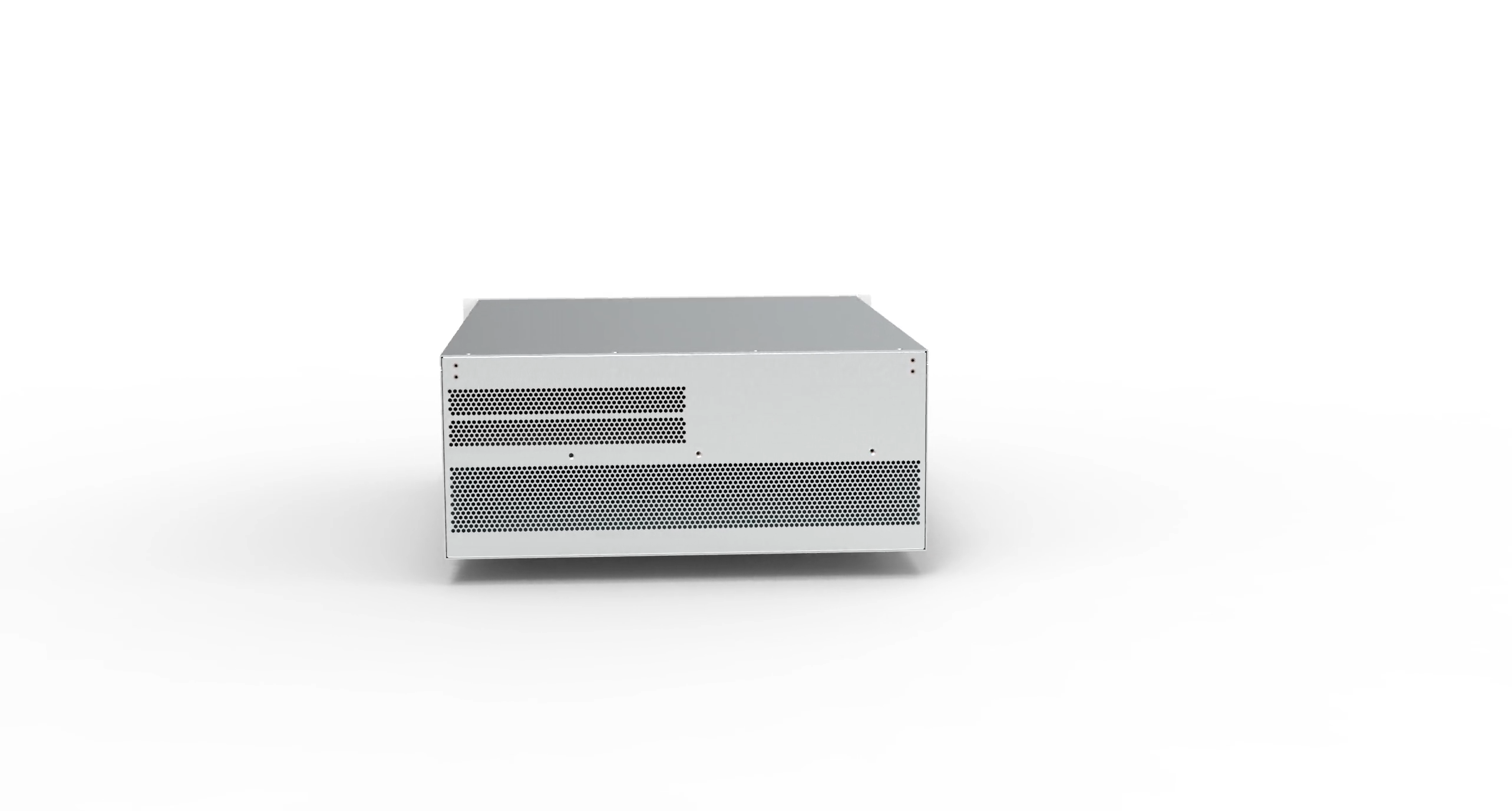
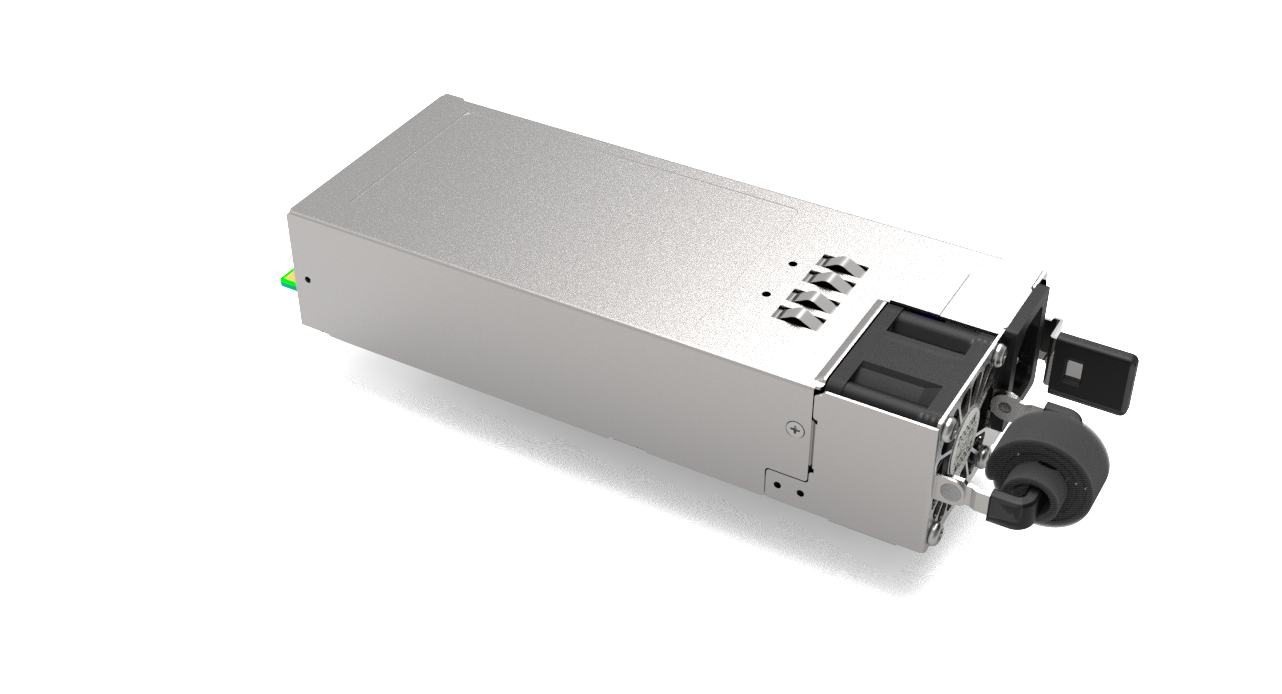
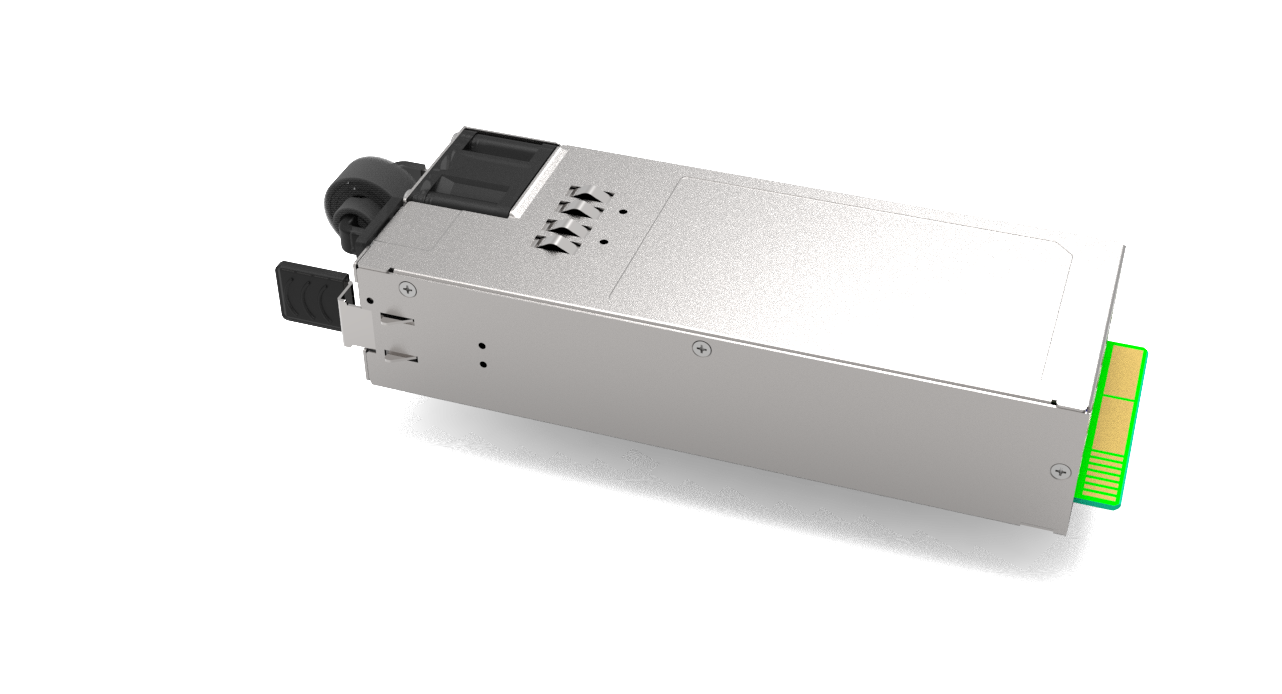
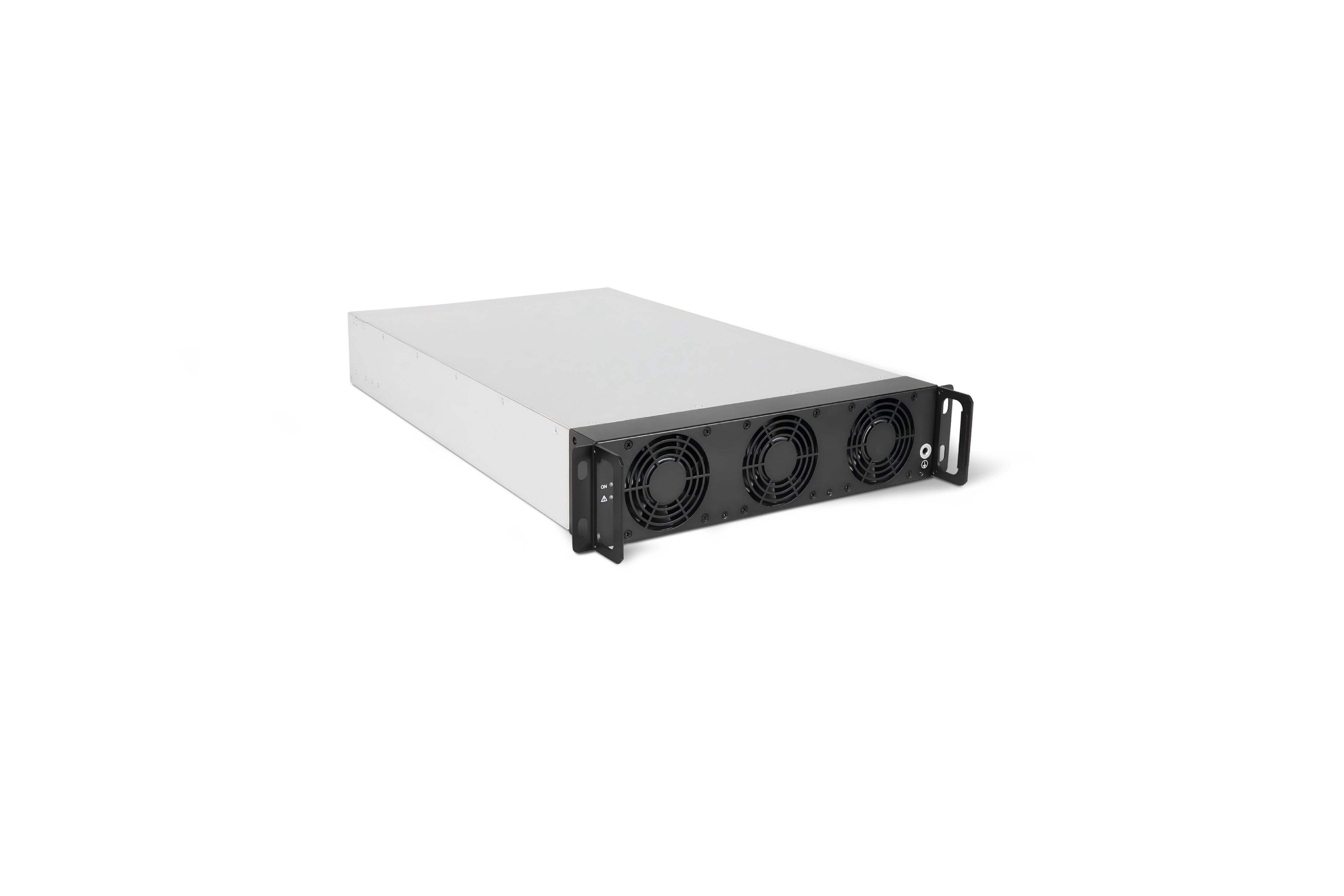
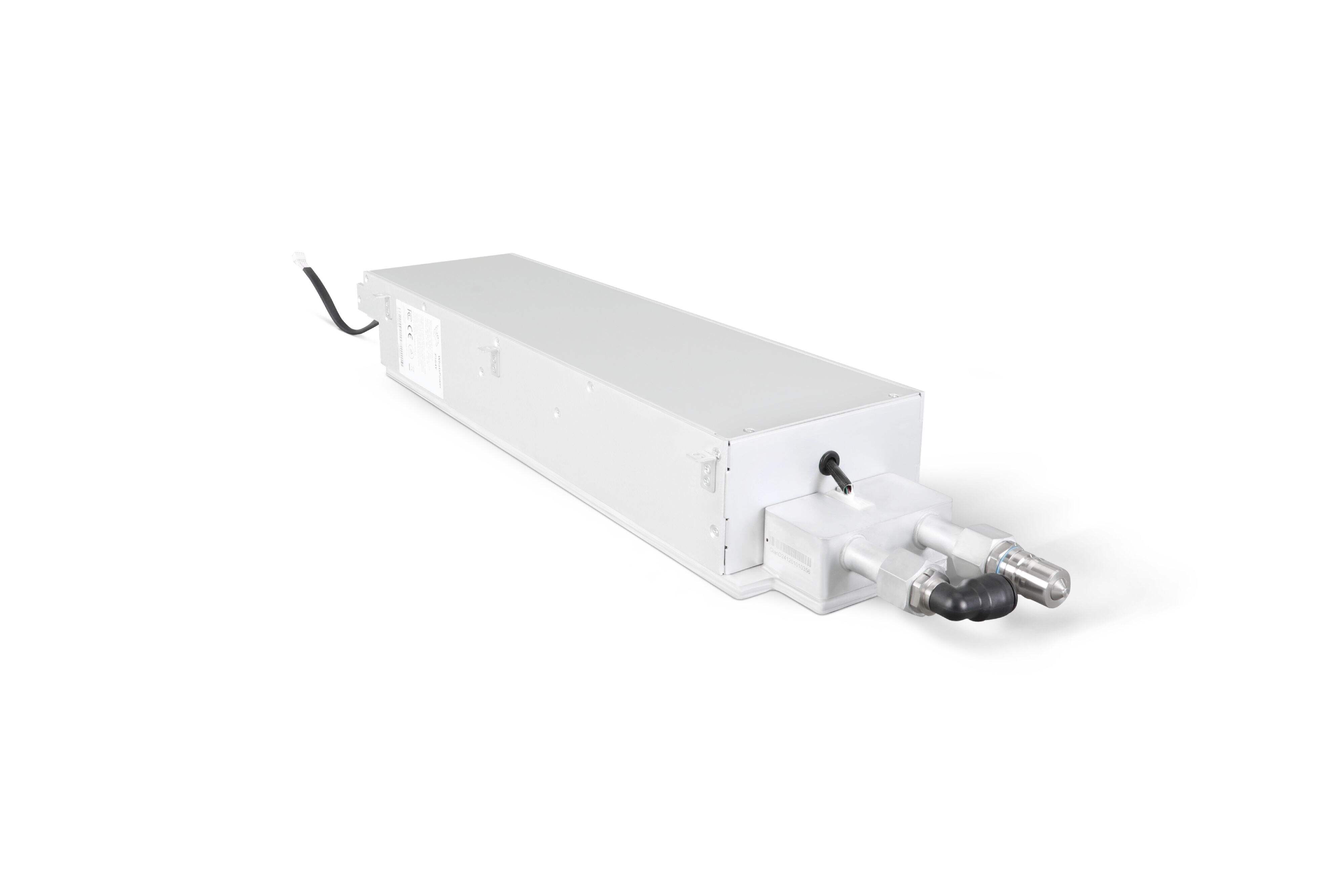
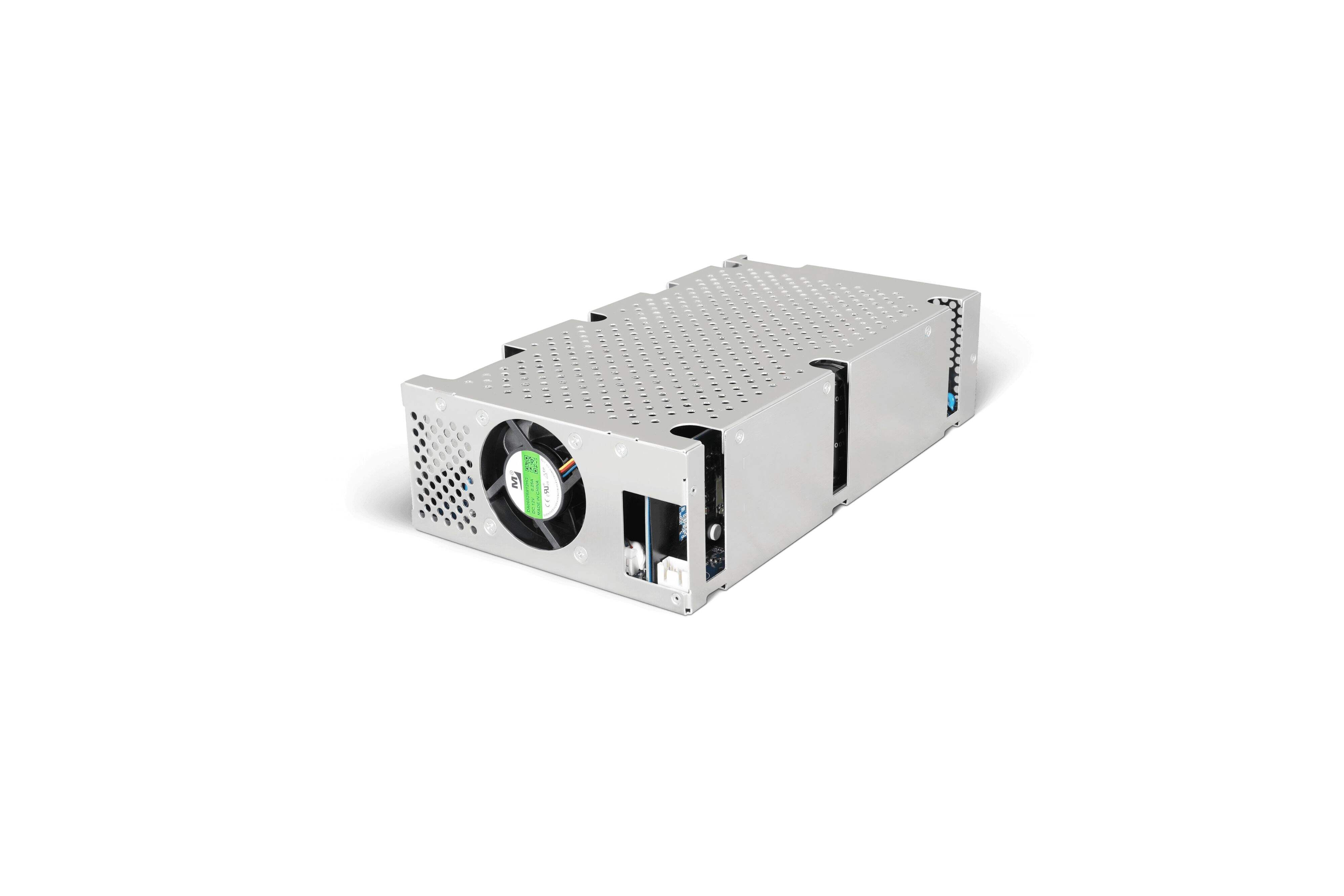
A liquid cooled power supply manufacturer represents a specialized segment of the power electronics industry, focusing on developing advanced thermal management solutions for high-performance power systems. These manufacturers design and produce power supplies that utilize liquid cooling technology to maintain optimal operating temperatures, ensuring superior performance and reliability compared to traditional air-cooled alternatives. The primary function of these systems involves converting electrical power while simultaneously managing heat dissipation through sophisticated liquid cooling circuits. The liquid cooled power supply manufacturer typically integrates precision-engineered cooling channels, high-efficiency heat exchangers, and advanced pump systems within their power conversion units. This innovative approach enables the handling of significantly higher power densities while maintaining compact form factors. The technological features encompass intelligent temperature monitoring, variable flow control, and leak detection systems that ensure safe and reliable operation. Modern liquid cooled power supply manufacturer solutions incorporate smart diagnostics, real-time performance monitoring, and predictive maintenance capabilities. These systems find extensive applications across data centers, telecommunications infrastructure, industrial automation, electric vehicle charging stations, and renewable energy installations. The liquid cooled power supply manufacturer serves critical markets where thermal management directly impacts system performance, longevity, and operational efficiency. Key applications include high-frequency switching power supplies, server power systems, motor drives, and battery charging equipment. The technology enables operation in harsh environmental conditions while maintaining consistent performance parameters. Advanced liquid cooled power supply manufacturer designs feature modular architectures, allowing for scalable power solutions that can adapt to varying load requirements and installation constraints.

 EN
EN