dc dc converter efficiency
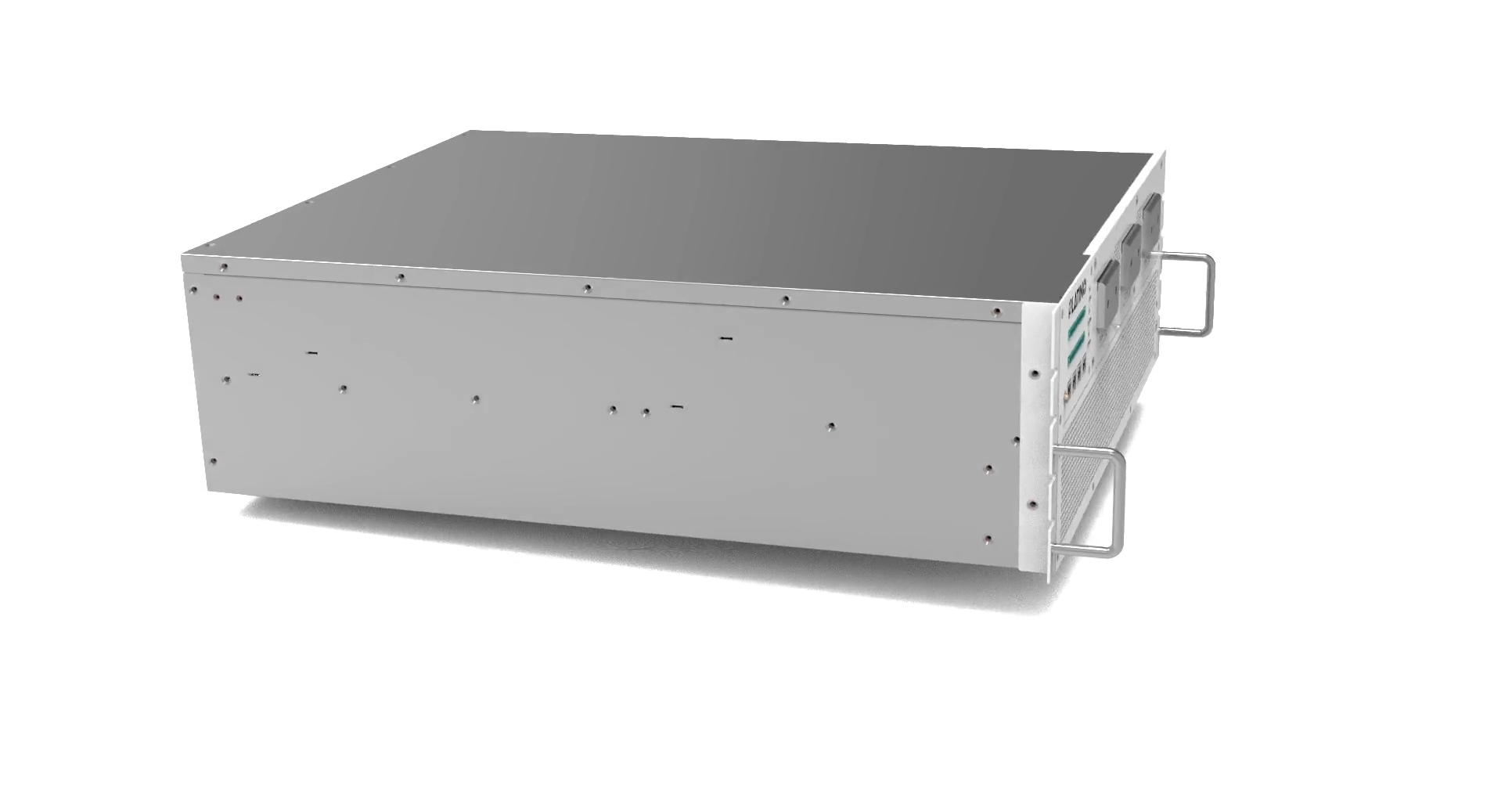
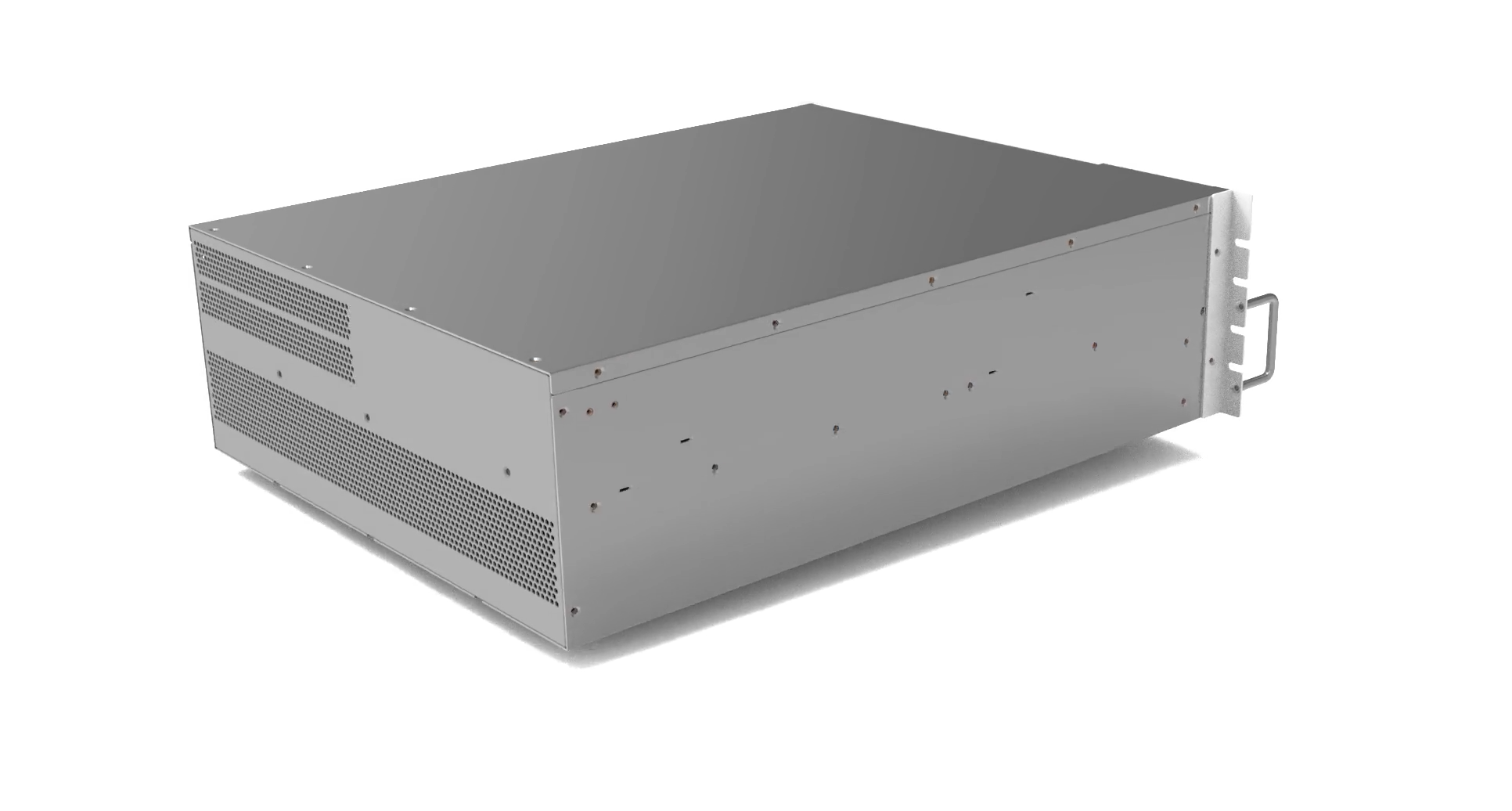
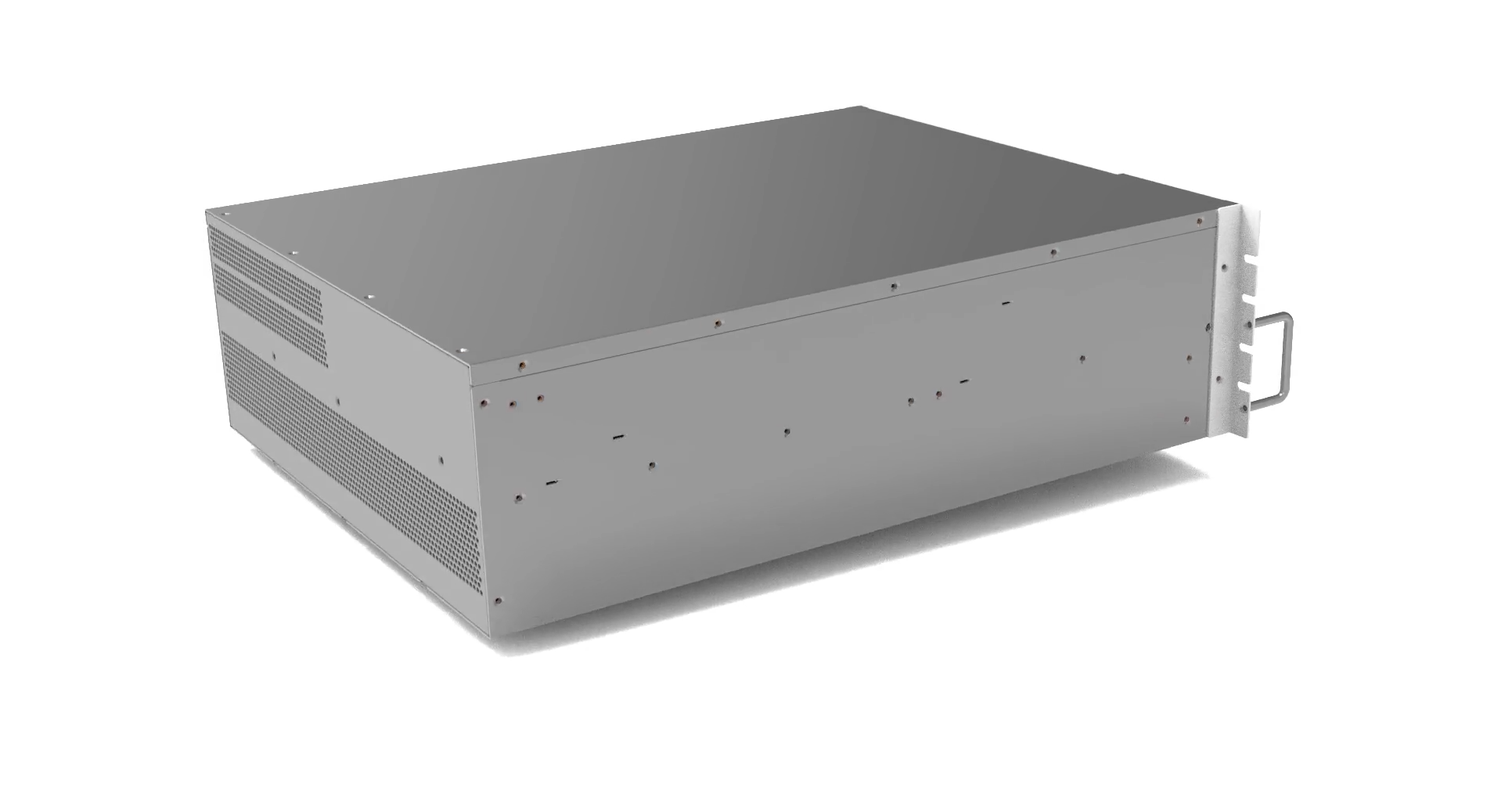
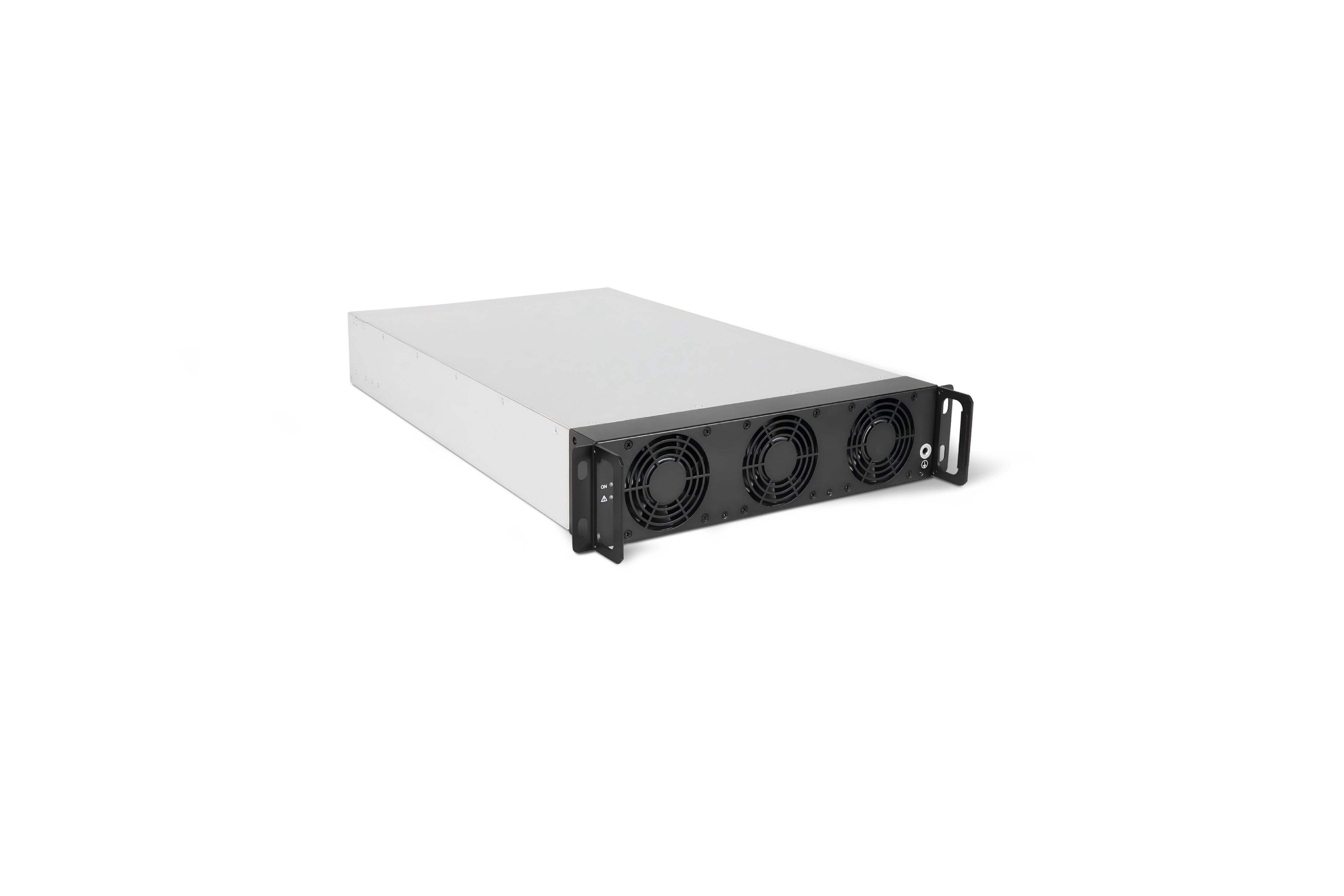
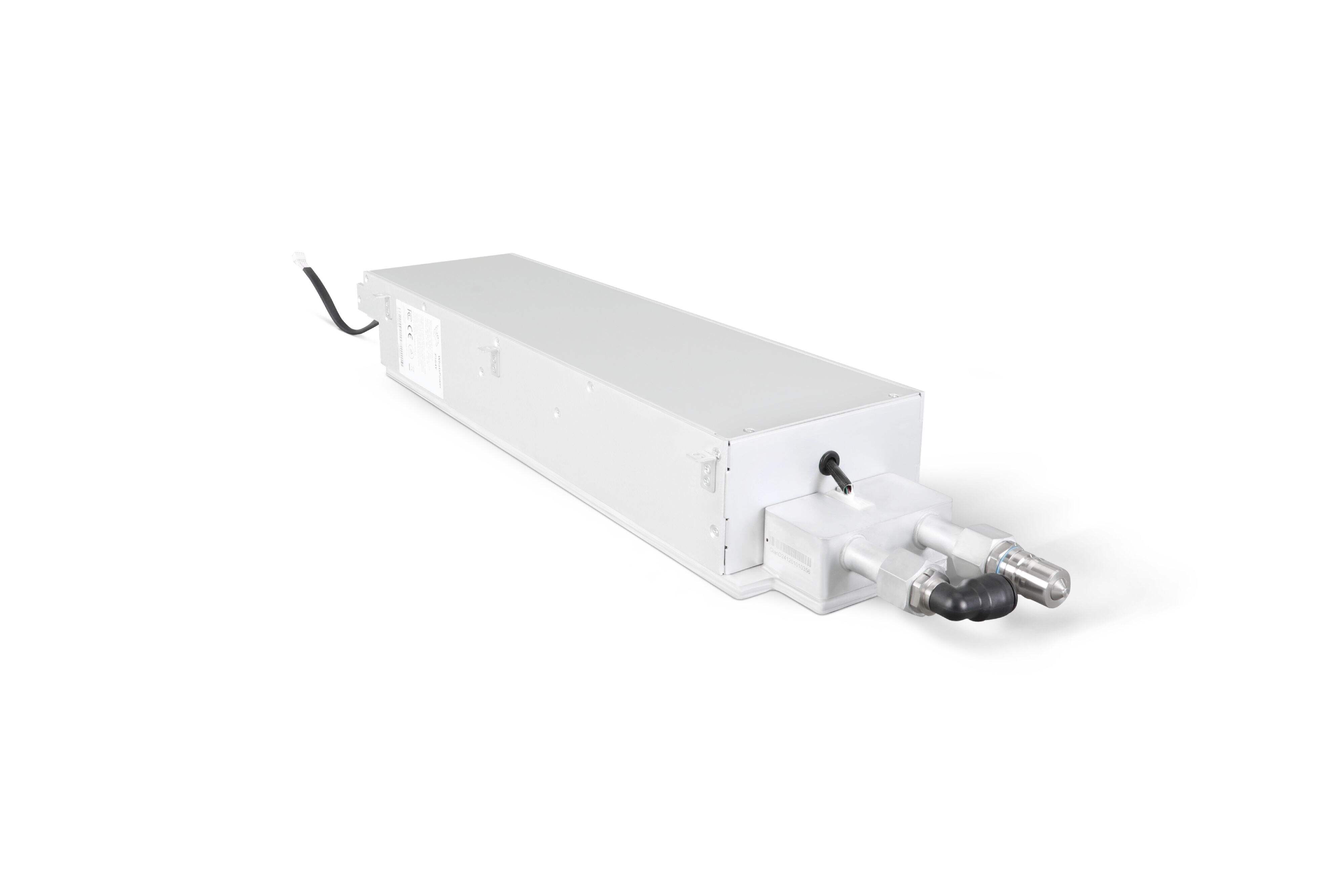
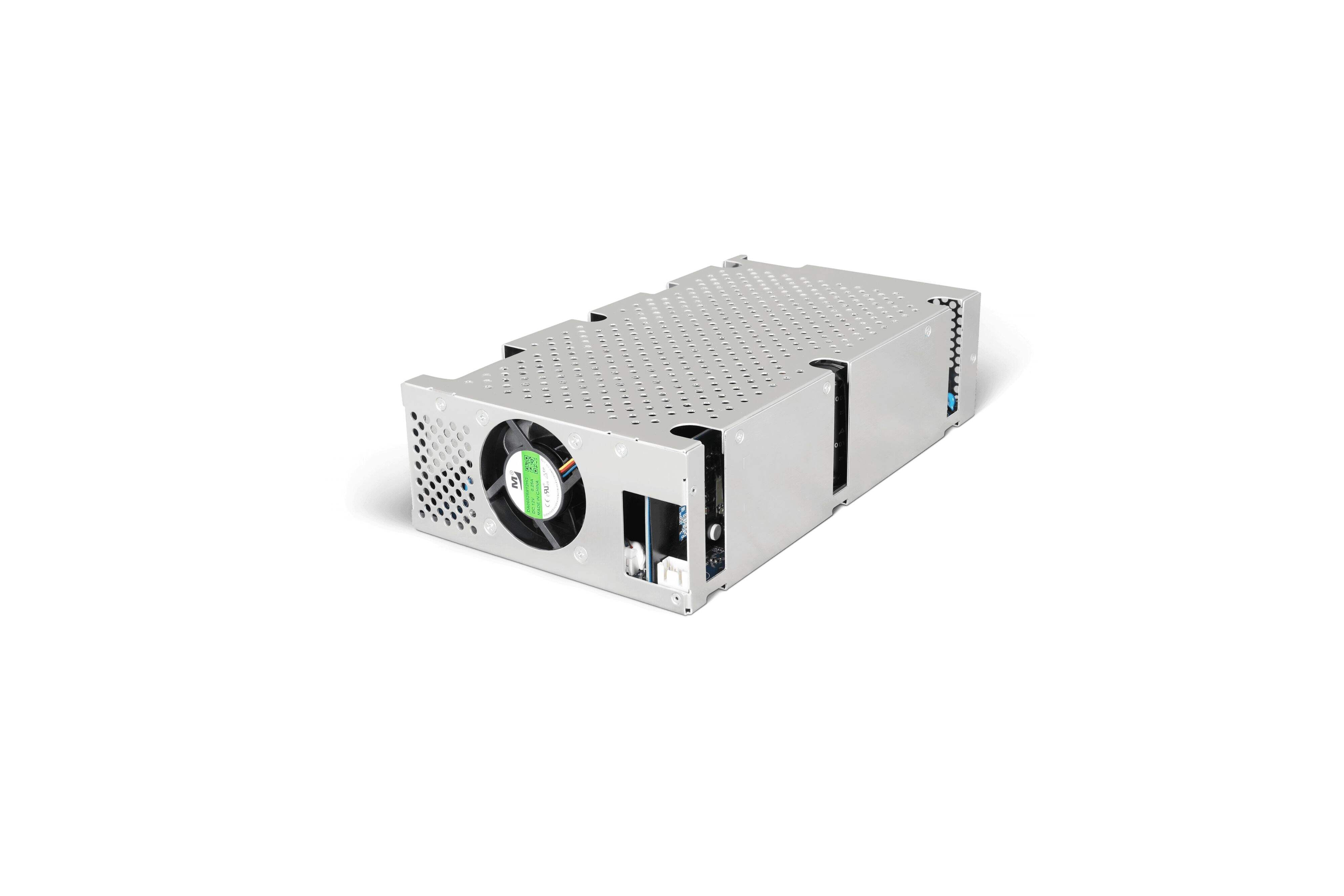
DC DC converter efficiency represents a critical performance metric that determines how effectively these electronic devices transform direct current voltage from one level to another while minimizing energy losses. These sophisticated power conversion systems serve as the backbone of modern electronic applications, enabling seamless voltage regulation across diverse operational requirements. The primary function of DC DC converter efficiency centers on maximizing power transfer while reducing heat generation and energy waste during the conversion process. Modern DC DC converters achieve remarkable efficiency ratings, typically ranging from 85% to 98%, depending on their design architecture and operational conditions. The technological foundation of DC DC converter efficiency relies on advanced switching technologies, including pulse-width modulation (PWM) and sophisticated control algorithms that optimize performance across varying load conditions. These converters incorporate high-frequency switching elements, premium magnetic components, and intelligent feedback systems that continuously monitor and adjust operational parameters to maintain peak efficiency. The efficiency characteristics directly impact system reliability, thermal management requirements, and overall operational costs. Key applications for high-efficiency DC DC converters span automotive electronics, renewable energy systems, telecommunications infrastructure, industrial automation, portable devices, and data centers. In automotive applications, DC DC converter efficiency becomes paramount for electric vehicle battery management and power distribution systems. Renewable energy installations depend on these converters to maximize solar panel and wind turbine energy harvesting while ensuring optimal power delivery to storage systems or grid connections. Telecommunications equipment requires stable, efficient power conversion to maintain network reliability and reduce operational expenses. The efficiency performance of these converters significantly influences system design considerations, including cooling requirements, component sizing, and long-term operational sustainability across all application domains.

 EN
EN