DC Distribution Systems and Microgrids: Complete Guide to Modern Energy Solutions

All Categories

Get a Free Quote

Our representative will contact you soon.
Email
Name
Company Name
Message
0/1000

dc distribution systems and microgrids

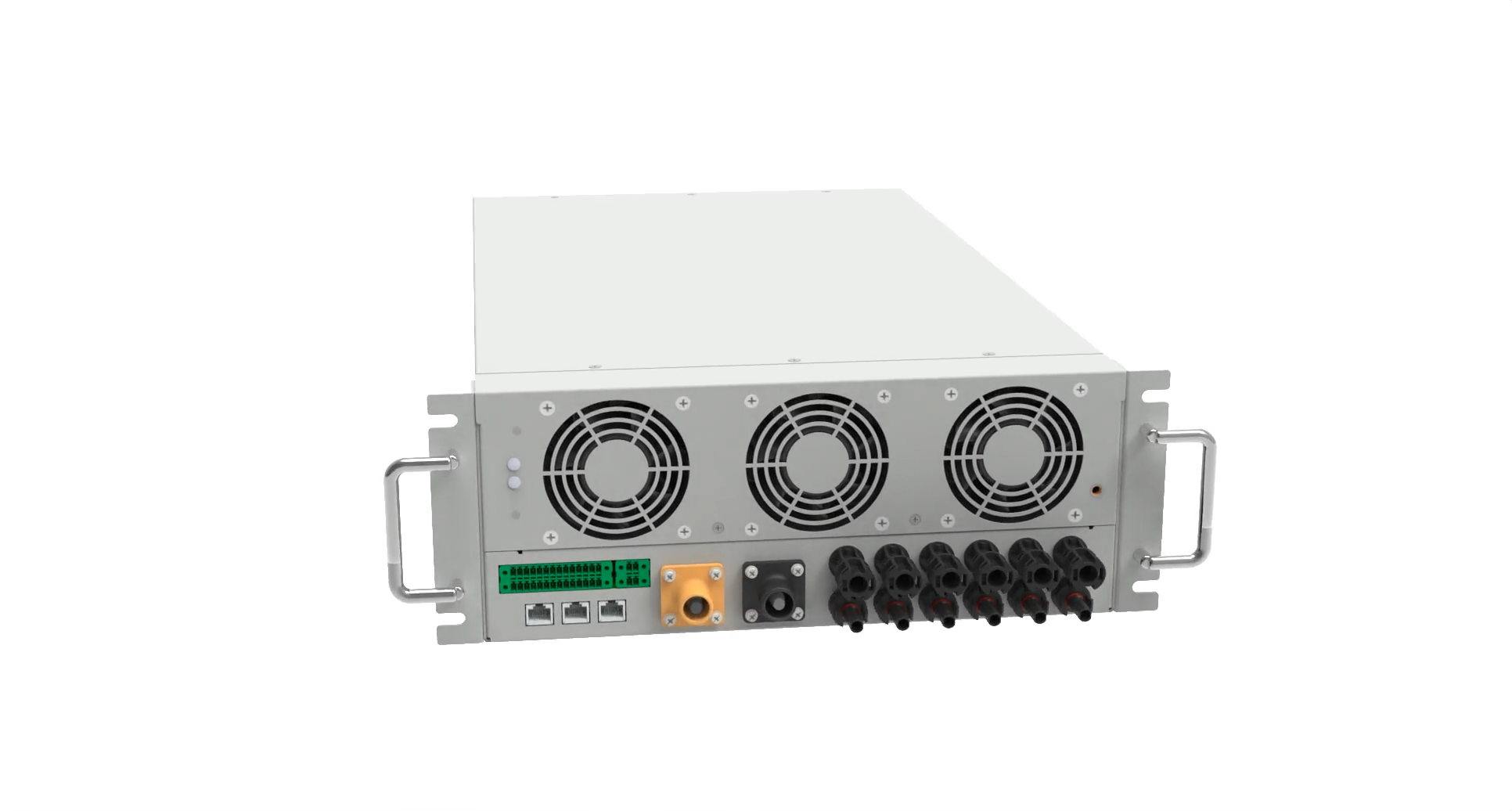
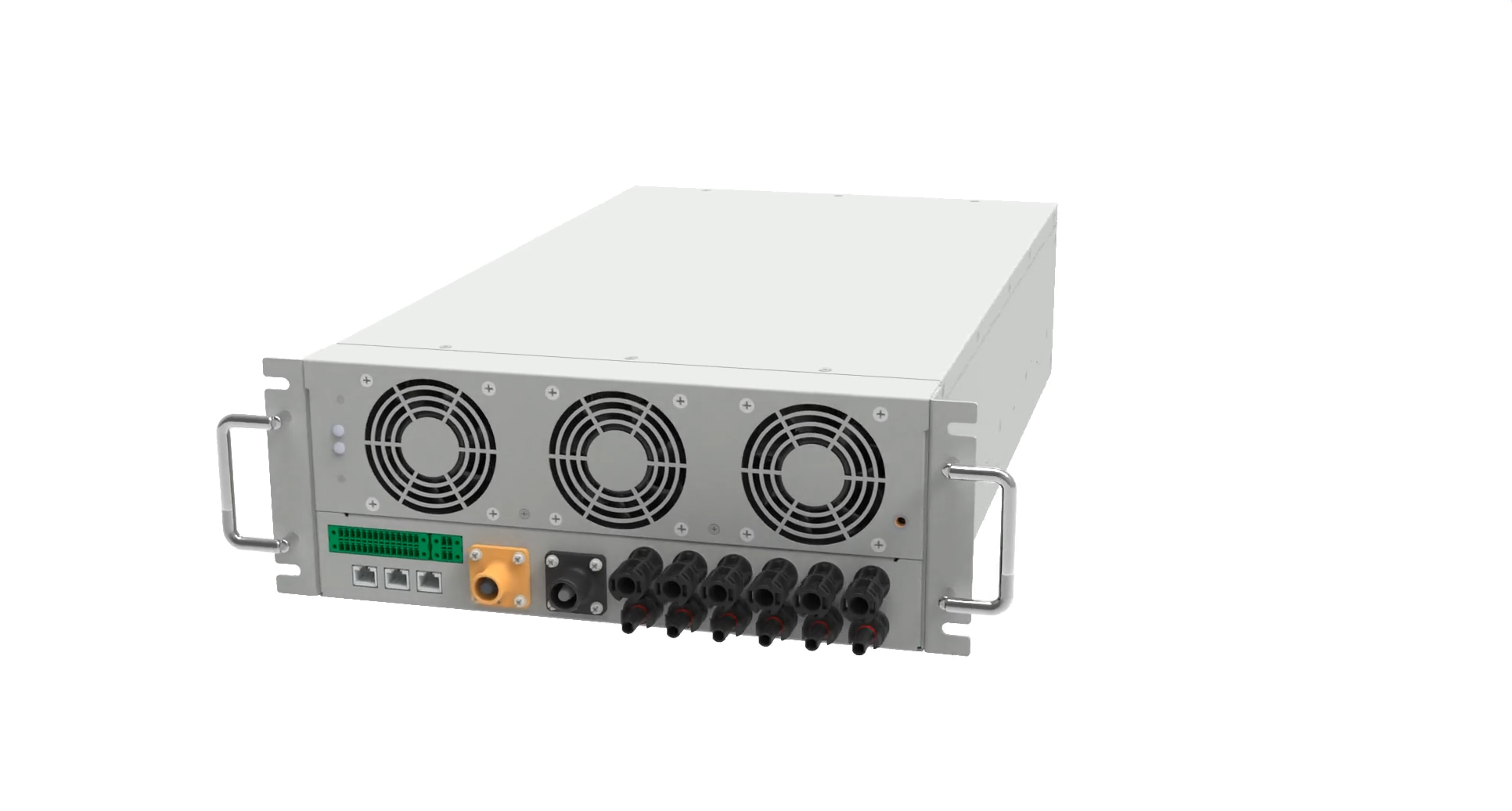
DC distribution systems and microgrids represent a revolutionary approach to modern electrical infrastructure, offering enhanced efficiency and reliability for diverse applications. These systems utilize direct current electricity distribution instead of traditional alternating current, creating localized energy networks that can operate independently or in conjunction with the main electrical grid. DC distribution systems and microgrids integrate multiple energy sources including solar panels, wind turbines, battery storage, and backup generators to create resilient power networks. The main functions encompass energy generation, storage, distribution, and intelligent load management through advanced control systems. These networks automatically balance supply and demand while maintaining optimal voltage levels and power quality throughout the system. Technological features include smart inverters that convert between AC and DC power, sophisticated energy management software that optimizes resource allocation, and communication protocols that enable real-time monitoring and control. Advanced protection systems detect faults instantly and isolate affected areas to prevent widespread outages. DC distribution systems and microgrids employ modular designs that allow easy expansion and customization based on specific requirements. Applications span residential communities, commercial complexes, industrial facilities, military bases, remote locations, and critical infrastructure like hospitals and data centers. These systems prove particularly valuable in areas with unreliable grid connections or where energy independence is crucial. Educational institutions utilize dc distribution systems and microgrids to reduce operating costs while providing hands-on learning opportunities for students. Agricultural operations benefit from reliable power for irrigation systems, livestock facilities, and crop processing equipment. Emergency response centers depend on these systems to maintain communications and coordination capabilities during natural disasters or grid failures.


New Product Releases

DC distribution systems and microgrids deliver substantial cost savings through reduced energy bills and lower infrastructure maintenance requirements. Property owners typically experience 20-40 percent reductions in electricity costs by generating their own power from renewable sources and avoiding peak demand charges. These systems eliminate transmission losses that occur over long distances in traditional grids, improving overall energy efficiency by up to 15 percent. Installation costs continue declining as solar panel prices drop and battery technology advances, making dc distribution systems and microgrids increasingly affordable for businesses and homeowners. Reliability improvements represent another significant advantage, as these systems provide uninterrupted power during grid outages through built-in backup capabilities. Automated switching mechanisms seamlessly transition between grid power and local generation, ensuring continuous operation of critical equipment. This reliability proves invaluable for medical facilities, manufacturing plants, and telecommunications infrastructure where power interruptions cause significant financial losses or safety concerns. Environmental benefits include reduced carbon emissions through increased renewable energy utilization and decreased reliance on fossil fuel-powered grid electricity. DC distribution systems and microgrids enable higher penetration of solar and wind power by providing local storage and load balancing capabilities. These systems help organizations meet sustainability goals while potentially qualifying for tax incentives and green building certifications. Energy independence offers strategic advantages by reducing exposure to utility rate increases and supply disruptions. Communities with dc distribution systems and microgrids can maintain essential services during emergencies and natural disasters when centralized infrastructure fails. Scalability allows gradual system expansion as energy needs grow or additional renewable sources become available. Users can start with basic configurations and add components over time without major system redesigns. Remote monitoring capabilities enable predictive maintenance that prevents equipment failures and optimizes performance automatically. Advanced analytics identify inefficiencies and recommend improvements that further reduce operating costs and environmental impact.

Practical Tips

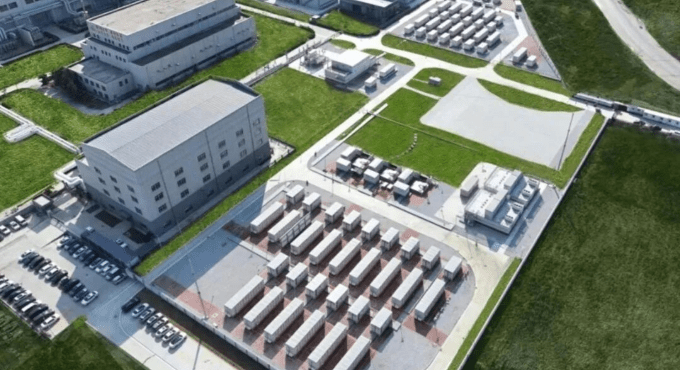
A Power Station That Doesn’t Generate Electricity — Yet Moves 120 Million kWh a Year

18

Dec

A Power Station That Doesn’t Generate Electricity — Yet Moves 120 Million kWh a Year

View More
BOCO Electronics Brings Hengyang Intelligent Manufacturing Base Online, Expanding Annual Production Beyond One Million Units

18

Dec

BOCO Electronics Brings Hengyang Intelligent Manufacturing Base Online, Expanding Annual Production Beyond One Million Units

View More
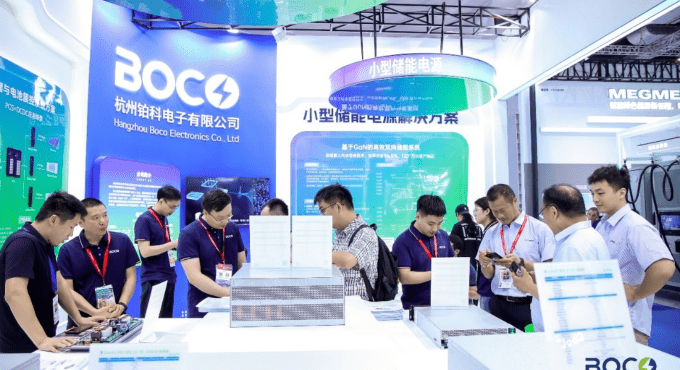
BOCO Electronics Demonstrates System-Level Power Conversion Innovation at SNEC 2025

18

Dec

BOCO Electronics Demonstrates System-Level Power Conversion Innovation at SNEC 2025

View More

Get a Free Quote

Our representative will contact you soon.
Email
Name
Company Name
Message
0/1000

dc distribution systems and microgrids

Advanced Energy Storage Integration

Advanced Energy Storage Integration

Modern dc distribution systems and microgrids excel at seamlessly integrating multiple types of energy storage technologies to create highly flexible and responsive power networks. Battery storage systems form the backbone of these installations, utilizing lithium-ion, flow batteries, or emerging solid-state technologies to store excess energy generated during peak production periods. This stored energy becomes available instantly when renewable generation decreases or demand increases, eliminating the intermittency challenges traditionally associated with solar and wind power. The intelligent energy management systems continuously analyze weather forecasts, historical usage patterns, and real-time demand to optimize charging and discharging cycles, maximizing battery lifespan while ensuring adequate backup power reserves. DC distribution systems and microgrids can incorporate diverse storage solutions including compressed air systems, flywheel storage, and thermal energy storage to match specific application requirements and economic considerations. Advanced battery management systems monitor individual cell performance, temperature, and state of charge to prevent degradation and ensure safe operation throughout the system lifecycle. These storage capabilities enable peak shaving strategies that reduce demand charges by drawing from batteries during expensive peak rate periods while charging during off-peak hours when electricity costs less. For commercial and industrial users, this functionality can reduce monthly electricity bills by thousands of dollars while providing valuable grid services like frequency regulation and voltage support. Emergency backup capabilities ensure critical loads receive power for extended periods during grid outages, with systems designed to provide anywhere from several hours to multiple days of autonomous operation depending on storage capacity and load requirements. The modular nature of modern storage systems allows users to add capacity incrementally as needs change or as storage costs continue declining, providing excellent scalability and investment protection.
Intelligent Load Management and Optimization

Intelligent Load Management and Optimization

DC distribution systems and microgrids incorporate sophisticated load management capabilities that automatically prioritize essential equipment while optimizing energy consumption across all connected devices and systems. Smart load controllers continuously monitor power demand patterns and adjust operation schedules to minimize peak loads and reduce overall energy consumption without compromising comfort or productivity. These systems can automatically defer non-critical loads like water heating, HVAC systems, and manufacturing equipment to periods when renewable generation is abundant or grid electricity rates are lower. Machine learning algorithms analyze historical consumption data to predict future demand and proactively adjust system operation to maintain optimal efficiency. During grid outages, intelligent load shedding ensures critical equipment receives priority while less essential loads are temporarily disconnected to extend backup power duration. DC distribution systems and microgrids can communicate with smart appliances and equipment to negotiate power usage and coordinate operation schedules that benefit both individual users and the overall system. Demand response capabilities allow these systems to participate in utility programs that provide financial incentives for reducing consumption during peak periods or grid stress events. Real-time pricing integration enables automatic responses to changing electricity rates, shifting loads to take advantage of lower prices while avoiding expensive peak periods. Advanced forecasting combines weather data, occupancy schedules, and equipment maintenance requirements to optimize energy usage several days in advance, ensuring maximum efficiency and cost savings. Load disaggregation technology identifies individual equipment consumption patterns, enabling targeted efficiency improvements and equipment fault detection that prevents energy waste. These intelligent systems provide detailed reporting and analytics that help facility managers identify opportunities for additional savings and track progress toward sustainability goals, making dc distribution systems and microgrids valuable tools for comprehensive energy management strategies.
Seamless Grid Integration and Islanding Capabilities

Seamless Grid Integration and Islanding Capabilities

The grid integration features of dc distribution systems and microgrids enable bidirectional power flow that benefits both system owners and the broader electrical infrastructure through advanced interconnection technologies and control systems. These systems can export excess renewable energy to the utility grid during periods of high generation, creating revenue streams through net metering or feed-in tariff programs while supporting grid stability and renewable energy goals. Sophisticated inverter technologies ensure power quality meets strict utility interconnection standards while providing grid support services like voltage regulation, frequency response, and reactive power compensation. During normal operation, dc distribution systems and microgrids work in parallel with utility power to reduce demand charges and provide backup capabilities without any disruption to connected loads or equipment. The seamless islanding capability allows automatic disconnection from the utility grid during outages while maintaining power to local loads through stored energy and local generation sources. Advanced synchronization systems enable smooth reconnection to the grid once utility power is restored, preventing equipment damage and ensuring continuous operation throughout transition periods. Grid-forming capabilities allow these systems to establish stable voltage and frequency references that enable connection of additional loads or generation sources during islanded operation. Black start capabilities mean dc distribution systems and microgrids can restart from complete shutdown without external power sources, providing valuable resilience during widespread outages or emergency situations. Cybersecurity features protect against potential threats while maintaining communication with utility systems for coordination and optimization purposes. These systems can participate in virtual power plant programs that aggregate multiple distributed energy resources to provide grid services at scale, creating additional revenue opportunities for system owners. Standardized communication protocols ensure compatibility with existing utility infrastructure while enabling future integration of new technologies and services, making dc distribution systems and microgrids future-proof investments that will continue providing value as the electrical grid evolves toward greater decentralization and renewable energy integration.

Get a Free Quote

Our representative will contact you soon.
Email
Name
Company Name
Message
0/1000