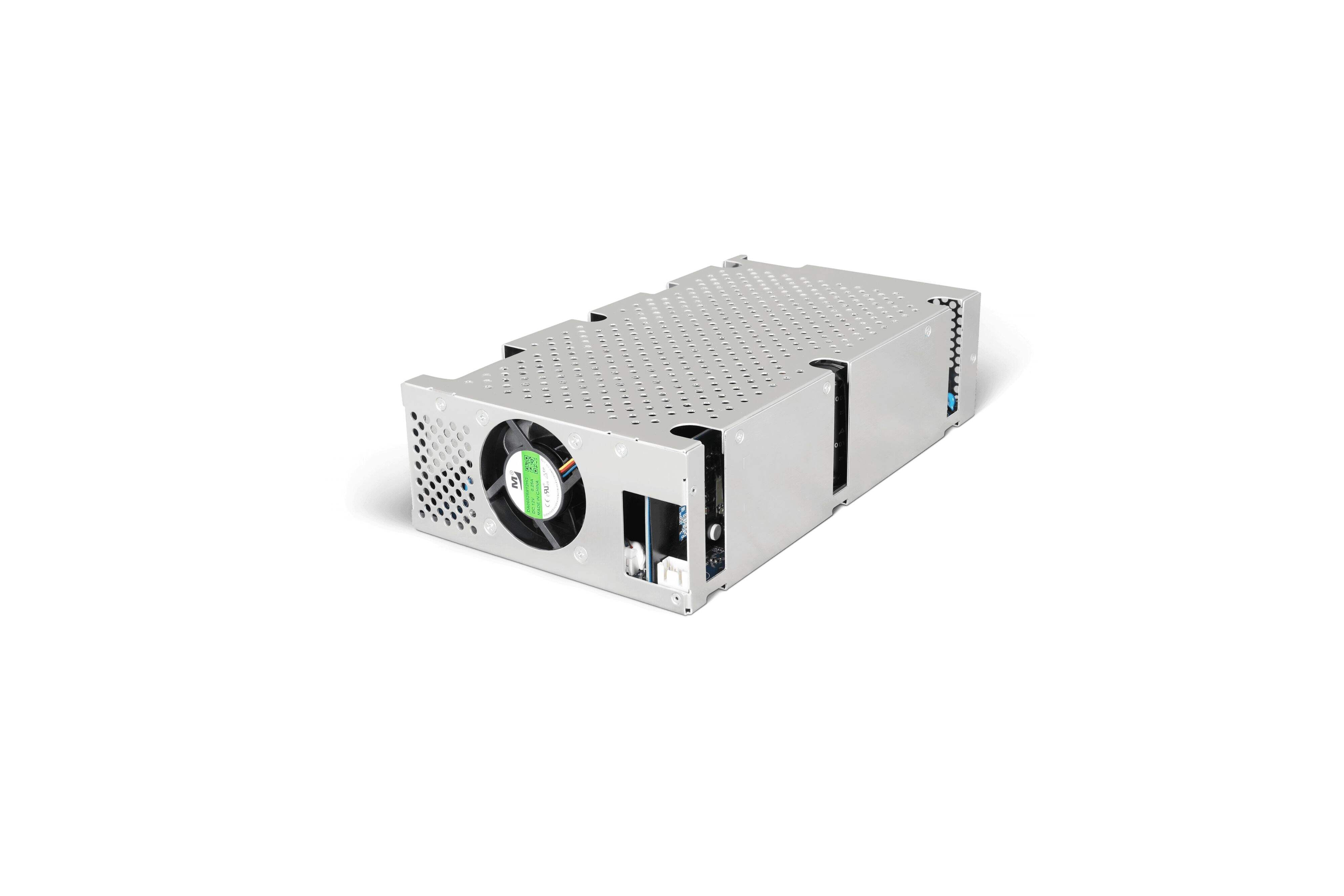
dc microgrid system
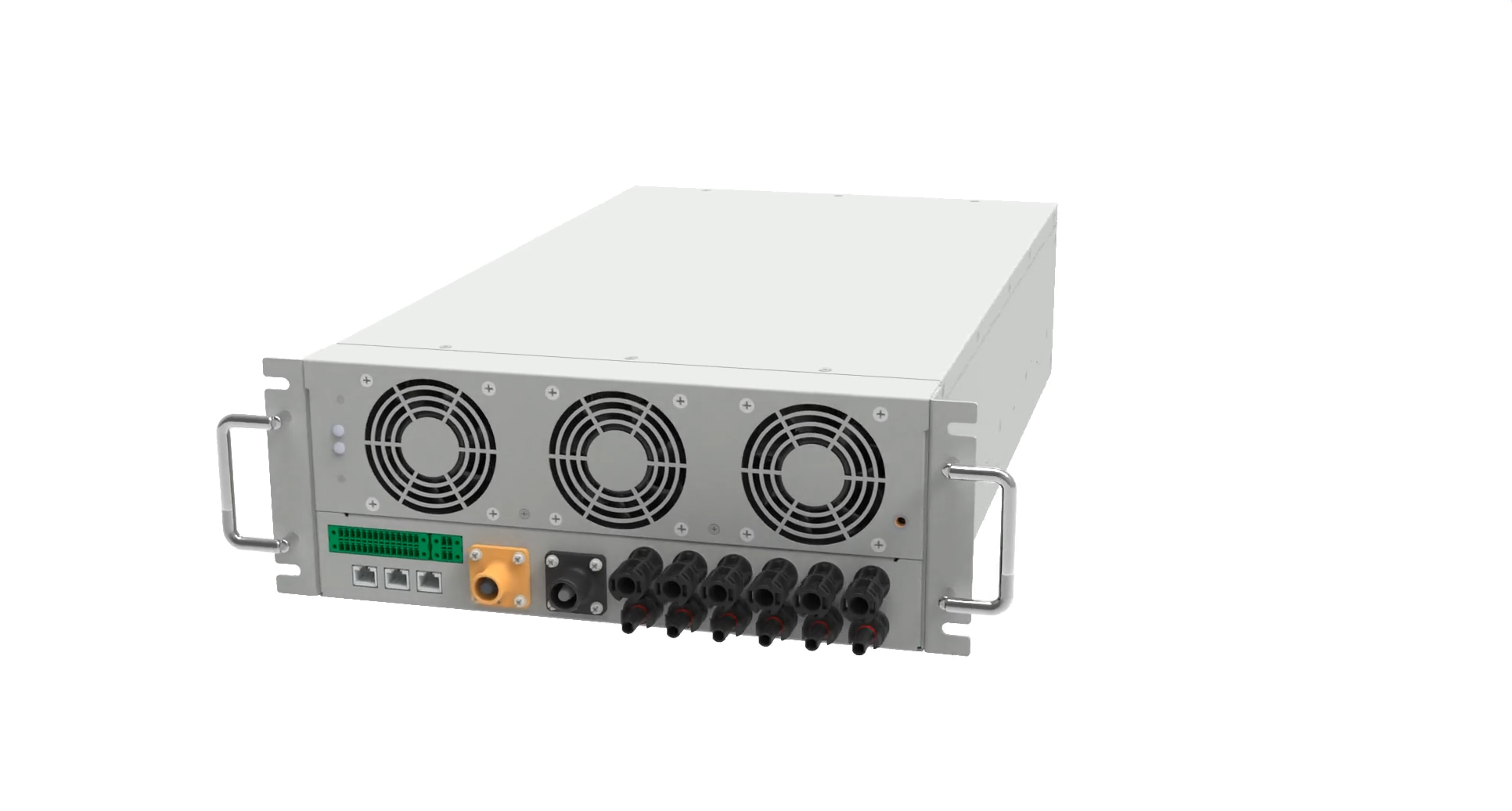
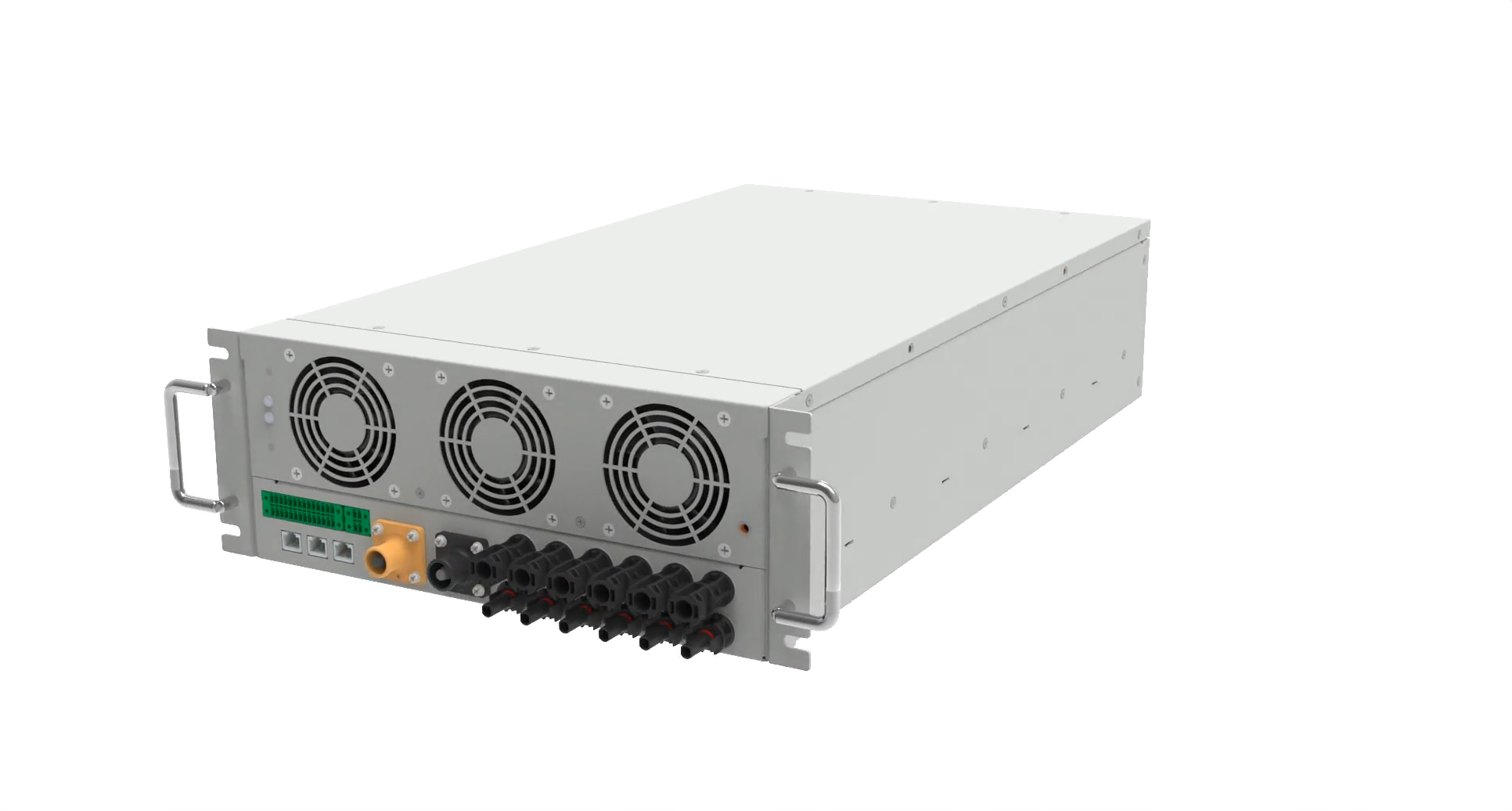
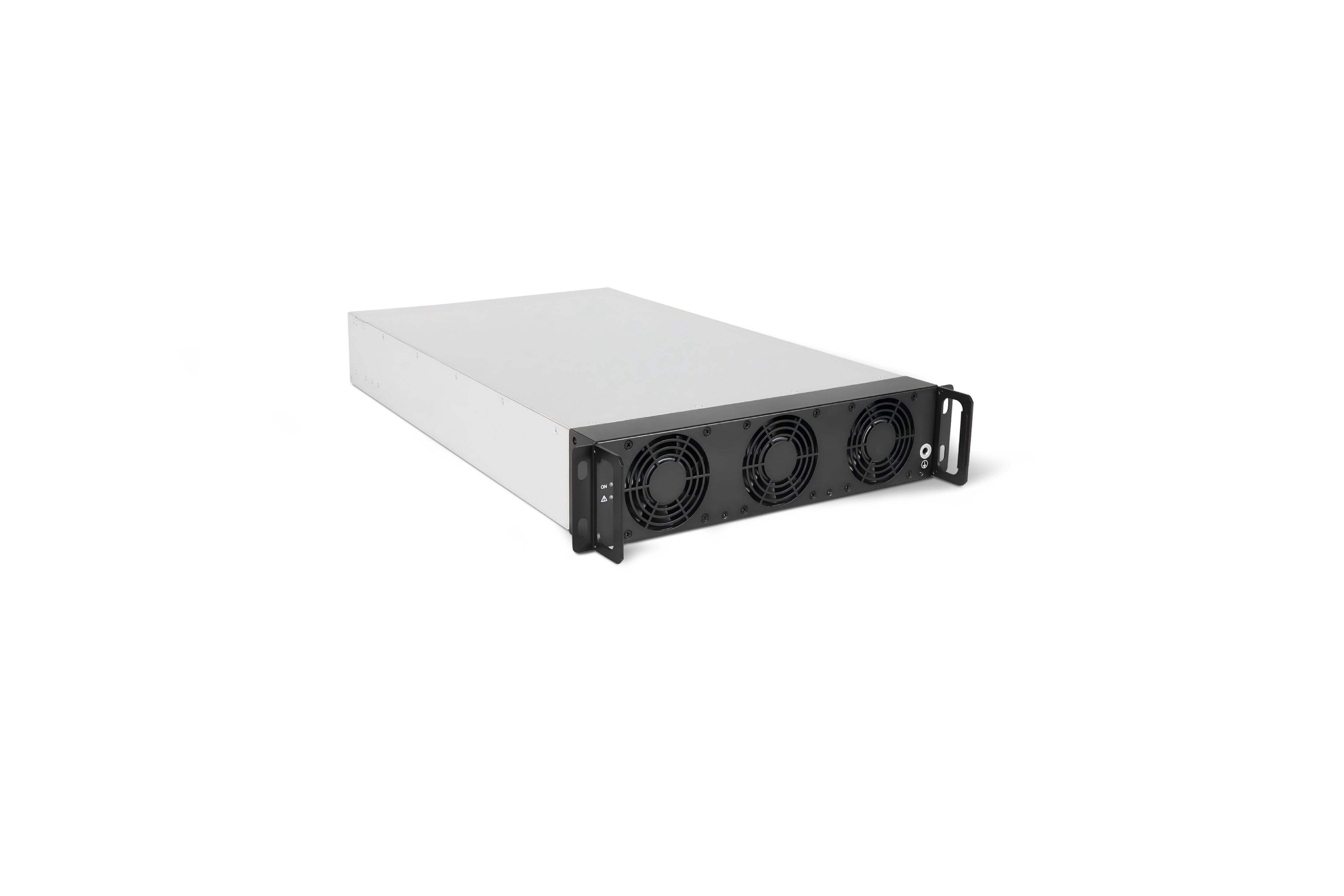
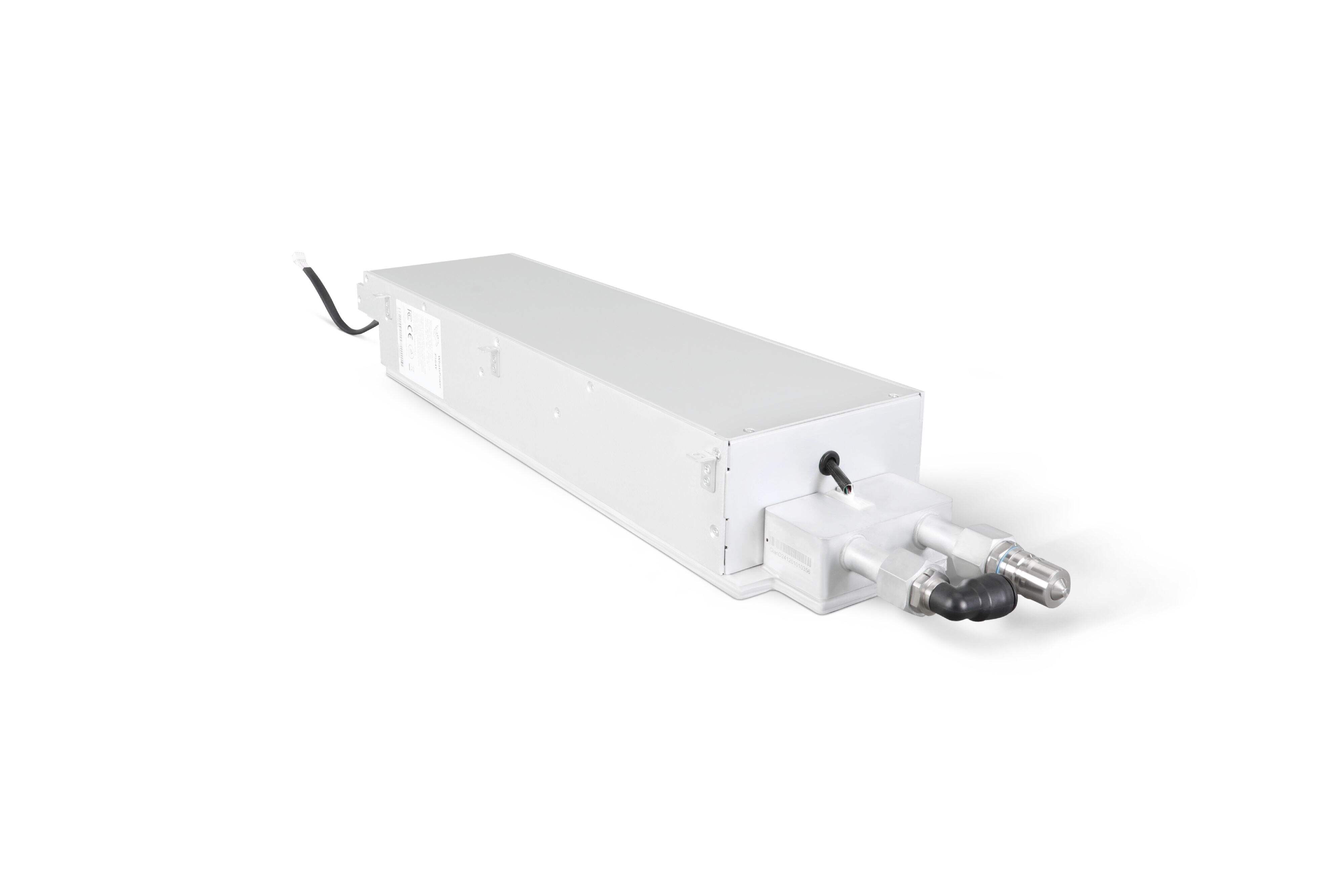
A dc microgrid system represents a revolutionary approach to local energy distribution that operates on direct current electricity, fundamentally transforming how communities, businesses, and industrial facilities manage their power needs. Unlike traditional alternating current grids, the dc microgrid system connects various distributed energy resources including solar panels, wind turbines, battery storage units, and backup generators through a unified direct current network. This innovative electrical infrastructure provides autonomous operation capabilities while maintaining the flexibility to connect with the main utility grid when beneficial. The dc microgrid system incorporates advanced power electronics, intelligent control systems, and sophisticated monitoring technologies to ensure optimal energy flow management. Its primary functions encompass load balancing, renewable energy integration, energy storage coordination, and seamless grid interconnection. The system continuously monitors energy production, consumption patterns, and storage levels to make intelligent decisions about power distribution. During normal operations, the dc microgrid system can operate in grid-connected mode, drawing supplemental power from the utility when needed or feeding excess energy back to the main grid. When utility outages occur, the system automatically switches to island mode, maintaining critical loads through local generation and stored energy. Key technological features include bidirectional power converters, smart inverters, energy management software, and real-time communication protocols. The dc microgrid system utilizes advanced algorithms for predictive analytics, enabling proactive maintenance and optimal resource allocation. Applications span across residential communities, commercial complexes, industrial facilities, military bases, hospitals, educational institutions, and remote locations where reliable power is essential. The system proves particularly valuable in areas with unreliable grid infrastructure or high electricity costs, providing energy independence and resilience against power disruptions while supporting sustainability goals through enhanced renewable energy utilization.

 EN
EN