Advanced DC-DC Converter for Battery Charging and Discharging - High-Efficiency Power Management Solutions

All Categories

Get a Free Quote

Our representative will contact you soon.
Email
Name
Company Name
Message
0/1000

dc-dc converter for battery charging and discharging

DC-DC converter for battery charging and discharging represents a critical technological advancement in modern energy management systems. This sophisticated electronic device enables efficient power conversion between different voltage levels while maintaining optimal battery performance throughout both charging and discharging cycles. The primary function of this converter involves transforming direct current from one voltage level to another, ensuring seamless energy transfer between power sources, batteries, and connected loads. During charging operations, the DC-DC converter for battery charging and discharging regulates incoming power to match specific battery requirements, preventing overcharging and extending battery lifespan. Conversely, during discharging phases, it maintains stable output voltage despite fluctuating battery voltage levels. These converters incorporate advanced switching technologies, including pulse-width modulation and synchronous rectification, which maximize energy efficiency while minimizing heat generation. Key technological features include programmable voltage and current limits, real-time monitoring capabilities, and intelligent protection mechanisms. The converter continuously monitors battery parameters such as voltage, current, temperature, and state of charge, automatically adjusting its operation accordingly. Modern DC-DC converter for battery charging and discharging systems feature bidirectional power flow capability, allowing energy to move seamlessly between batteries and external circuits. Applications span across automotive, renewable energy, telecommunications, industrial equipment, and portable electronics sectors. In electric vehicles, these converters manage power flow between main battery packs and auxiliary systems. Solar energy installations utilize them for efficient battery storage and grid integration. Telecommunications infrastructure relies on these devices for backup power management during outages. The versatility of DC-DC converter for battery charging and discharging technology makes it indispensable for any application requiring reliable, efficient power management with precise battery care capabilities.


New Products

The DC-DC converter for battery charging and discharging offers numerous practical benefits that directly impact performance, cost savings, and system reliability. Energy efficiency stands as the most significant advantage, with modern converters achieving efficiency rates exceeding 95 percent. This high efficiency translates into reduced energy waste, lower operating costs, and minimal heat generation during operation. Users experience substantial electricity bill reductions while contributing to environmental sustainability through decreased energy consumption. Battery life extension represents another crucial benefit of implementing DC-DC converter for battery charging and discharging systems. These converters provide precise voltage and current control, preventing harmful overcharging and deep discharge conditions that typically shorten battery lifespan. By maintaining optimal charging profiles and preventing voltage fluctuations, users can expect battery life increases of 30 to 50 percent compared to conventional charging methods. This extended lifespan directly reduces replacement costs and maintenance requirements. System reliability improves dramatically through intelligent protection features integrated within DC-DC converter for battery charging and discharging units. Built-in safety mechanisms protect against overvoltage, undervoltage, overcurrent, and overtemperature conditions, preventing costly equipment damage and ensuring continuous operation. Users benefit from reduced downtime and maintenance expenses while enjoying peace of mind regarding system safety. Flexibility in voltage compatibility allows single converter units to work with various battery types and voltage requirements. This adaptability eliminates the need for multiple specialized chargers, reducing inventory costs and simplifying system design. The bidirectional capability enables energy recovery during regenerative processes, further improving overall system efficiency. Installation simplicity and compact designs minimize space requirements while reducing installation costs. Modern DC-DC converter for battery charging and discharging systems feature plug-and-play functionality with intuitive controls, making them accessible to users without extensive technical expertise. Remote monitoring capabilities allow users to track system performance and battery health from anywhere, enabling proactive maintenance and optimal performance management. These combined advantages result in lower total cost of ownership, improved system performance, and enhanced operational reliability.

Practical Tips

A Power Station That Doesn’t Generate Electricity — Yet Moves 120 Million kWh a Year

18

Dec

A Power Station That Doesn’t Generate Electricity — Yet Moves 120 Million kWh a Year

View More
BOCO Electronics Brings Hengyang Intelligent Manufacturing Base Online, Expanding Annual Production Beyond One Million Units

18

Dec

BOCO Electronics Brings Hengyang Intelligent Manufacturing Base Online, Expanding Annual Production Beyond One Million Units

View More
BOCO Electronics Demonstrates System-Level Power Conversion Innovation at SNEC 2025

18

Dec

BOCO Electronics Demonstrates System-Level Power Conversion Innovation at SNEC 2025

View More

Get a Free Quote

Our representative will contact you soon.
Email
Name
Company Name
Message
0/1000

dc-dc converter for battery charging and discharging

Advanced Bidirectional Power Management Technology

Advanced Bidirectional Power Management Technology

The DC-DC converter for battery charging and discharging incorporates cutting-edge bidirectional power management technology that revolutionizes energy handling capabilities in modern applications. This sophisticated feature enables seamless power flow in both directions, allowing the converter to efficiently charge batteries from external sources while simultaneously supporting discharge operations to power connected loads. The bidirectional functionality proves particularly valuable in applications requiring energy recovery, such as electric vehicles with regenerative braking systems or grid-tied energy storage installations. During regenerative events, kinetic energy converts back into electrical energy, which the DC-DC converter for battery charging and discharging captures and redirects to battery storage rather than dissipating as waste heat. This process significantly improves overall system efficiency and extends operational range in mobile applications. The technology employs advanced switching algorithms and synchronous rectification techniques to minimize conversion losses during both charging and discharging phases. Power transistors operate with precise timing control, reducing switching losses and electromagnetic interference while maintaining stable output characteristics. The converter continuously monitors power flow direction and automatically adjusts its internal configuration to optimize performance for current operating conditions. Smart load balancing ensures optimal power distribution across multiple battery cells or modules, preventing individual cell degradation and maintaining uniform charge levels throughout the battery pack. Users benefit from simplified system architecture since a single DC-DC converter for battery charging and discharging unit replaces multiple unidirectional devices, reducing component count, installation complexity, and overall system costs. The bidirectional capability also enables peak shaving applications where stored battery energy supplements grid power during high-demand periods, potentially reducing electricity costs and grid strain. Integration with renewable energy systems becomes seamless, allowing solar panels to charge batteries during peak production while enabling battery power to support loads during low production periods.
Intelligent Battery Protection and Health Monitoring

Intelligent Battery Protection and Health Monitoring

The DC-DC converter for battery charging and discharging features comprehensive intelligent protection systems that safeguard battery investments while maximizing performance and lifespan. Advanced microprocessor-based control units continuously monitor critical battery parameters including voltage, current, temperature, and internal resistance, providing real-time health assessment and predictive maintenance capabilities. These monitoring systems detect early signs of battery degradation, enabling proactive maintenance interventions before costly failures occur. Temperature compensation algorithms automatically adjust charging profiles based on ambient and battery temperatures, preventing thermal stress that typically reduces battery capacity and lifespan. The converter implements multi-stage charging protocols tailored to specific battery chemistries, ensuring optimal charging characteristics for lithium-ion, lead-acid, or other battery types. Precision current limiting prevents excessive charging currents that can cause internal heating and accelerated aging, while voltage regulation maintains safe operating levels throughout the charging cycle. The DC-DC converter for battery charging and discharging incorporates sophisticated balancing circuits that equalize charge levels across individual battery cells, preventing capacity mismatches that reduce overall pack performance. Cell-level monitoring identifies weak or failing cells before they impact entire battery systems, enabling targeted maintenance and replacement strategies. Adaptive charging algorithms learn from historical performance data, optimizing charging profiles for specific operating conditions and usage patterns. Protection features include overvoltage shutdown, undervoltage lockout, overcurrent protection, and thermal management systems that prevent dangerous operating conditions. Ground fault detection and isolation capabilities ensure safe operation in challenging environments. The system provides comprehensive data logging and communication interfaces, enabling integration with building management systems or remote monitoring platforms. Users receive detailed reports on battery health, energy consumption patterns, and system efficiency metrics. Alarm systems provide immediate notification of abnormal conditions, while programmable parameters allow customization for specific applications. This intelligent approach reduces maintenance costs, extends equipment life, and provides valuable insights for optimizing energy management strategies.
Compact High-Efficiency Power Conversion Platform

Compact High-Efficiency Power Conversion Platform

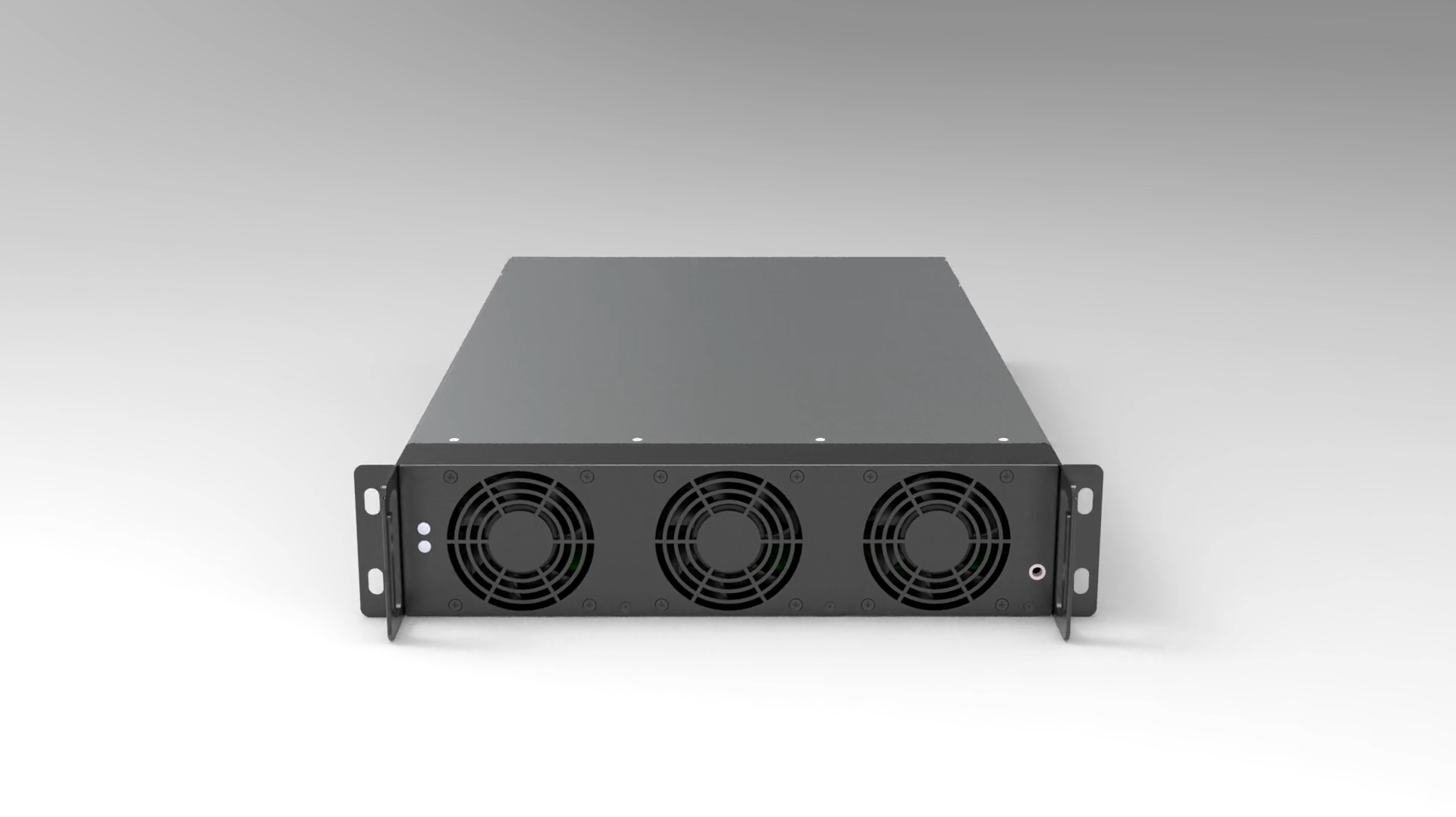
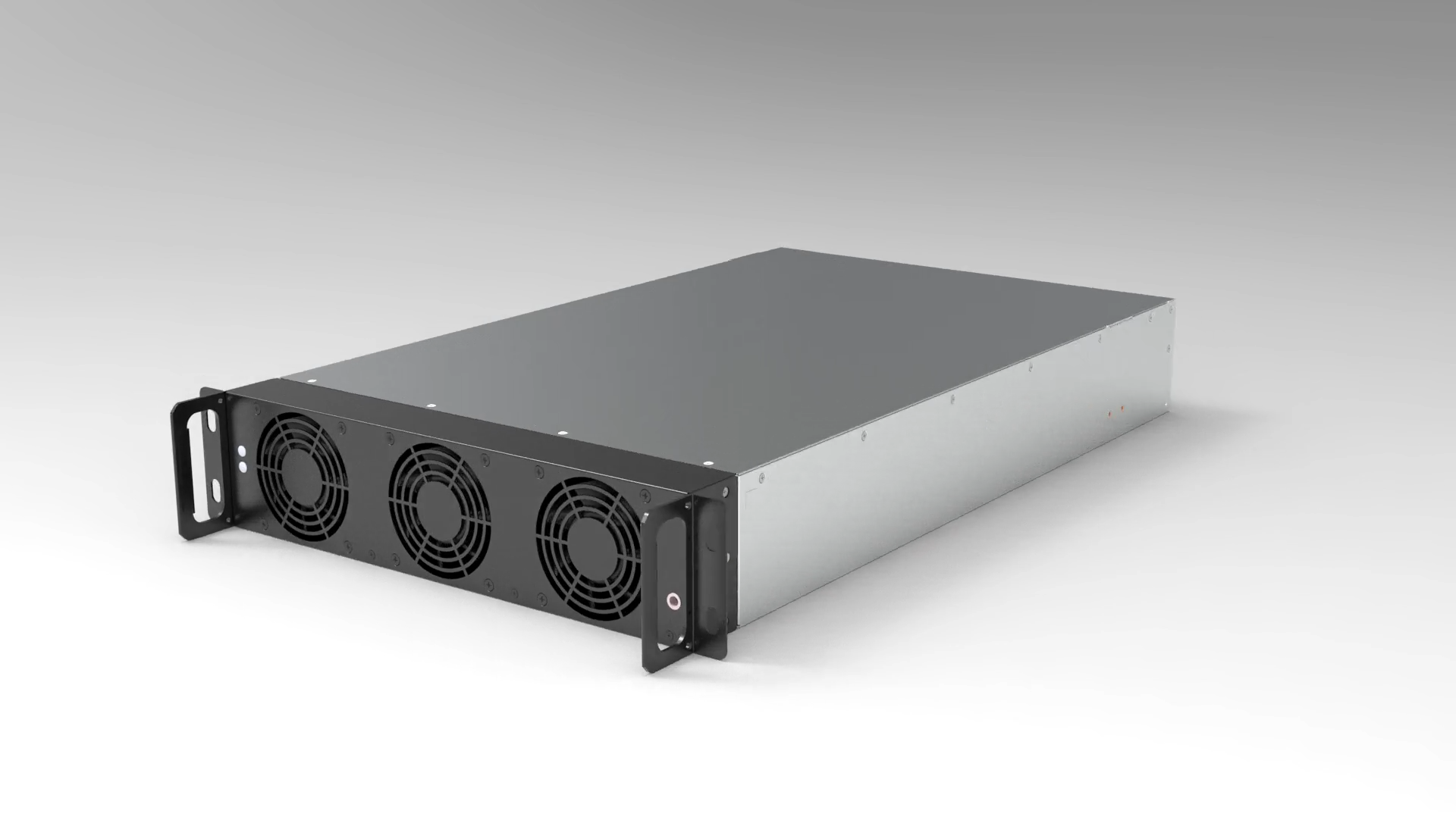
The DC-DC converter for battery charging and discharging delivers exceptional power density through innovative design techniques that maximize performance while minimizing physical footprint and installation requirements. Advanced power semiconductor technologies, including silicon carbide and gallium nitride devices, enable higher switching frequencies and reduced component sizes compared to traditional silicon-based solutions. These wide-bandgap semiconductors operate at elevated temperatures with lower conduction losses, allowing more compact heat sink designs and improved thermal management. The converter achieves power densities exceeding 50 watts per cubic inch while maintaining efficiency levels above 95 percent across wide load ranges. Modular construction techniques enable scalable power capabilities, allowing users to configure systems from hundreds of watts to megawatt-scale installations using standardized building blocks. This scalability reduces engineering costs and simplifies system expansion as power requirements grow. The DC-DC converter for battery charging and discharging utilizes advanced magnetic components with optimized core materials and winding techniques to minimize size while maximizing performance. Planar transformers and integrated inductors reduce component count and improve electromagnetic compatibility. Digital control systems replace analog circuits, providing precise regulation while reducing component count and improving reliability. Soft-switching techniques minimize switching losses and electromagnetic interference, enabling compliance with stringent electromagnetic compatibility standards without bulky filtering components. The compact design facilitates installation in space-constrained environments including vehicle applications, telecommunications cabinets, and portable equipment. Standardized mounting configurations and connection interfaces simplify integration with existing systems. Environmental protection ratings enable outdoor installations without additional enclosures, reducing total installation costs. Advanced thermal management systems include intelligent fan control, heat pipe technology, and optimized airflow patterns that maintain safe operating temperatures in challenging conditions. The converter supports wide input voltage ranges, eliminating the need for additional voltage regulation equipment in many applications. Parallel operation capabilities enable redundant configurations for critical applications while supporting load sharing for improved efficiency. Remote configuration and monitoring capabilities reduce service requirements while enabling optimization for specific operating conditions. This combination of high efficiency, compact size, and advanced features provides exceptional value for applications requiring reliable, space-efficient power conversion solutions.

Get a Free Quote

Our representative will contact you soon.
Email
Name
Company Name
Message
0/1000