grid scale energy storage
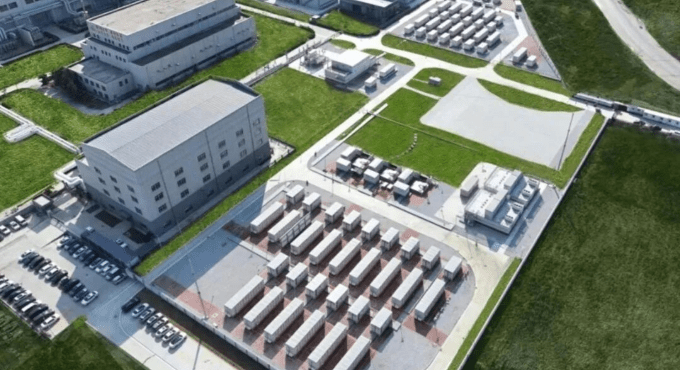
Grid scale energy storage represents a revolutionary approach to managing electricity supply and demand across power networks. These massive energy storage systems serve as critical infrastructure components that store electrical energy during periods of low demand and release it when consumption peaks or renewable generation decreases. Grid scale energy storage facilities typically range from 10 megawatts to several gigawatts in capacity, making them capable of serving entire cities or regions. The technology encompasses various storage methods including lithium-ion batteries, pumped hydro storage, compressed air energy storage, and emerging solutions like flow batteries and hydrogen storage. These systems integrate directly with transmission and distribution networks, providing utilities and grid operators with unprecedented flexibility in energy management. The primary functions include load balancing, frequency regulation, voltage support, and backup power provision during outages. Grid scale energy storage systems feature advanced monitoring and control technologies that enable real-time response to grid conditions within milliseconds. They incorporate sophisticated power conversion systems that can seamlessly switch between charging and discharging modes based on grid requirements. The technological architecture includes battery management systems, thermal regulation, safety protocols, and grid synchronization capabilities. These installations often feature modular designs that allow for capacity expansion as demand grows. Environmental considerations drive many implementations, as grid scale energy storage enables higher penetration of renewable energy sources by storing excess solar and wind power for later use. The systems support grid stability by providing ancillary services that maintain power quality and reliability. Modern grid scale energy storage facilities incorporate artificial intelligence and machine learning algorithms to optimize performance and predict maintenance needs. Applications span utility-scale renewable integration, peak demand management, emergency backup power, and grid modernization initiatives that enhance overall system resilience and efficiency.

 EN
EN