Integrated DC-Contactors: Advanced Electrical Switching Solutions for Modern Industrial Applications

All Categories

Get a Free Quote

Our representative will contact you soon.
Email
Name
Company Name
Message
0/1000

integrated dc-contactors

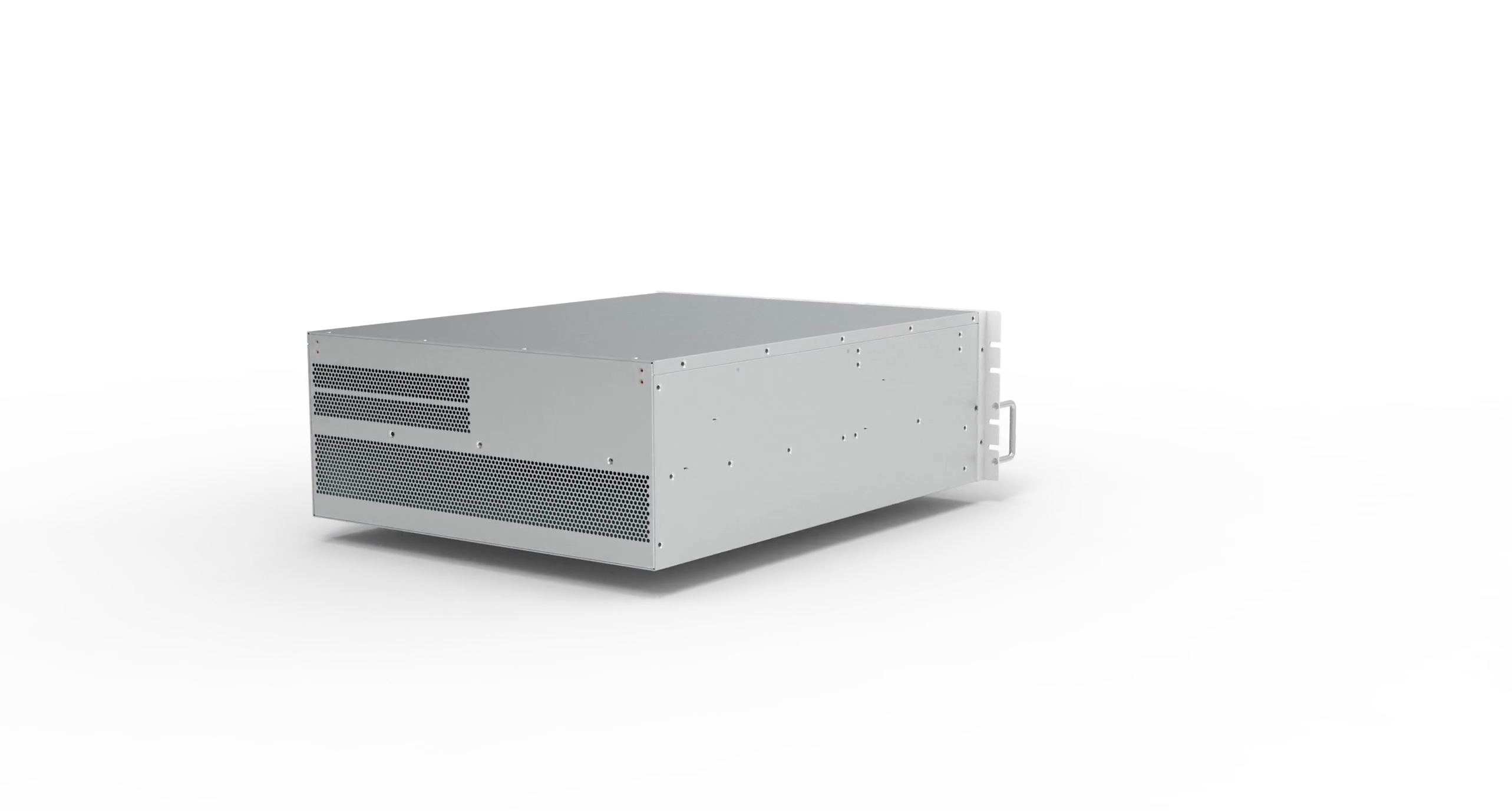
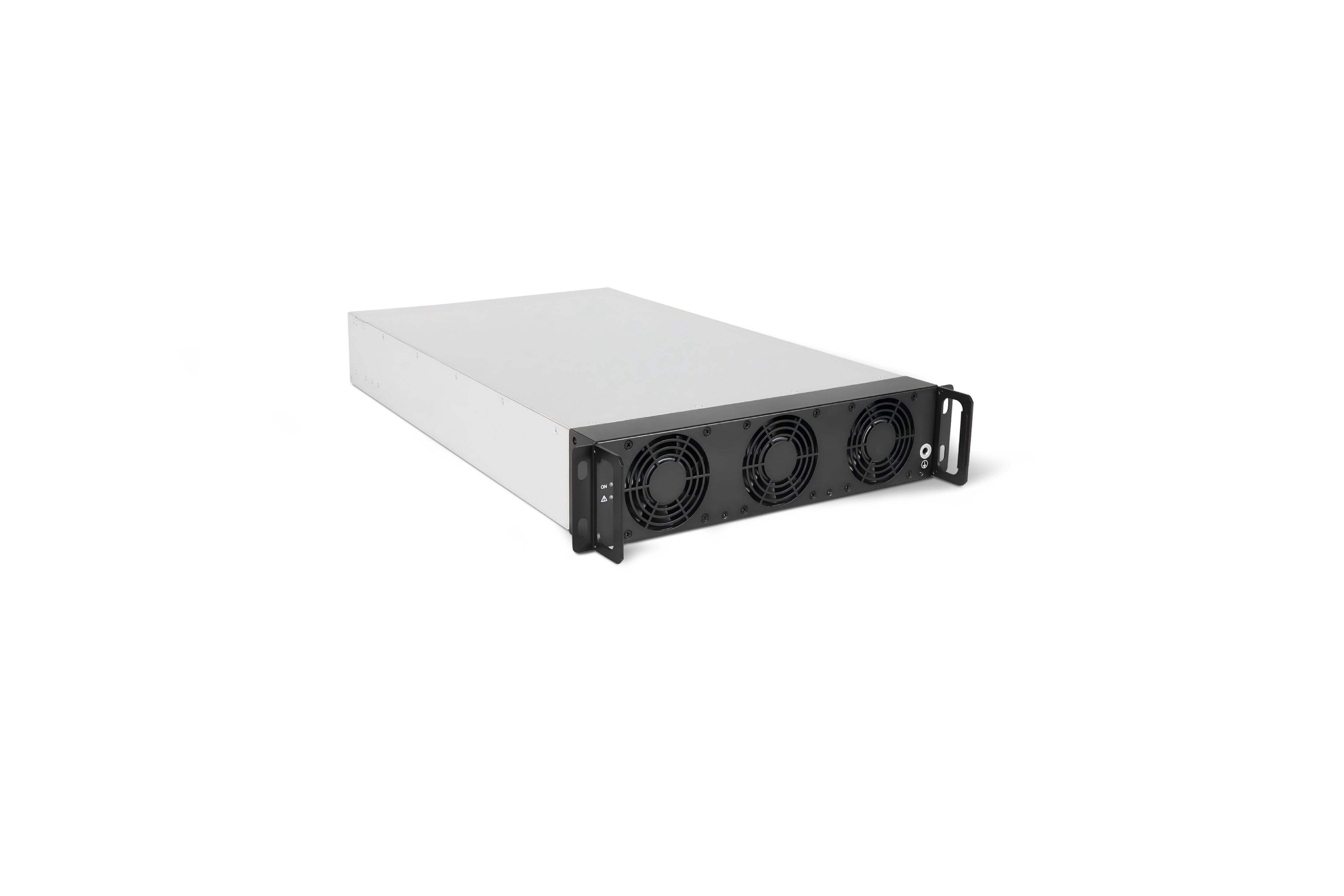
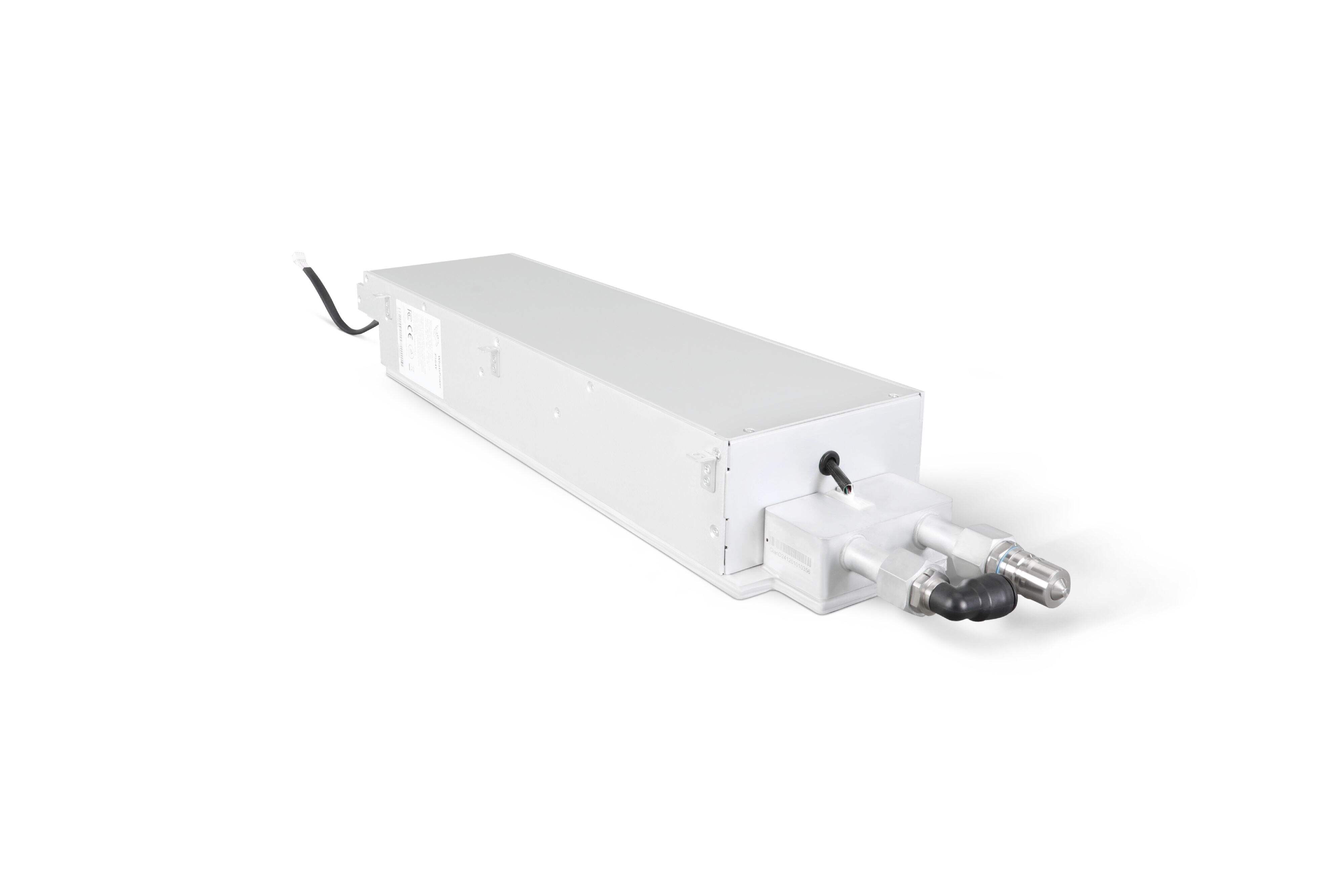
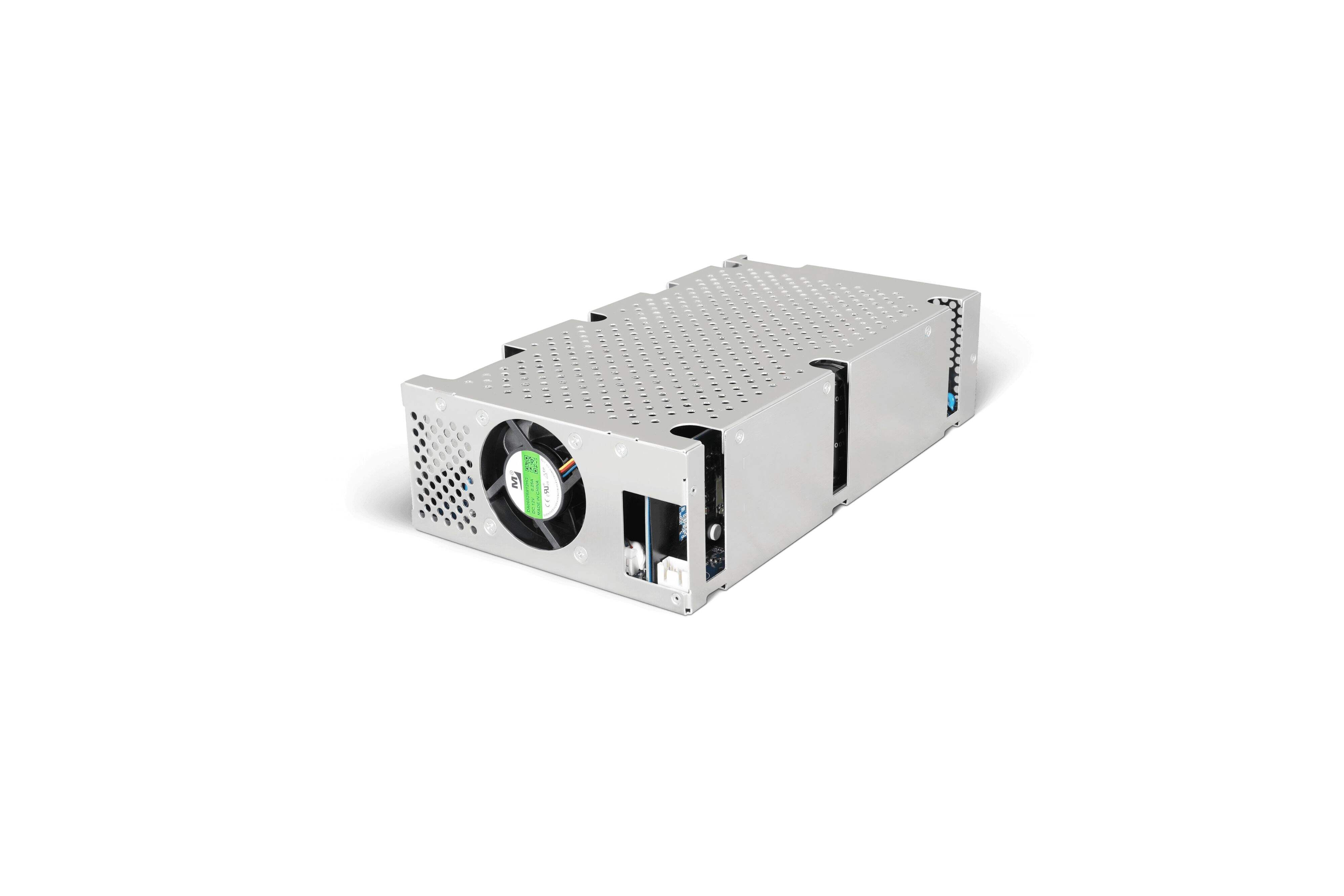
Integrated dc-contactors represent a revolutionary advancement in electrical switching technology, combining multiple functionalities into a single, compact unit designed specifically for direct current applications. These sophisticated devices serve as essential components in modern electrical systems, providing reliable switching, protection, and control capabilities for DC circuits across various industrial and commercial environments. The integrated design eliminates the need for separate auxiliary components, streamlining installation processes and reducing overall system complexity. At their core, integrated dc-contactors function as electrically operated switches that can make, carry, and break currents under normal circuit conditions, including specified overload operating conditions. The integration aspect refers to the incorporation of additional features such as arc suppression mechanisms, auxiliary contacts, thermal protection, and electronic control interfaces within a single housing. This consolidated approach offers superior performance characteristics compared to traditional standalone contactors. The technological framework of integrated dc-contactors incorporates advanced materials and engineering solutions to address the unique challenges of DC switching. Unlike AC systems where current naturally crosses zero twice per cycle, DC current maintains constant polarity, making arc extinction more challenging. Integrated dc-contactors employ specialized contact materials, enhanced arc chambers, and magnetic blowout systems to effectively manage and extinguish arcs during switching operations. Modern integrated dc-contactors feature microprocessor-based control systems that enable precise timing, programmable switching sequences, and comprehensive diagnostic capabilities. These intelligent systems can monitor contact wear, operating cycles, temperature fluctuations, and electrical parameters in real-time, providing valuable data for predictive maintenance programs. The integration of communication protocols allows seamless connectivity with building management systems, SCADA networks, and industrial automation platforms. Applications for integrated dc-contactors span numerous industries including renewable energy systems, electric vehicle charging infrastructure, data centers, telecommunications facilities, battery storage systems, and industrial automation equipment. Their versatility and reliability make them indispensable components in any application requiring dependable DC circuit control and protection.


Popular Products

The advantages of integrated dc-contactors deliver substantial value to customers seeking efficient and reliable electrical switching solutions. These devices significantly reduce installation time and labor costs by eliminating the need to wire multiple separate components together. When you choose integrated dc-contactors, you get everything needed for complete circuit control in one compact package, which simplifies procurement processes and reduces inventory requirements. The space-saving design allows for more efficient panel layouts, enabling customers to design smaller electrical cabinets while maintaining full functionality. This compact footprint translates directly into cost savings on enclosure materials and real estate requirements in crowded industrial environments. Enhanced reliability stands as another key advantage, as integrated dc-contactors eliminate potential failure points associated with interconnecting separate components. The factory-assembled and tested integration ensures optimal performance right out of the box, reducing field commissioning time and minimizing the risk of installation errors. Customers benefit from improved system uptime and reduced maintenance requirements, as these devices undergo rigorous quality testing during manufacturing. The advanced diagnostic capabilities built into modern integrated dc-contactors provide customers with unprecedented visibility into system performance. Real-time monitoring features alert operators to potential issues before they become costly failures, enabling proactive maintenance strategies that extend equipment life and reduce unplanned downtime. These diagnostic systems generate detailed reports that help customers optimize their operations and comply with regulatory requirements. Energy efficiency represents another significant advantage, as integrated dc-contactors incorporate intelligent control algorithms that minimize power consumption during operation and standby modes. The precision switching capabilities reduce electrical losses and heat generation, contributing to overall system efficiency and lower operating costs. Customers also appreciate the simplified training requirements, as technicians only need to understand one integrated system rather than multiple separate components. The standardized interface and comprehensive documentation reduce learning curves and support costs. Furthermore, integrated dc-contactors often include built-in surge protection and electromagnetic interference suppression, providing additional value by protecting sensitive downstream equipment. The modular design philosophy allows customers to easily upgrade or expand their systems as requirements change, protecting their initial investment while accommodating future growth. Technical support becomes more streamlined when dealing with integrated systems, as customers have a single point of contact for all component-related issues, reducing troubleshooting time and improving resolution efficiency.

Practical Tips

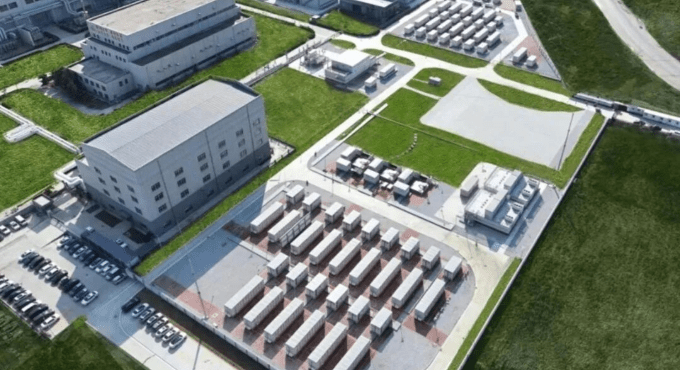
A Power Station That Doesn’t Generate Electricity — Yet Moves 120 Million kWh a Year

18

Dec

A Power Station That Doesn’t Generate Electricity — Yet Moves 120 Million kWh a Year

View More
BOCO Electronics Brings Hengyang Intelligent Manufacturing Base Online, Expanding Annual Production Beyond One Million Units

18

Dec

BOCO Electronics Brings Hengyang Intelligent Manufacturing Base Online, Expanding Annual Production Beyond One Million Units

View More
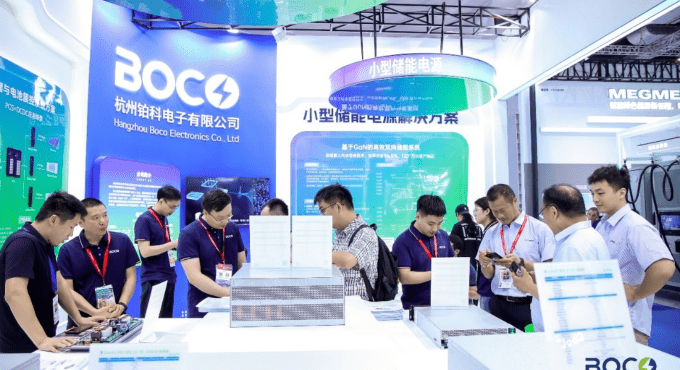
BOCO Electronics Demonstrates System-Level Power Conversion Innovation at SNEC 2025

18

Dec

BOCO Electronics Demonstrates System-Level Power Conversion Innovation at SNEC 2025

View More

Get a Free Quote

Our representative will contact you soon.
Email
Name
Company Name
Message
0/1000

integrated dc-contactors

Advanced Arc Suppression Technology for Superior DC Switching Performance

Advanced Arc Suppression Technology for Superior DC Switching Performance

The cornerstone feature of integrated dc-contactors lies in their sophisticated arc suppression technology, specifically engineered to handle the unique challenges of direct current switching applications. Unlike alternating current systems where the natural zero-crossing points facilitate arc extinction, DC circuits maintain constant current flow, making arc management significantly more complex and critical for reliable operation. Integrated dc-contactors incorporate multiple complementary technologies to achieve superior arc suppression performance that ensures long service life and safe operation. The primary arc suppression mechanism utilizes permanent magnet assemblies strategically positioned around the contact area to create controlled magnetic fields that rapidly stretch and cool the arc formed during switching operations. This magnetic blowout system forces the arc into specially designed arc chutes containing deionizing materials that absorb arc energy and facilitate rapid extinction. The arc chutes feature precisely calculated geometries that promote efficient heat dissipation and gas flow patterns, preventing arc re-ignition and ensuring complete current interruption. Advanced contact materials play a crucial role in the arc suppression process, with integrated dc-contactors employing specialized alloys that resist welding and erosion while maintaining low contact resistance throughout their operational life. These materials undergo specific heat treatment processes that optimize their electrical and mechanical properties for demanding DC switching applications. The contact surfaces feature micro-structured patterns that promote even current distribution and minimize hot spot formation during normal operation. Electronic arc suppression circuits complement the mechanical systems by monitoring switching events and implementing controlled opening sequences that minimize arc energy. These intelligent systems can detect fault conditions and adjust switching speeds accordingly, providing enhanced protection for both the contactor and the connected load equipment. The integration of capacitive and resistive elements creates additional paths for energy dissipation during switching operations, further reducing stress on the main contacts. Temperature monitoring systems continuously track thermal conditions within the arc suppression chambers, providing early warning of potential issues and enabling predictive maintenance strategies. This comprehensive approach to arc suppression technology ensures that integrated dc-contactors deliver consistent performance across millions of switching cycles, providing customers with reliable service and reduced maintenance costs while maintaining the highest safety standards in critical DC switching applications.
Intelligent Control Systems with Comprehensive Monitoring Capabilities

Intelligent Control Systems with Comprehensive Monitoring Capabilities

Modern integrated dc-contactors incorporate sophisticated microprocessor-based control systems that transform traditional switching devices into intelligent network nodes capable of providing comprehensive system monitoring, diagnostics, and control capabilities. These advanced control systems represent a significant technological leap forward, offering customers unprecedented visibility into their electrical systems while enabling automated optimization and predictive maintenance strategies. The intelligent control architecture centers around high-performance microprocessors that continuously monitor multiple operational parameters including contact position, switching cycles, contact resistance, operating temperature, coil current, and timing characteristics. This real-time data collection enables the system to build comprehensive operational profiles that reveal trends and patterns indicative of component health and performance degradation. The control system employs advanced algorithms to analyze this data stream and generate actionable intelligence for maintenance planning and system optimization. Integrated communication capabilities allow these intelligent systems to seamlessly interface with various industrial protocols including Modbus, Ethernet/IP, Profinet, and CANbus, enabling integration with existing automation infrastructure without requiring additional interface hardware. The communication systems support both wired and wireless connectivity options, providing flexibility in installation and network architecture design. Remote monitoring capabilities allow facility managers to track system performance from centralized control rooms or even off-site locations through secure internet connections. Programmable logic functions within the control system enable customers to implement custom switching sequences, interlocking schemes, and protection strategies tailored to their specific applications. The system can store multiple operational profiles and automatically switch between them based on time schedules, external signals, or measured system conditions. This flexibility eliminates the need for external programmable logic controllers in many applications, reducing system complexity and cost. Comprehensive diagnostic capabilities include automated self-testing routines that verify system functionality during scheduled maintenance windows or upon startup. These tests can identify potential issues such as contact degradation, mechanical wear, or control circuit problems before they impact system reliability. The diagnostic system generates detailed reports that include trend analysis, alarm histories, and recommended maintenance actions, supporting compliance with regulatory requirements and industry best practices. Energy management features optimize power consumption by implementing intelligent standby modes and load-responsive switching strategies that minimize unnecessary energy usage while maintaining system readiness and performance standards.
Modular Design Architecture for Maximum Flexibility and Scalability

Modular Design Architecture for Maximum Flexibility and Scalability

The modular design architecture of integrated dc-contactors represents a paradigm shift in electrical switching technology, providing customers with unprecedented flexibility in system configuration, expansion capabilities, and maintenance strategies while maintaining the reliability and performance advantages of integrated solutions. This innovative approach addresses the diverse and evolving needs of modern electrical installations by offering standardized building blocks that can be combined and reconfigured to meet specific application requirements. The foundation of the modular architecture consists of standardized mechanical and electrical interfaces that enable seamless integration of various functional modules including different contact configurations, auxiliary switches, communication interfaces, protection devices, and specialized control modules. Each module undergoes individual testing and qualification processes before assembly, ensuring that every component meets strict performance and reliability standards while maintaining compatibility with other system elements. The mechanical design incorporates precision-engineered connection systems that provide secure, vibration-resistant joints while allowing for easy field assembly and reconfiguration. Customers benefit significantly from the modular approach through reduced inventory requirements, as standardized modules can serve multiple applications across different projects and installations. This standardization also simplifies spare parts management and reduces training requirements for maintenance personnel who can work with familiar components across various system configurations. The modular design enables cost-effective customization by allowing customers to specify only the features and capabilities required for their specific applications, avoiding unnecessary complexity and expense. Scalability represents another major advantage of the modular architecture, as systems can be easily expanded or upgraded by adding additional modules without requiring replacement of existing components or extensive system reconfiguration. This approach protects customer investments by enabling incremental expansion as facility requirements grow or change over time. The modular design also facilitates rapid deployment of standardized solutions across multiple sites while accommodating site-specific requirements through selective module configuration. Maintenance operations benefit from the modular approach through improved accessibility and reduced downtime during service activities. Individual modules can often be replaced or serviced without disrupting the entire system, enabling targeted maintenance strategies that minimize operational impact. The standardized interfaces ensure that replacement modules integrate seamlessly with existing systems, reducing commissioning time and potential compatibility issues. Future technology upgrades can be implemented through selective module replacement, allowing customers to incorporate new features and capabilities without complete system replacement, thereby extending the useful life of their electrical infrastructure investments.

Get a Free Quote

Our representative will contact you soon.
Email
Name
Company Name
Message
0/1000