cheap psu
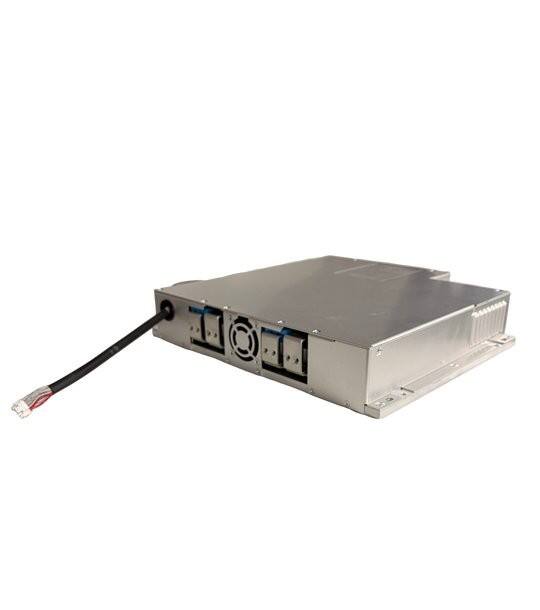
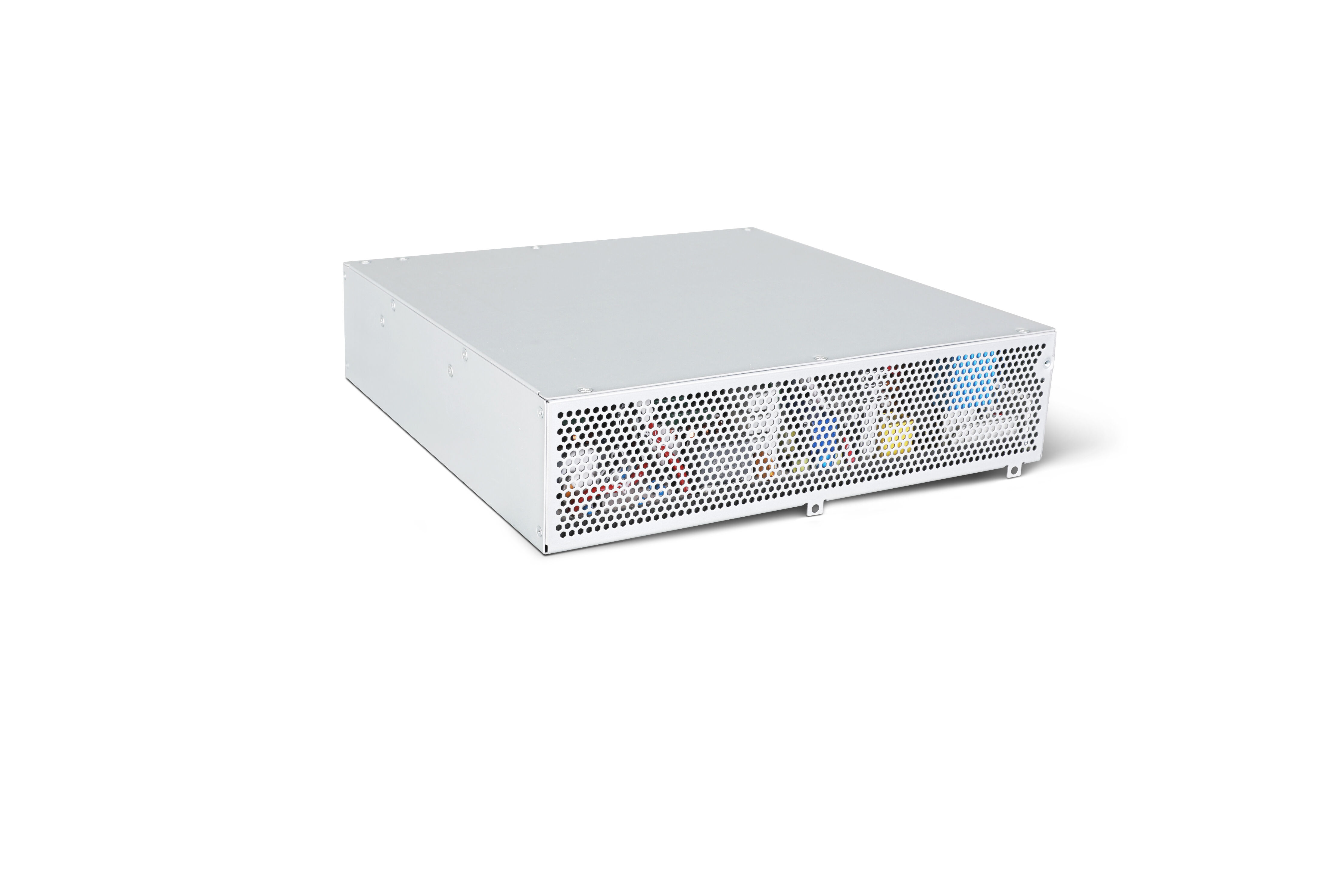
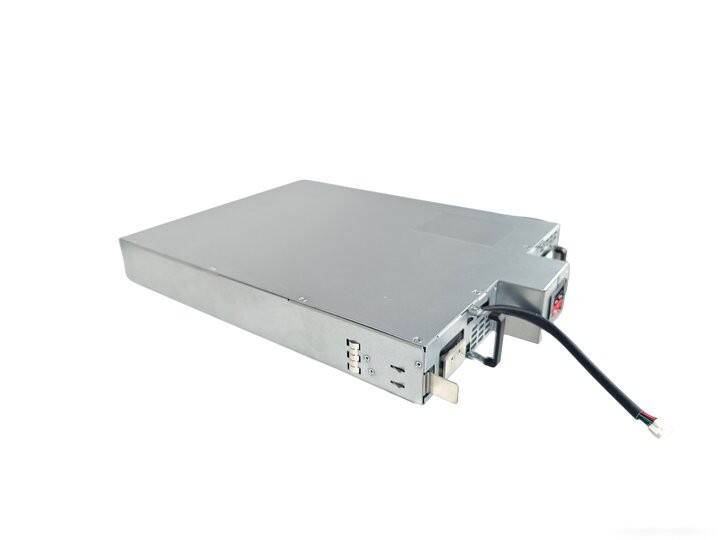
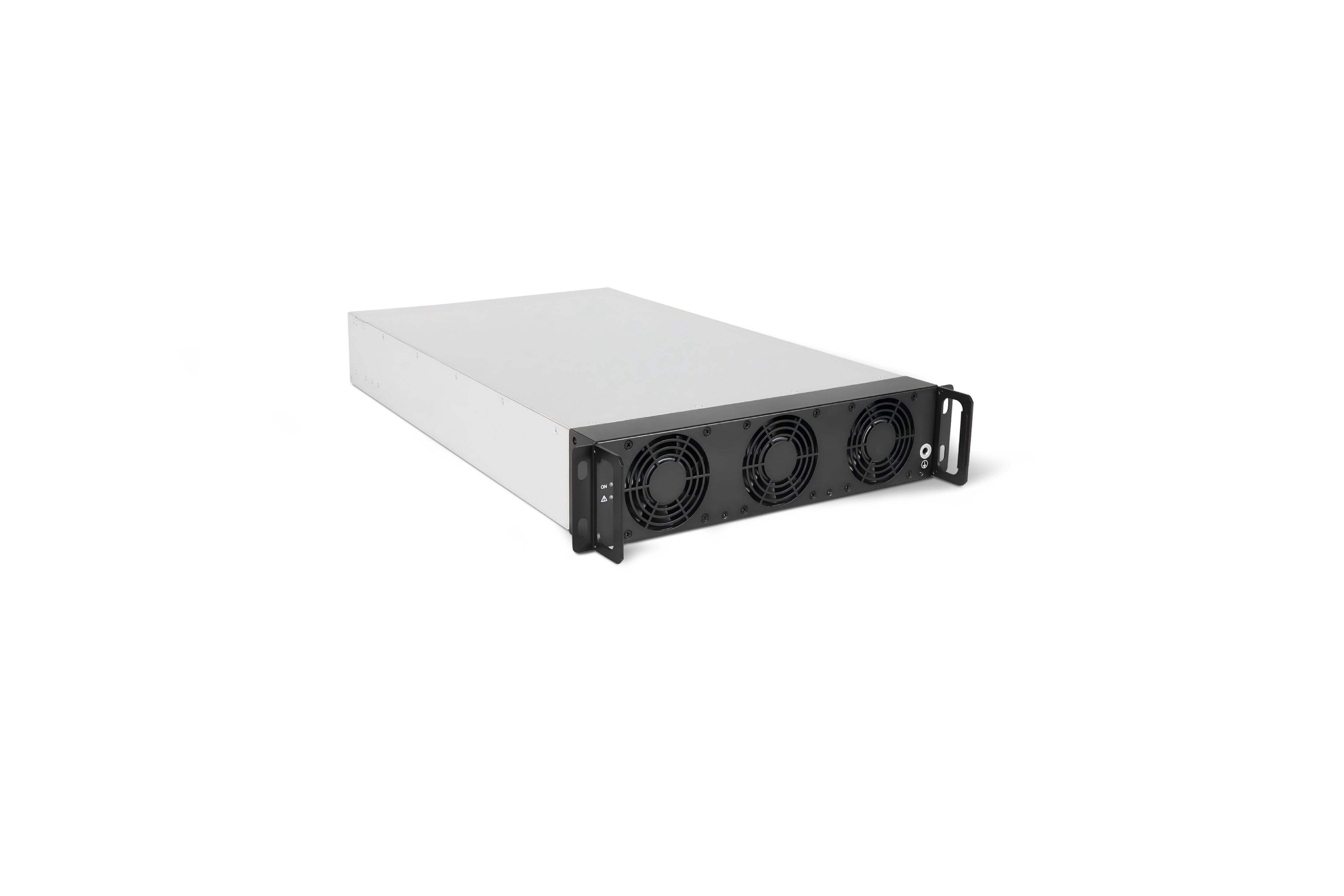
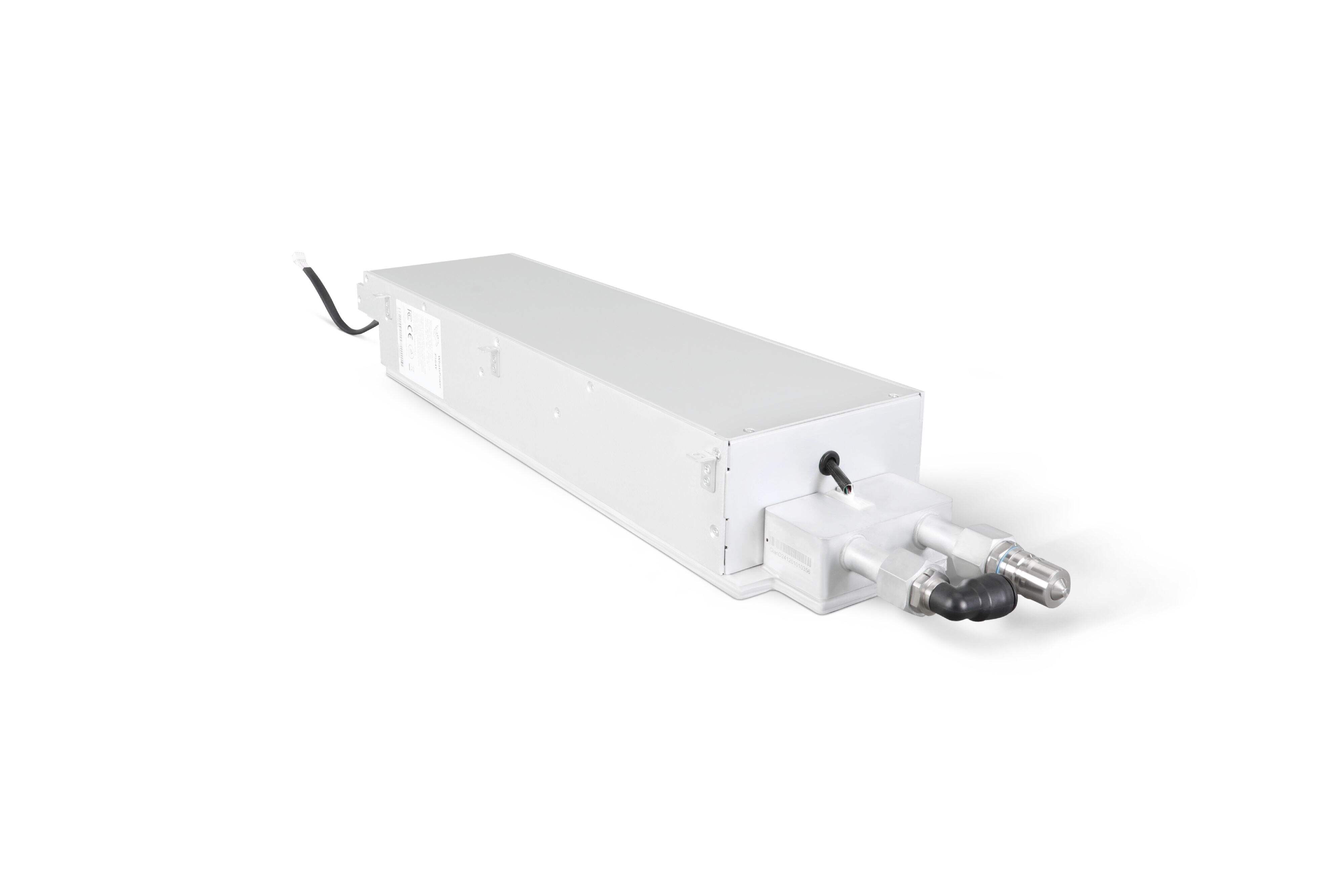
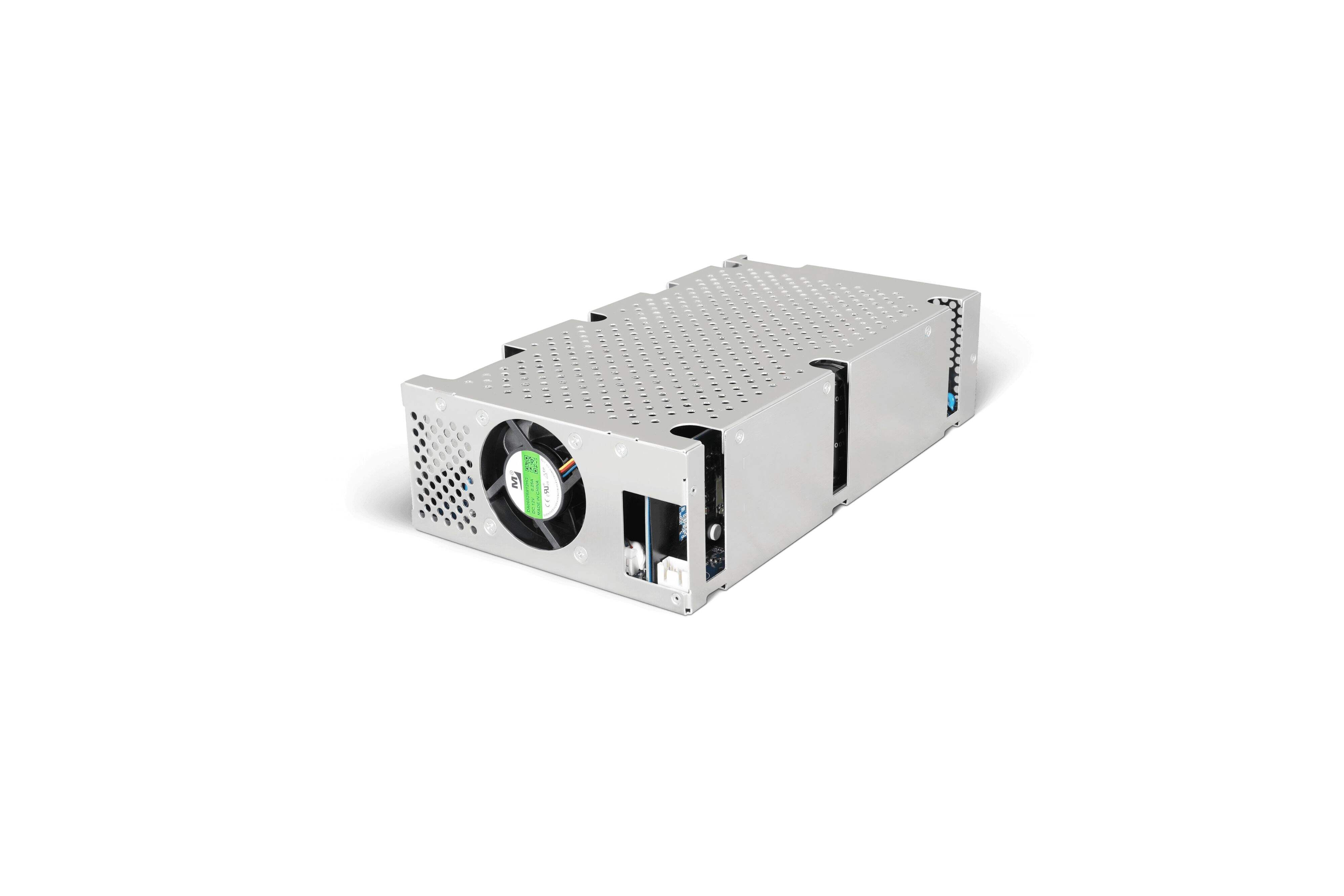
A cheap PSU (Power Supply Unit) represents an essential computer component that converts alternating current from wall outlets into direct current that computer systems require for operation. These budget-friendly power supplies serve as the foundation for countless computing setups worldwide, delivering reliable electrical power to motherboards, processors, graphics cards, storage devices, and other critical components. The cheap PSU market has evolved significantly, offering consumers access to dependable power solutions without the premium pricing typically associated with high-end models. Modern cheap PSU units incorporate fundamental safety features including overcurrent protection, overvoltage protection, and thermal management systems that prevent component damage during electrical surges or temperature fluctuations. These affordable power supplies typically feature standard ATX form factors, ensuring compatibility with most desktop computer cases and motherboard configurations. The technological framework of a cheap PSU includes transformer circuits, rectification systems, and filtering capacitors that work together to maintain stable voltage output across multiple rails. Most budget power supplies provide essential connectors including 24-pin motherboard connections, 4-pin or 8-pin CPU power cables, SATA connectors for drives, and Molex connectors for legacy components. Applications for cheap PSU units span from basic office computers and home entertainment systems to entry-level gaming rigs and educational laboratory setups. Small businesses frequently rely on these cost-effective power solutions for workstation deployments, while students and hobbyists utilize them in custom computer builds where budget constraints limit component selection. The cheap PSU category encompasses wattage ranges from 300 watts to 750 watts, accommodating diverse system requirements from lightweight productivity machines to moderately powerful gaming configurations. Quality manufacturers in the budget segment implement basic efficiency standards, typically achieving 80-85 percent power conversion rates while maintaining acceptable noise levels through standard cooling fan designs.

 EN
EN