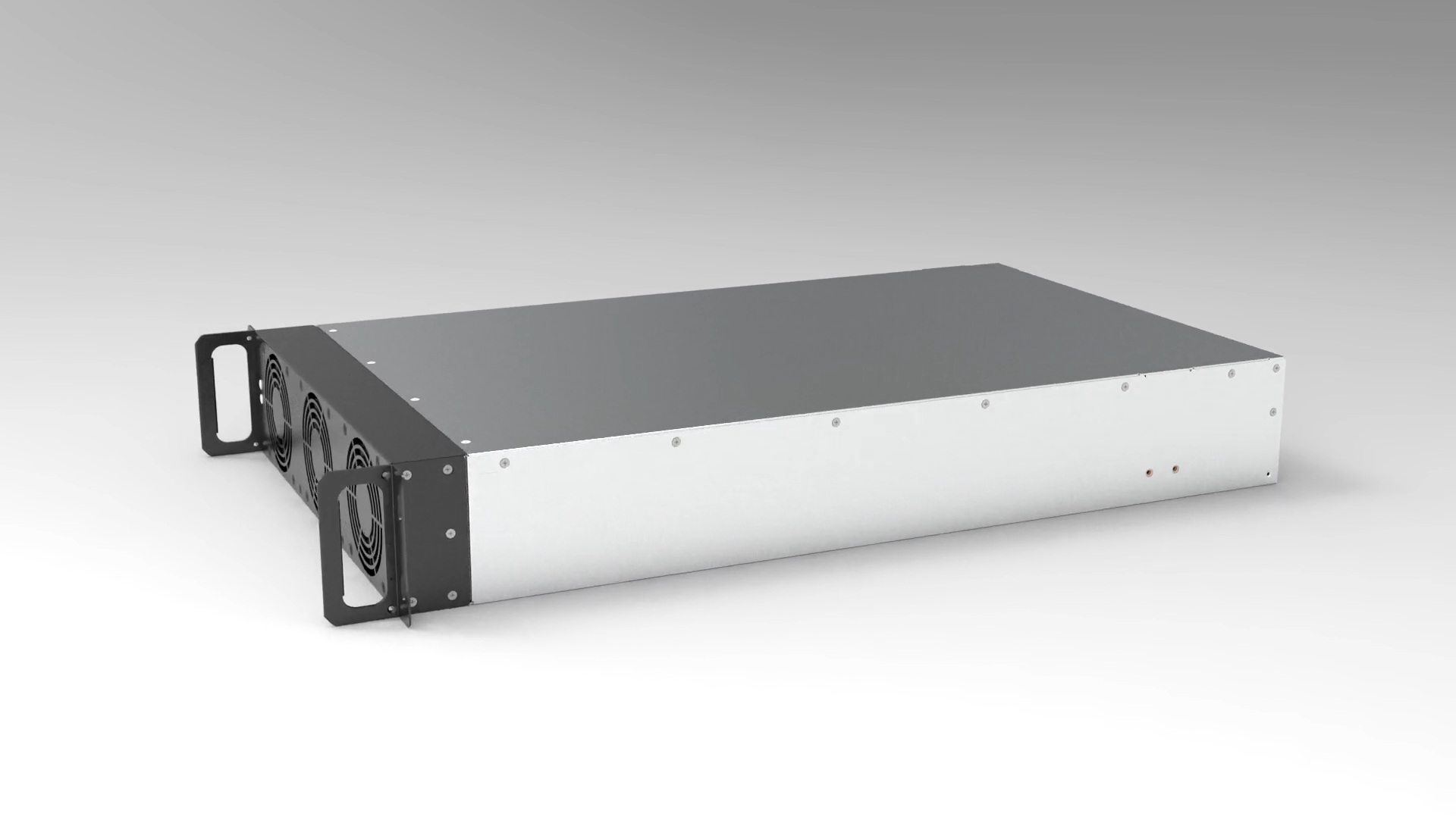
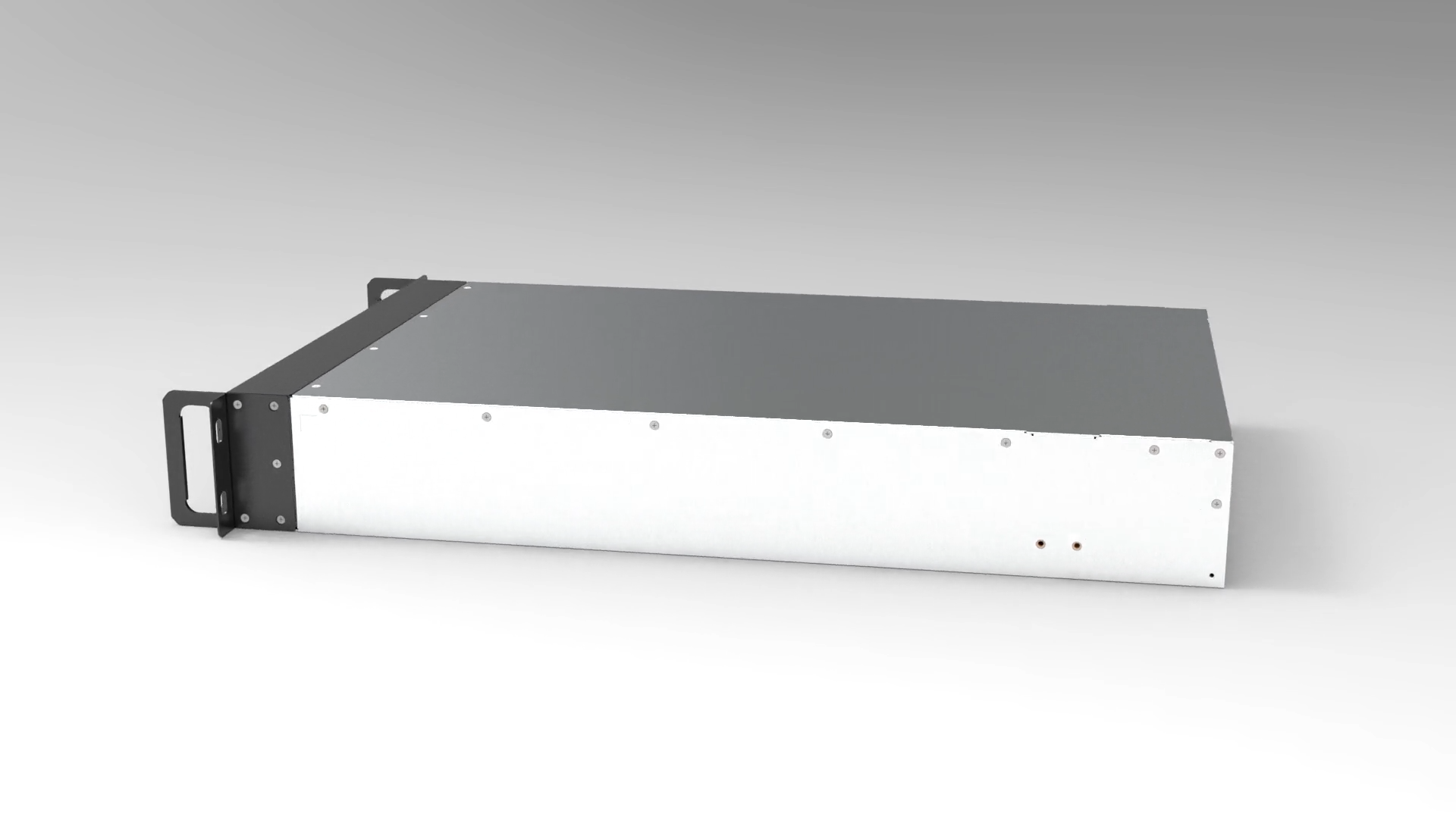
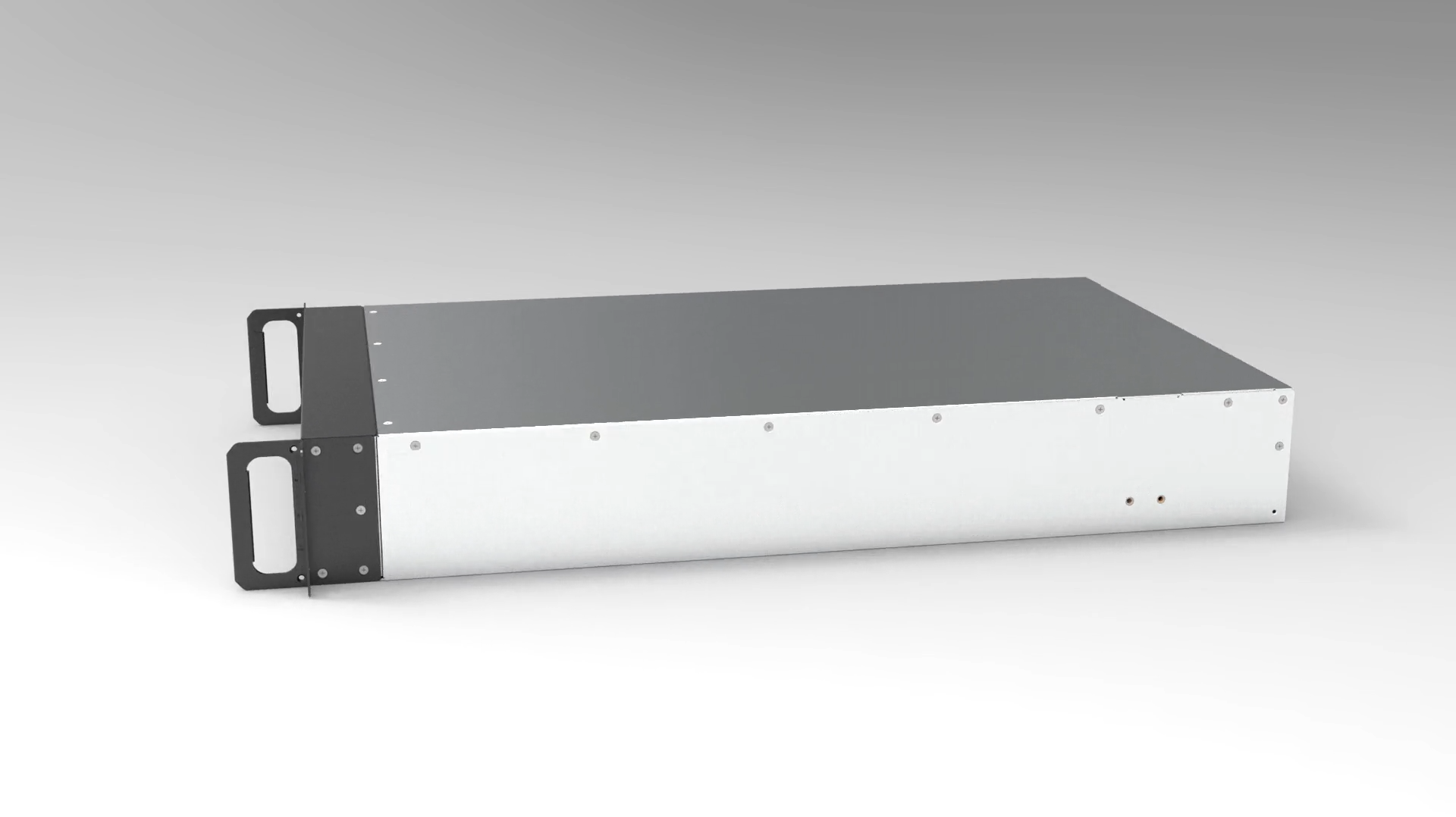
isolated bidirectional dc-dc converter
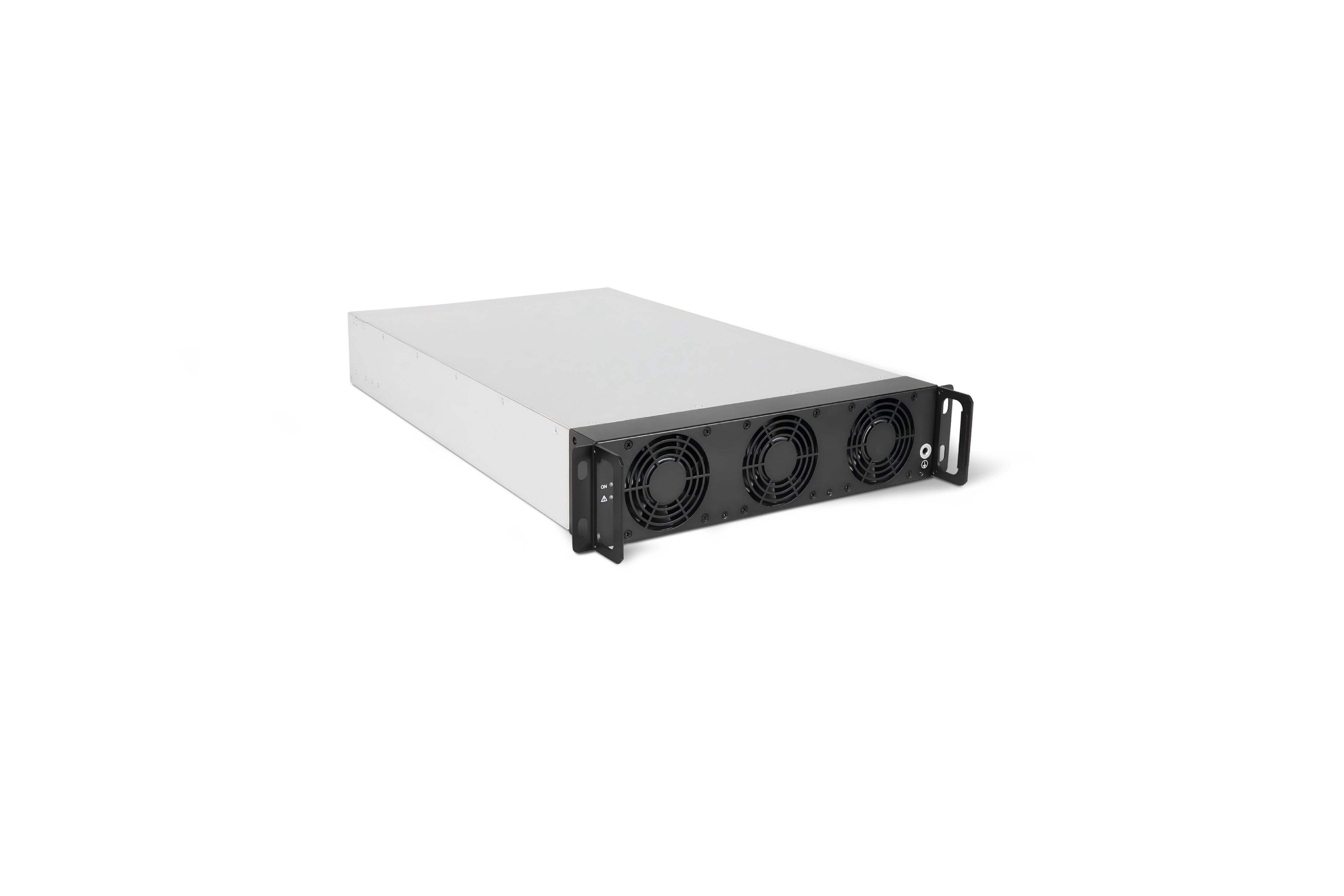
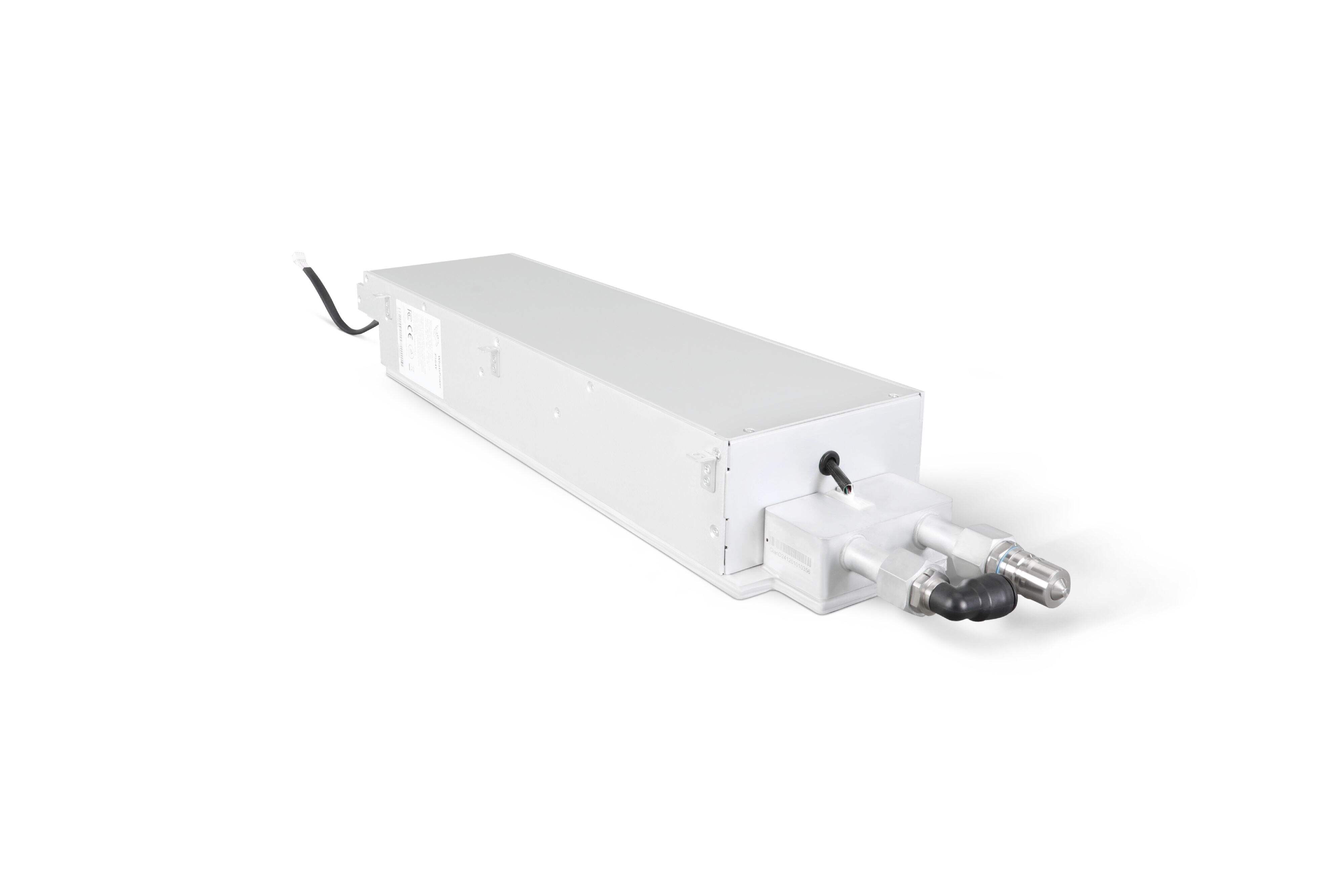
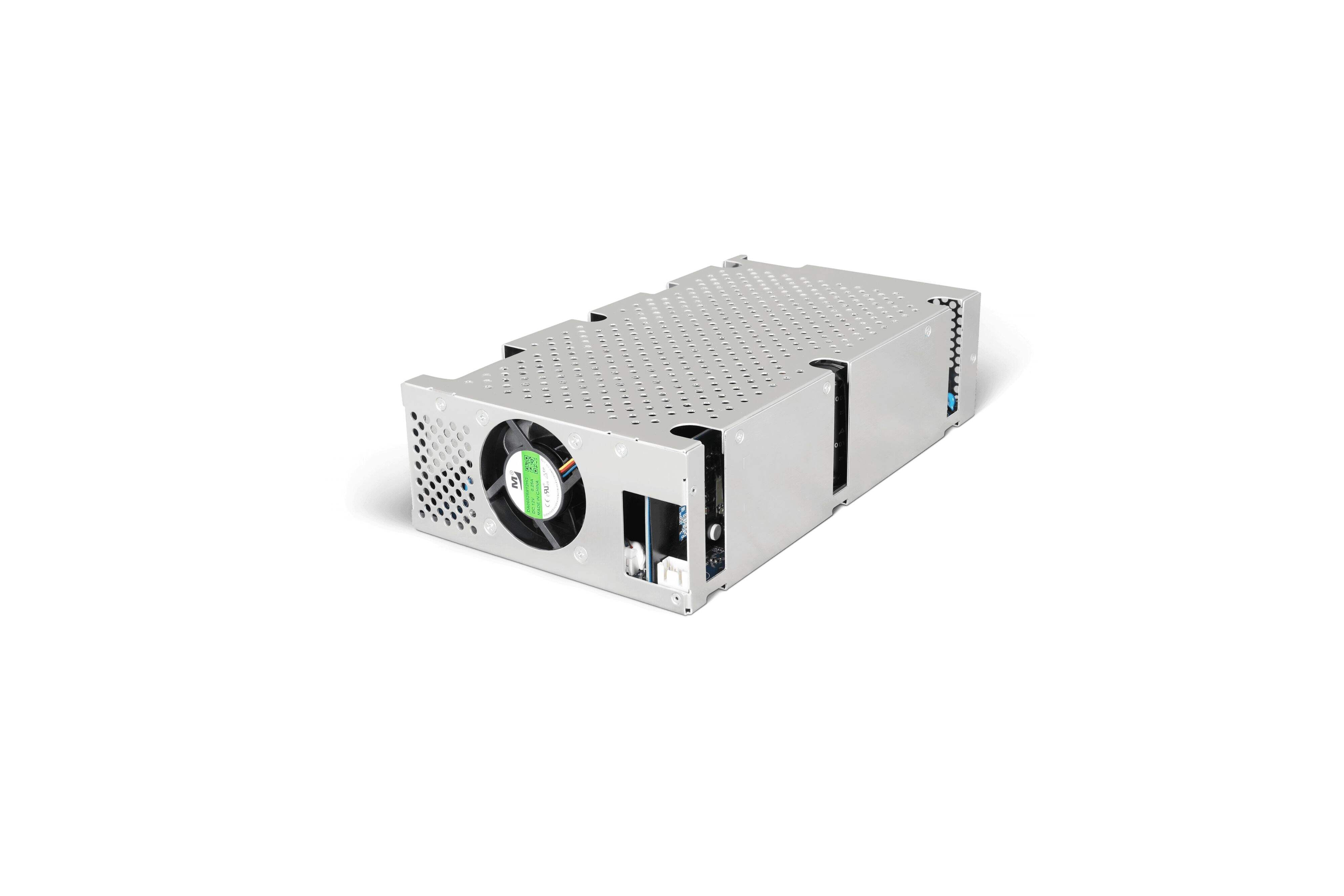
The isolated bidirectional dc-dc converter represents a sophisticated power electronics solution that enables efficient energy transfer between two DC voltage systems while maintaining electrical isolation. This advanced converter technology facilitates power flow in both directions, making it an essential component in modern energy storage systems, electric vehicles, and renewable energy applications. The isolated bidirectional dc-dc converter utilizes high-frequency transformers to provide galvanic isolation between input and output circuits, ensuring safety and preventing ground loops while maintaining high efficiency. The converter employs advanced switching techniques and control algorithms to regulate voltage levels and manage power flow direction seamlessly. Key technological features include soft-switching capabilities that reduce electromagnetic interference and switching losses, resulting in improved overall system efficiency. The isolated bidirectional dc-dc converter incorporates sophisticated control circuits that monitor system parameters and automatically adjust switching patterns to optimize performance under varying load conditions. Modern designs feature wide input voltage ranges, enabling compatibility with diverse energy sources and storage systems. The converter's modular architecture allows for scalable power ratings, accommodating applications from small residential systems to large industrial installations. Built-in protection mechanisms safeguard against overcurrent, overvoltage, and thermal stress conditions. The isolated bidirectional dc-dc converter supports various communication protocols for system integration and remote monitoring capabilities. Applications span across electric vehicle charging infrastructure, where the converter manages energy transfer between charging stations and vehicle batteries. In renewable energy systems, it facilitates efficient energy storage and grid integration. Industrial applications include uninterruptible power supplies, battery backup systems, and energy recovery systems. The converter's versatility extends to telecommunications infrastructure, aerospace applications, and marine power systems where reliable bidirectional power flow is critical.

 EN
EN