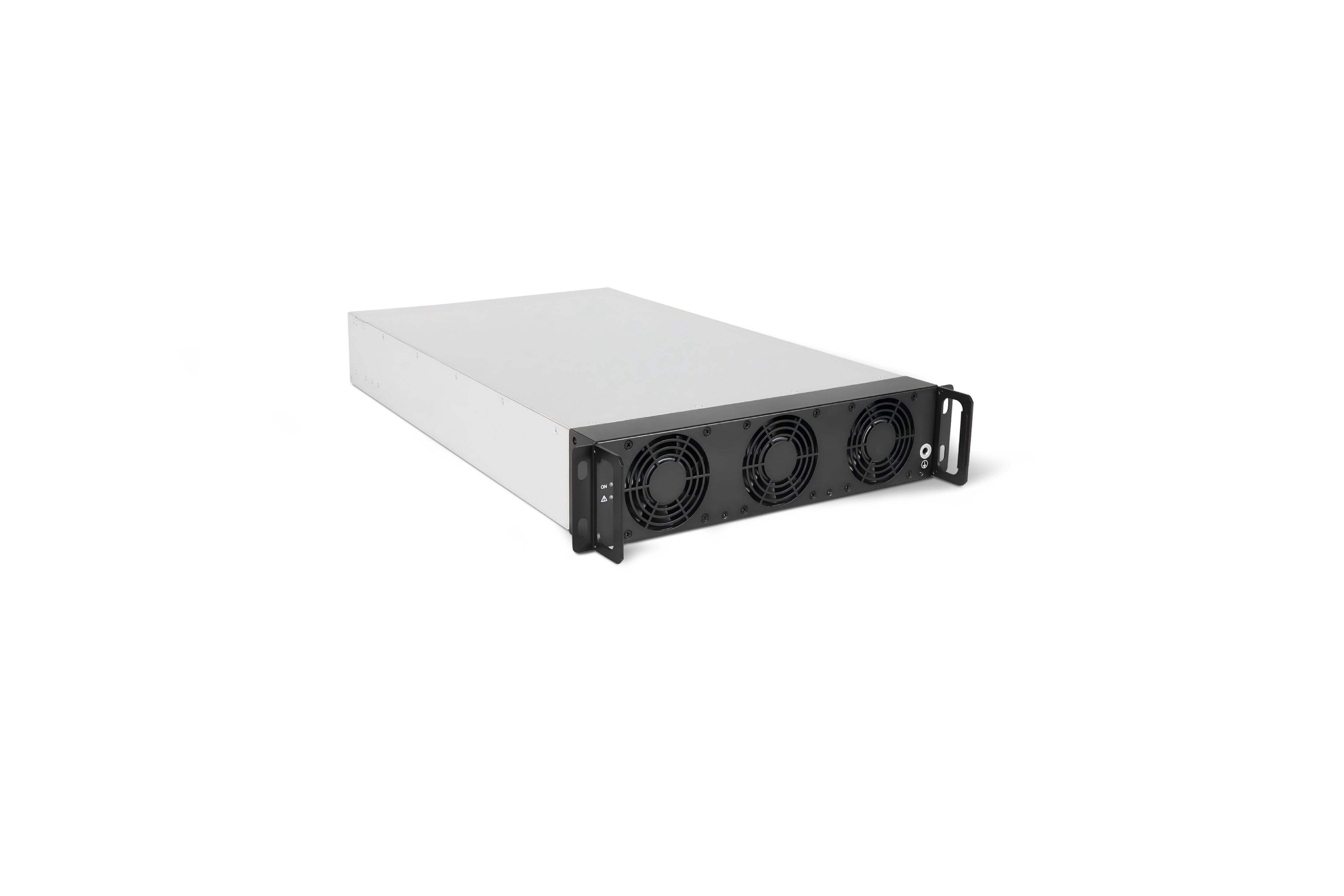
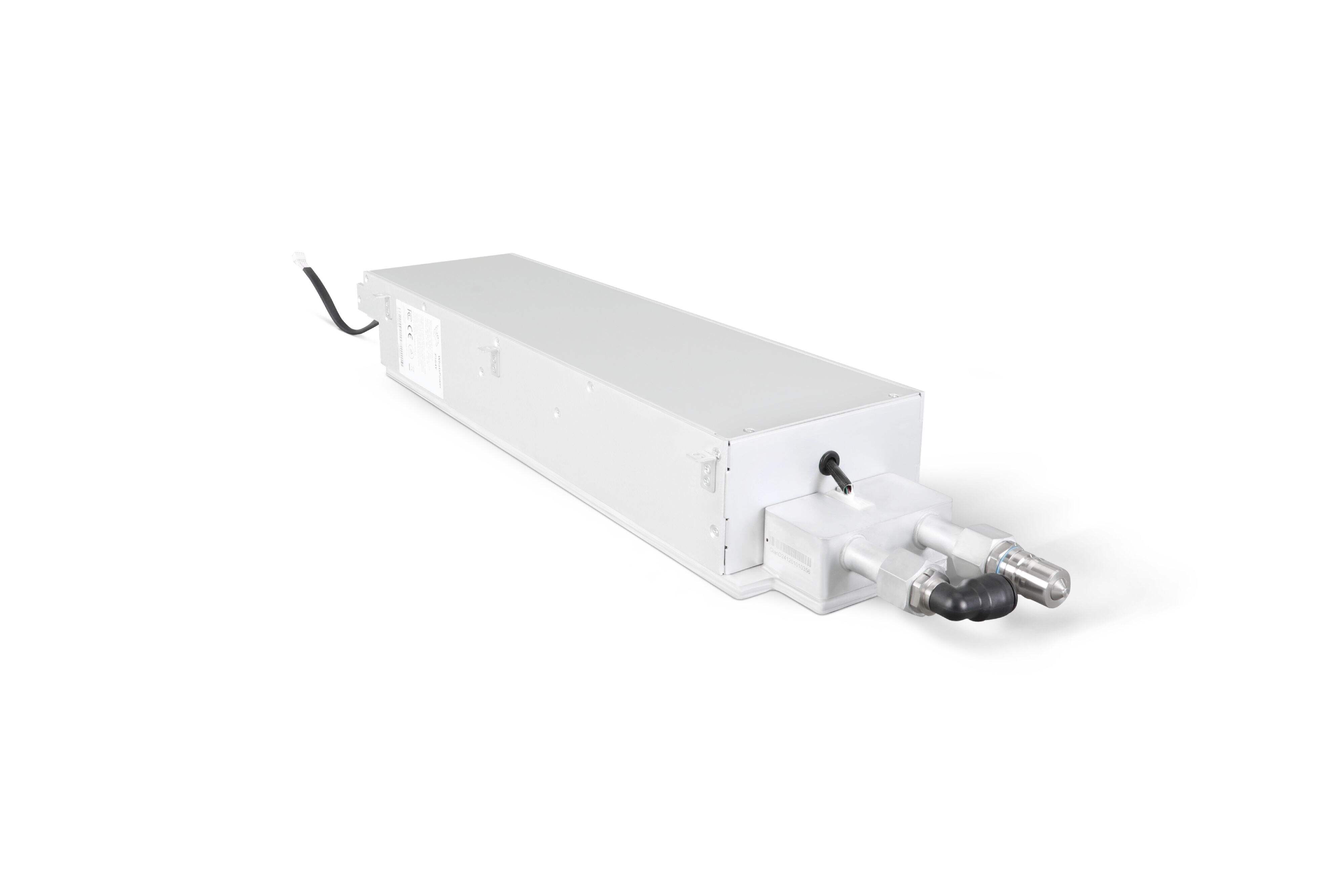
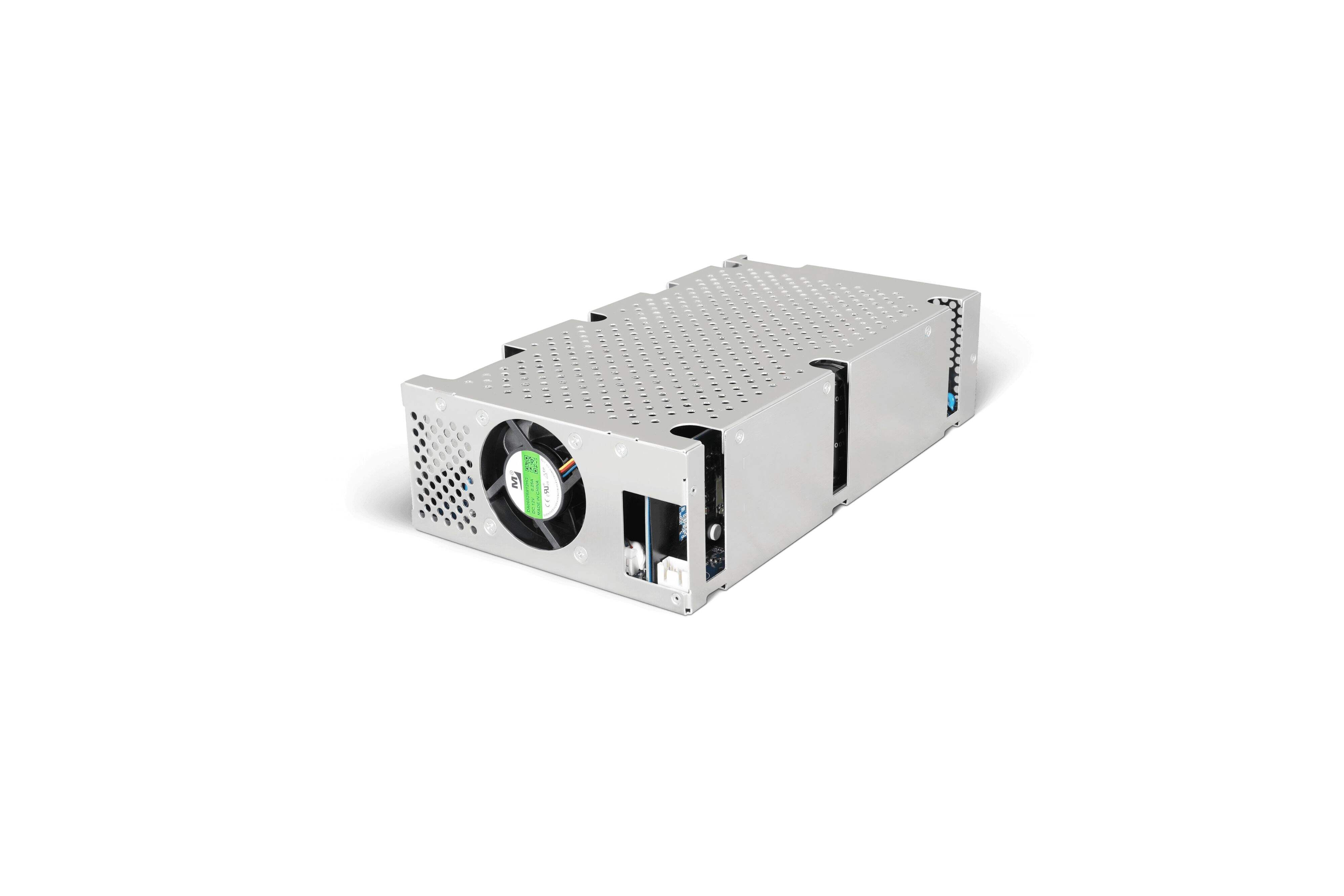
hot-swap redundant psu
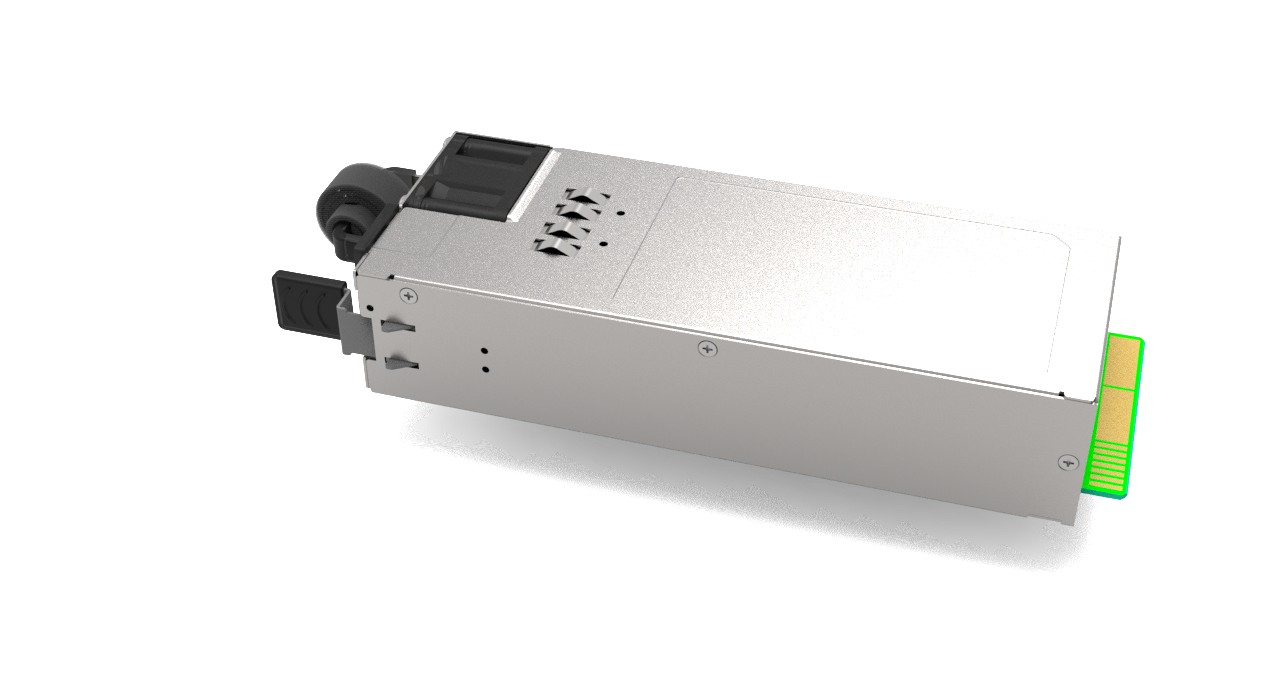
Hot-swap redundant power supply units represent a critical advancement in enterprise-grade power management technology, designed to deliver uninterrupted electrical power to mission-critical systems and data center equipment. These sophisticated power solutions feature dual or multiple power supply modules that operate simultaneously, ensuring continuous operation even when one unit experiences failure or requires maintenance. The hot-swap redundant psu architecture allows administrators to remove, replace, or service individual power modules without shutting down connected equipment, making it an essential component for businesses that cannot afford downtime. The primary function of a hot-swap redundant psu involves load sharing between multiple power modules, where each unit handles a portion of the total power requirement. This configuration ensures that if one module fails, the remaining units automatically compensate by increasing their output to maintain stable power delivery. The technological foundation relies on intelligent power management circuits, load balancing algorithms, and real-time monitoring systems that continuously assess each module's performance and health status. Modern hot-swap redundant psu designs incorporate advanced features such as digital communication protocols, remote monitoring capabilities, and predictive failure analysis to enhance reliability and maintenance efficiency. These systems typically support industry-standard form factors and connector types, ensuring compatibility with existing infrastructure while providing scalability for future expansion. Applications for hot-swap redundant psu technology span across various sectors including telecommunications, financial services, healthcare facilities, manufacturing plants, and cloud computing environments. Data centers particularly benefit from these systems as they house thousands of servers that require consistent power delivery to prevent data loss and service interruptions. The modular design philosophy enables organizations to customize their power architecture based on specific requirements, whether supporting high-density computing environments or distributed networking equipment. Enterprise servers, storage arrays, network switches, and communication systems all rely on hot-swap redundant psu technology to maintain operational continuity and protect against costly downtime scenarios.

 EN
EN