Open-Frame vs Enclosed Systems: Complete Performance and Cost Comparison Guide 2024

All Categories

Get a Free Quote

Our representative will contact you soon.
Email
Name
Company Name
Message
0/1000

open-frame vs enclosed

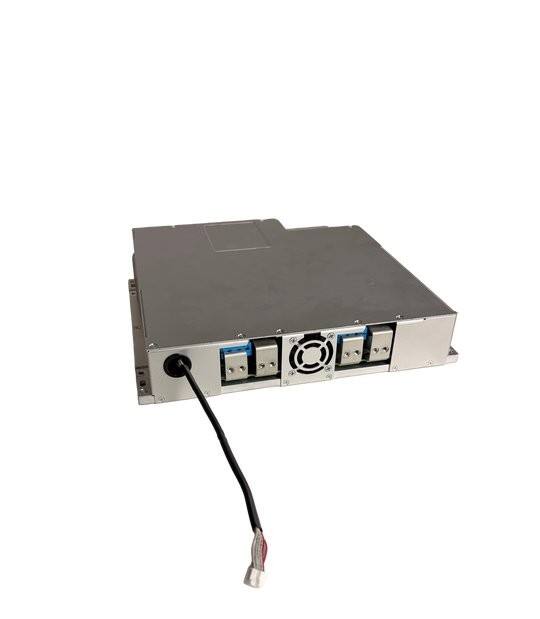
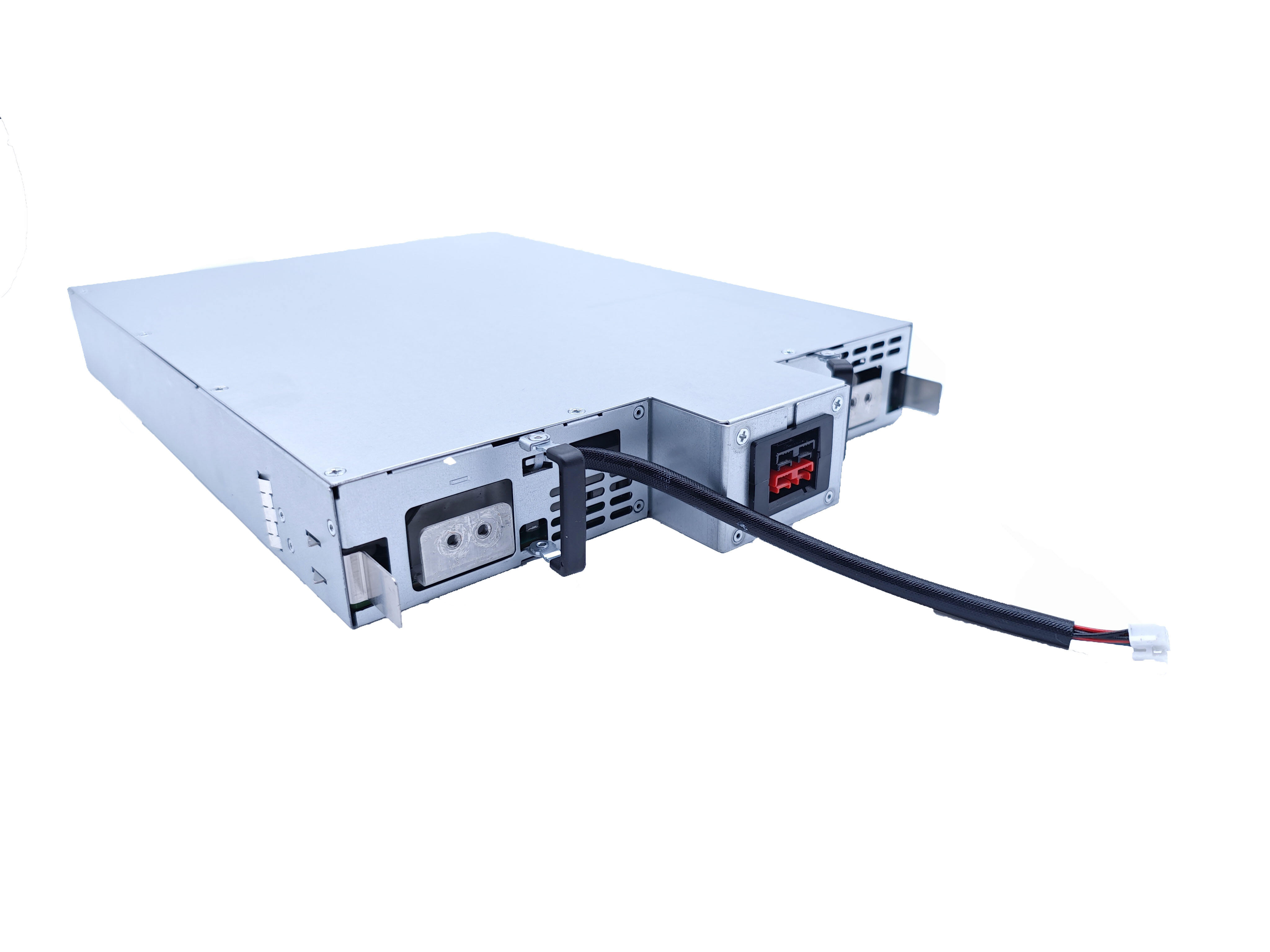
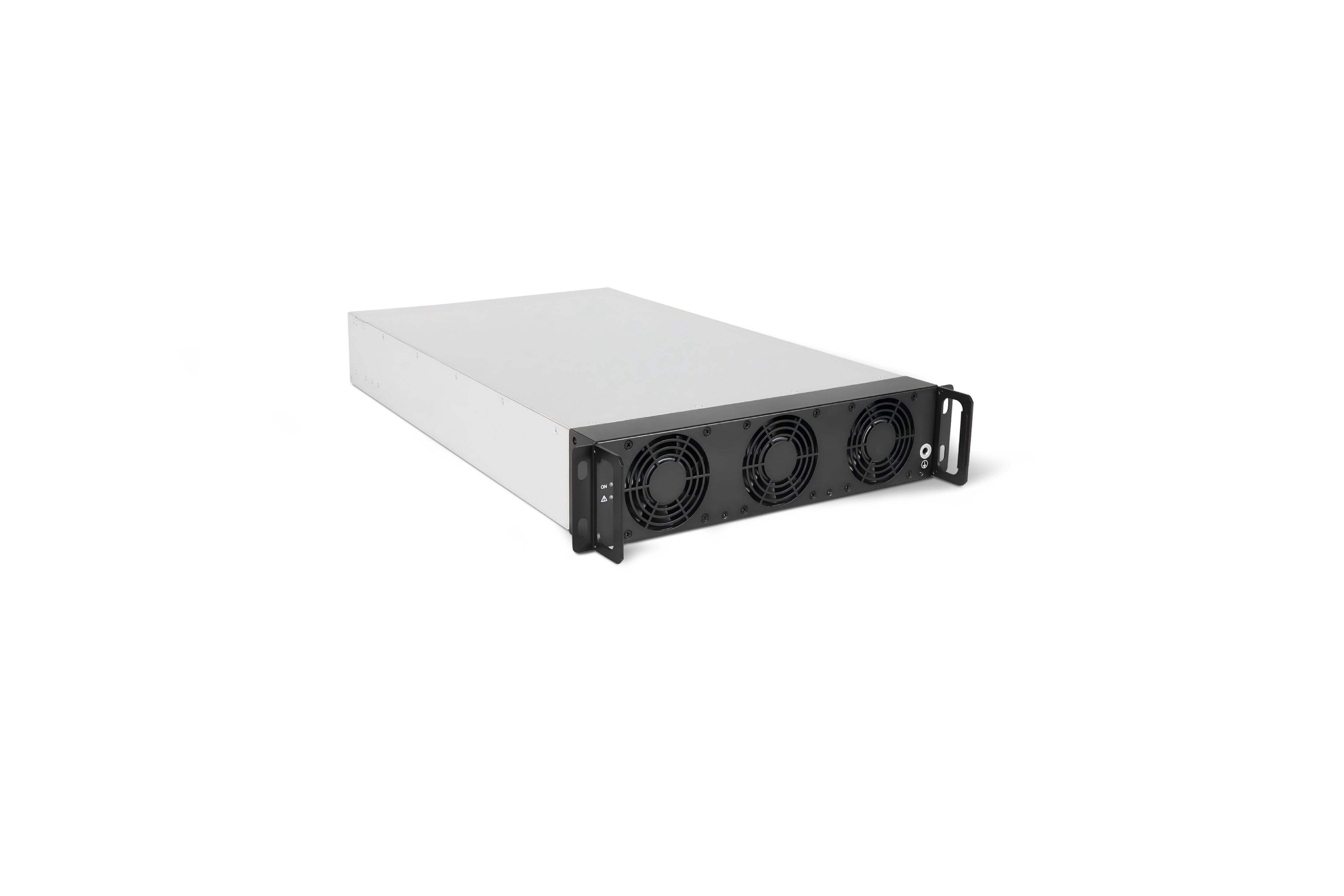
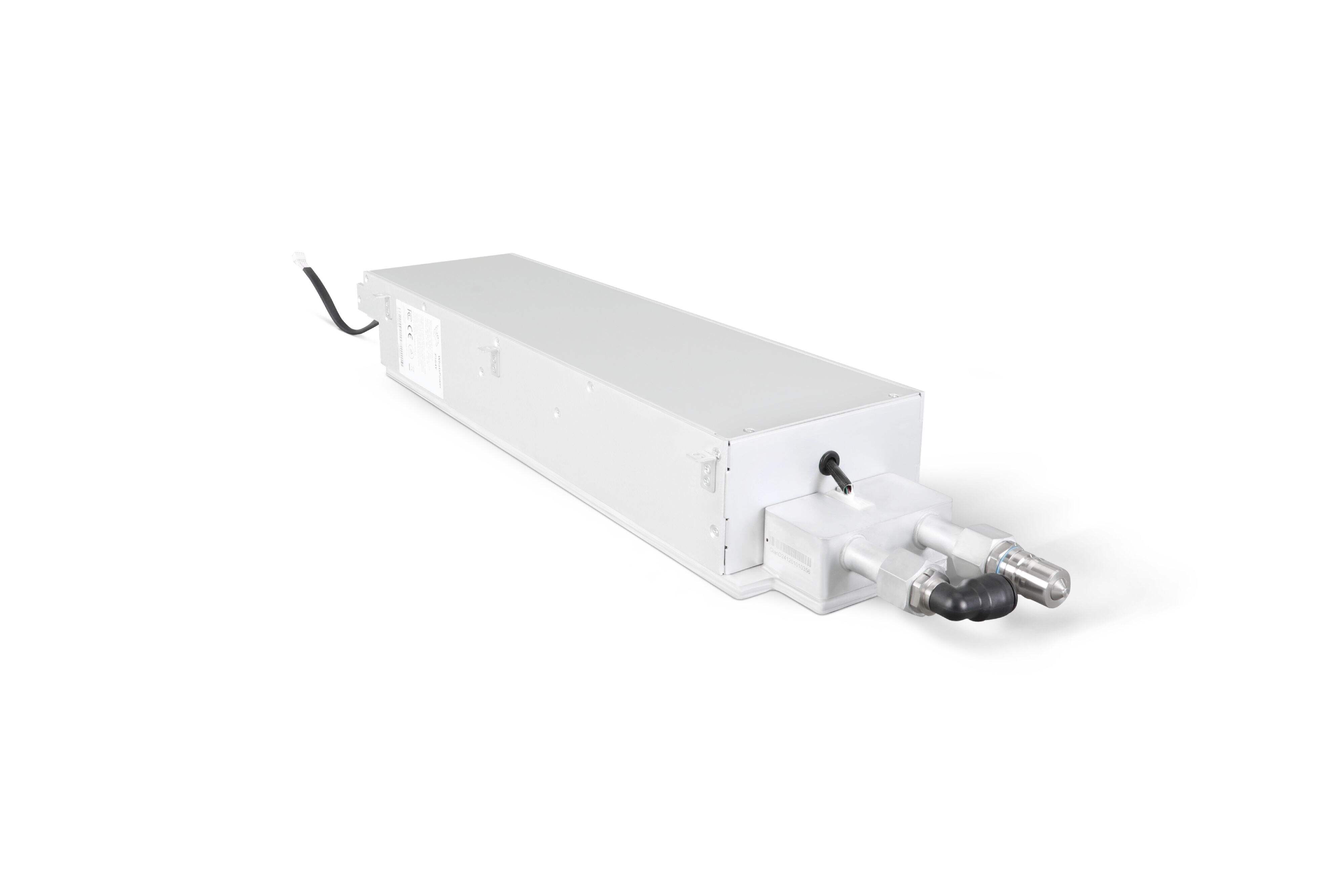
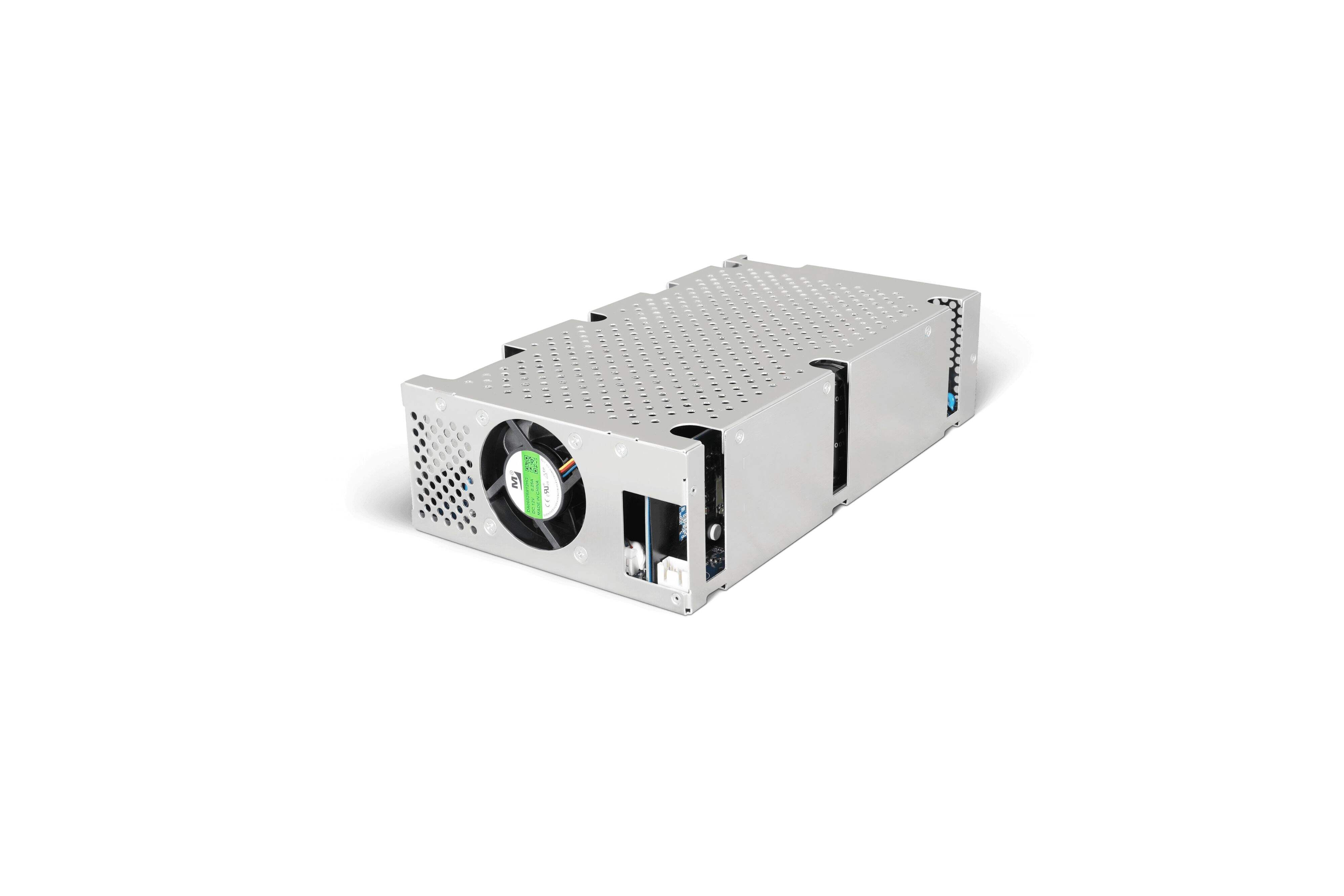
When selecting industrial equipment, computer systems, or electronic devices, the debate between open-frame vs enclosed designs represents a fundamental choice that impacts performance, maintenance, cost, and operational flexibility. Open-frame configurations feature exposed components without protective housing, allowing direct access to internal parts and maximum airflow circulation. These systems prioritize accessibility and thermal management over environmental protection. Conversely, enclosed designs incorporate protective casings that shield internal components from external factors while providing structured organization and enhanced safety protocols. The open-frame vs enclosed decision significantly influences equipment longevity, maintenance requirements, and overall operational efficiency. Open-frame systems excel in controlled environments where technicians require frequent access to components for adjustments, upgrades, or troubleshooting. Their exposed architecture facilitates superior heat dissipation through natural convection and forced air cooling, making them ideal for high-performance computing applications and industrial processes generating substantial thermal loads. The technological features of open-frame designs include modular component layouts, simplified cable management systems, and direct hardware accessibility that reduces diagnostic time. Applications span data centers, research laboratories, manufacturing facilities, and custom engineering projects where flexibility outweighs protection needs. Enclosed systems incorporate sophisticated housing materials, integrated cooling solutions, and comprehensive environmental sealing. Their technological features encompass dust filtration, electromagnetic interference shielding, and temperature regulation systems. These designs find applications in harsh industrial environments, outdoor installations, commercial settings, and consumer electronics where protection from contamination, moisture, and physical damage remains paramount. The open-frame vs enclosed comparison ultimately depends on specific operational requirements, environmental conditions, maintenance capabilities, and long-term cost considerations that vary significantly across different industries and applications.


New Products

The open-frame vs enclosed debate reveals distinct advantages that cater to different operational needs and environmental requirements. Open-frame systems deliver superior cost-effectiveness by eliminating expensive housing materials and complex enclosure manufacturing processes. This design approach reduces initial investment costs while maintaining high performance standards, making advanced technology accessible to budget-conscious organizations. The simplified construction allows manufacturers to focus resources on core component quality rather than protective housing, resulting in better price-to-performance ratios. Maintenance advantages of open-frame configurations include immediate component accessibility that dramatically reduces diagnostic and repair time. Technicians can quickly identify issues, replace faulty parts, and perform upgrades without disassembling complex enclosures. This accessibility translates to reduced downtime and lower maintenance costs over the equipment lifecycle. The thermal management benefits of open-frame designs cannot be overstated, as exposed components benefit from unrestricted airflow that prevents heat accumulation and extends component lifespan. Natural convection works more effectively without enclosure barriers, while forced cooling systems operate more efficiently with direct air access to heat-generating components. Enclosed systems offer compelling advantages in environmental protection that make them indispensable for challenging operating conditions. Their sealed construction prevents dust, moisture, and contaminants from damaging sensitive electronics, ensuring reliable operation in harsh industrial environments. The electromagnetic interference shielding provided by metal enclosures protects internal components from external electrical noise while preventing the system from interfering with nearby equipment. Security advantages of enclosed designs include tamper resistance and component protection from unauthorized access or accidental damage. Professional appearance and compact form factors make enclosed systems suitable for customer-facing environments and space-constrained installations. The integrated cooling systems in enclosed designs provide consistent temperature control regardless of ambient conditions, ensuring stable performance in varying environmental situations. When comparing open-frame vs enclosed options, organizations must evaluate their specific priorities: cost efficiency and maintenance simplicity versus environmental protection and professional presentation.

Tips And Tricks

A Power Station That Doesn’t Generate Electricity — Yet Moves 120 Million kWh a Year

18

Dec

A Power Station That Doesn’t Generate Electricity — Yet Moves 120 Million kWh a Year

View More
BOCO Electronics Brings Hengyang Intelligent Manufacturing Base Online, Expanding Annual Production Beyond One Million Units

18

Dec

BOCO Electronics Brings Hengyang Intelligent Manufacturing Base Online, Expanding Annual Production Beyond One Million Units

View More
BOCO Electronics Demonstrates System-Level Power Conversion Innovation at SNEC 2025

18

Dec

BOCO Electronics Demonstrates System-Level Power Conversion Innovation at SNEC 2025

View More

Get a Free Quote

Our representative will contact you soon.
Email
Name
Company Name
Message
0/1000

open-frame vs enclosed

Thermal Performance and Heat Management Excellence

Thermal Performance and Heat Management Excellence

The thermal performance difference between open-frame vs enclosed systems represents one of the most critical factors affecting equipment reliability and operational lifespan. Open-frame designs achieve superior heat dissipation through unrestricted airflow patterns that allow natural convection to work at maximum efficiency. Heat-generating components such as processors, power supplies, and graphics cards benefit from direct exposure to ambient air circulation, preventing the formation of hot spots that can degrade performance and reduce component longevity. The absence of enclosure walls eliminates thermal barriers that typically trap heat and create temperature gradients within enclosed systems. This natural cooling advantage becomes particularly pronounced in high-performance computing applications where processors operate at elevated frequencies and generate substantial thermal loads. Open-frame configurations also facilitate the implementation of advanced cooling solutions, including oversized heat sinks, multiple cooling fans, and liquid cooling systems without space constraints imposed by enclosure dimensions. The direct access to components allows for customized cooling strategies tailored to specific thermal requirements, enabling optimal temperature management for critical components. In contrast, enclosed systems must rely on engineered airflow paths and integrated cooling solutions that may not provide equivalent thermal performance. The enclosed design requires careful consideration of air intake and exhaust points, internal fan placement, and thermal interface materials to achieve adequate cooling. However, enclosed systems can incorporate sophisticated temperature monitoring and active thermal management systems that provide consistent cooling performance regardless of external conditions. The open-frame vs enclosed thermal comparison reveals that while open-frame designs offer superior passive cooling capabilities, enclosed systems can achieve reliable thermal performance through engineered solutions. Organizations operating in temperature-controlled environments with high-performance requirements often prefer open-frame designs for their thermal advantages, while those in variable or harsh environments may choose enclosed systems for their predictable thermal management capabilities. The thermal performance consideration ultimately depends on specific application requirements, environmental conditions, and the importance of component accessibility versus environmental protection in the overall system design strategy.
Maintenance Accessibility and Operational Efficiency

Maintenance Accessibility and Operational Efficiency

The maintenance accessibility advantages of open-frame vs enclosed systems directly impact operational efficiency, downtime reduction, and long-term ownership costs. Open-frame designs provide immediate visual and physical access to all system components, enabling rapid identification of potential issues before they escalate into critical failures. Technicians can perform routine inspections, component replacements, and system upgrades without the time-consuming process of removing enclosure panels, disconnecting cables, and navigating confined spaces. This accessibility advantage translates to significantly reduced mean time to repair (MTTR) and improved system availability for mission-critical applications. The exposed component layout facilitates proactive maintenance strategies, allowing technicians to monitor component health through visual inspection, temperature measurement, and performance testing without system disruption. Cable management in open-frame systems offers greater flexibility for modifications and additions, as technicians can easily trace connections, replace cables, and reconfigure layouts without extensive disassembly. The ability to perform hot-swapping of components becomes more practical in open-frame designs where space constraints do not limit access to connection points and retention mechanisms. Diagnostic procedures benefit enormously from direct component access, as technicians can use testing equipment, oscilloscopes, and multimeters without obstruction from enclosure walls or limited access ports. The open-frame vs enclosed comparison reveals that enclosed systems, while offering component protection, often complicate maintenance procedures through restricted access and confined working spaces. Enclosed designs may require specialized tools, multiple disassembly steps, and careful handling to avoid damage during maintenance operations. However, enclosed systems can incorporate diagnostic ports, status indicators, and remote monitoring capabilities that provide system health information without physical access requirements. The maintenance efficiency of enclosed systems often depends on thoughtful design that balances protection with accessibility through removable panels, slide-out components, and strategic access points. Organizations with skilled technical staff and controlled operating environments typically favor open-frame designs for their maintenance advantages, while those with limited technical resources or harsh operating conditions may prefer enclosed systems despite their maintenance complexity.
Cost Efficiency and Total Ownership Value

Cost Efficiency and Total Ownership Value

The cost efficiency analysis of open-frame vs enclosed systems encompasses initial purchase price, installation expenses, operational costs, and long-term maintenance investments that collectively determine total ownership value. Open-frame designs achieve significant cost advantages through simplified manufacturing processes that eliminate expensive enclosure materials, precision machining, and complex assembly procedures. The reduced material requirements and streamlined production workflows enable manufacturers to offer competitive pricing without compromising component quality or performance specifications. This cost efficiency extends to shipping and handling, as open-frame systems typically weigh less and require minimal packaging compared to enclosed alternatives. Installation costs favor open-frame designs due to their flexibility in mounting configurations and reduced space requirements that simplify integration into existing infrastructure. The absence of enclosure constraints allows for custom mounting solutions, rack optimization, and efficient use of available space without the dimensional limitations imposed by fixed enclosure designs. Operational cost advantages of open-frame systems include reduced cooling expenses due to superior natural heat dissipation that minimizes air conditioning requirements and fan power consumption. The improved thermal performance extends component lifespan, reducing replacement costs and minimizing unexpected failure expenses that can disrupt operations and incur emergency repair charges. Maintenance cost savings result from faster diagnostic procedures, simplified component access, and reduced labor time required for routine servicing and upgrades. The open-frame vs enclosed cost comparison reveals that enclosed systems, while typically more expensive initially, can provide cost benefits in specific scenarios through reduced environmental damage, extended component protection, and consistent performance in challenging conditions. Enclosed designs may justify higher upfront costs through reduced cleaning requirements, protection from contamination-related failures, and compliance with safety regulations that could otherwise require additional protective measures. The total cost of ownership calculation must consider environmental factors, maintenance capabilities, regulatory requirements, and operational priorities that vary significantly across different applications and industries. Organizations prioritizing initial cost efficiency and operating in controlled environments often find open-frame systems provide superior value, while those facing harsh conditions or strict regulatory requirements may achieve better long-term value through enclosed designs despite higher initial investments.

Get a Free Quote

Our representative will contact you soon.
Email
Name
Company Name
Message
0/1000