soft-switching llc
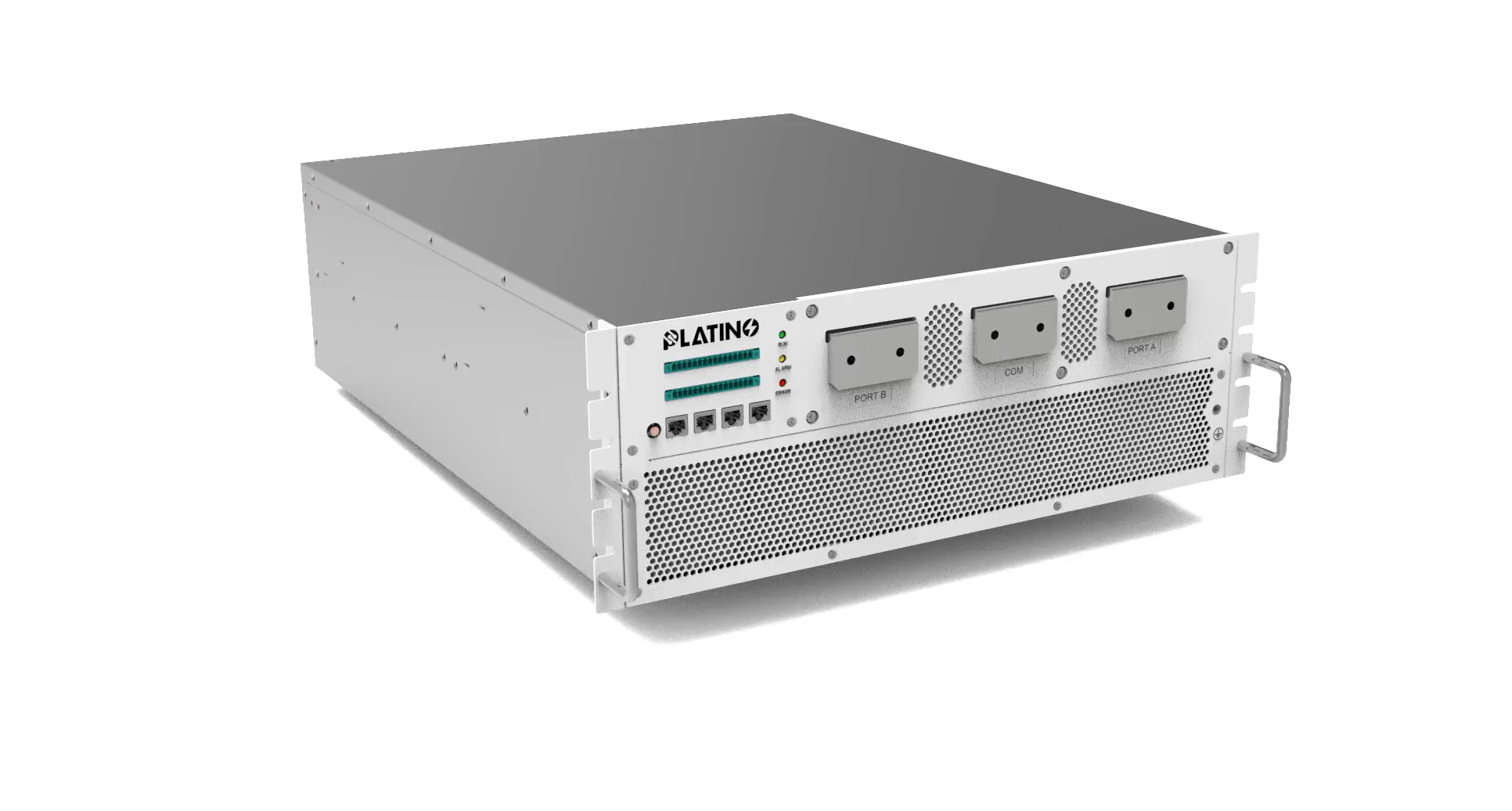
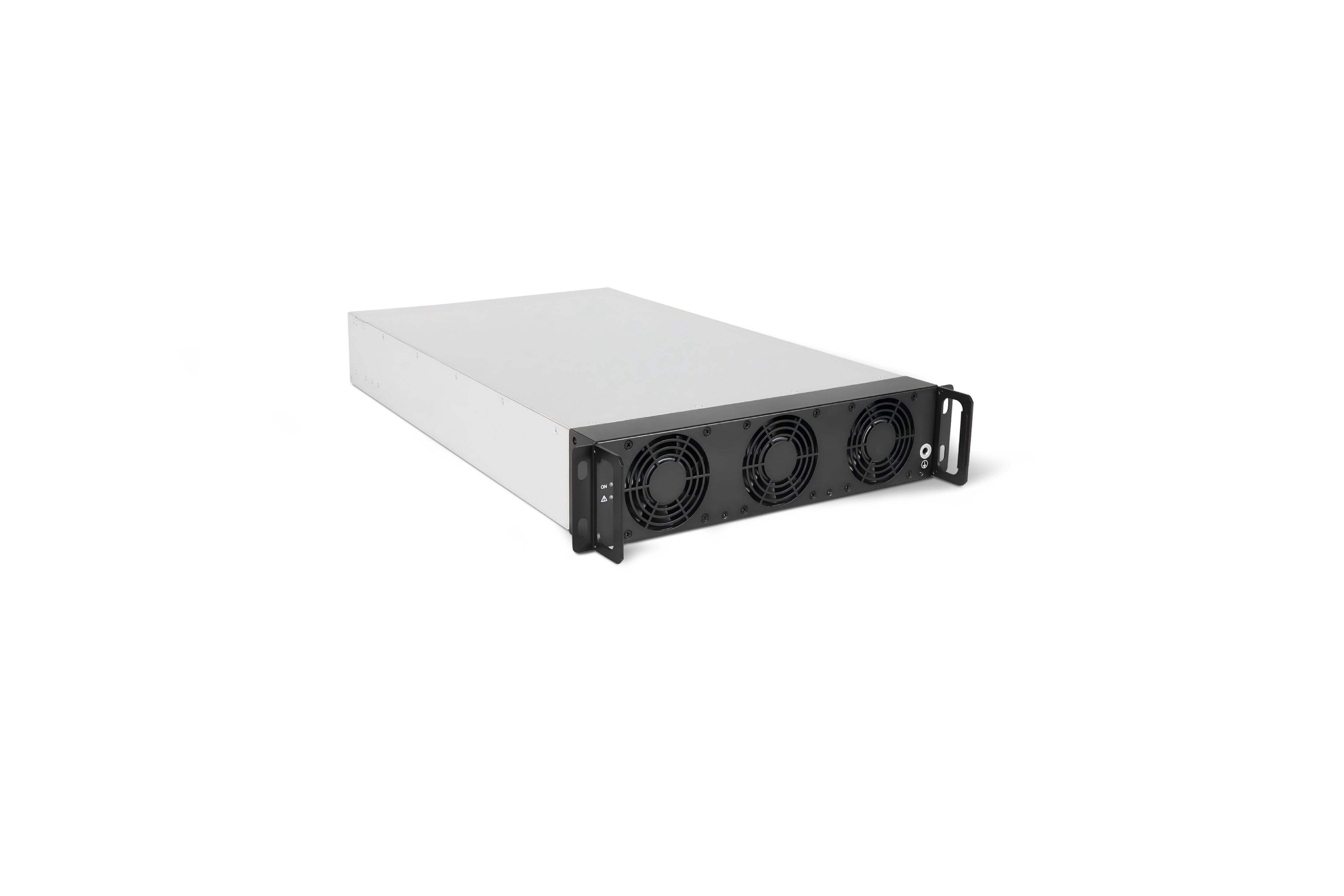
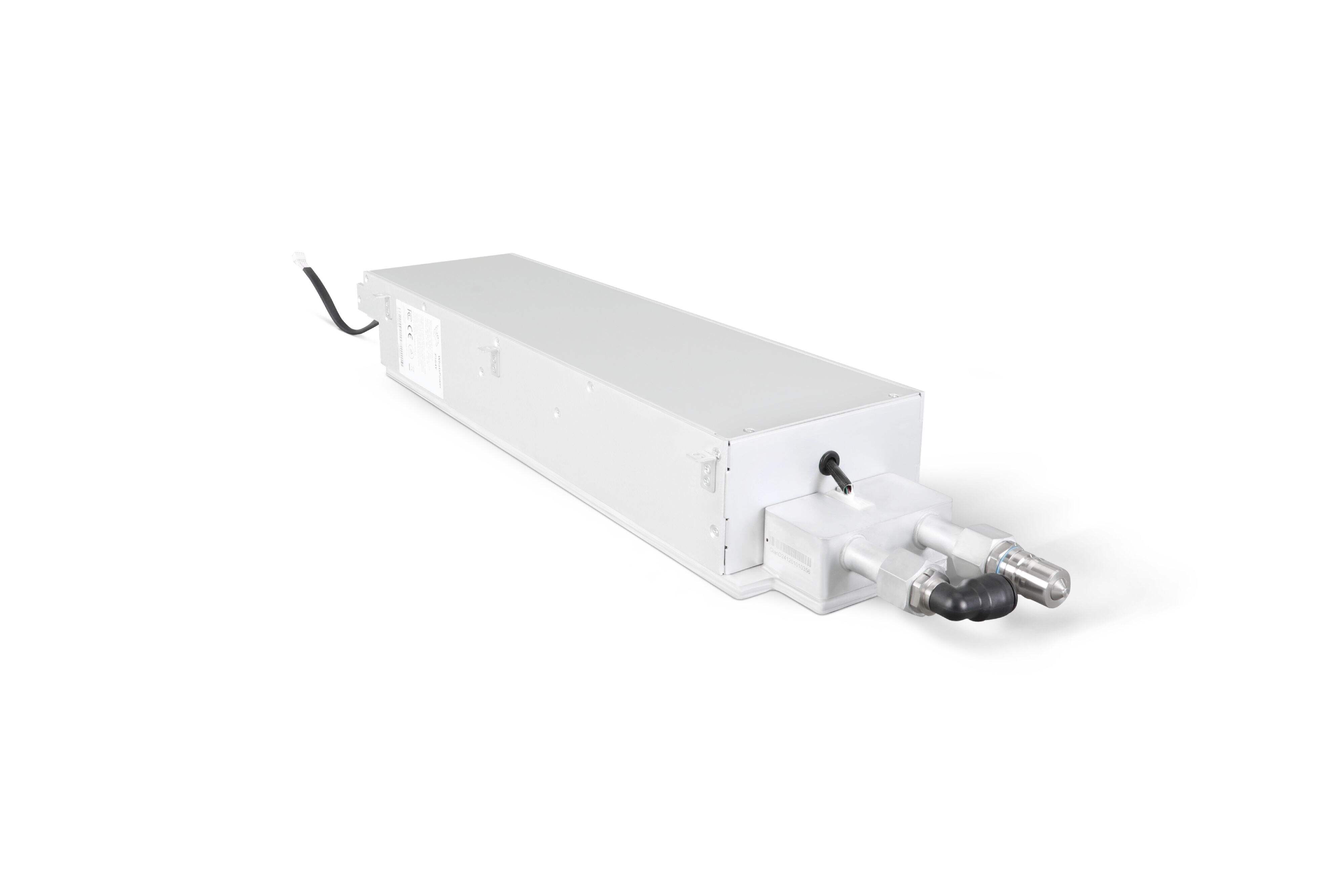
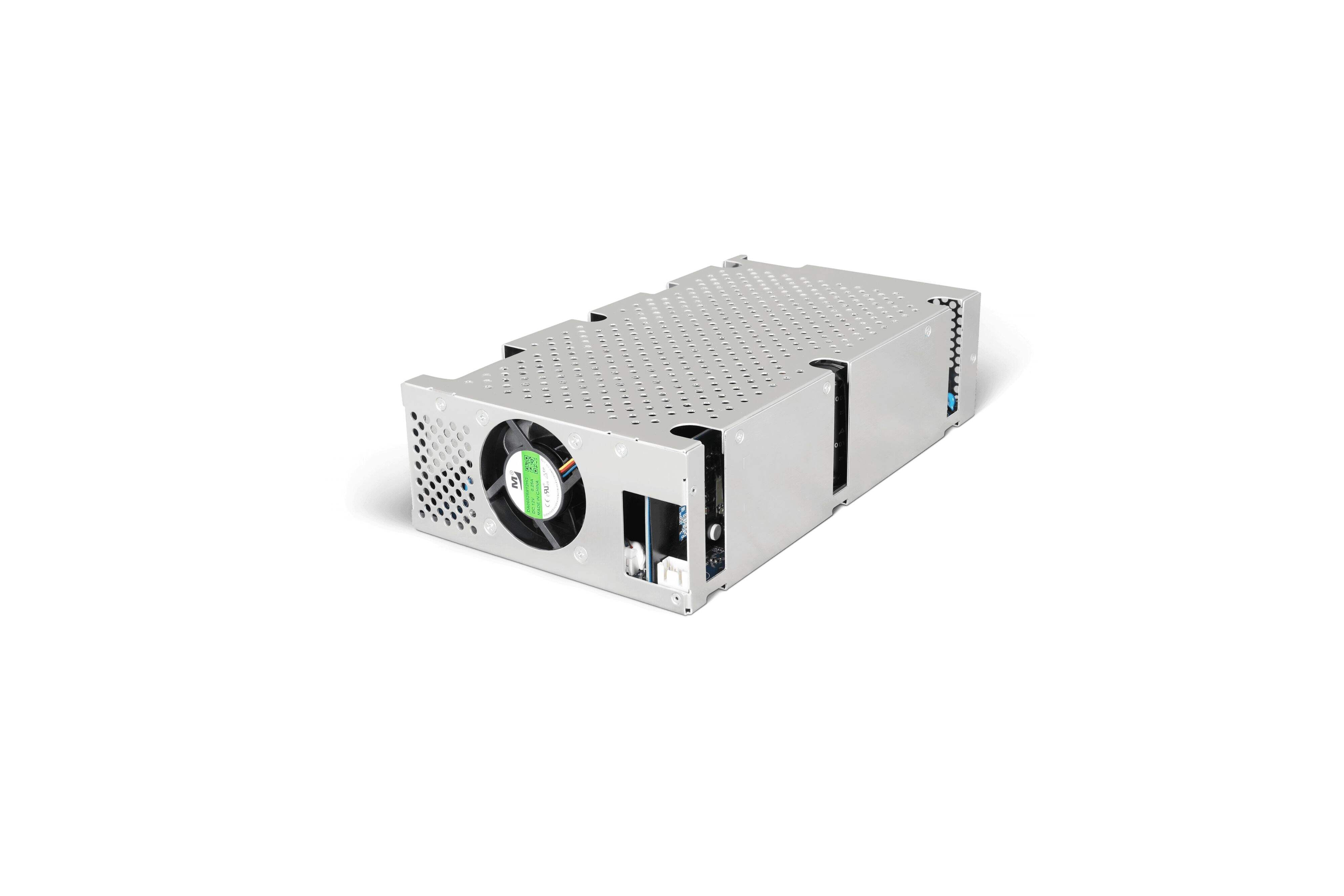
The soft-switching LLC (Logical Link Control) represents a revolutionary advancement in power electronics and communication protocol management, delivering exceptional performance through intelligent switching mechanisms that minimize energy losses and electromagnetic interference. This sophisticated technology operates by implementing gradual voltage and current transitions instead of abrupt switching events, which traditionally cause significant power dissipation and noise generation. The soft-switching LLC integrates advanced control algorithms with precision timing circuits to orchestrate seamless transitions between operational states, ensuring optimal system efficiency across diverse operating conditions. At its core, the soft-switching LLC employs zero-voltage switching (ZVS) and zero-current switching (ZCS) techniques that synchronize switching events with natural circuit resonances, effectively eliminating harmful voltage and current spikes that plague conventional hard-switching systems. The technology incorporates sophisticated feedback mechanisms that continuously monitor system parameters and automatically adjust switching patterns to maintain peak performance while protecting sensitive components from stress-induced failures. Modern soft-switching LLC implementations feature advanced digital signal processing capabilities that enable real-time optimization of switching sequences based on load conditions, input variations, and thermal considerations. These systems excel in applications requiring high power density, superior efficiency, and minimal electromagnetic emissions, making them ideal for renewable energy converters, electric vehicle charging infrastructure, data center power supplies, and telecommunications equipment. The soft-switching LLC architecture supports wide input voltage ranges while maintaining stable output characteristics, providing exceptional versatility for diverse industrial applications. Furthermore, the technology incorporates comprehensive protection features including overcurrent detection, thermal monitoring, and fault isolation capabilities that ensure reliable operation under challenging environmental conditions.

 EN
EN