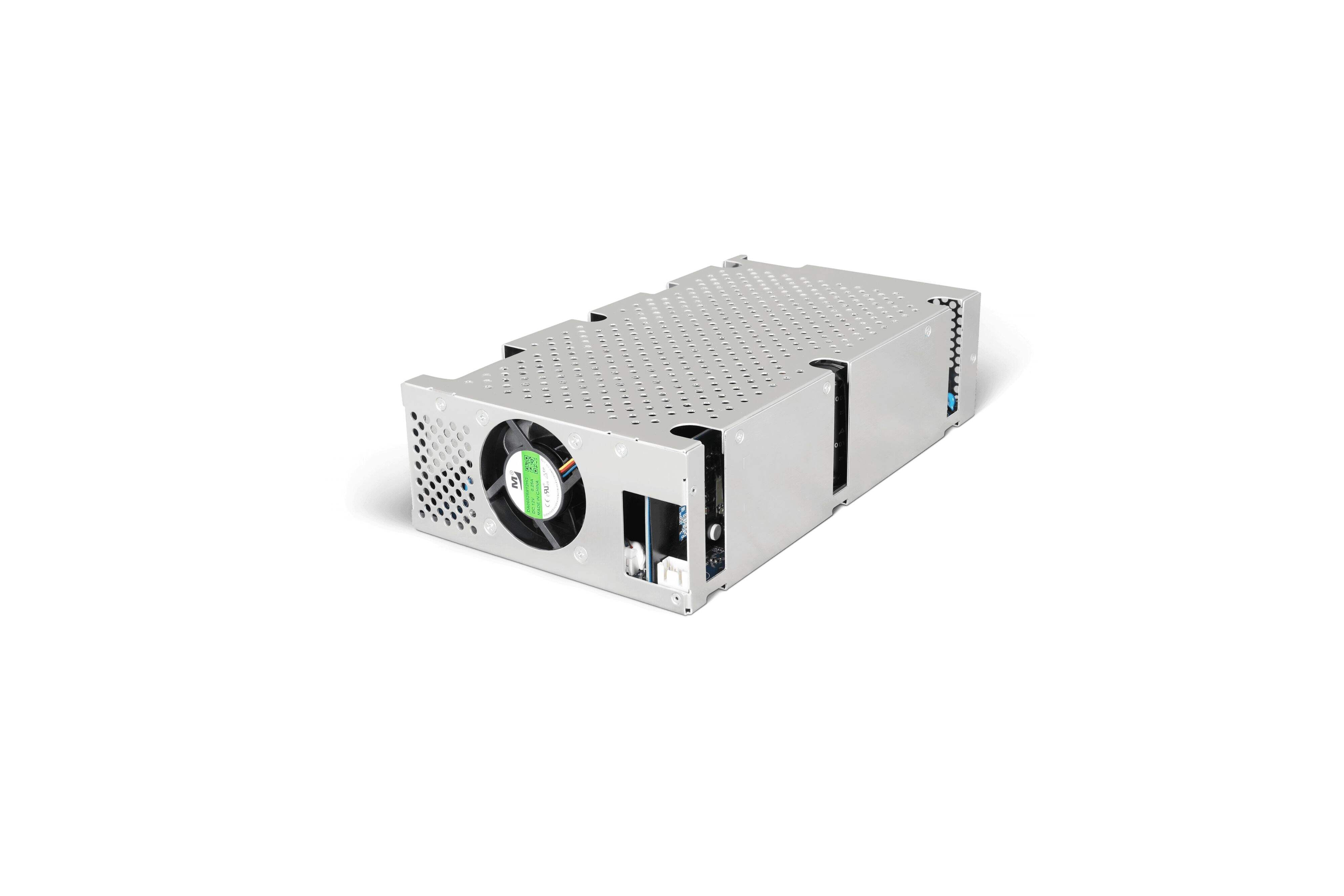
Grid-Tied PCS: Advanced Power Conversion Systems for Seamless Renewable Energy Integration

All Categories

Get a Free Quote

Our representative will contact you soon.
Email
Name
Company Name
Message
0/1000

grid-tied pcs

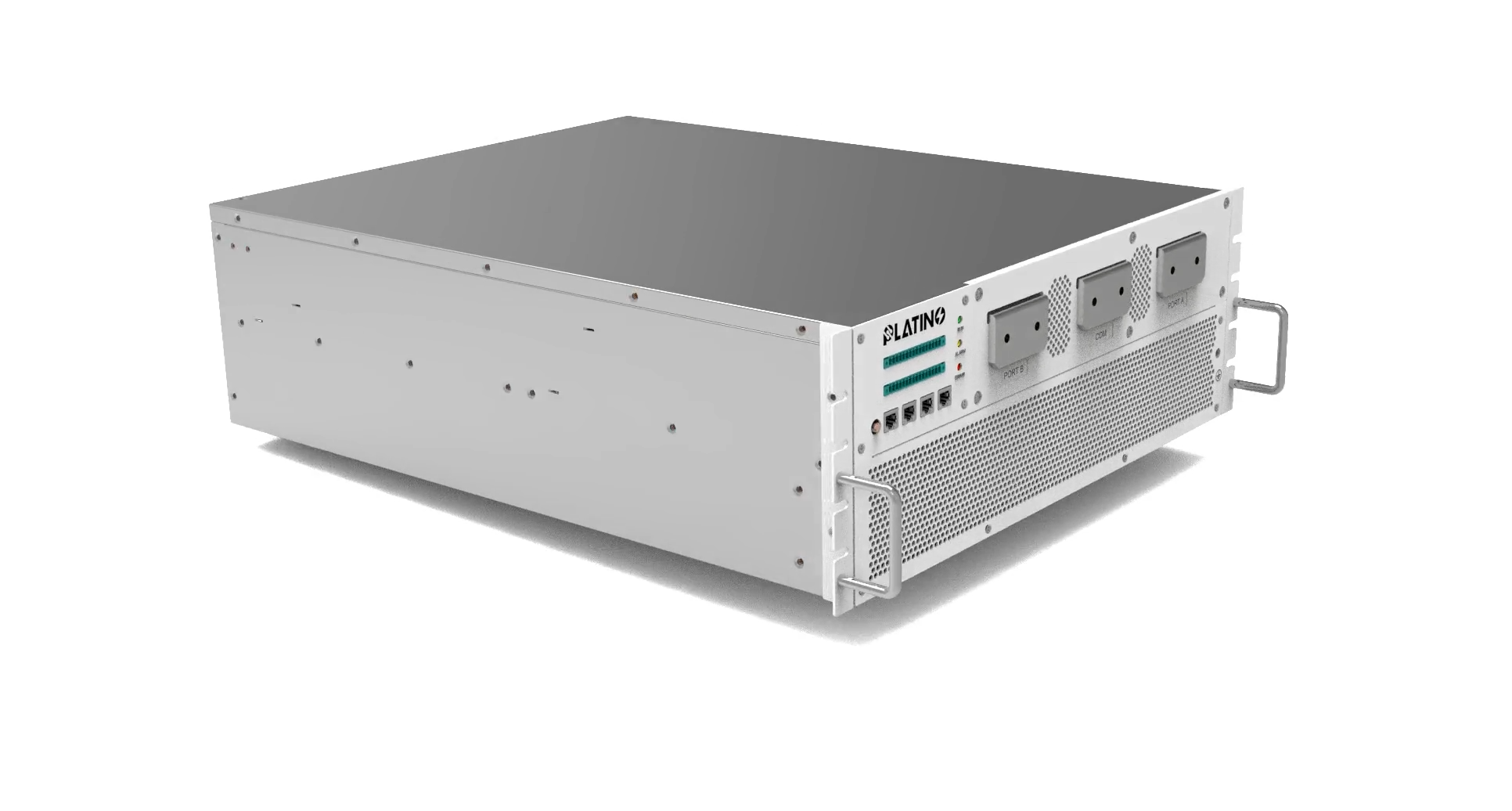
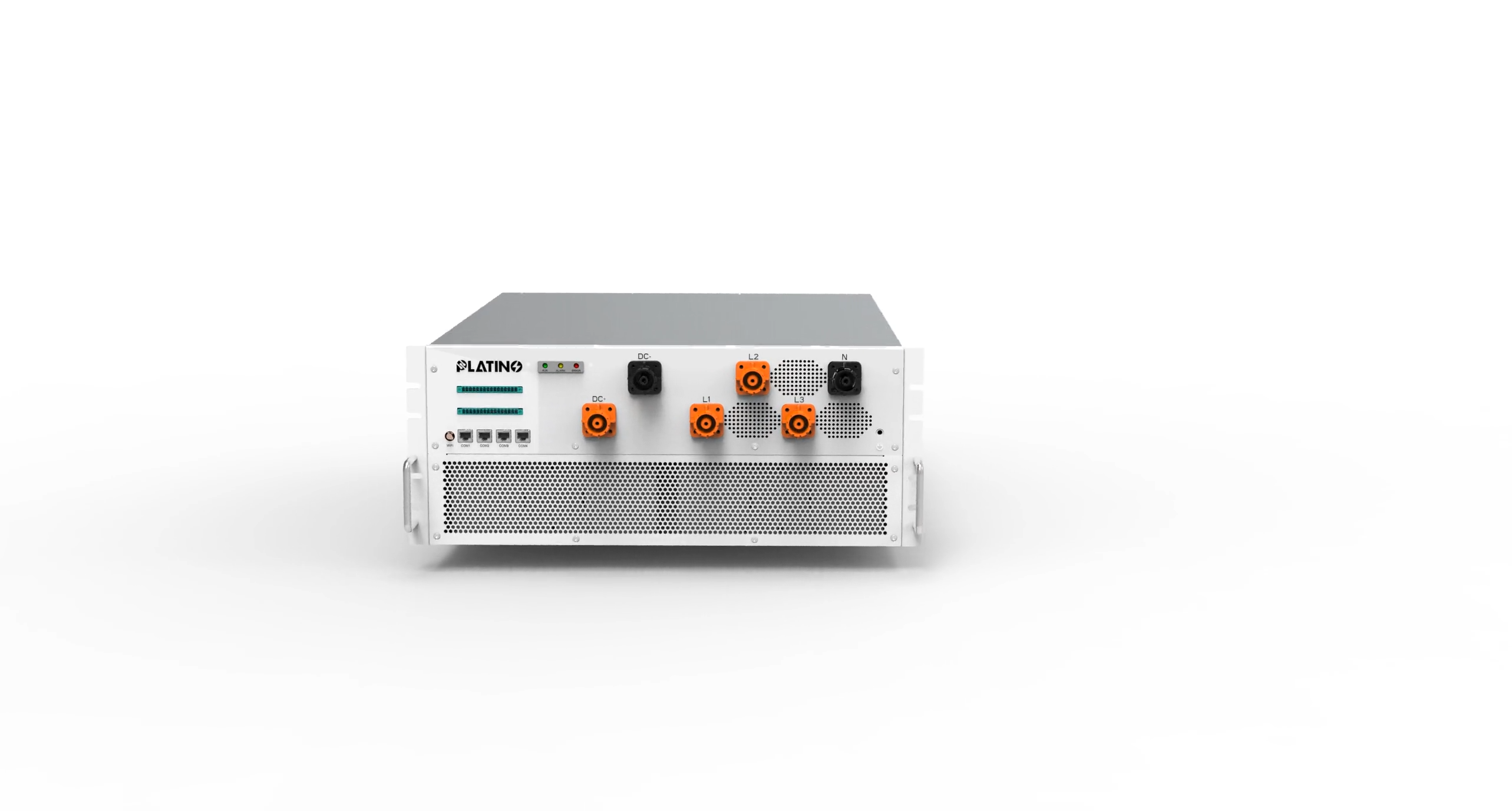
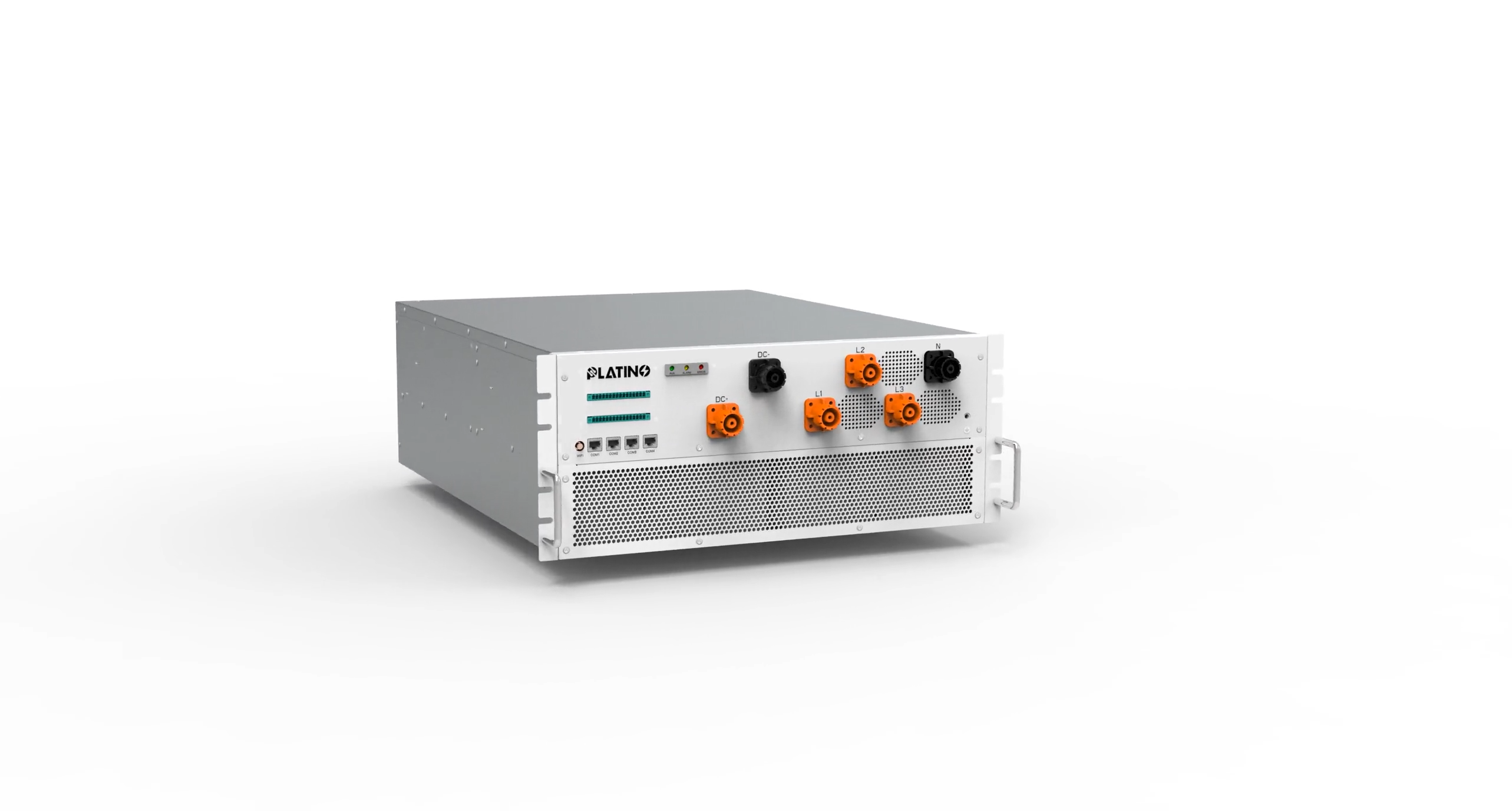
Grid-tied PCS (Power Conversion Systems) represent a revolutionary advancement in renewable energy infrastructure, serving as the critical bridge between distributed energy resources and utility grids. These sophisticated systems function as intelligent power management hubs that seamlessly integrate solar panels, wind turbines, and energy storage systems with existing electrical networks. The primary function of grid-tied PCS involves converting direct current (DC) electricity generated by renewable sources into alternating current (AC) that matches grid specifications, while simultaneously managing bidirectional power flow to optimize energy distribution. Modern grid-tied PCS incorporate advanced inverter technology, featuring multi-level power conversion topologies that ensure maximum efficiency and minimal harmonic distortion. These systems utilize sophisticated control algorithms that continuously monitor grid conditions, automatically adjusting output parameters to maintain synchronization with utility frequency and voltage standards. The technological architecture includes integrated protection mechanisms such as anti-islanding detection, overvoltage protection, and ground fault monitoring to ensure safe operation during various grid conditions. Grid-tied PCS applications span residential installations, commercial facilities, and utility-scale renewable energy projects, providing scalable solutions for diverse energy requirements. These systems support various renewable energy configurations, including rooftop solar installations, ground-mounted photovoltaic arrays, and hybrid renewable energy systems combining multiple generation sources. The integration capabilities extend to energy storage systems, enabling grid-tied PCS to facilitate peak shaving, load shifting, and grid stabilization services. Advanced communication protocols within grid-tied PCS enable remote monitoring, predictive maintenance, and real-time performance optimization, ensuring consistent operation and maximizing return on investment for renewable energy installations.


Popular Products

Grid-tied PCS deliver substantial economic benefits by eliminating the need for expensive battery backup systems while enabling users to sell excess energy back to the utility grid through net metering programs. This bidirectional energy exchange creates additional revenue streams, significantly reducing payback periods for renewable energy investments. The financial advantages extend beyond initial cost savings, as grid-tied PCS require minimal maintenance compared to standalone systems, reducing long-term operational expenses. Energy independence becomes achievable without complete grid disconnection, allowing users to reduce utility bills while maintaining reliable power supply during periods of insufficient renewable generation. The environmental impact of grid-tied PCS promotes sustainable energy practices by maximizing renewable energy utilization and reducing carbon footprint through cleaner electricity generation. These systems contribute to grid stability by providing distributed generation that reduces transmission losses and peak demand stress on utility infrastructure. Installation flexibility represents another significant advantage, as grid-tied PCS accommodate various system sizes and configurations without requiring extensive electrical modifications. The modular design allows for system expansion as energy needs grow, providing scalable solutions that adapt to changing requirements. Reliability improvements result from redundant power sources, where grid connection serves as backup during renewable energy shortfalls, ensuring uninterrupted power supply for critical applications. Grid-tied PCS enhance property values by installing modern, efficient energy systems that appeal to environmentally conscious buyers and reduce long-term energy costs. The technology supports smart grid integration, enabling participation in demand response programs that provide additional compensation for load management services. Regulatory compliance becomes simplified as grid-tied PCS meet utility interconnection standards and safety requirements, streamlining approval processes for renewable energy installations. Performance monitoring capabilities provide detailed insights into energy production and consumption patterns, empowering users to optimize energy usage and identify potential system improvements.

Tips And Tricks

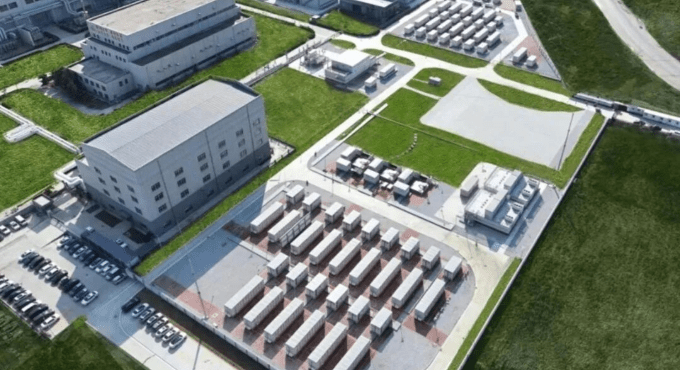
A Power Station That Doesn’t Generate Electricity — Yet Moves 120 Million kWh a Year

18

Dec

A Power Station That Doesn’t Generate Electricity — Yet Moves 120 Million kWh a Year

View More
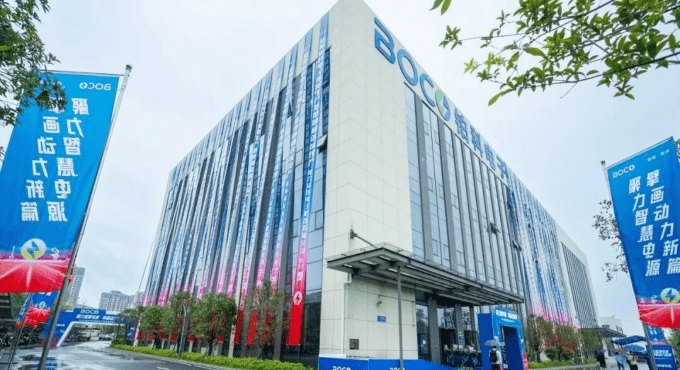
BOCO Electronics Brings Hengyang Intelligent Manufacturing Base Online, Expanding Annual Production Beyond One Million Units

18

Dec

BOCO Electronics Brings Hengyang Intelligent Manufacturing Base Online, Expanding Annual Production Beyond One Million Units

View More
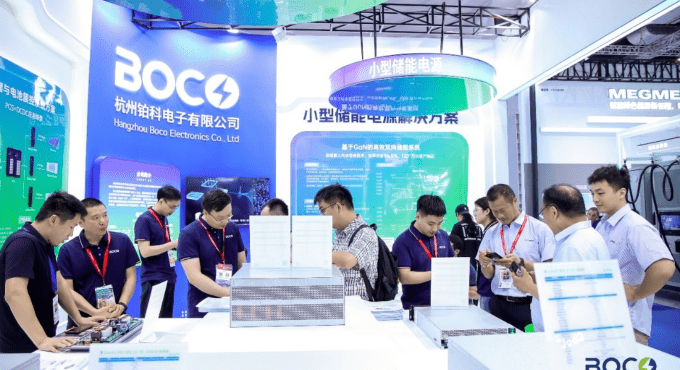
BOCO Electronics Demonstrates System-Level Power Conversion Innovation at SNEC 2025

18

Dec

BOCO Electronics Demonstrates System-Level Power Conversion Innovation at SNEC 2025

View More

Get a Free Quote

Our representative will contact you soon.
Email
Name
Company Name
Message
0/1000

grid-tied pcs

Advanced Power Management and Grid Synchronization Technology

Advanced Power Management and Grid Synchronization Technology

The sophisticated power management capabilities of grid-tied PCS represent the pinnacle of modern energy conversion technology, incorporating intelligent algorithms that ensure seamless integration with utility grids while maximizing energy efficiency. These systems utilize advanced maximum power point tracking (MPPT) technology that continuously optimizes power extraction from renewable sources, adapting to changing environmental conditions such as solar irradiance fluctuations and wind speed variations. The grid synchronization technology employs precision phase-locked loop (PLL) circuits that maintain perfect alignment with grid frequency and voltage, ensuring stable power delivery and compliance with utility interconnection standards. Real-time monitoring systems within grid-tied PCS track multiple parameters including input voltage, output current, power factor, and harmonic content, automatically adjusting conversion parameters to maintain optimal performance. The intelligent control systems incorporate predictive algorithms that anticipate grid conditions and renewable energy output, enabling proactive adjustments that prevent power quality issues and maximize energy harvest. Grid-tied PCS feature multi-level inverter topologies that significantly reduce harmonic distortion while improving conversion efficiency, resulting in cleaner power output that benefits both the user and utility grid. The advanced protection systems include comprehensive fault detection capabilities that immediately respond to grid disturbances, equipment malfunctions, or safety hazards, ensuring continuous safe operation. Communication interfaces enable integration with building management systems and utility control centers, facilitating coordinated operation and participation in grid services such as frequency regulation and voltage support. The power management system optimizes energy flow based on real-time electricity pricing, automatically determining whether to consume renewable energy locally, store it in batteries, or export it to the grid for maximum economic benefit.
Comprehensive Safety Features and Regulatory Compliance

Comprehensive Safety Features and Regulatory Compliance

Grid-tied PCS incorporate extensive safety mechanisms that exceed industry standards, providing comprehensive protection for equipment, personnel, and utility infrastructure through multiple redundant safety systems. Anti-islanding protection represents a critical safety feature that immediately disconnects the system from the grid during utility outages, preventing dangerous backfeeding that could endanger utility workers performing maintenance on supposedly de-energized lines. Ground fault detection systems continuously monitor electrical integrity, instantly shutting down operations upon detecting any ground faults that could pose electrocution risks or equipment damage. Overvoltage and undervoltage protection circuits safeguard both the grid-tied PCS and connected equipment from potentially damaging voltage excursions, automatically disconnecting during abnormal voltage conditions and reconnecting once normal parameters return. Arc fault detection technology identifies dangerous electrical arcing conditions that could lead to fires, immediately interrupting power flow and alerting operators to potential hazards. Thermal management systems incorporate multiple temperature sensors and cooling mechanisms that prevent overheating, automatically reducing output power or shutting down operations when safe temperature limits are approached. Grid-tied PCS comply with rigorous safety standards including UL 1741, IEEE 1547, and IEC 61727, ensuring compatibility with utility requirements and local electrical codes. The certification process involves extensive testing for electromagnetic compatibility, ensuring that grid-tied PCS operation does not interfere with other electronic equipment or communication systems. Surge protection devices safeguard against lightning strikes and grid transients, incorporating multiple protection stages that divert dangerous overvoltages away from sensitive electronic components. The robust enclosure design provides environmental protection against moisture, dust, and extreme temperatures, ensuring reliable operation in various installation environments while maintaining safety standards.
Economic Benefits and Return on Investment Optimization

Economic Benefits and Return on Investment Optimization

Grid-tied PCS deliver exceptional economic value through multiple revenue streams and cost reduction mechanisms that significantly accelerate return on investment for renewable energy projects. Net metering capabilities enable users to receive credit for excess energy exported to the grid, effectively using the utility grid as a virtual battery that provides compensation for surplus renewable generation. Time-of-use optimization features automatically adjust energy consumption and export patterns based on utility rate structures, maximizing revenue by selling power during peak pricing periods and consuming grid electricity during off-peak hours when rates are lowest. The elimination of battery storage requirements reduces initial capital costs by 30-50% compared to off-grid systems, while avoiding ongoing battery replacement expenses that can represent significant long-term costs. Grid-tied PCS enable participation in various utility incentive programs, including feed-in tariffs, renewable energy certificates, and demand response programs that provide additional income streams beyond basic energy sales. The scalable design allows for phased system expansion, enabling users to start with smaller installations and gradually increase capacity as budget permits or energy needs grow, spreading costs over time while maintaining system compatibility. Reduced maintenance requirements compared to battery-based systems lower operational expenses, as grid-tied PCS have fewer mechanical components and do not require regular battery maintenance or replacement. Property value enhancement represents an additional economic benefit, with studies showing that renewable energy installations can increase home values by 3-4% while providing marketing advantages for commercial properties. Tax incentives and rebates for grid-tied renewable energy systems provide immediate cost reductions, with federal tax credits and state incentives often covering 25-50% of installation costs. The long service life of grid-tied PCS, typically 20-25 years, ensures sustained economic benefits throughout the system lifetime, with many components carrying comprehensive warranties that protect the investment.

Get a Free Quote

Our representative will contact you soon.
Email
Name
Company Name
Message
0/1000