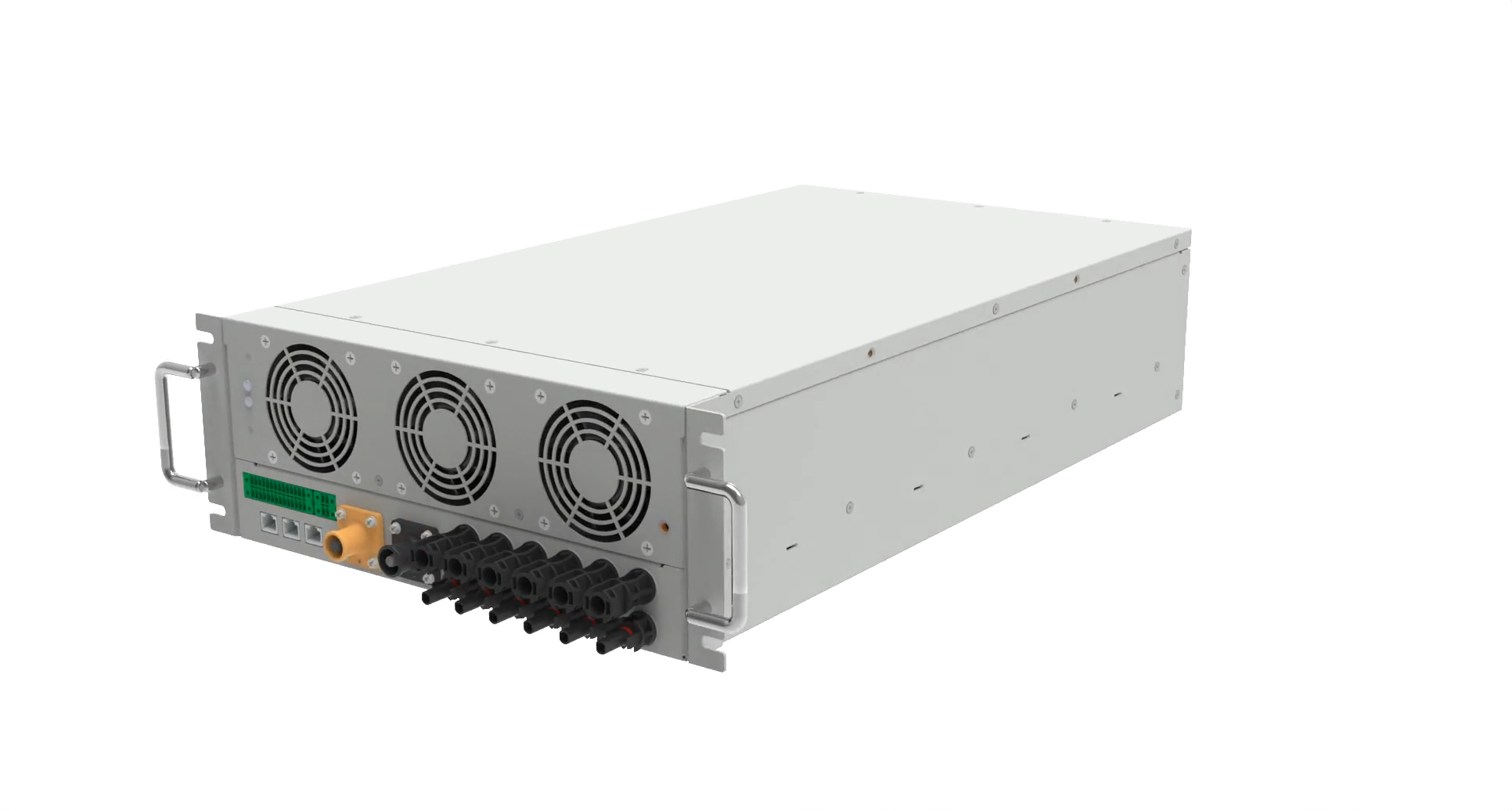
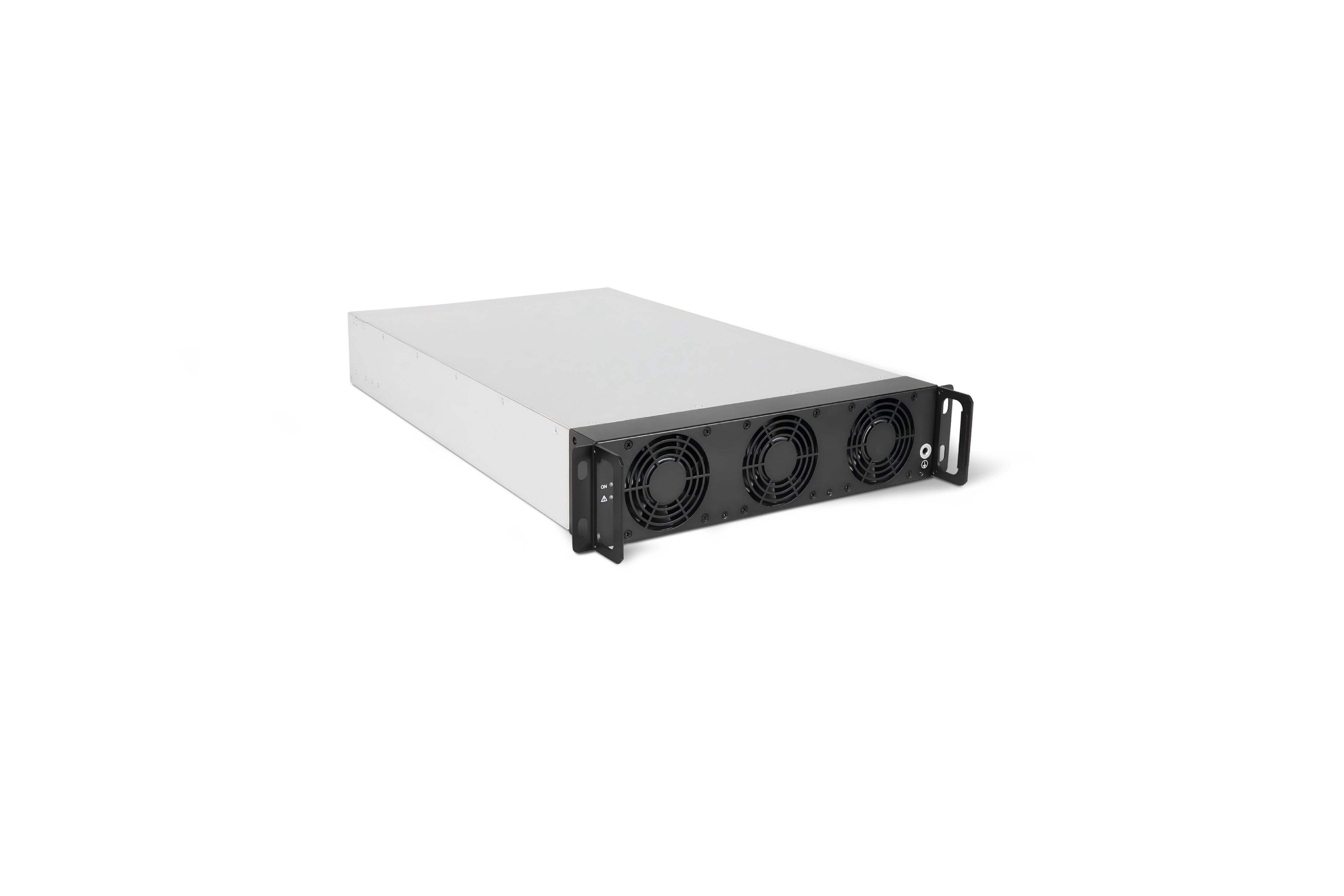
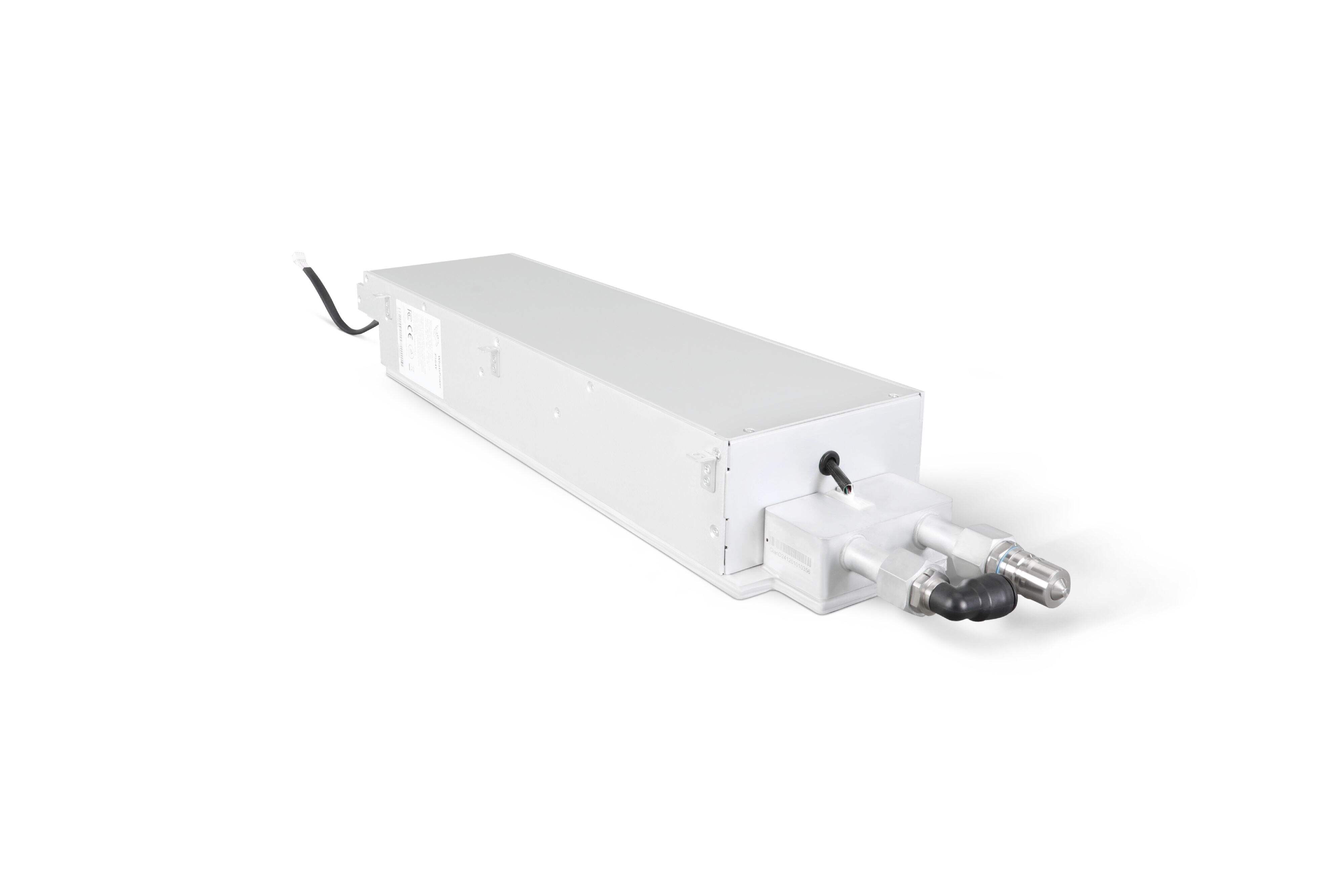
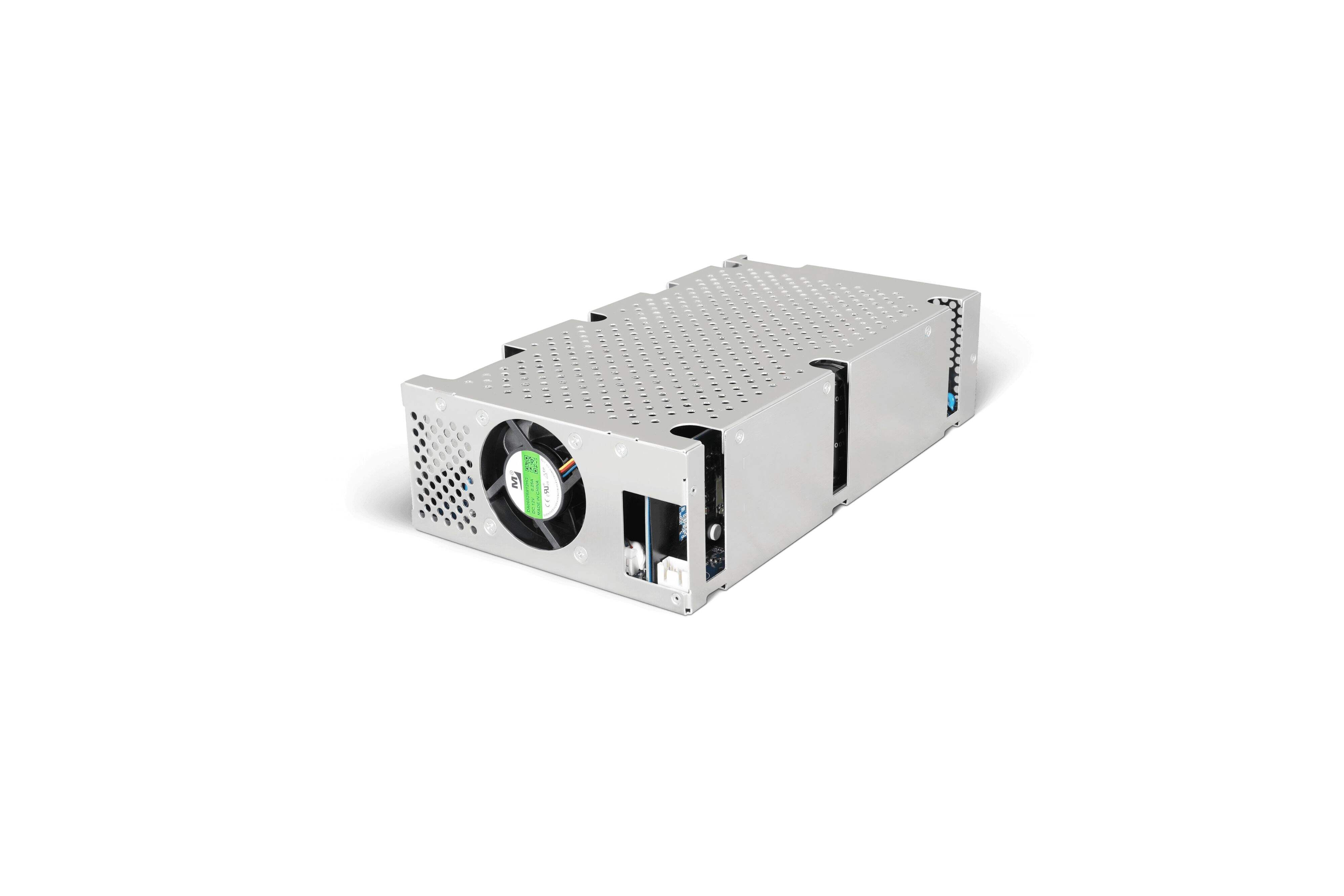
AC DC Microgrid Solutions: Advanced Energy Management Systems for Reliable Power Distribution

All Categories

Get a Free Quote

Our representative will contact you soon.
Email
Name
Company Name
Message
0/1000

ac dc microgrid

An AC DC microgrid represents a revolutionary approach to electrical power distribution that combines both alternating current (AC) and direct current (DC) systems within a localized energy network. This innovative technology creates a self-contained electrical grid that can operate independently or connect to the main utility grid as needed. The AC DC microgrid serves as an intelligent energy management platform that integrates various power sources including solar panels, wind turbines, battery storage systems, and traditional generators to deliver reliable electricity to homes, businesses, and communities. The system utilizes advanced power electronics and smart control technologies to seamlessly convert between AC and DC power formats, optimizing energy flow based on real-time demand and supply conditions. Key functions of an AC DC microgrid include load balancing, voltage regulation, frequency control, and energy storage management. The technology features bidirectional power converters that enable efficient energy transfer between different components while maintaining grid stability. Smart inverters play a crucial role in managing power quality and ensuring smooth transitions between grid-connected and islanded operation modes. The microgrid incorporates sophisticated monitoring and communication systems that provide real-time data on energy production, consumption, and storage levels. Applications span across residential neighborhoods, commercial complexes, industrial facilities, military bases, hospitals, universities, and remote communities. These systems prove particularly valuable in areas prone to power outages, regions with unreliable grid infrastructure, or locations seeking energy independence. The AC DC microgrid technology enables seamless integration of renewable energy sources while providing backup power capabilities during emergencies. Modern implementations include advanced energy management software that optimizes system performance, reduces operational costs, and extends equipment lifespan through predictive maintenance capabilities.


New Product Releases

AC DC microgrid systems deliver substantial cost savings by reducing electricity bills through optimal energy management and peak demand reduction. These systems automatically shift energy usage patterns to take advantage of lower utility rates during off-peak hours while storing excess renewable energy for later use. Property owners experience significant reductions in monthly energy expenses, often achieving 30-50% savings compared to traditional grid-only systems. The technology provides enhanced energy security by creating multiple power sources and backup capabilities that ensure continuous electricity supply during outages or emergencies. When the main grid fails, the AC DC microgrid seamlessly switches to islanded mode, maintaining power to critical loads without interruption. This reliability proves invaluable for businesses, healthcare facilities, and residential areas where power continuity is essential. Environmental benefits include substantial reductions in carbon emissions through increased renewable energy utilization and improved overall energy efficiency. The system maximizes solar panel output and wind energy generation while minimizing waste through intelligent power routing and storage management. Users contribute to environmental sustainability while potentially earning credits through net metering programs when excess clean energy is fed back to the utility grid. Operational flexibility allows users to customize energy strategies based on specific needs and preferences. The microgrid adapts to changing energy demands throughout the day, automatically adjusting power distribution to maintain optimal performance. Advanced control systems enable remote monitoring and management through smartphone apps or web interfaces, providing users with real-time visibility into energy production, consumption, and cost savings. Scalability represents another key advantage, as AC DC microgrid systems can easily expand to accommodate growing energy needs or additional renewable sources. The modular design allows for phased implementation, enabling users to start with basic configurations and gradually add components as budgets and requirements evolve. This flexibility makes the technology accessible to various customer segments, from small residential installations to large commercial and industrial applications.

Practical Tips

A Power Station That Doesn’t Generate Electricity — Yet Moves 120 Million kWh a Year

18

Dec

A Power Station That Doesn’t Generate Electricity — Yet Moves 120 Million kWh a Year

View More
BOCO Electronics Brings Hengyang Intelligent Manufacturing Base Online, Expanding Annual Production Beyond One Million Units

18

Dec

BOCO Electronics Brings Hengyang Intelligent Manufacturing Base Online, Expanding Annual Production Beyond One Million Units

View More
BOCO Electronics Demonstrates System-Level Power Conversion Innovation at SNEC 2025

18

Dec

BOCO Electronics Demonstrates System-Level Power Conversion Innovation at SNEC 2025

View More

Get a Free Quote

Our representative will contact you soon.
Email
Name
Company Name
Message
0/1000

ac dc microgrid

Advanced Energy Storage Integration and Management

Advanced Energy Storage Integration and Management

The AC DC microgrid excels in seamlessly integrating diverse energy storage technologies to create a comprehensive power management solution that maximizes efficiency and reliability. This sophisticated system combines lithium-ion batteries, flow batteries, and emerging storage technologies with intelligent management algorithms that optimize charging and discharging cycles based on real-time energy prices, weather forecasts, and consumption patterns. The microgrid continuously monitors battery health, temperature, and performance metrics to ensure optimal operation while extending equipment lifespan through smart maintenance protocols. Energy storage integration enables the system to capture excess renewable energy during peak production periods and release it when demand increases or generation decreases. This capability proves particularly valuable during evening hours when solar panels stop producing electricity but energy consumption remains high. The AC DC microgrid automatically determines the most cost-effective energy sources at any given moment, whether drawing from stored battery power, renewable generation, or the utility grid. Advanced predictive algorithms analyze historical usage patterns and weather data to pre-position energy resources for optimal performance. The system can participate in utility demand response programs, selling stored energy back to the grid during peak demand periods to generate additional revenue streams. Battery management systems within the AC DC microgrid provide multiple layers of protection including overcharge prevention, thermal monitoring, and fault detection to ensure safe operation under all conditions. The technology supports various battery chemistries and configurations, allowing users to select storage solutions that best match their specific requirements and budgets. Integration capabilities extend to emerging technologies like hydrogen fuel cells and compressed air energy storage, ensuring future compatibility as storage technologies continue evolving. Smart charging algorithms prevent battery degradation by optimizing charge and discharge rates based on real-time conditions and long-term performance goals.
Intelligent Load Management and Power Quality Enhancement

Intelligent Load Management and Power Quality Enhancement

The AC DC microgrid incorporates sophisticated load management capabilities that automatically prioritize and distribute electricity to ensure optimal performance while maintaining superior power quality throughout the system. This intelligent functionality categorizes electrical loads into critical, non-critical, and deferrable categories, enabling the system to maintain power to essential equipment during emergencies or grid disturbances while temporarily reducing supply to less important devices. Advanced power electronics within the microgrid actively filter electrical noise, correct voltage fluctuations, and eliminate harmonics that can damage sensitive equipment or reduce efficiency in motors and electronic devices. The system continuously monitors power quality parameters including voltage stability, frequency regulation, and total harmonic distortion to ensure clean, reliable electricity supply that exceeds utility grid standards. Smart load management features enable users to schedule energy-intensive activities like water heating, electric vehicle charging, or industrial processes during periods of abundant renewable generation or low utility rates. The AC DC microgrid can automatically delay non-essential loads when energy prices peak or renewable generation decreases, then restore full power when conditions improve. This dynamic load balancing prevents system overloading while maximizing the utilization of available energy resources. Power quality enhancement technologies within the microgrid include active power filters, voltage regulators, and surge protection systems that safeguard connected equipment from electrical disturbances. The system provides uninterruptible power supply functionality for critical loads, seamlessly switching between power sources without causing voltage dips or interruptions that could disrupt operations. Customizable power quality settings allow users to define specific requirements for different areas or equipment types within their facility. Real-time monitoring and reporting capabilities provide detailed insights into power consumption patterns, quality metrics, and system performance, enabling users to identify opportunities for further optimization and energy savings.
Seamless Grid Integration and Energy Trading Capabilities

Seamless Grid Integration and Energy Trading Capabilities

The AC DC microgrid demonstrates exceptional capability in grid integration, enabling bidirectional energy flow that transforms property owners from passive energy consumers into active participants in the broader energy marketplace. This advanced functionality allows the system to seamlessly transition between grid-connected and islanded operation modes while maintaining power quality and system stability throughout all operating conditions. Sophisticated synchronization technology ensures that the microgrid can safely connect to or disconnect from the utility grid without causing voltage fluctuations or frequency disturbances that might affect other grid users. The system continuously monitors grid conditions and automatically adjusts its operation to provide grid support services including voltage regulation, frequency response, and reactive power compensation. Energy trading capabilities enable AC DC microgrid owners to generate revenue by selling excess renewable energy back to the utility company or participating in peer-to-peer energy trading networks. Advanced metering infrastructure tracks energy flows in both directions, providing accurate data for billing and settlement processes while ensuring compliance with utility requirements and regulations. The microgrid can respond to dynamic pricing signals from the utility company, automatically adjusting energy consumption and production patterns to maximize economic benefits. Grid support functions include the ability to provide emergency power to neighboring properties during widespread outages, creating resilient energy communities that enhance overall grid reliability. Communication protocols within the AC DC microgrid enable real-time coordination with utility operators and other distributed energy resources to optimize overall grid performance and stability. The system can participate in virtual power plant programs, aggregating its resources with other distributed generators to provide grid services at utility scale. Advanced forecasting algorithms predict energy production and consumption patterns, enabling proactive grid management and optimal energy trading decisions. Cybersecurity features protect the microgrid from potential threats while maintaining secure communication channels with external systems and market operators.

Get a Free Quote

Our representative will contact you soon.
Email
Name
Company Name
Message
0/1000