china dc microgrid
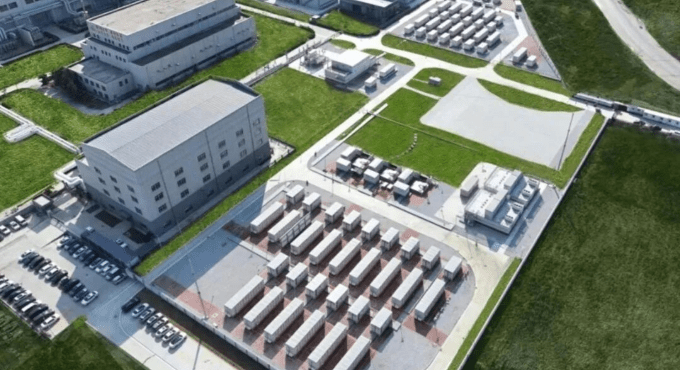
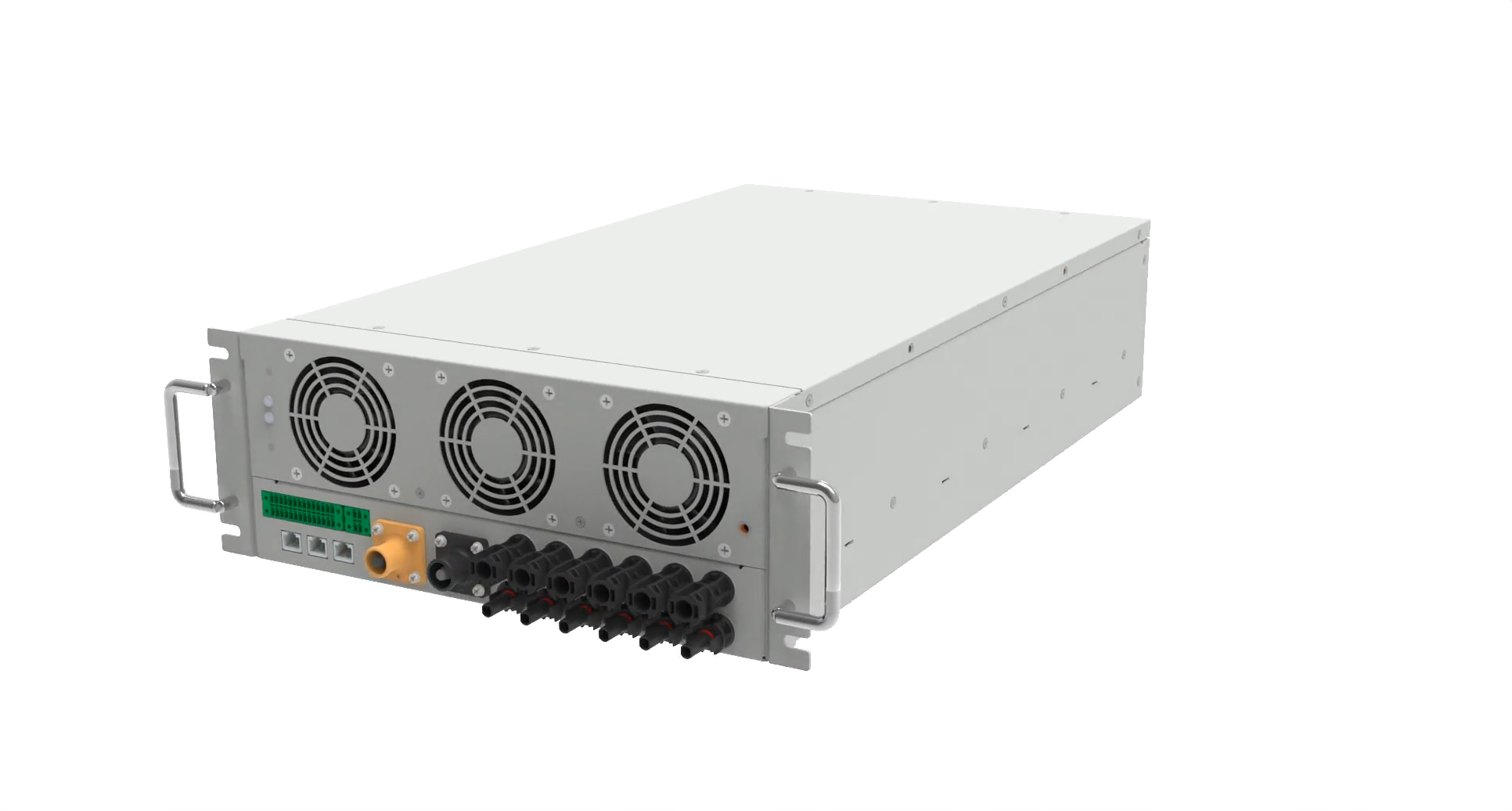
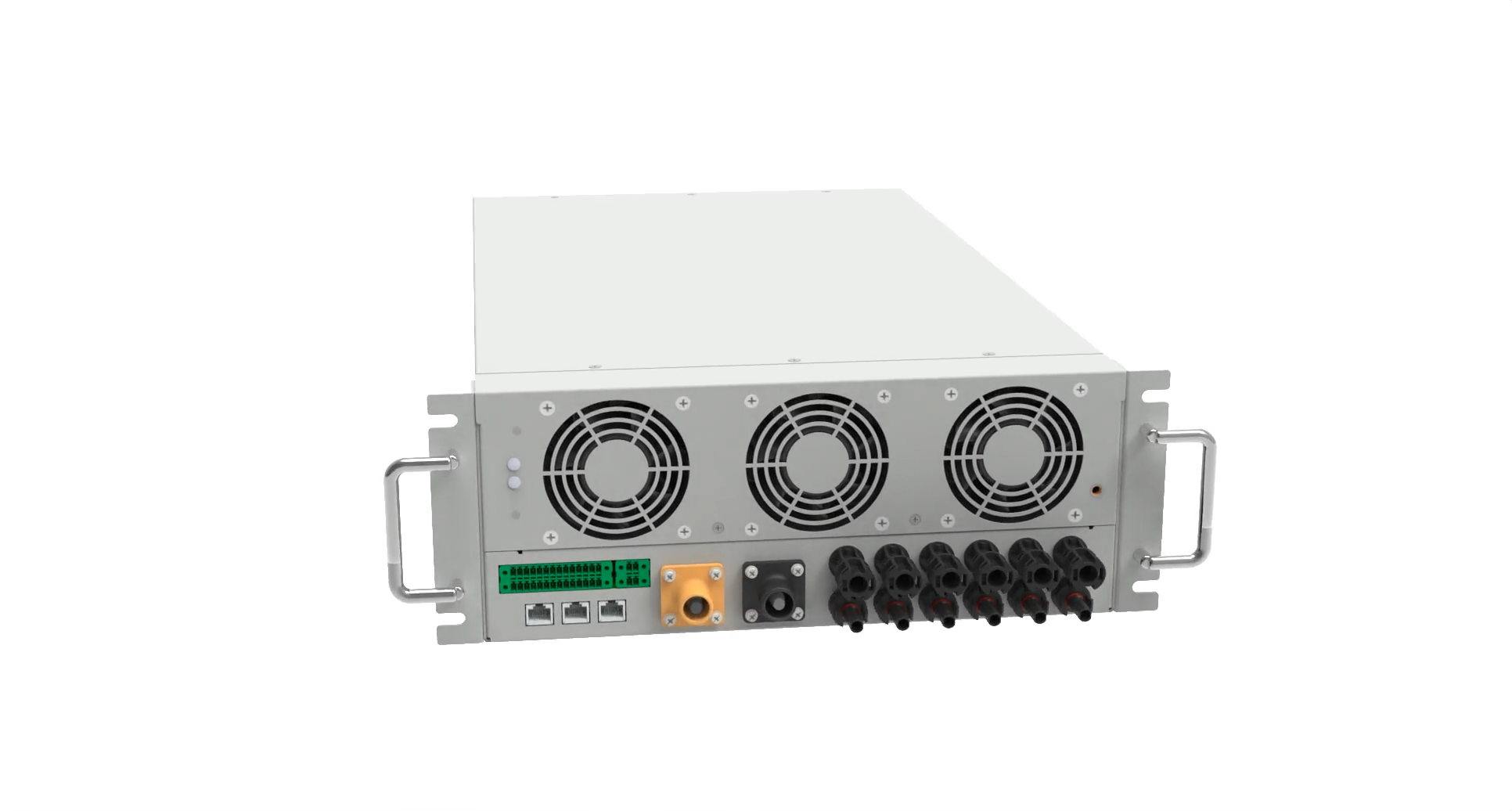
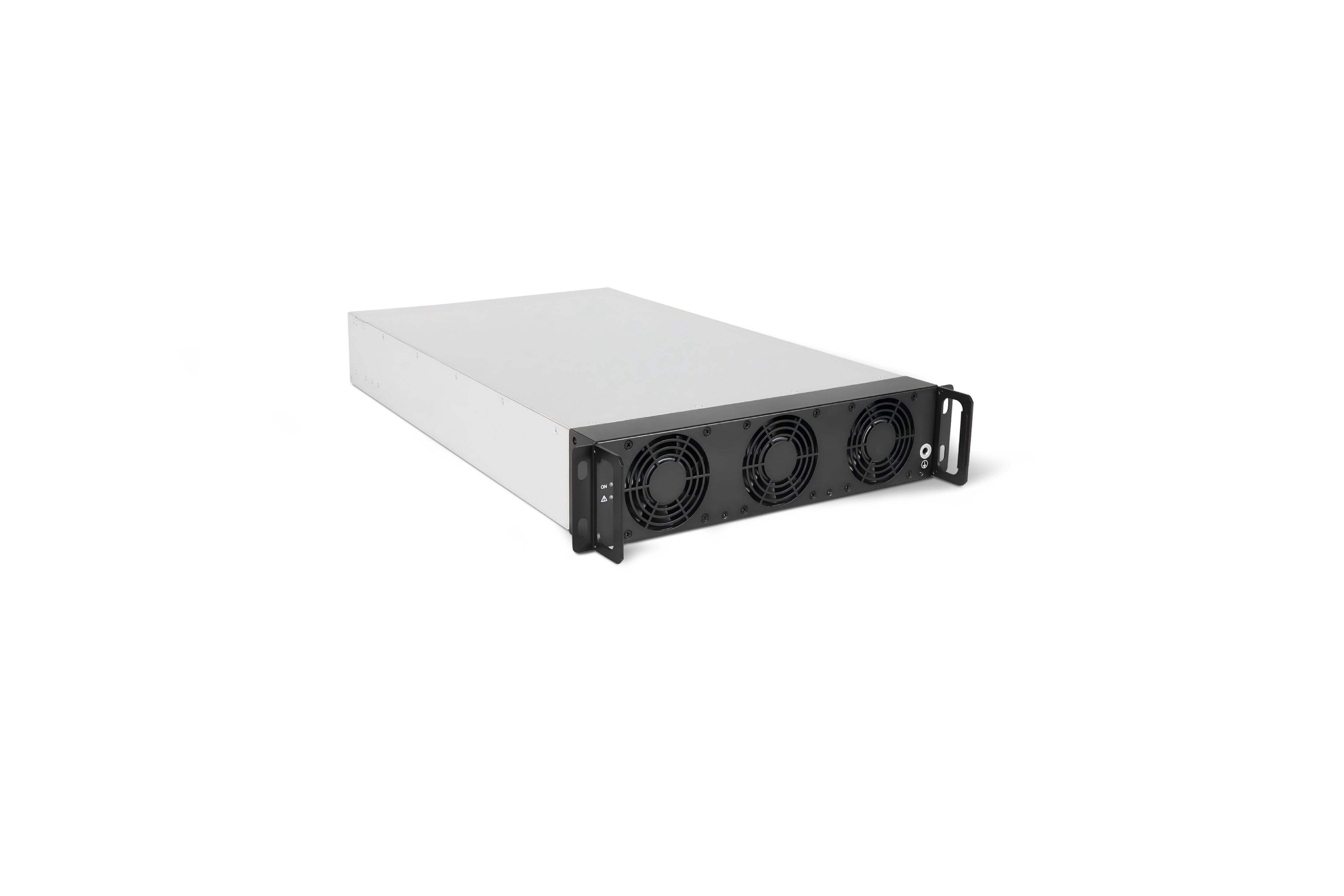
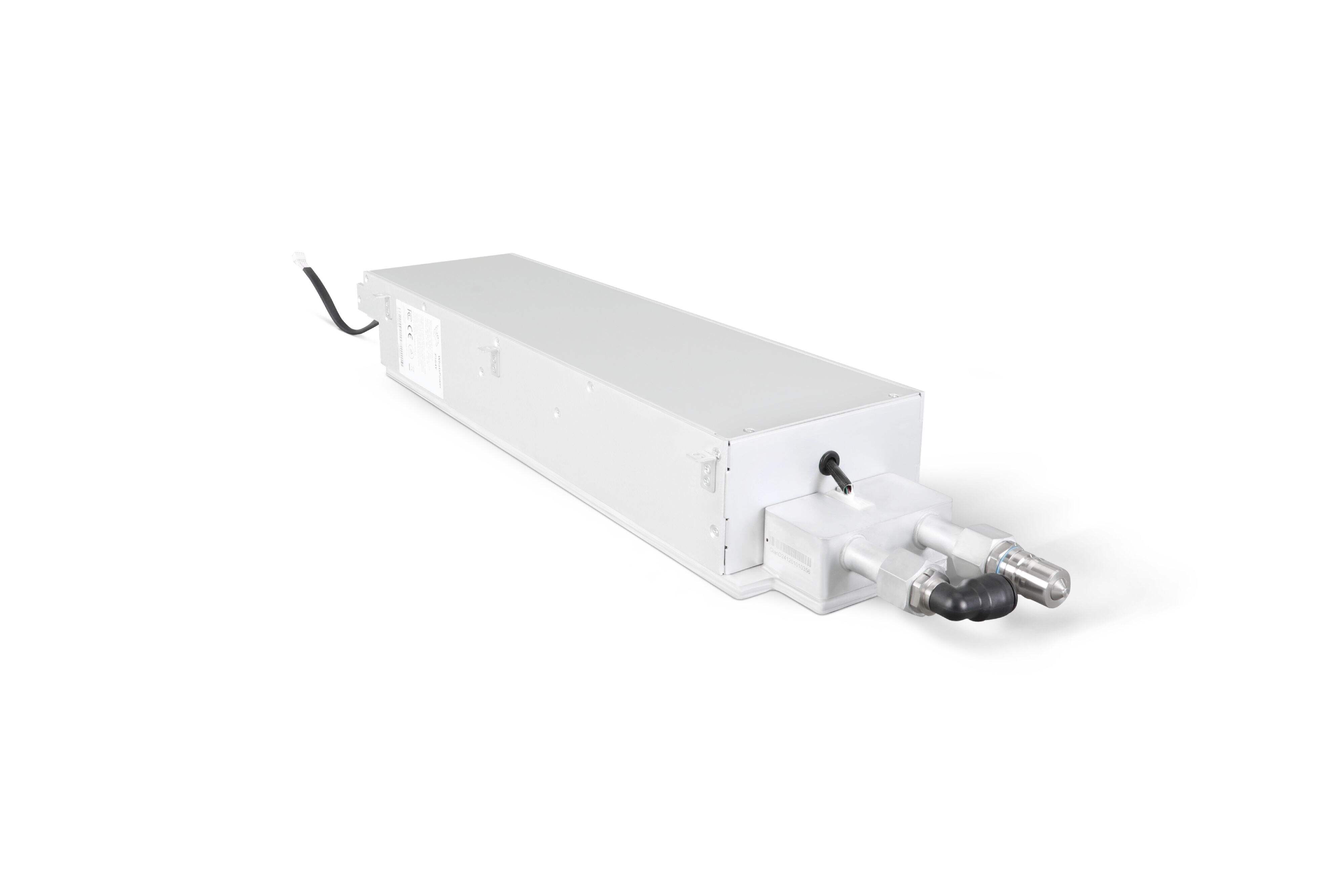
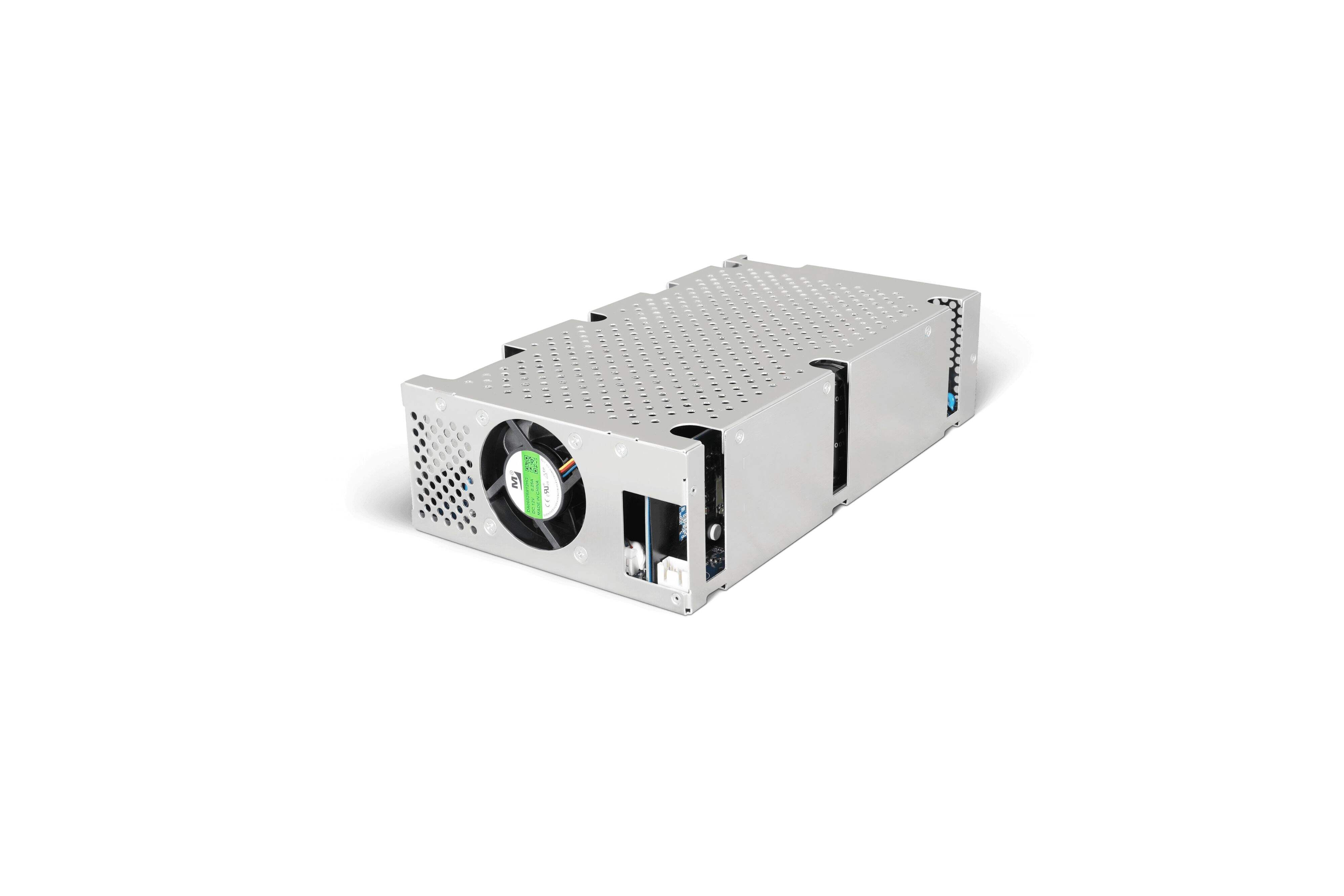
The china dc microgrid represents a cutting-edge distributed energy solution that fundamentally transforms how electrical power is generated, stored, and distributed within localized networks. Unlike traditional alternating current systems, the china dc microgrid operates on direct current technology, eliminating the need for multiple energy conversions and significantly improving overall system efficiency. This innovative infrastructure integrates renewable energy sources such as solar panels, wind turbines, and energy storage systems into a cohesive network that can operate independently or in conjunction with the main electrical grid. The china dc microgrid features advanced control systems that enable real-time monitoring, load balancing, and automated switching between grid-connected and islanded modes of operation. Key technological components include intelligent inverters, battery management systems, power electronics converters, and sophisticated energy management software that optimizes power flow throughout the network. The system maintains stable voltage levels while accommodating various load types and generation sources, ensuring consistent power quality for connected devices and equipment. Primary applications span residential communities, commercial complexes, industrial facilities, remote locations, and critical infrastructure where reliable power supply is essential. The china dc microgrid excels in integrating distributed energy resources, providing backup power during outages, reducing peak demand charges, and enabling participation in grid services markets. Its modular design allows for scalable implementation, starting with small installations and expanding as energy needs grow. The system supports various communication protocols and can interface with smart home devices, electric vehicle charging stations, and building management systems. Advanced fault detection and isolation capabilities ensure rapid response to system disturbances while maintaining power supply to unaffected portions of the network. This technology represents a significant advancement in decentralized energy infrastructure, offering enhanced reliability, sustainability, and economic benefits compared to conventional centralized power systems.

 EN
EN