AC DC Hybrid Microgrid Solutions: Advanced Power Systems for Sustainable Energy Management

All Categories

Get a Free Quote

Our representative will contact you soon.
Email
Name
Company Name
Message
0/1000

ac dc hybrid microgrid

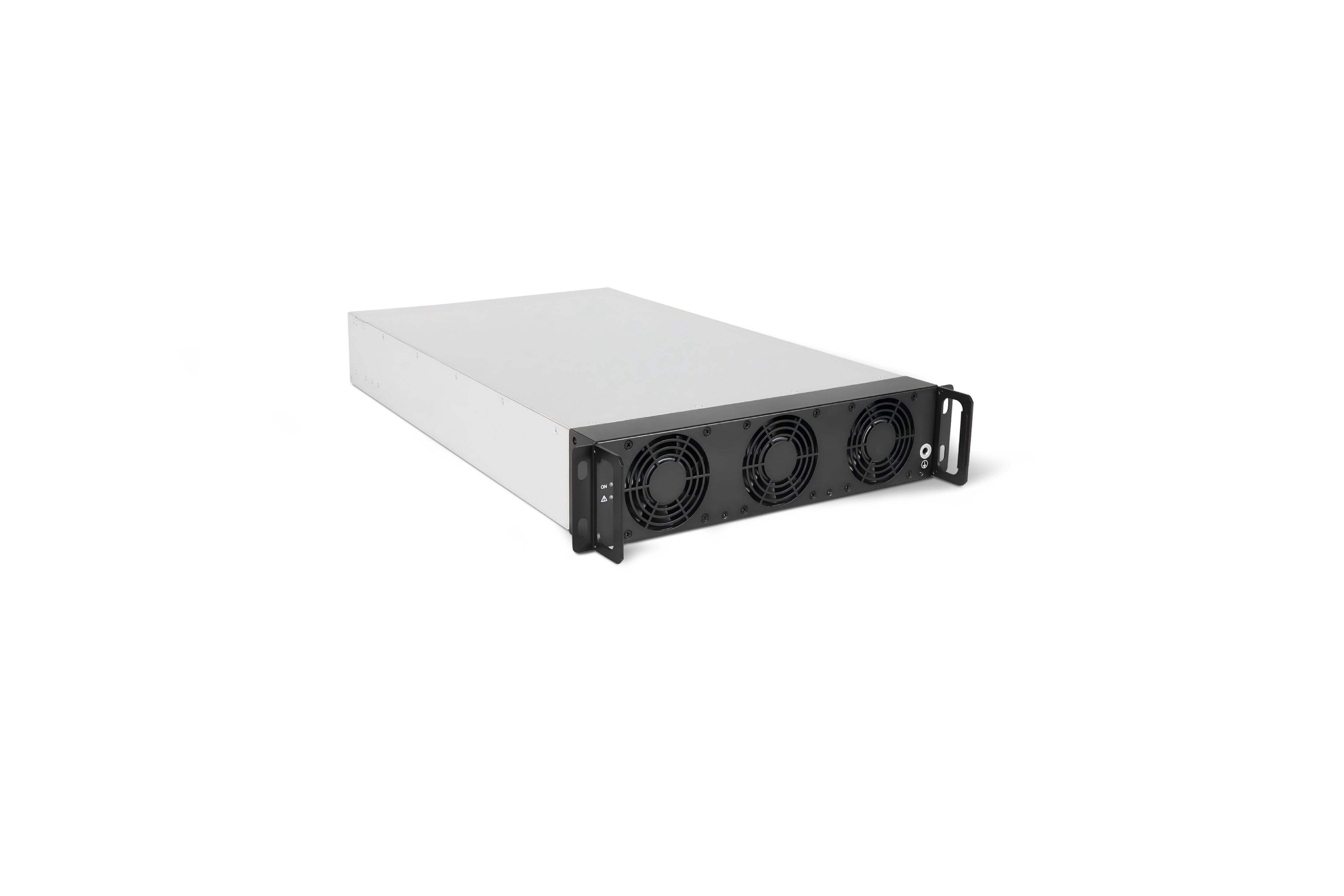
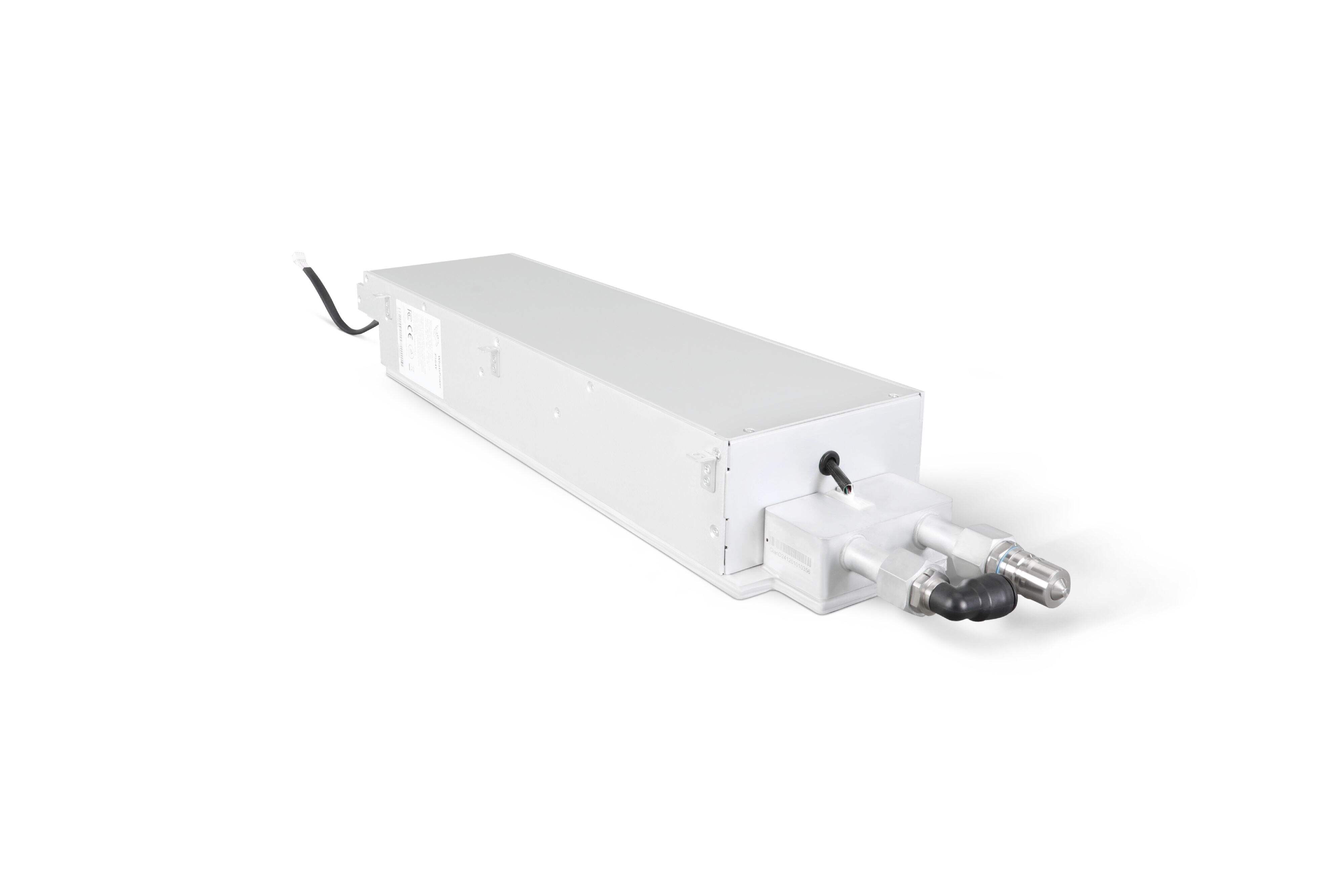
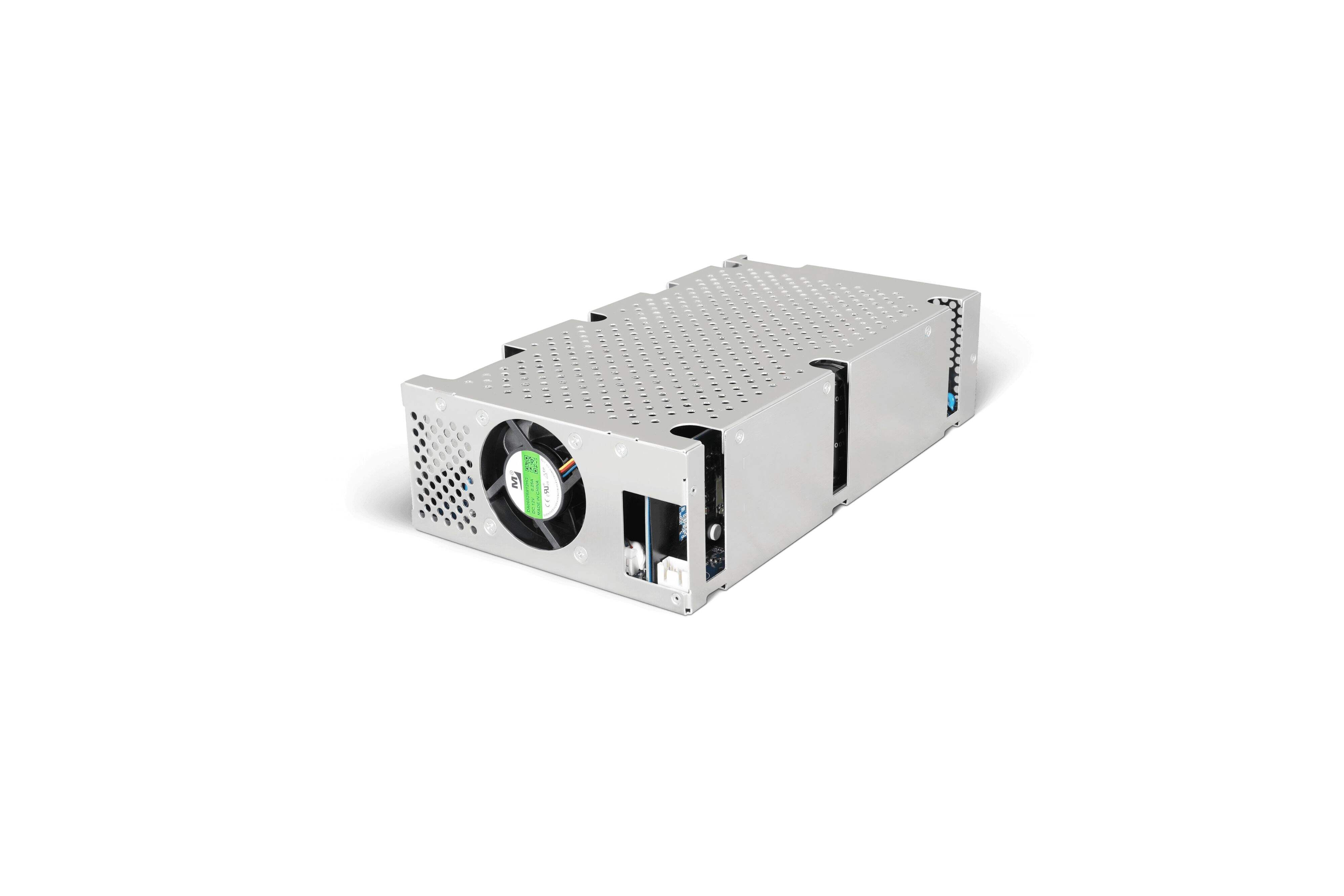
An AC DC hybrid microgrid represents a cutting-edge electrical power system that integrates both alternating current and direct current components within a localized network. This innovative energy infrastructure combines renewable energy sources, energy storage systems, and conventional power generation to create a flexible and resilient electrical grid. The ac dc hybrid microgrid operates by seamlessly managing power flow between AC and DC subsystems through advanced power electronic converters and intelligent control systems. The main functions of an ac dc hybrid microgrid include power generation from diverse sources such as solar photovoltaic panels, wind turbines, and backup generators. Energy storage capabilities allow the system to store excess power during peak production periods and release it during high demand or low generation times. Load management ensures efficient distribution of electricity to connected devices and facilities. The technological features encompass sophisticated power converters that enable smooth transitions between AC and DC power formats. Smart grid controllers monitor system performance in real-time, optimizing energy flow and maintaining grid stability. Communication networks facilitate data exchange between different system components, enabling coordinated operation. Applications span across residential communities, commercial facilities, industrial complexes, and remote locations. The ac dc hybrid microgrid proves particularly valuable for areas with unreliable utility connections, environmentally sensitive regions requiring clean energy solutions, and facilities demanding high power reliability. Military bases, hospitals, data centers, and island communities frequently deploy these systems. Educational institutions and research facilities utilize ac dc hybrid microgrids for both operational needs and academic purposes. The system's modular design allows for scalable implementation, accommodating varying power requirements from small residential installations to large industrial applications.

New Product Releases

The ac dc hybrid microgrid delivers exceptional energy efficiency by minimizing power conversion losses that typically occur in traditional electrical systems. Unlike conventional grids that require multiple conversion steps between AC and DC formats, this hybrid approach reduces unnecessary transformations, resulting in higher overall system efficiency and lower operational costs for users. The integrated design allows direct connection of DC sources like solar panels and batteries without requiring additional inverters, saving both money and space. Cost savings represent another significant advantage of the ac dc hybrid microgrid implementation. Users experience reduced electricity bills through optimized energy management and the ability to generate power locally from renewable sources. The system eliminates dependency on expensive utility grid electricity during peak pricing periods by utilizing stored energy or local generation. Maintenance costs decrease due to fewer mechanical components and simplified system architecture. Government incentives and rebates for renewable energy installations further enhance the financial benefits. Enhanced power reliability stands as a crucial advantage that distinguishes the ac dc hybrid microgrid from traditional power systems. The system continues operating during utility grid outages by seamlessly switching to local generation and storage resources. Multiple power sources provide redundancy, ensuring continuous electricity supply even when individual components require maintenance or experience failures. This reliability proves essential for critical facilities like hospitals, emergency services, and data centers where power interruptions can cause significant problems. Environmental benefits make the ac dc hybrid microgrid an attractive solution for environmentally conscious organizations and communities. The system reduces carbon emissions by maximizing renewable energy utilization and minimizing reliance on fossil fuel-based grid electricity. Clean energy integration helps users meet sustainability goals and comply with environmental regulations. Reduced transmission losses from local power generation contribute to overall environmental improvement. Scalability and flexibility allow the ac dc hybrid microgrid to adapt to changing energy needs and technological advances. Users can easily expand system capacity by adding more renewable sources, storage units, or load connections. The modular design accommodates future upgrades without requiring complete system replacement, protecting initial investments while enabling growth.

Tips And Tricks

A Power Station That Doesn’t Generate Electricity — Yet Moves 120 Million kWh a Year

18

Dec

A Power Station That Doesn’t Generate Electricity — Yet Moves 120 Million kWh a Year

View More
BOCO Electronics Brings Hengyang Intelligent Manufacturing Base Online, Expanding Annual Production Beyond One Million Units

18

Dec

BOCO Electronics Brings Hengyang Intelligent Manufacturing Base Online, Expanding Annual Production Beyond One Million Units

View More
BOCO Electronics Demonstrates System-Level Power Conversion Innovation at SNEC 2025

18

Dec

BOCO Electronics Demonstrates System-Level Power Conversion Innovation at SNEC 2025

View More

Get a Free Quote

Our representative will contact you soon.
Email
Name
Company Name
Message
0/1000

ac dc hybrid microgrid

Advanced Power Management and Control Systems

Advanced Power Management and Control Systems

The ac dc hybrid microgrid incorporates sophisticated power management and control systems that represent the technological heart of the entire operation. These intelligent control systems utilize advanced algorithms and machine learning capabilities to continuously monitor, analyze, and optimize power flow throughout the network. The centralized energy management system processes real-time data from multiple sources including renewable generators, storage systems, load demands, and grid conditions to make instantaneous decisions about power routing and distribution. This intelligent coordination ensures maximum efficiency while maintaining system stability and reliability. The control system features predictive analytics that forecast energy production from renewable sources based on weather patterns, historical data, and seasonal variations. This forecasting capability enables proactive energy management, allowing the ac dc hybrid microgrid to prepare for anticipated changes in generation or demand. Load forecasting algorithms predict electricity consumption patterns, enabling optimized scheduling of energy storage charging and discharging cycles. The system automatically adjusts power flow priorities during different operating conditions, ensuring critical loads receive uninterrupted power supply while managing non-essential loads based on available generation capacity. Communication protocols within the ac dc hybrid microgrid enable seamless data exchange between distributed components, creating a cohesive network that responds collectively to changing conditions. Advanced cybersecurity measures protect the control system from potential threats, ensuring safe and secure operation. The user interface provides comprehensive monitoring capabilities, allowing operators to track system performance, energy production, consumption patterns, and maintenance requirements through intuitive dashboards and mobile applications. Remote monitoring capabilities enable expert support and troubleshooting, reducing downtime and maintenance costs. The control system's adaptive learning capabilities continuously improve performance by analyzing operational data and adjusting parameters to optimize efficiency and reliability over time.

Seamless Energy Storage Integration and Management

Seamless Energy Storage Integration and Management

Energy storage integration within the ac dc hybrid microgrid provides unparalleled flexibility and reliability for power management applications across diverse operational scenarios. The system incorporates multiple storage technologies including lithium-ion batteries, flow batteries, and emerging storage solutions to create a comprehensive energy buffer that smooths out variations in renewable energy generation and load demands. Advanced battery management systems monitor individual cell performance, temperature, voltage, and current to ensure optimal operation and extend storage system lifespan. The ac dc hybrid microgrid's storage management algorithms automatically determine the most efficient charging and discharging strategies based on electricity pricing, generation forecasts, and load predictions. During periods of excess renewable generation, the system stores surplus energy for later use, preventing waste and maximizing the value of clean energy production. When renewable sources cannot meet demand or during grid outages, stored energy provides immediate backup power without interruption to connected loads. The storage system enables peak shaving capabilities that reduce electricity costs by avoiding high-demand charges from utility providers. Users can program the system to discharge stored energy during expensive peak pricing periods and recharge during lower-cost off-peak hours. This intelligent energy arbitrage creates substantial cost savings over time while reducing stress on the utility grid during peak demand periods. Multiple storage technologies working together provide enhanced reliability and performance characteristics that single-technology systems cannot match. Fast-responding lithium batteries handle rapid power fluctuations and provide grid stabilization services, while longer-duration storage systems manage extended backup power requirements. The modular storage design allows for easy capacity expansion as energy needs grow or as more cost-effective storage technologies become available. Thermal management systems maintain optimal operating temperatures for all storage components, ensuring maximum efficiency and longevity while preventing safety issues related to overheating or thermal runaway conditions.
Multi-Source Renewable Energy Integration Capabilities

Multi-Source Renewable Energy Integration Capabilities

The ac dc hybrid microgrid excels at integrating diverse renewable energy sources into a cohesive and efficient power generation system that maximizes clean energy utilization while maintaining grid stability and reliability. Solar photovoltaic arrays connect directly to the DC bus, eliminating conversion losses and simplifying system architecture while providing abundant daytime power generation. Wind turbines contribute additional renewable capacity with generation profiles that often complement solar production, creating a more balanced and consistent renewable energy supply throughout different weather conditions and seasonal variations. The system's advanced power electronics and control algorithms manage the inherent variability of renewable sources by implementing sophisticated maximum power point tracking for solar arrays and optimal wind turbine operation algorithms. These technologies ensure that renewable sources operate at peak efficiency across varying environmental conditions, maximizing energy harvest and return on investment. The ac dc hybrid microgrid handles rapid changes in renewable generation through fast-responding power converters and energy storage systems that smooth out fluctuations and maintain stable power quality for connected loads. Micro-hydroelectric systems, biomass generators, and other renewable technologies can be seamlessly integrated into the ac dc hybrid microgrid framework, providing additional diversity and resilience to the overall energy portfolio. The system's modular design accommodates different renewable source combinations based on local resource availability, economic factors, and environmental conditions. Geographic diversity within the microgrid footprint further enhances renewable energy reliability by reducing the impact of localized weather events on overall generation capacity. Advanced forecasting systems predict renewable energy production based on weather data, enabling proactive energy management and optimal scheduling of backup systems when renewable output may be insufficient. The integration capabilities extend beyond simple power generation to include vehicle-to-grid connections for electric vehicles, allowing mobile storage resources to contribute to grid stability and emergency backup power. This comprehensive approach to renewable integration positions the ac dc hybrid microgrid as a future-ready solution that can adapt to evolving clean energy technologies and changing regulatory requirements while delivering reliable, sustainable, and cost-effective power to users.

Get a Free Quote

Our representative will contact you soon.
Email
Name
Company Name
Message
0/1000