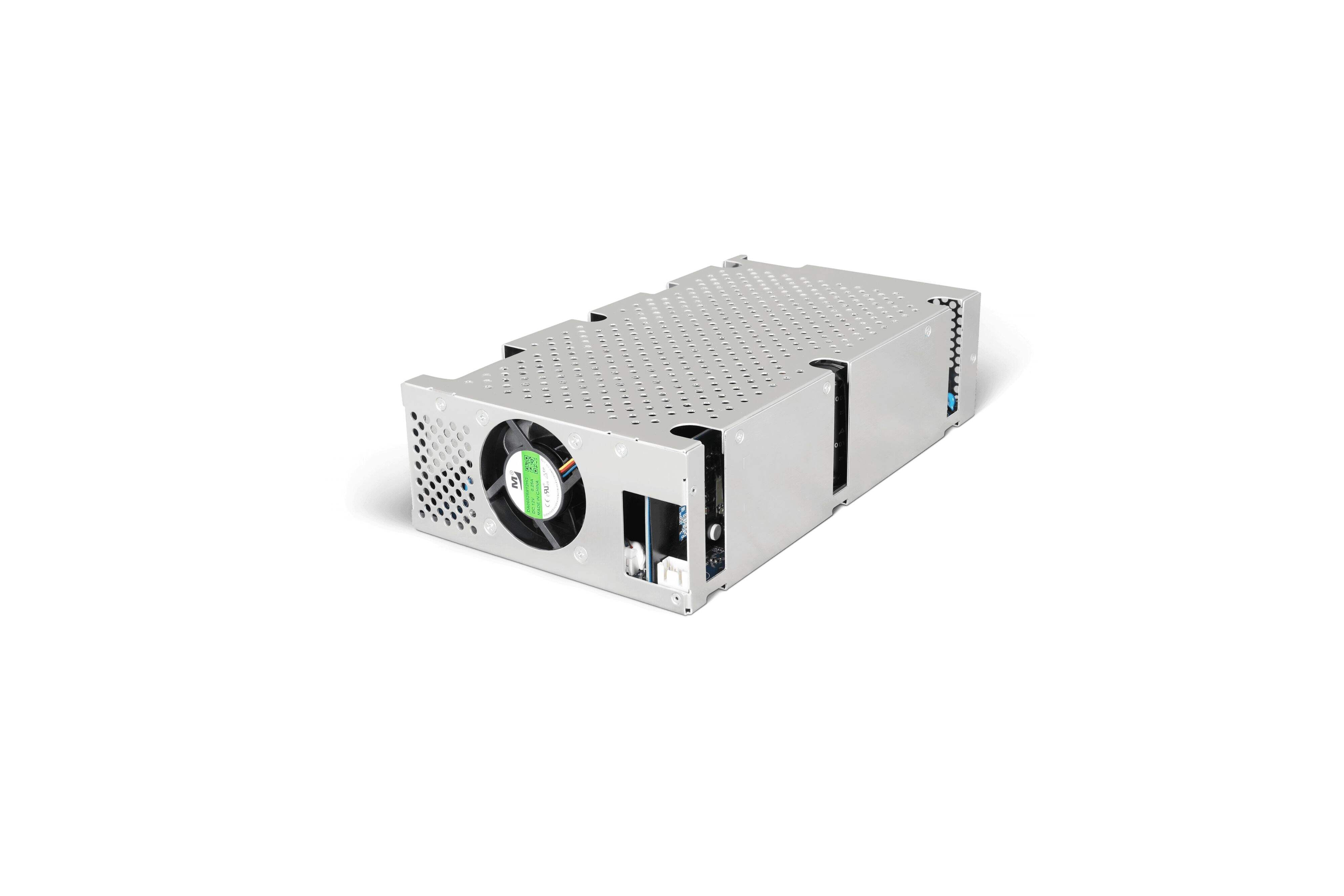
Intelligent Energy Management Capabilities
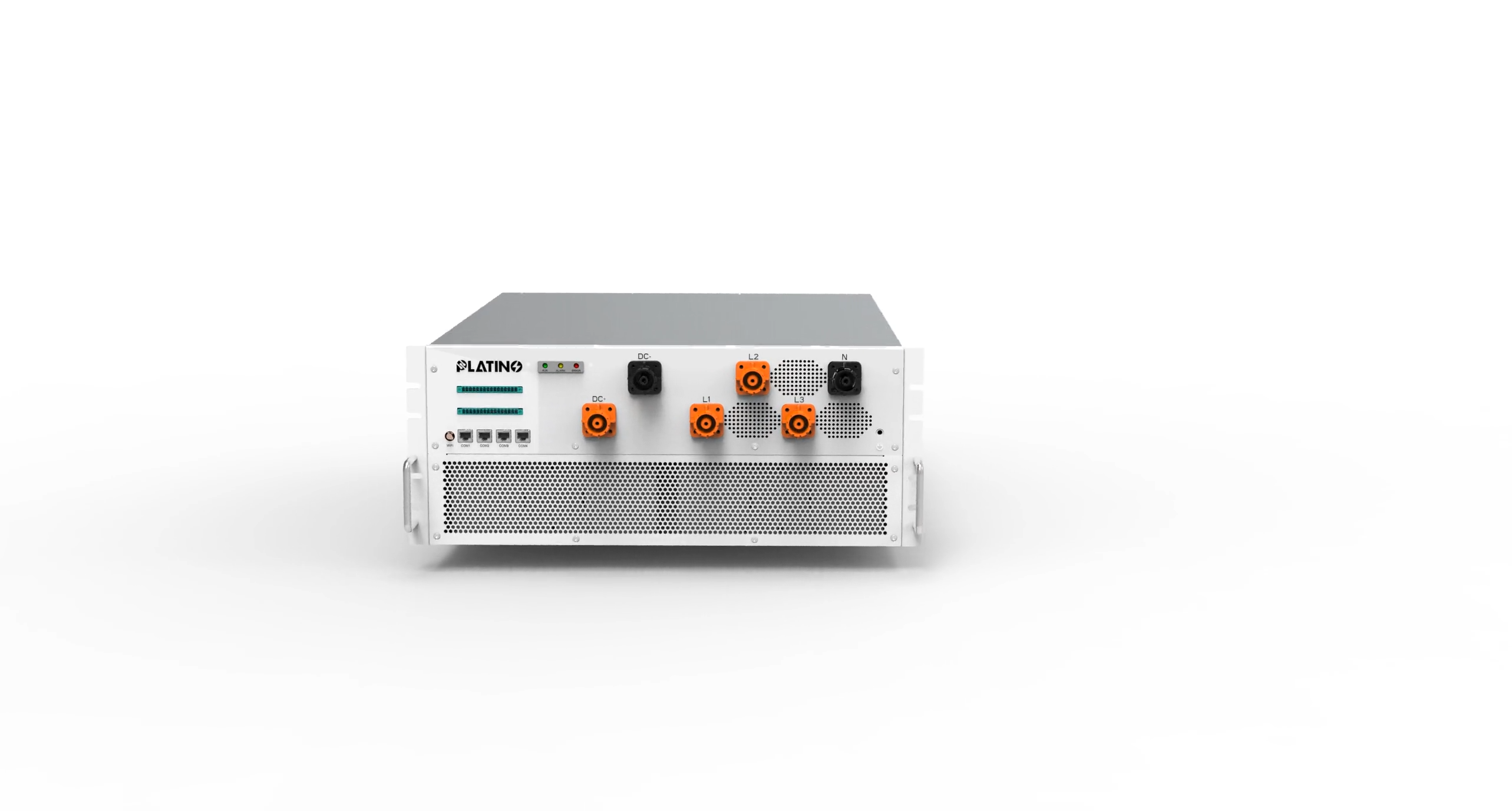
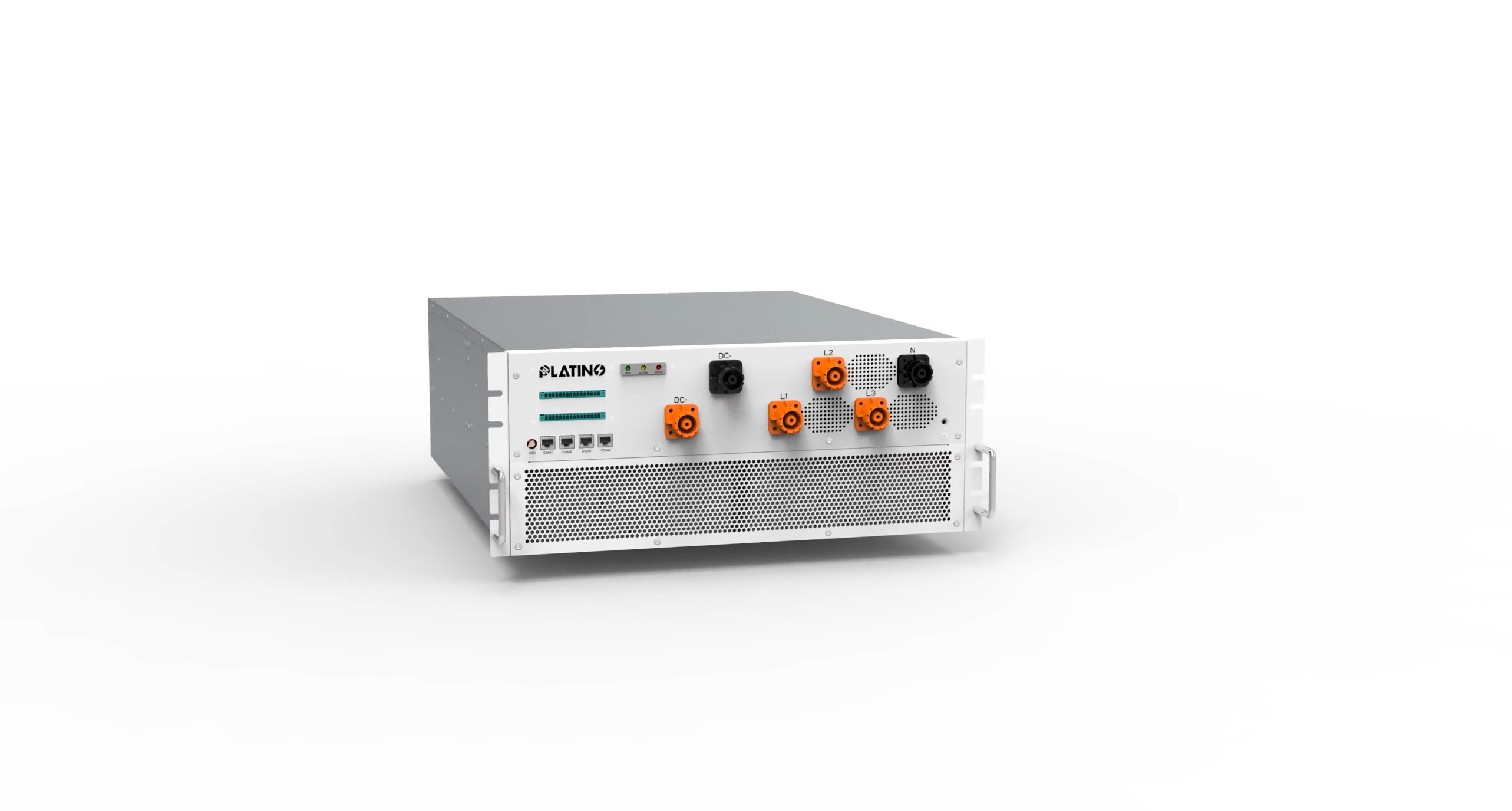
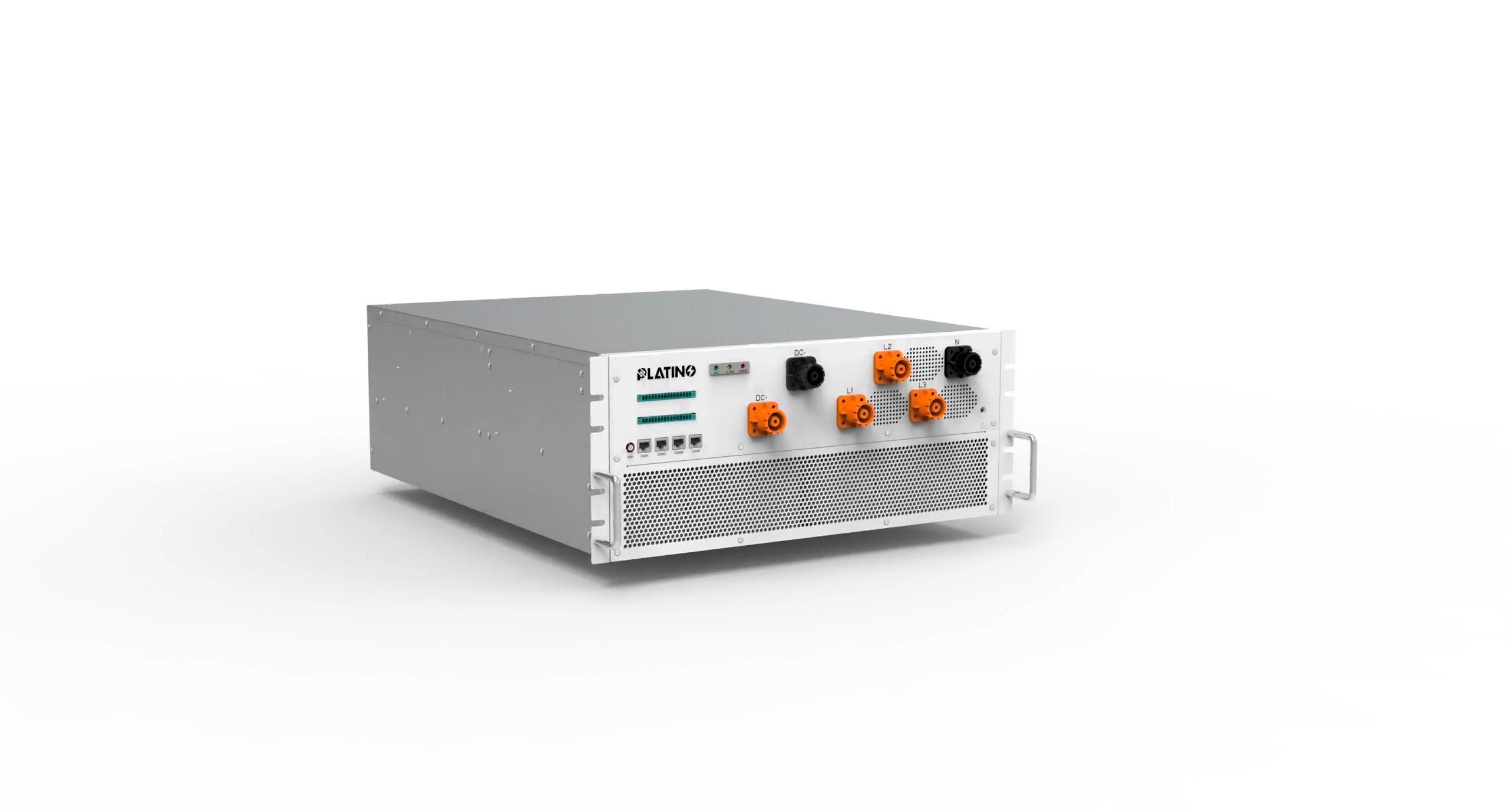
The bidirectional ac-dc pcs features sophisticated energy management capabilities that optimize power flows and maximize economic benefits for system operators. These intelligent systems continuously analyze energy consumption patterns, utility rate structures, and grid conditions to automatically implement optimal charging and discharging strategies. The advanced energy management algorithms can predict energy demand based on historical data and weather forecasts, enabling proactive energy scheduling that minimizes costs and maximizes efficiency. The bidirectional ac-dc pcs supports multiple operating modes, including peak shaving, load shifting, backup power, and grid services, allowing users to adapt system operation to their specific requirements and market conditions. The intelligent control system can simultaneously manage multiple energy sources and loads, coordinating the operation of solar panels, battery storage, and grid connections to optimize overall system performance. Real-time monitoring capabilities provide detailed insights into energy flows, system efficiency, and economic performance, enabling data-driven decision making for energy management strategies. The bidirectional ac-dc pcs includes advanced forecasting algorithms that predict renewable energy generation and load requirements, enabling optimal energy storage and distribution planning. These predictive capabilities help maximize the utilization of renewable energy sources while ensuring reliable power supply during peak demand periods. The system can participate in utility demand response programs automatically, responding to grid signals and price incentives to provide grid services and generate additional revenue. Load prioritization features allow critical loads to receive priority during power outages or grid disturbances, ensuring essential operations continue uninterrupted. The bidirectional ac-dc pcs supports time-of-use optimization strategies that automatically charge energy storage systems during low-cost periods and discharge during high-cost periods, maximizing economic benefits. Integration with weather monitoring systems enables the system to anticipate renewable energy availability and adjust energy management strategies accordingly. The intelligent energy management capabilities extend to supporting electric vehicle charging infrastructure, optimizing charging schedules to minimize grid impact while ensuring vehicles are ready when needed. Advanced analytics and reporting functions provide comprehensive performance data and economic analysis, helping users understand system benefits and optimize future operations.

 EN
EN