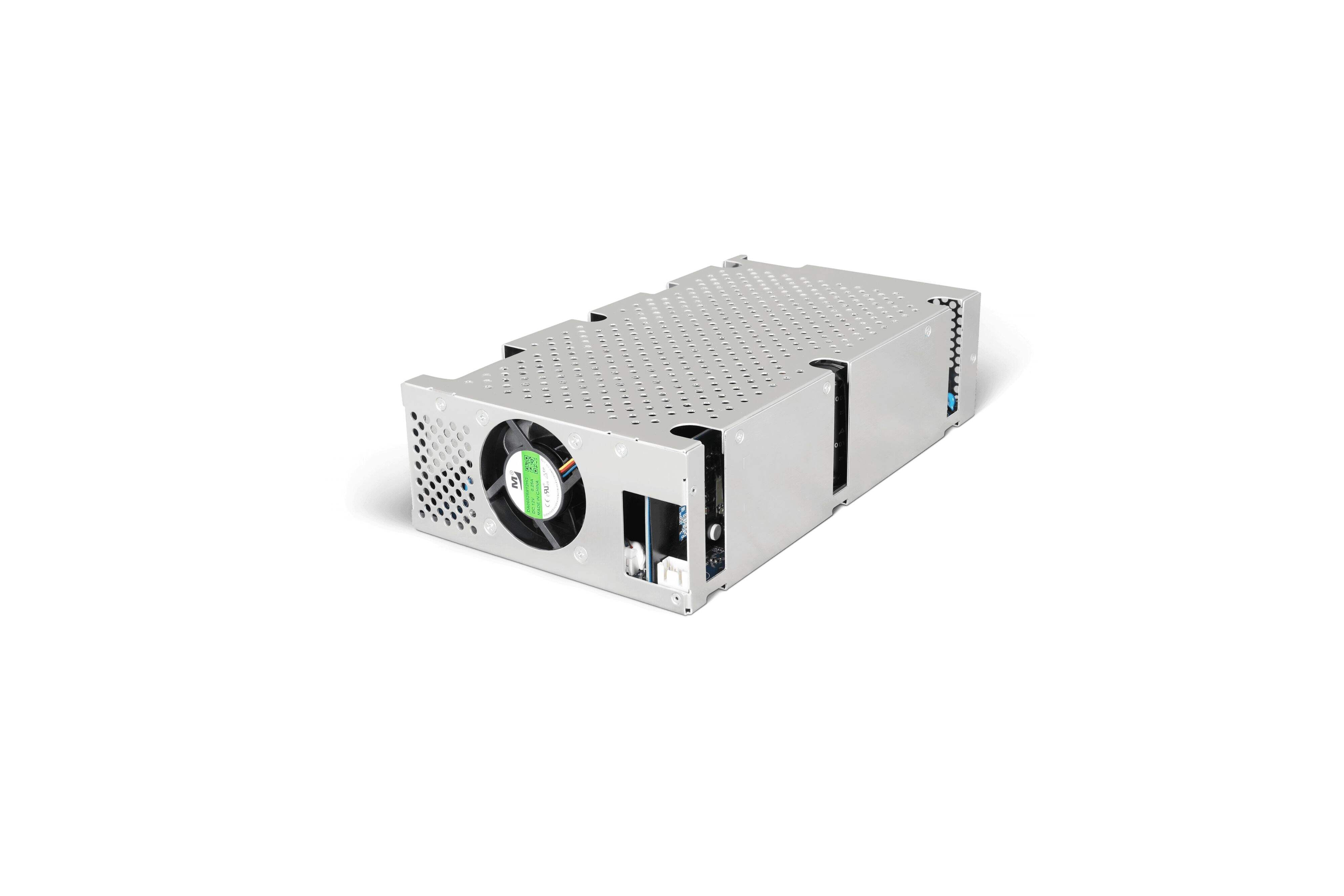
Modular PCS Stack Solutions: Advanced Process Control Systems for Industrial Automation

All Categories

Get a Free Quote

Our representative will contact you soon.
Email
Name
Company Name
Message
0/1000

modular pcs stack

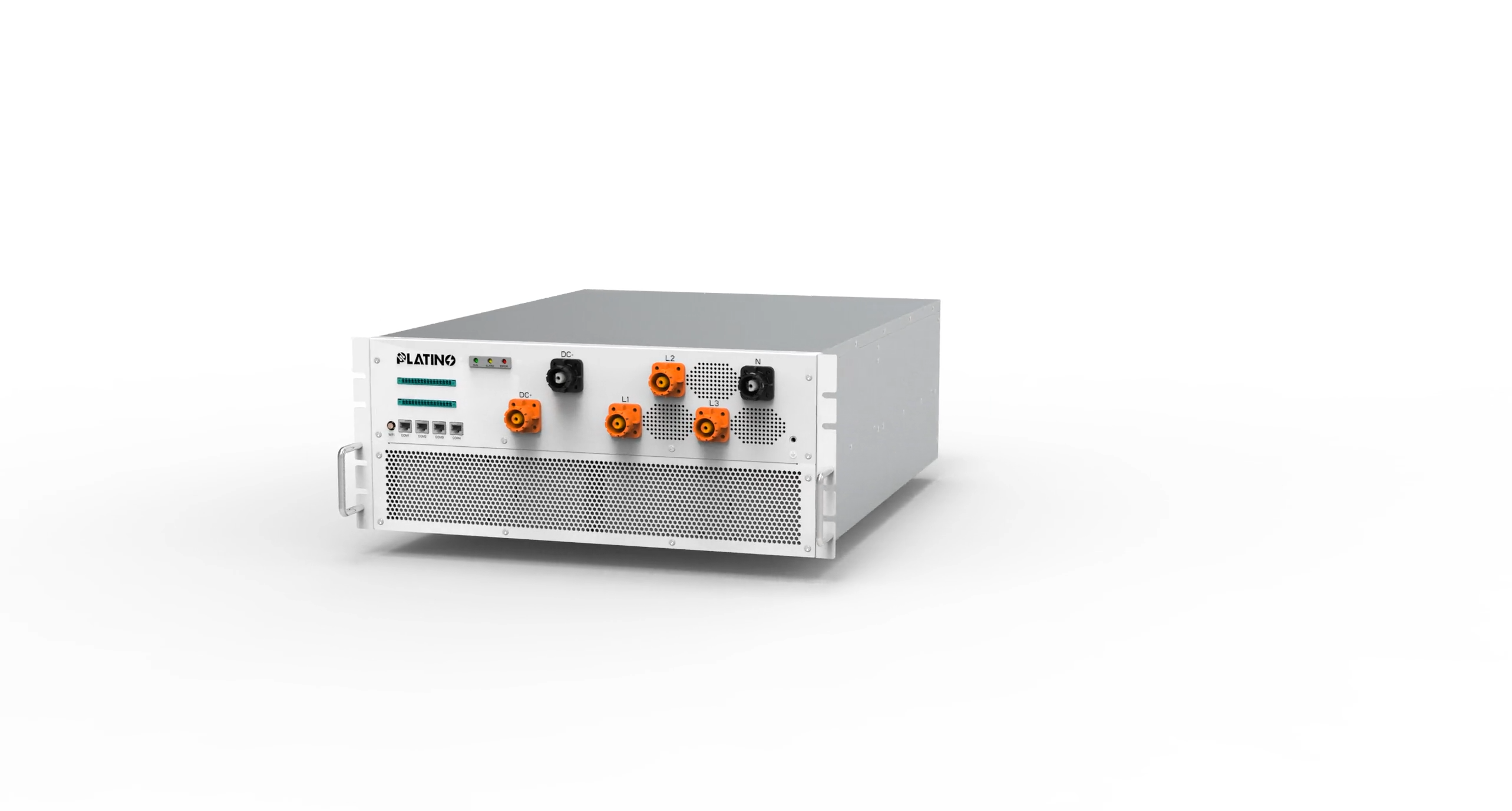
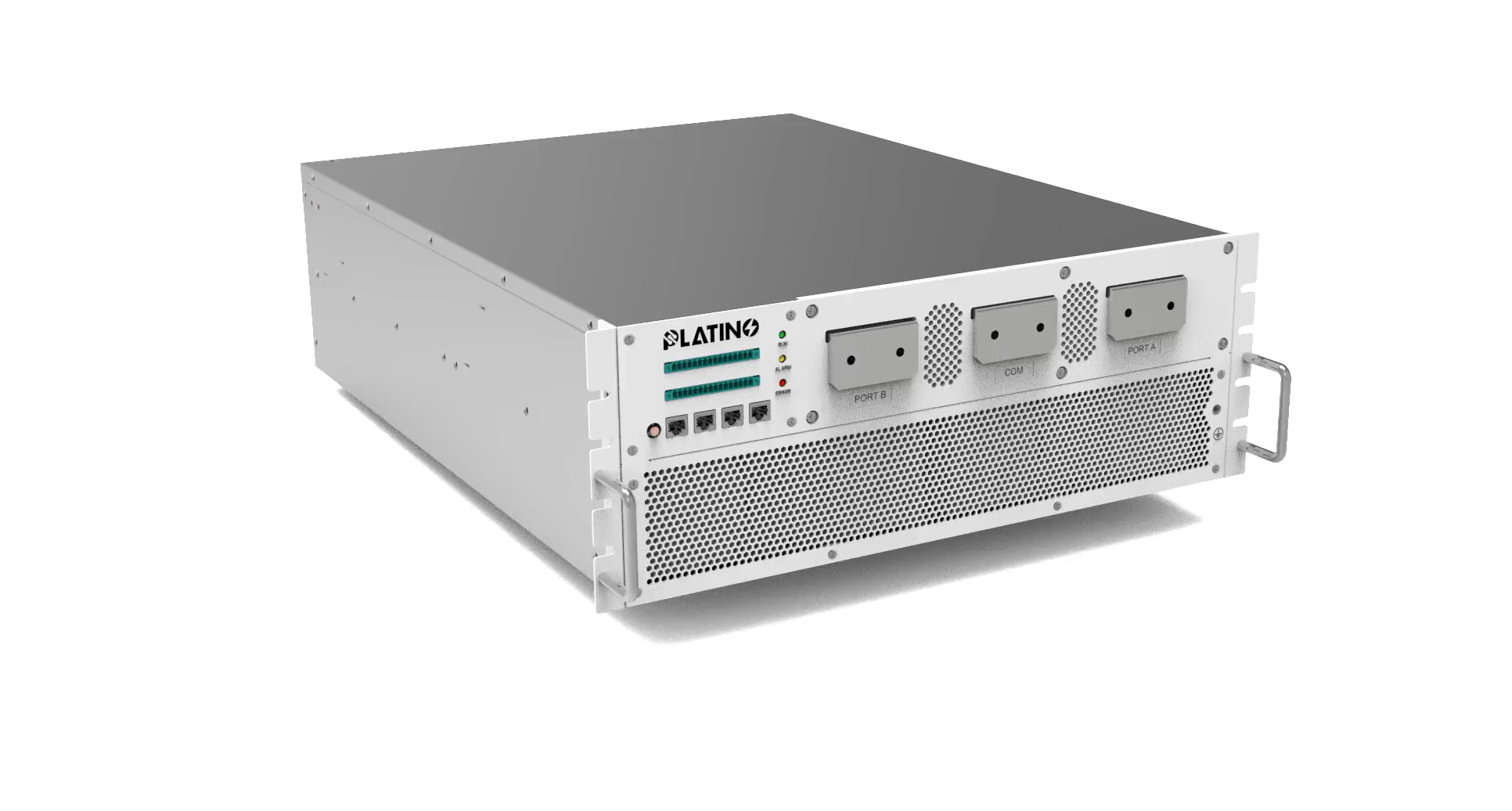
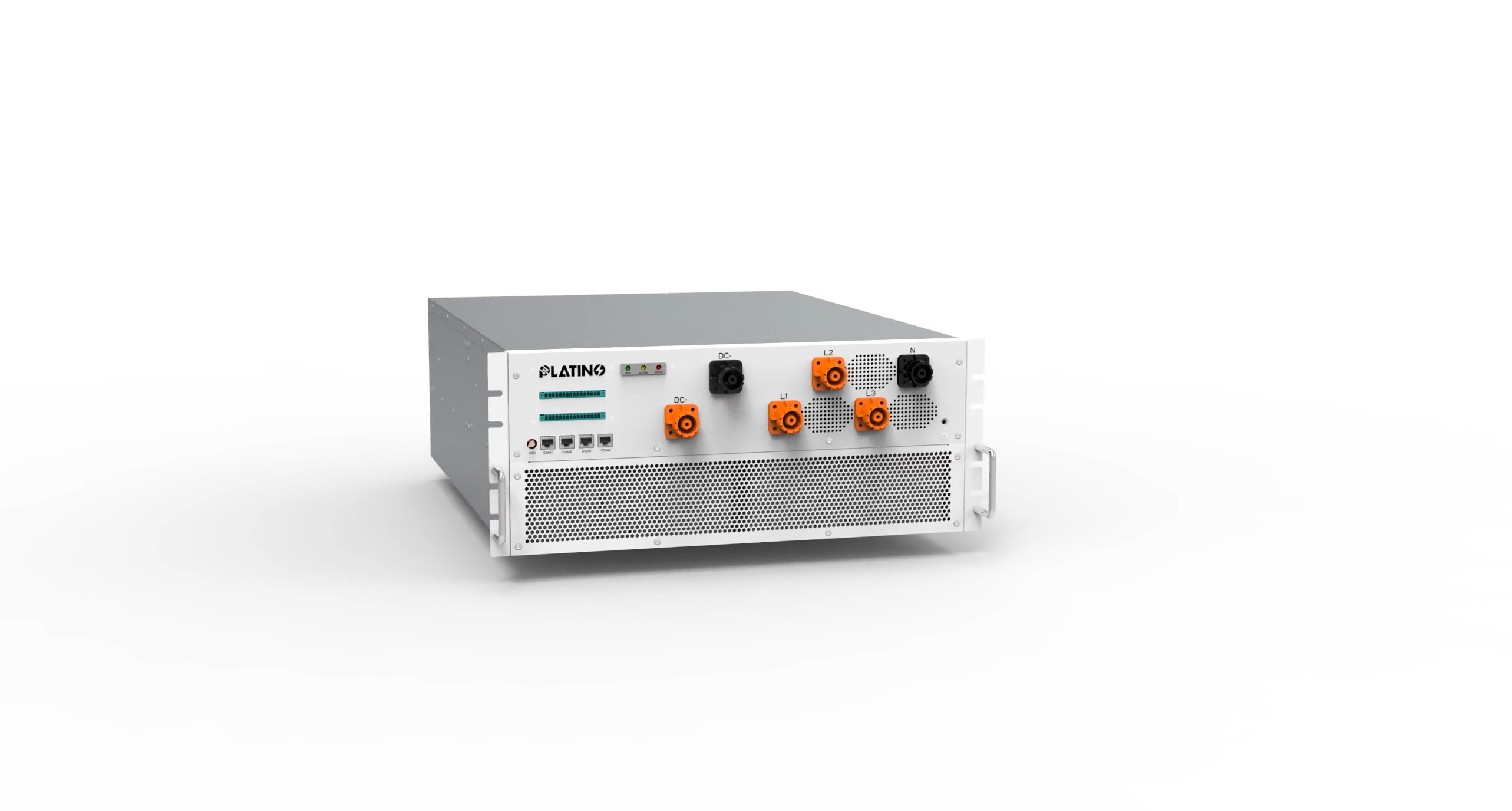
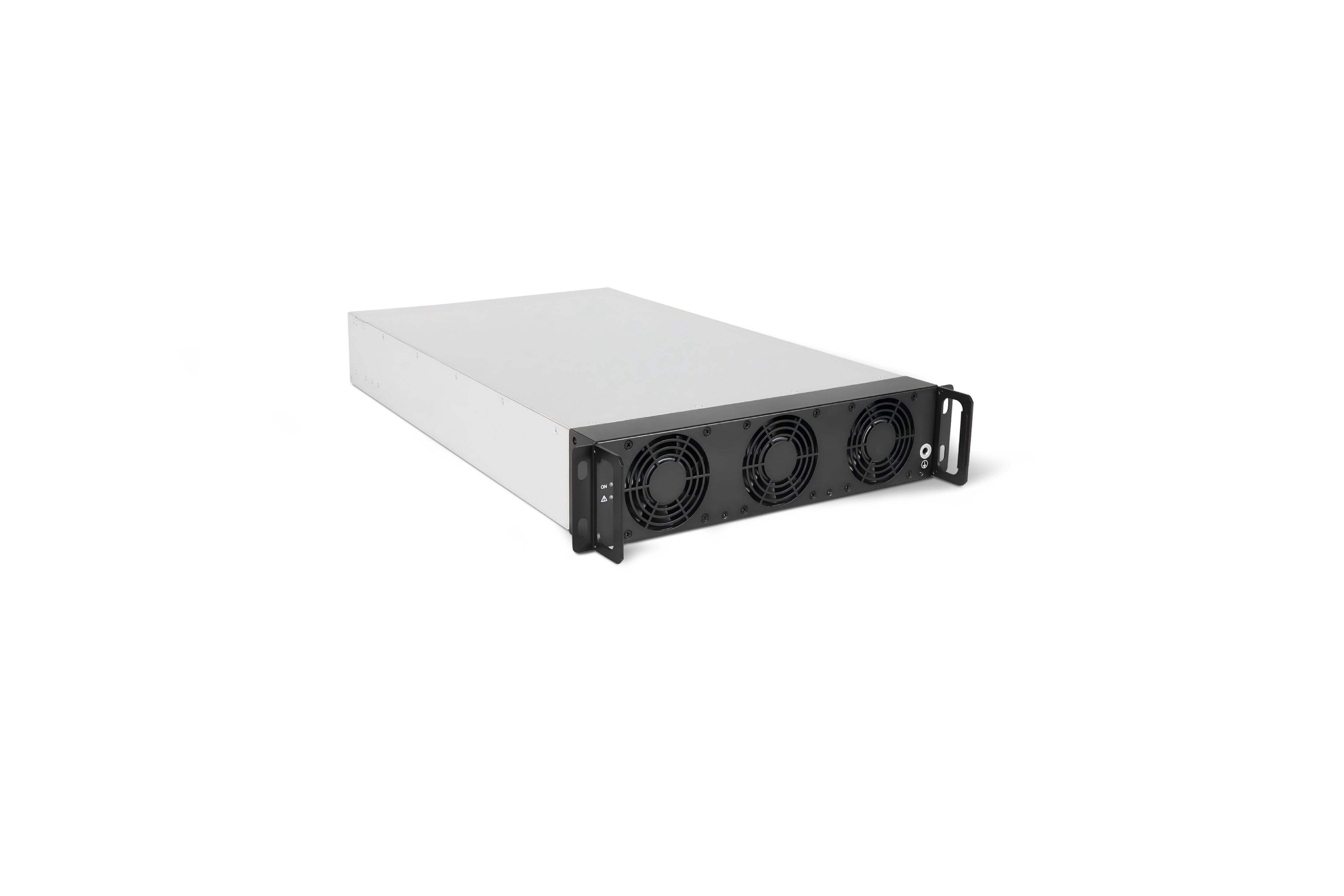
The modular pcs stack represents a revolutionary approach to process control systems that fundamentally transforms how industrial automation is implemented and managed. This innovative technology framework consists of interconnected, standardized modules that can be combined, reconfigured, and scaled according to specific operational requirements. Unlike traditional monolithic control systems, the modular pcs stack architecture enables unprecedented flexibility in designing and deploying automation solutions across diverse industrial environments. Each module within the modular pcs stack serves distinct functions while maintaining seamless integration capabilities with other system components. The core technological foundation relies on standardized communication protocols, plug-and-play connectivity, and distributed processing architecture. This modular pcs stack design philosophy ensures that individual components can be independently upgraded, replaced, or expanded without disrupting entire system operations. The technological features of modular pcs stack include real-time data processing, advanced diagnostics, remote monitoring capabilities, and intelligent fault detection mechanisms. These systems incorporate cutting-edge hardware components such as programmable logic controllers, human-machine interfaces, input/output modules, and communication gateways. The modular pcs stack framework supports various industrial communication standards including Ethernet/IP, Profinet, Modbus, and OPC-UA, ensuring compatibility with existing infrastructure. Applications for modular pcs stack span multiple industries including manufacturing, oil and gas, chemical processing, water treatment, pharmaceutical production, and food processing. In manufacturing environments, the modular pcs stack optimizes production line efficiency, quality control, and inventory management. Chemical and petrochemical facilities leverage modular pcs stack technology for precise process monitoring, safety interlocks, and regulatory compliance. The versatility of modular pcs stack makes it suitable for both greenfield installations and brownfield upgrades, providing scalable solutions that grow with business needs.


Popular Products

The modular pcs stack delivers significant operational advantages that directly impact business performance and operational efficiency. Cost-effectiveness represents one of the most compelling benefits, as the modular pcs stack eliminates the need for complete system overhauls when requirements change. Organizations can invest incrementally, adding modules as needed rather than purchasing oversized systems upfront. This approach reduces initial capital expenditure while providing a clear upgrade path for future expansion. The modular pcs stack architecture dramatically simplifies maintenance procedures and reduces downtime. When individual modules require service or replacement, technicians can work on specific components without shutting down entire production lines. This targeted maintenance approach minimizes production losses and extends overall system lifespan. The standardized design of modular pcs stack components means that spare parts are readily available and interchangeable across different installations. Installation speed represents another major advantage of modular pcs stack systems. Pre-configured modules arrive ready for deployment, significantly reducing commissioning time compared to traditional custom-built solutions. The plug-and-play nature of modular pcs stack components allows for rapid system expansion and reconfiguration without extensive engineering work. This quick deployment capability helps organizations respond faster to market demands and operational changes. Scalability benefits make modular pcs stack ideal for growing businesses. Companies can start with basic functionality and gradually add advanced features as their operations expand. This scalable approach ensures that control systems remain aligned with business growth without requiring complete system replacements. The modular pcs stack design accommodates everything from small pilot projects to large-scale industrial installations. Enhanced reliability emerges from the distributed architecture of modular pcs stack systems. Fault isolation capabilities prevent single-point failures from compromising entire operations. If one module experiences issues, other components continue functioning normally, maintaining production continuity. This robust design philosophy significantly improves overall system availability and reduces unplanned downtime costs. Remote monitoring and diagnostic capabilities built into modular pcs stack systems enable proactive maintenance strategies. Operators can identify potential issues before they cause failures, scheduling maintenance during planned downtime periods. This predictive approach optimizes maintenance costs while maximizing equipment availability and performance.

Latest News

A Power Station That Doesn’t Generate Electricity — Yet Moves 120 Million kWh a Year

18

Dec

A Power Station That Doesn’t Generate Electricity — Yet Moves 120 Million kWh a Year

View More
BOCO Electronics Brings Hengyang Intelligent Manufacturing Base Online, Expanding Annual Production Beyond One Million Units

18

Dec

BOCO Electronics Brings Hengyang Intelligent Manufacturing Base Online, Expanding Annual Production Beyond One Million Units

View More
BOCO Electronics Demonstrates System-Level Power Conversion Innovation at SNEC 2025

18

Dec

BOCO Electronics Demonstrates System-Level Power Conversion Innovation at SNEC 2025

View More

Get a Free Quote

Our representative will contact you soon.
Email
Name
Company Name
Message
0/1000

modular pcs stack

Unprecedented Flexibility and Customization Capabilities

Unprecedented Flexibility and Customization Capabilities

The modular pcs stack revolutionizes industrial automation by offering unparalleled flexibility that adapts to unique operational requirements across diverse industries. This flexibility stems from the inherent modularity that allows engineers and operators to create custom configurations tailored to specific process needs without compromising system integrity or performance. Each modular pcs stack component functions as an independent unit while maintaining seamless integration capabilities with other modules, creating infinite possibilities for system design and optimization. The customization capabilities of modular pcs stack extend beyond simple component selection to include sophisticated programming options that accommodate complex process logic and control algorithms. Users can implement specialized control strategies, integrate advanced analytics, and deploy machine learning algorithms within the modular pcs stack framework. This level of customization ensures that automation solutions align perfectly with operational objectives rather than forcing processes to conform to rigid system limitations. The modular pcs stack architecture supports dynamic reconfiguration, enabling operators to modify system behavior in real-time without interrupting production processes. This capability proves invaluable in industries where product specifications change frequently or seasonal variations require different operational parameters. Manufacturing facilities can reconfigure their modular pcs stack systems to accommodate new product lines, adjust quality control parameters, or optimize energy consumption based on changing conditions. The flexibility of modular pcs stack also extends to integration with existing infrastructure and legacy systems. Rather than requiring complete system replacements, the modular pcs stack can interface with older equipment through specialized gateway modules, preserving existing investments while adding modern capabilities. This integration approach reduces implementation risks and costs while providing a migration path toward fully modernized automation systems. Furthermore, the modular pcs stack design philosophy supports future technology adoption without system obsolescence. As new technologies emerge, additional modules can be developed and integrated into existing installations, ensuring long-term viability and protecting automation investments over extended operational lifecycles.
Superior Cost Efficiency Through Intelligent Resource Optimization

Superior Cost Efficiency Through Intelligent Resource Optimization

The modular pcs stack delivers exceptional cost efficiency through intelligent resource optimization that maximizes return on investment while minimizing operational expenses. This cost advantage begins with the initial system design phase, where the modular pcs stack allows organizations to implement exactly the functionality they need without paying for unnecessary features or oversized components. The pay-as-you-grow model inherent in modular pcs stack architecture enables businesses to scale their automation investments in alignment with revenue growth and operational expansion. Traditional automation systems often require substantial upfront investments in comprehensive platforms that may include capabilities not immediately needed. The modular pcs stack eliminates this inefficiency by allowing incremental investments that correspond directly to operational requirements and business objectives. This approach improves cash flow management and reduces financial risk associated with large capital expenditures on unproven automation strategies. Maintenance cost optimization represents another significant advantage of modular pcs stack systems. The modular design enables targeted maintenance activities that focus resources on specific components requiring attention rather than performing system-wide maintenance procedures. This precision maintenance approach reduces labor costs, minimizes spare parts inventory requirements, and extends component lifecycles through optimized maintenance scheduling. The standardized nature of modular pcs stack components also reduces training requirements for maintenance personnel, as skills developed on one module transfer directly to other system components. Energy efficiency improvements delivered by modular pcs stack technology contribute substantially to operational cost reductions. Advanced power management features within individual modules optimize energy consumption based on actual process requirements rather than maintaining constant maximum power draw. The distributed processing architecture of modular pcs stack systems eliminates energy waste associated with centralized processing units that consume full power regardless of actual computational demands. These energy savings compound over time, delivering substantial operational cost reductions that improve overall profitability and environmental sustainability. The modular pcs stack also reduces costs associated with system upgrades and technology refresh cycles. Individual modules can be upgraded independently as new technologies become available, eliminating the need for complete system replacements. This incremental upgrade capability protects automation investments while ensuring access to latest technological innovations and performance improvements.
Enhanced Reliability and Operational Continuity

Enhanced Reliability and Operational Continuity

The modular pcs stack establishes new standards for system reliability and operational continuity through innovative fault tolerance mechanisms and distributed architecture design. This enhanced reliability stems from the fundamental principle of fault isolation, where issues affecting individual modules cannot propagate throughout the entire system. When a component within the modular pcs stack experiences problems, the remaining modules continue operating normally, maintaining production processes and preventing cascade failures that could shut down entire facilities. The distributed processing architecture of modular pcs stack systems eliminates single points of failure that plague traditional centralized control systems. Critical control functions are distributed across multiple modules, ensuring that backup processing capability exists for essential operations. This redundancy design philosophy means that even if primary processing modules fail, secondary modules can assume control responsibilities without interrupting production processes or compromising safety systems. Advanced diagnostic capabilities integrated into each modular pcs stack component provide unprecedented visibility into system health and performance characteristics. Continuous monitoring functions track key performance indicators, identify degradation trends, and predict potential failures before they occur. This predictive maintenance capability enables proactive intervention strategies that prevent unplanned downtime while optimizing maintenance resource allocation. The diagnostic information generated by modular pcs stack systems also supports root cause analysis activities that improve long-term reliability through systematic problem resolution. Hot-swappable design features within modular pcs stack systems enable component replacement during normal operations without system shutdowns. This capability proves invaluable in continuous process industries where production interruptions result in significant financial losses or safety risks. Maintenance technicians can replace failed or degraded modules while production continues, minimizing downtime and maintaining operational continuity. The standardized interfaces and plug-and-play connectivity of modular pcs stack components ensure rapid replacement procedures that restore full functionality within minutes rather than hours or days required by traditional systems. Communication redundancy built into modular pcs stack architecture provides additional reliability through multiple communication pathways between system components. If primary communication channels experience disruptions, alternate pathways automatically maintain connectivity and data exchange between modules. This communication resilience ensures that control signals, status information, and diagnostic data continue flowing throughout the system even during network disturbances or infrastructure problems. The overall reliability improvements delivered by modular pcs stack technology translate directly into increased production uptime, reduced maintenance costs, and improved safety performance across industrial operations.

Get a Free Quote

Our representative will contact you soon.
Email
Name
Company Name
Message
0/1000