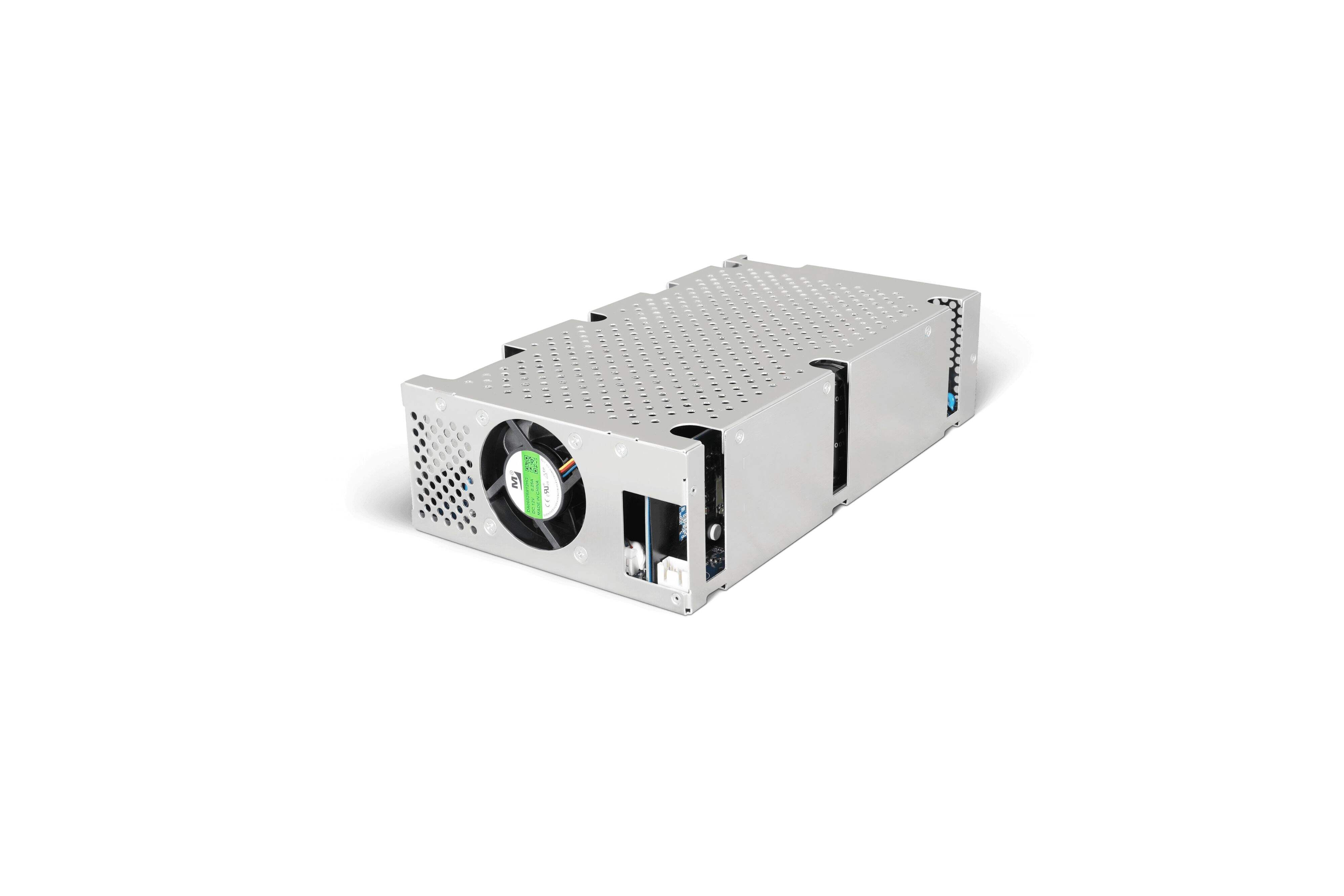
Intelligent Energy Management and Optimization System
The hybrid ac dc microgrid features an intelligent energy management and optimization system that serves as the brain of the entire power distribution network, orchestrating complex interactions between multiple energy sources, storage systems, and loads to achieve maximum efficiency and reliability. This sophisticated system employs artificial intelligence algorithms and machine learning capabilities to analyze historical consumption patterns, predict future energy demands, and automatically adjust system operations to optimize performance and minimize costs. The energy management system continuously monitors real-time data from hundreds of sensors throughout the hybrid ac dc microgrid, tracking parameters such as voltage levels, current flows, frequency stability, temperature variations, and equipment health status. This comprehensive monitoring enables proactive maintenance scheduling, preventing equipment failures before they occur and extending system lifespan while reducing unexpected downtime. The optimization algorithms consider multiple variables simultaneously, including time-of-use electricity pricing, renewable energy production forecasts, battery state of charge, and critical load priorities to make intelligent decisions about power routing and energy storage operations. During periods of high renewable energy generation, the system automatically directs excess power to charge battery storage systems or export power to the grid when economically beneficial. The intelligent management system also implements demand response strategies, automatically adjusting non-critical loads during peak pricing periods to minimize electricity costs while maintaining essential services. Advanced predictive analytics capabilities enable the system to anticipate equipment maintenance needs, optimize replacement schedules, and recommend system upgrades to improve performance or capacity. The energy management platform provides comprehensive reporting and analytics tools, giving facility managers detailed insights into energy consumption patterns, cost savings opportunities, and system performance metrics. Integration capabilities extend to weather forecasting services, enabling the system to prepare for weather-related events that might impact renewable energy generation or increase heating and cooling demands. The platform supports multiple user interfaces, including web-based dashboards, mobile applications, and integration APIs that allow seamless connection with existing facility management systems and enterprise resource planning platforms.

 EN
EN