Off-Grid Stand-Alone PCs: Complete Guide to Portable Computing Solutions for Remote Operations

All Categories

Get a Free Quote

Our representative will contact you soon.
Email
Name
Company Name
Message
0/1000

off-grid stand-alone pcs

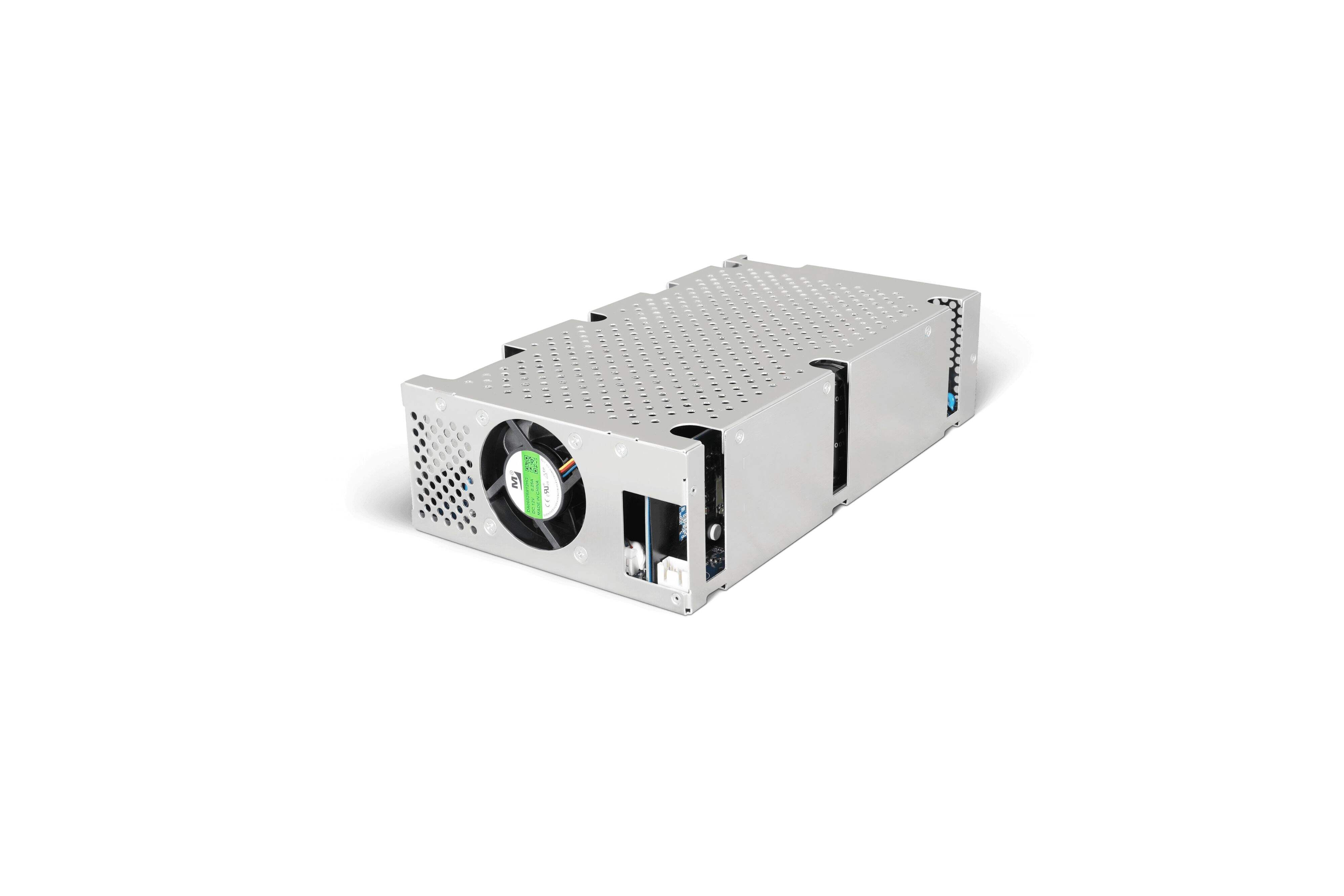
Off-grid stand-alone PCs represent a revolutionary computing solution designed to operate independently from traditional power infrastructure and network connections. These specialized computer systems integrate robust hardware components with advanced power management technologies to deliver reliable computing performance in remote locations where conventional electrical grids are unavailable or unreliable. The main functions of off-grid stand-alone PCs encompass standard computing operations including data processing, document creation, multimedia playback, software applications, and basic networking capabilities when paired with satellite or cellular communication systems. These systems excel in environments where traditional desktop computers would fail due to power constraints or harsh environmental conditions. The technological features of off-grid stand-alone PCs include ultra-low power consumption processors, typically utilizing ARM or specialized x86 architectures optimized for energy efficiency. Advanced battery management systems with lithium-ion or lithium iron phosphate cells provide extended operational periods, often ranging from 8 to 24 hours of continuous use. Solar panel integration capabilities allow for sustainable power generation and battery recharging during daylight hours. Rugged construction with IP-rated enclosures protects internal components from dust, moisture, and temperature extremes. Solid-state storage drives eliminate mechanical failures while reducing power consumption compared to traditional hard drives. The applications for off-grid stand-alone PCs span numerous industries and scenarios. Remote research stations utilize these systems for data collection and analysis in locations without power infrastructure. Emergency response teams deploy off-grid stand-alone PCs for disaster relief coordination and communication. Military operations benefit from portable computing solutions that maintain functionality in field conditions. Educational initiatives in developing regions leverage these systems to provide digital literacy training. Conservation projects employ off-grid stand-alone PCs for wildlife monitoring and environmental data gathering. Remote healthcare facilities use these computers for patient record management and telemedicine consultations. Agricultural operations integrate off-grid stand-alone PCs for precision farming and crop monitoring applications.

New Product Recommendations

Off-grid stand-alone PCs deliver exceptional value through their ability to provide reliable computing power without depending on external electrical infrastructure. Users gain complete freedom from power grid limitations, enabling productive work sessions in remote locations where traditional computers cannot function. The energy-efficient design ensures extended operational periods, allowing professionals to complete critical tasks without worrying about battery depletion during important projects or emergencies. Cost savings represent a significant advantage for organizations operating in remote areas, as off-grid stand-alone PCs eliminate the need for expensive generator fuel or complex power infrastructure installations. These systems reduce ongoing operational expenses while providing consistent computing capabilities that support business continuity in challenging environments. The environmental benefits of off-grid stand-alone PCs align with sustainable technology goals, as solar-powered operation reduces carbon footprints and eliminates reliance on fossil fuel generators. This eco-friendly approach appeals to environmentally conscious organizations and supports green computing initiatives across various industries. Portability advantages make off-grid stand-alone PCs ideal for mobile professionals who require computing power during travel or fieldwork. The compact, lightweight designs enable easy transportation while maintaining durability standards that protect equipment during movement and storage. Reliability improvements over traditional computing setups stem from reduced complexity and fewer failure points, as off-grid stand-alone PCs integrate power management directly into the system architecture. Users experience fewer technical issues related to power fluctuations or outages that commonly affect standard desktop computers. Operational flexibility allows off-grid stand-alone PCs to adapt to diverse working conditions, from extreme temperatures to high-humidity environments, ensuring consistent performance regardless of location challenges. The immediate deployment capability enables rapid setup for emergency response, research projects, or temporary work sites without requiring electrical infrastructure preparation. Productivity enhancements result from uninterrupted computing access, allowing users to maintain workflows and meet deadlines even in locations where grid power is unavailable or unreliable. Security advantages emerge from the standalone nature of these systems, as reduced network connectivity can limit exposure to cyber threats while maintaining essential computing functionality for critical applications.

Practical Tips

A Power Station That Doesn’t Generate Electricity — Yet Moves 120 Million kWh a Year

18

Dec

A Power Station That Doesn’t Generate Electricity — Yet Moves 120 Million kWh a Year

View More
BOCO Electronics Brings Hengyang Intelligent Manufacturing Base Online, Expanding Annual Production Beyond One Million Units

18

Dec

BOCO Electronics Brings Hengyang Intelligent Manufacturing Base Online, Expanding Annual Production Beyond One Million Units

View More
BOCO Electronics Demonstrates System-Level Power Conversion Innovation at SNEC 2025

18

Dec

BOCO Electronics Demonstrates System-Level Power Conversion Innovation at SNEC 2025

View More

Get a Free Quote

Our representative will contact you soon.
Email
Name
Company Name
Message
0/1000

off-grid stand-alone pcs

Advanced Battery Technology and Solar Integration

Advanced Battery Technology and Solar Integration

The cornerstone feature of off-grid stand-alone PCs lies in their sophisticated battery technology and seamless solar panel integration, creating a self-sustaining power ecosystem that revolutionizes remote computing capabilities. These systems incorporate cutting-edge lithium iron phosphate batteries that provide superior energy density, extended cycle life, and enhanced safety compared to traditional battery technologies. The intelligent battery management system continuously monitors cell voltage, temperature, and charging status to optimize performance and prevent damage from overcharging or deep discharge cycles. Solar panel compatibility enables automatic battery recharging during daylight hours, creating a renewable energy cycle that supports continuous operation without external power sources. The integrated charge controllers regulate solar input to ensure optimal battery charging while protecting against voltage fluctuations and overload conditions. Users benefit from multiple charging options including direct solar input, DC vehicle power, and traditional AC adapters when grid power becomes available. The battery capacity typically ranges from 100 to 500 watt-hours, providing 8 to 24 hours of operational time depending on usage patterns and system configuration. Advanced power management algorithms dynamically adjust processor performance and display brightness to maximize battery life during critical work periods. The solar integration feature supports panels ranging from 50 to 200 watts, allowing users to select appropriate solar capacity based on their power requirements and available installation space. Temperature compensation ensures optimal charging performance across various environmental conditions, from desert heat to arctic cold. The modular design allows for battery capacity expansion through external battery banks, providing scalability for extended missions or high-power applications. Real-time power monitoring displays provide users with detailed information about battery status, solar input, and projected runtime, enabling informed decisions about power management and work scheduling. This comprehensive power solution eliminates range anxiety associated with battery-powered devices while providing the flexibility to operate indefinitely in sunny locations.
Rugged Construction and Environmental Resilience

Rugged Construction and Environmental Resilience

Off-grid stand-alone PCs feature exceptional rugged construction designed to withstand extreme environmental conditions that would disable conventional computer systems, making them indispensable tools for challenging field applications. The robust engineering incorporates military-grade materials and construction techniques that exceed standard consumer electronics durability requirements. Aluminum alloy chassis provide excellent heat dissipation while maintaining lightweight portability, and reinforced corners protect against impact damage during transportation and deployment. IP65 or IP67 ingress protection ratings ensure complete protection against dust infiltration and water damage, allowing safe operation in dusty construction sites, humid tropical environments, or areas with frequent precipitation. The sealed enclosure design prevents moisture, sand, and other contaminants from damaging sensitive internal components while maintaining proper ventilation for heat management. Temperature tolerance ranges typically span from -20°C to +60°C operating temperatures, enabling reliable function in arctic research stations, desert exploration, and industrial environments with extreme thermal conditions. Shock and vibration resistance meet or exceed MIL-STD-810 military standards, ensuring continued operation despite rough handling, vehicle transportation, or installation in high-vibration environments such as marine vessels or construction equipment. The fanless cooling design eliminates mechanical failure points while reducing power consumption and noise generation, contributing to the overall reliability and stealth operation capabilities. Corrosion-resistant coatings protect external surfaces from salt spray, industrial chemicals, and other corrosive substances commonly encountered in marine, mining, and chemical processing applications. The reinforced display assembly resists scratches and impacts while maintaining excellent visibility under direct sunlight conditions. Internal component protection includes conformal coating on circuit boards to prevent moisture damage and enhanced connector sealing to maintain reliable electrical connections. The modular design facilitates field repairs and component replacement without specialized tools or clean room environments. This exceptional durability reduces total cost of ownership by minimizing equipment replacement and repair requirements while ensuring mission-critical computing capabilities remain available when needed most.
Versatile Connectivity and Application Flexibility

Versatile Connectivity and Application Flexibility

The versatile connectivity options and application flexibility of off-grid stand-alone PCs enable seamless integration into diverse operational environments while supporting a wide range of professional and specialized software applications. These systems feature comprehensive connectivity suites including multiple USB ports for peripheral devices, HDMI and VGA outputs for external displays, Ethernet ports for wired networking, and built-in WiFi and Bluetooth capabilities for wireless communication. Cellular modem integration options provide internet connectivity in remote locations through 4G/LTE networks, enabling cloud synchronization, remote monitoring, and communication with centralized systems. GPS capabilities support location-based services and navigation applications crucial for field research, emergency response, and logistics operations. The flexible I/O configuration accommodates various sensors, measurement devices, and specialized equipment through serial ports, analog inputs, and digital I/O connections. Software compatibility spans multiple operating systems including Windows, Linux distributions optimized for embedded applications, and specialized field software packages. The systems support standard office productivity suites, enabling document creation, spreadsheet analysis, and presentation development in remote locations. Geographic Information System (GIS) software runs efficiently for mapping and spatial analysis applications in surveying, environmental monitoring, and urban planning projects. Scientific data collection software interfaces with external instruments and sensors for research applications, while specialized industrial software supports equipment monitoring and process control in remote facilities. Database capabilities enable local data storage and management with synchronization options when connectivity becomes available. The expandable storage options support large datasets and multimedia content through SD card slots and external drive connections. Virtual machine support allows running multiple operating systems simultaneously for specialized applications or security isolation. Remote desktop capabilities enable access to powerful centralized computing resources when satellite or cellular connectivity permits. The systems accommodate custom software development for specialized applications, with programming environments and development tools available for creating tailored solutions. Educational software packages support learning applications in remote schools and training facilities, while specialized vertical applications serve industries such as agriculture, healthcare, and environmental monitoring. This comprehensive application support ensures off-grid stand-alone PCs can fulfill diverse mission requirements while maintaining the flexibility to adapt to evolving technological needs.


Get a Free Quote

Our representative will contact you soon.
Email
Name
Company Name
Message
0/1000