sofar solar battery
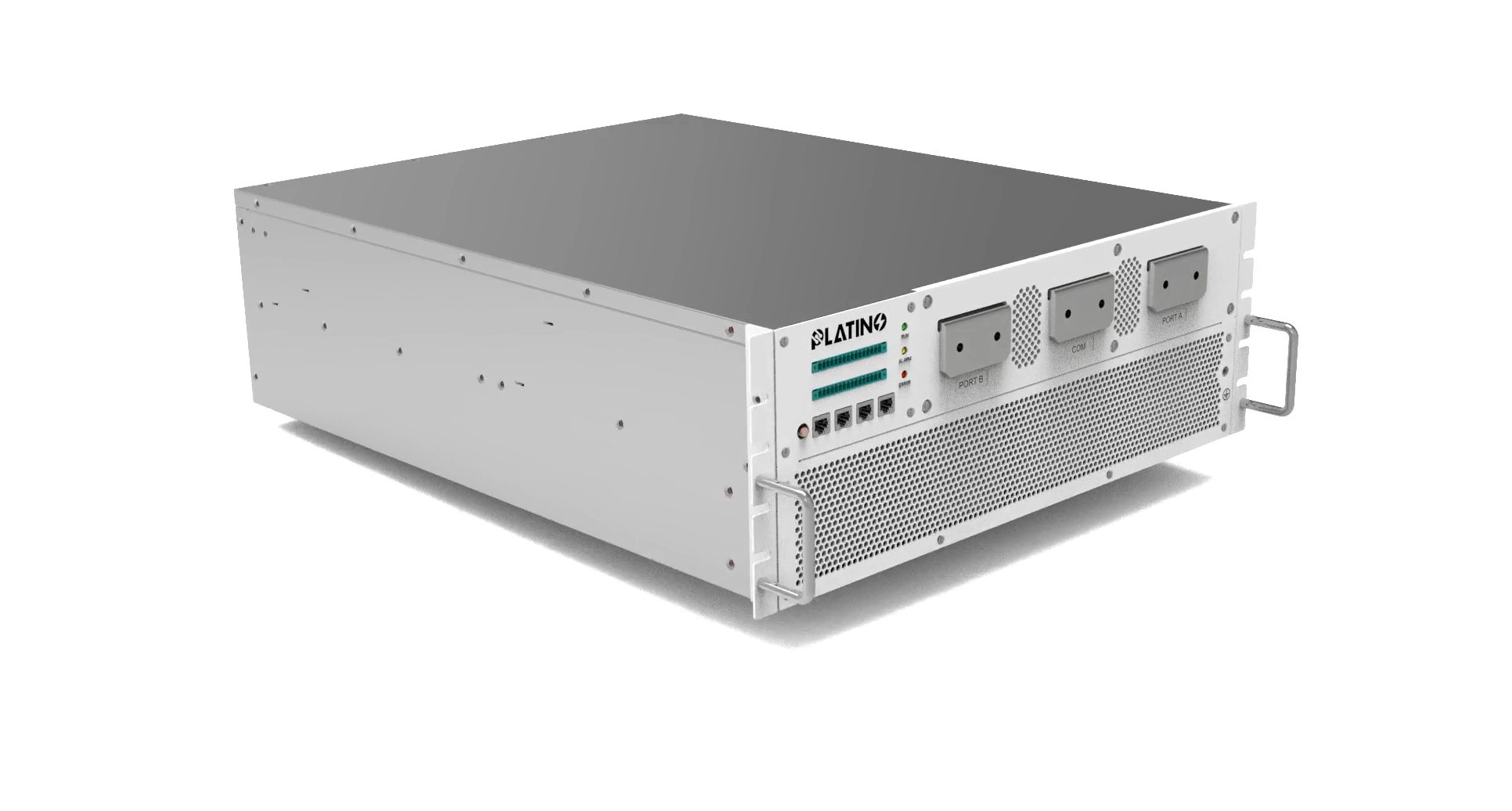
The sofar solar battery represents a cutting-edge energy storage solution designed to maximize the efficiency of solar power systems for residential and commercial applications. This advanced battery technology integrates seamlessly with solar installations, providing reliable energy storage that captures excess solar power during peak sunlight hours for use during nighttime or cloudy periods. The sofar solar battery utilizes lithium iron phosphate (LiFePO4) chemistry, which offers superior safety characteristics, extended cycle life, and consistent performance across various temperature conditions. The system operates through intelligent battery management technology that continuously monitors cell voltage, temperature, and charging cycles to ensure optimal performance and longevity. Key functions include peak shaving capabilities that reduce electricity costs by storing energy during low-rate periods and discharging during high-rate times, backup power provision during grid outages, and load shifting that optimizes energy consumption patterns. The sofar solar battery features modular design architecture, allowing users to expand storage capacity based on their specific energy requirements. Advanced communication protocols enable remote monitoring and system diagnostics through mobile applications and web-based platforms. The battery management system incorporates multiple safety layers including overcharge protection, thermal management, and short-circuit prevention mechanisms. Applications span residential homes seeking energy independence, commercial facilities requiring demand charge reduction, and off-grid installations needing reliable power storage. The sofar solar battery supports various inverter brands through flexible communication interfaces, making it compatible with existing solar installations. Installation flexibility allows for indoor or outdoor mounting options with weather-resistant enclosures. The system provides real-time energy flow visualization, helping users understand their consumption patterns and optimize energy usage. Maintenance requirements remain minimal due to the robust design and self-diagnostic capabilities that alert users to potential issues before they become critical problems.

 EN
EN