Revolutionary Renewable Energy Storage Systems - Advanced Battery Solutions for Energy Independence

All Categories

Get a Free Quote

Our representative will contact you soon.
Email
Name
Company Name
Message
0/1000

renewable energy storage systems

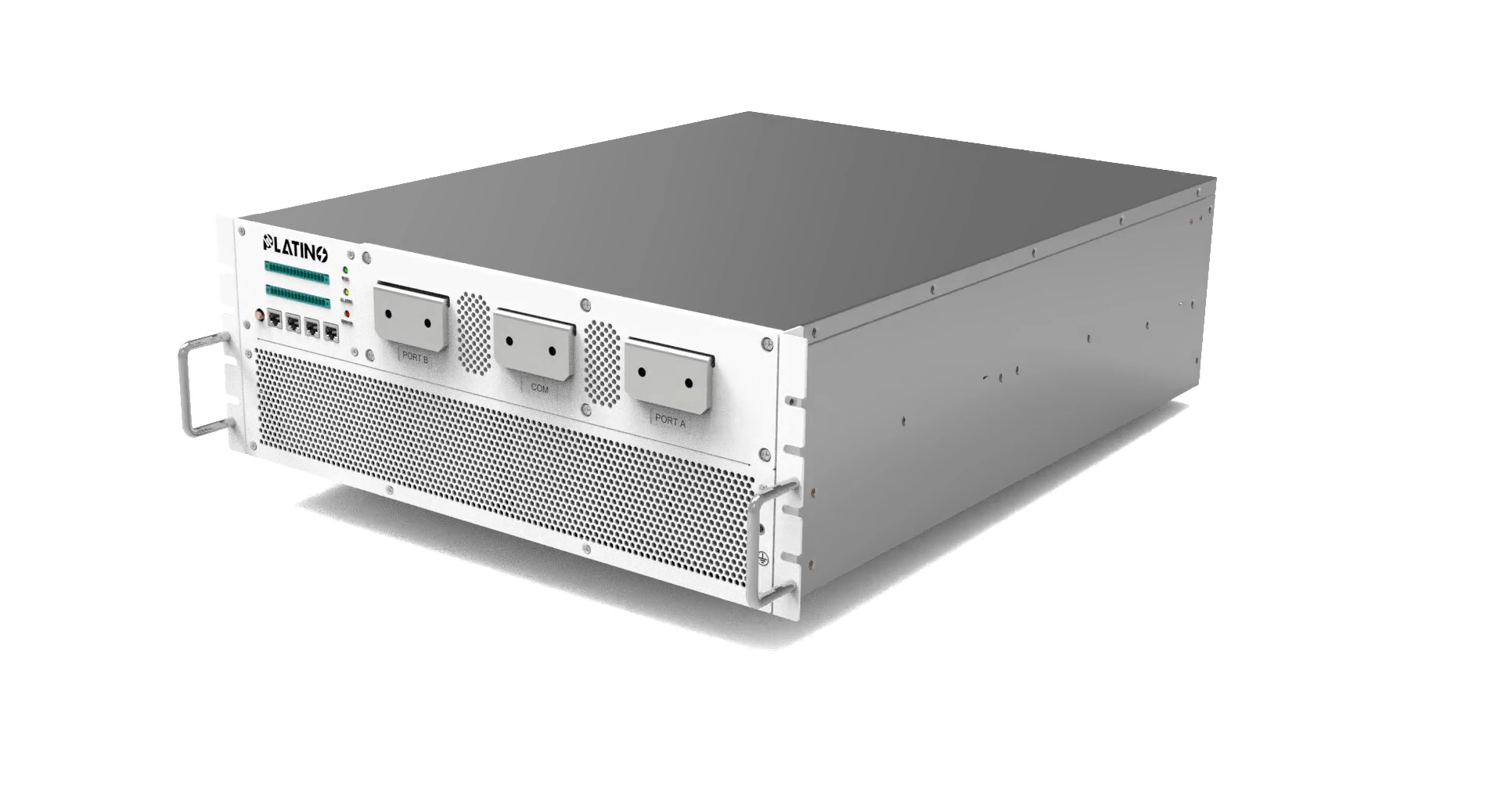
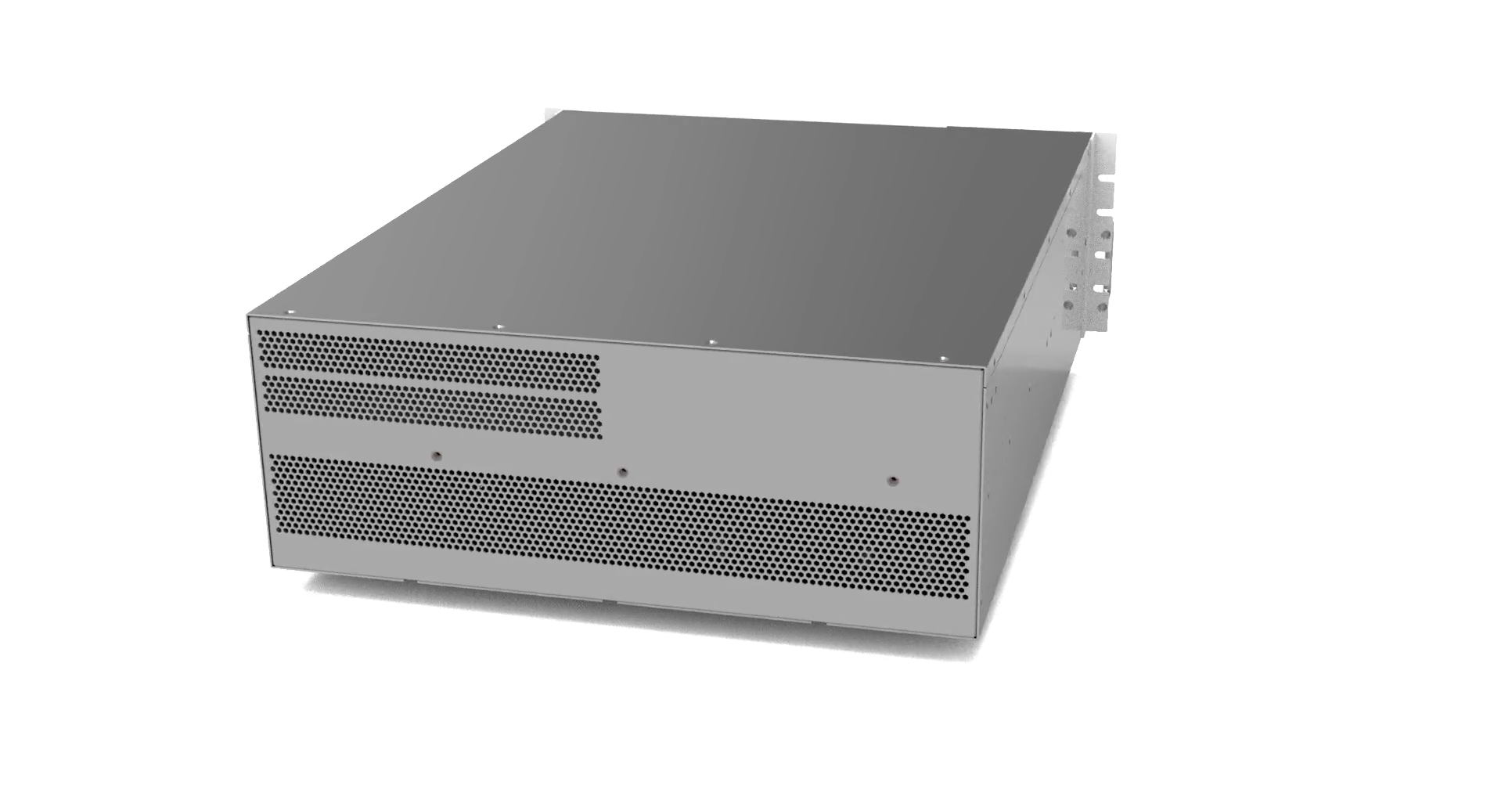
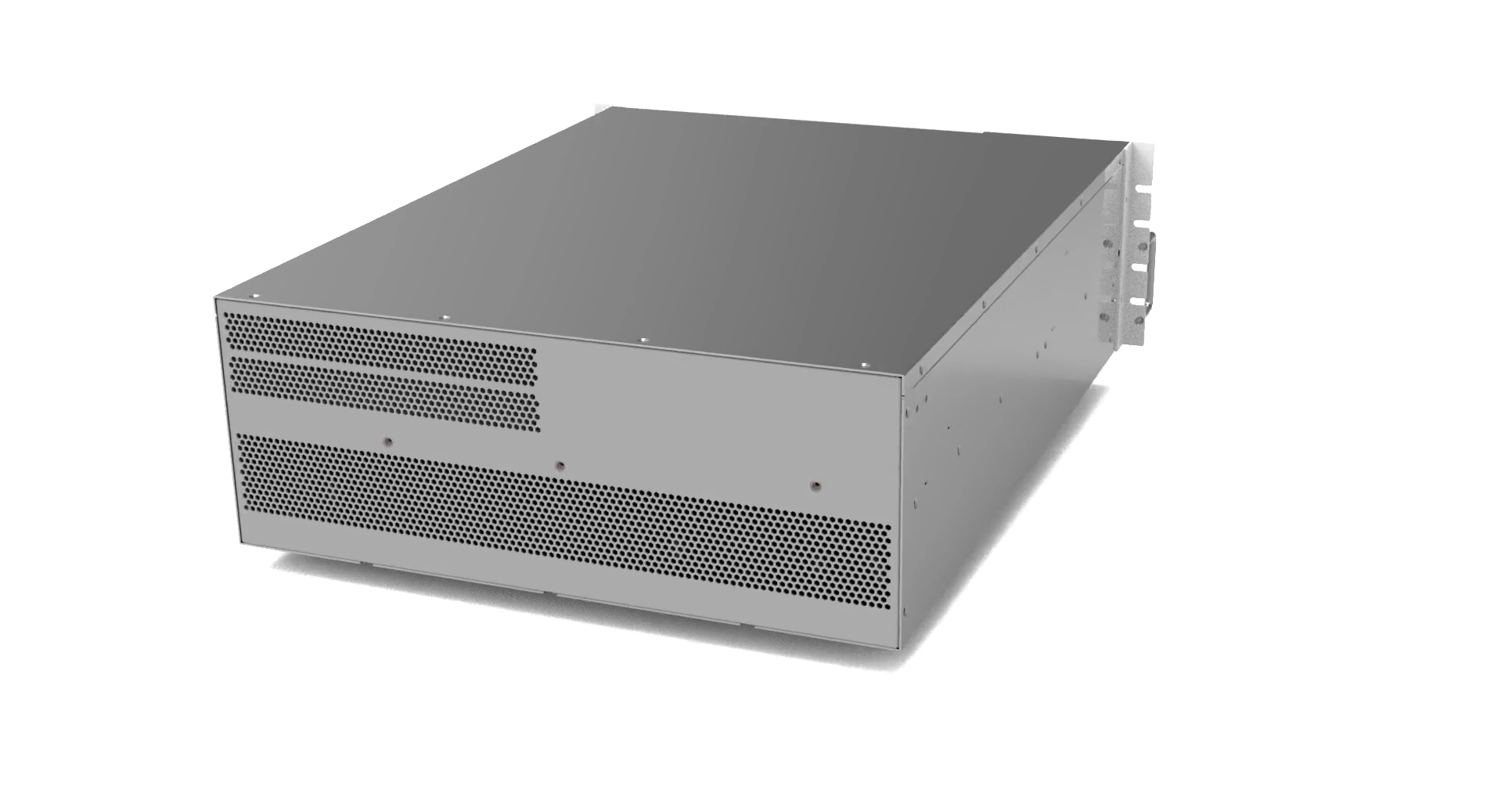
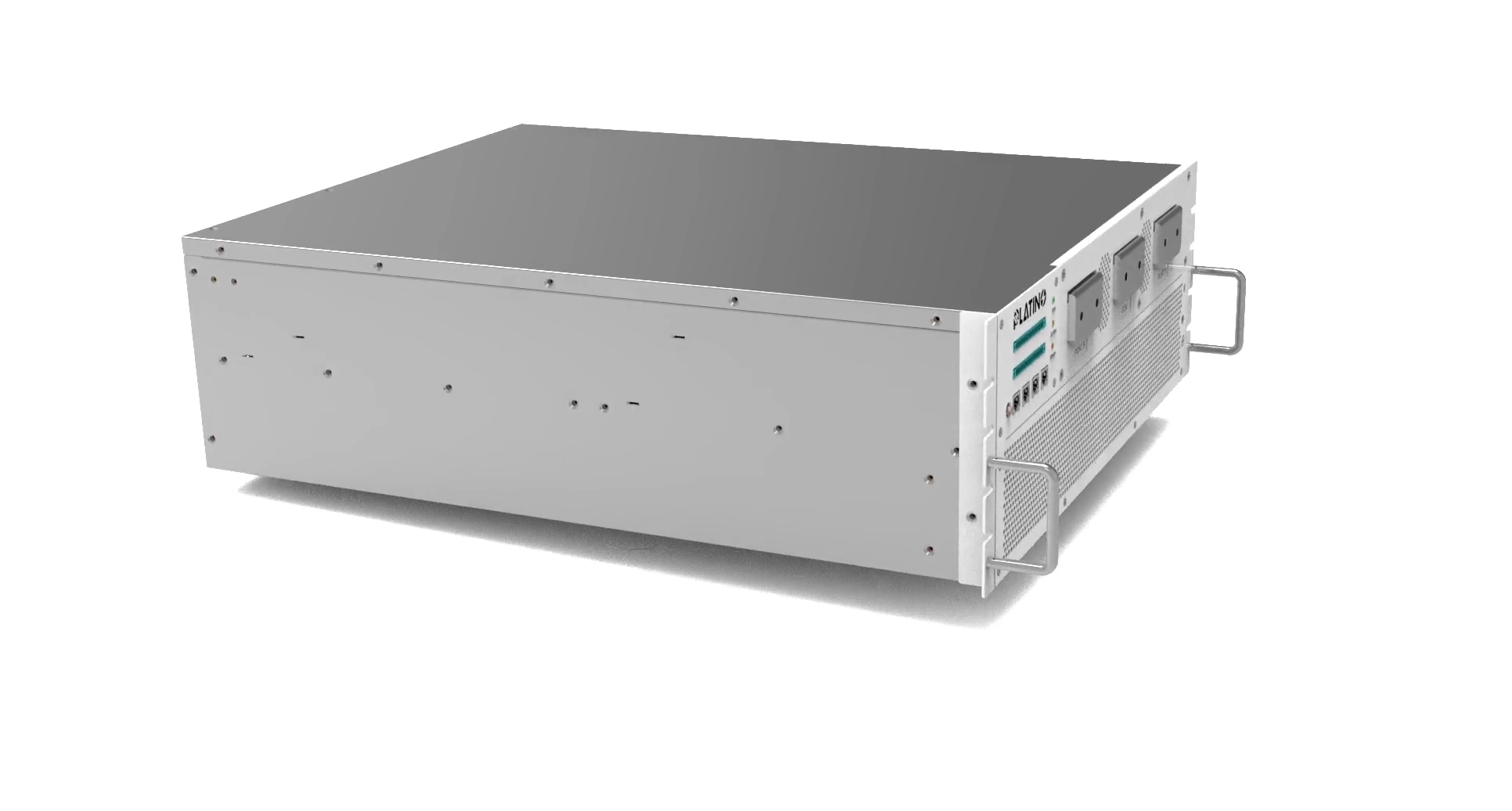
Renewable energy storage systems represent a revolutionary technology that captures and stores clean energy generated from renewable sources such as solar panels, wind turbines, and hydroelectric systems. These sophisticated systems serve as the critical bridge between intermittent renewable energy generation and consistent power supply demands, ensuring reliable electricity availability regardless of weather conditions or time of day. The main functions of renewable energy storage systems include energy capture during peak production periods, power distribution during high-demand phases, grid stabilization through frequency regulation, and backup power provision during outages. Modern renewable energy storage systems utilize advanced battery technologies, including lithium-ion, flow batteries, and emerging solid-state solutions that offer superior efficiency and longevity. The technological features encompass intelligent energy management software that optimizes charging and discharging cycles, modular design allowing scalable capacity expansion, integrated inverters for seamless AC/DC conversion, and smart monitoring capabilities that provide real-time performance analytics. These systems incorporate thermal management mechanisms to maintain optimal operating temperatures, protective circuits preventing overcharging and deep discharge, and communication protocols enabling remote monitoring and control. Applications span residential installations where homeowners achieve energy independence and reduced utility bills, commercial facilities seeking operational cost reduction and sustainability goals, industrial operations requiring uninterrupted power supply, and utility-scale projects supporting grid stability and renewable energy integration. Agricultural applications include powering irrigation systems and farm equipment with stored solar energy, while remote locations benefit from reliable off-grid power solutions. Emergency backup applications ensure critical systems remain operational during power outages, making renewable energy storage systems essential infrastructure for modern energy resilience and environmental sustainability.


New Product Releases

Renewable energy storage systems deliver substantial cost savings by reducing dependence on expensive grid electricity and eliminating peak-hour utility charges that significantly impact monthly energy bills. Property owners experience immediate financial benefits through lower electricity costs, with many systems paying for themselves within five to ten years through accumulated savings. These systems provide remarkable energy independence, allowing users to generate, store, and consume their own clean electricity without relying entirely on traditional utility providers. The environmental advantages include dramatically reduced carbon footprint as stored renewable energy replaces fossil fuel-generated electricity, contributing to cleaner air quality and supporting global climate change mitigation efforts. Reliability becomes a cornerstone benefit as renewable energy storage systems ensure continuous power supply during grid outages, protecting sensitive electronic equipment and maintaining essential services. Modern systems offer exceptional flexibility through modular designs that accommodate future energy needs and technological upgrades without complete system replacement. The smart technology integration enables users to monitor energy production, consumption patterns, and system performance through user-friendly mobile applications and web interfaces. Installation processes have become streamlined with professional technicians completing most residential systems within one to three days, minimizing disruption to daily routines. Maintenance requirements remain minimal due to advanced battery management systems that automatically optimize performance and extend component lifespan. Government incentives and rebate programs significantly reduce initial investment costs, making renewable energy storage systems increasingly accessible to diverse customer segments. Grid services capabilities allow system owners to participate in energy markets by selling excess stored power back to utilities during peak demand periods, creating additional revenue streams. The technology supports load balancing by storing excess energy during low-demand periods and releasing it when consumption peaks, optimizing overall energy efficiency. Safety features include multiple protection layers preventing thermal runaway, electrical faults, and other potential hazards, ensuring worry-free operation for residential and commercial applications.

Latest News

Why is high-density PSU design critical for modern AI infrastructure

06

Feb

Why is high-density PSU design critical for modern AI infrastructure

Modern AI infrastructure demands unprecedented levels of computational power, driving the need for sophisticated power delivery solutions that can support massive processing loads while maintaining optimal efficiency. High-density PSU design has emer...
View More
6 How to maintain PSU stability in 24/7 high-load computing environments

09

Mar

6 How to maintain PSU stability in 24/7 high-load computing environments

Maintaining PSU stability in continuous high-load computing environments represents one of the most critical challenges facing data centers, cryptocurrency mining operations, and industrial computing facilities today. When systems operate around the ...
View More
7 Can high-efficiency power supply units lower carbon footprints for enterprises

09

Mar

7 Can high-efficiency power supply units lower carbon footprints for enterprises

Enterprise sustainability initiatives have become a critical priority as organizations worldwide face mounting pressure to reduce their environmental impact. One often overlooked yet significant contributor to carbon emissions in commercial operation...
View More
Why is a liquid cooled power supply the future of high-density AIDC

02

Apr

Why is a liquid cooled power supply the future of high-density AIDC

The explosive growth of artificial intelligence data centers (AIDC) has created unprecedented power density demands that traditional air-cooled infrastructure simply cannot handle efficiently. As AI workloads continue to push thermal boundaries and e...
View More

Get a Free Quote

Our representative will contact you soon.
Email
Name
Company Name
Message
0/1000

renewable energy storage systems

Advanced Battery Management Technology

Advanced Battery Management Technology

The sophisticated battery management technology integrated within modern renewable energy storage systems represents a quantum leap in energy storage efficiency and safety protocols. This advanced system continuously monitors individual cell voltages, temperatures, and current flows across the entire battery array, ensuring optimal performance while preventing potentially dangerous conditions such as overcharging, thermal runaway, or deep discharge scenarios. The intelligent algorithms analyze historical usage patterns and weather forecasts to predict energy needs and automatically adjust charging strategies, maximizing the utilization of available renewable energy sources. State-of-the-art thermal regulation systems maintain batteries within ideal temperature ranges using advanced cooling and heating mechanisms, significantly extending battery lifespan and maintaining consistent performance across varying environmental conditions. The battery management system communicates seamlessly with solar inverters, wind controllers, and grid connections to orchestrate complex energy flows, prioritizing renewable sources while maintaining grid stability and power quality standards. Diagnostic capabilities provide early warning systems that detect potential issues before they impact system performance, enabling proactive maintenance scheduling and preventing costly emergency repairs. The technology incorporates machine learning algorithms that continuously optimize energy storage and distribution patterns based on user behavior, seasonal variations, and grid conditions, resulting in maximum efficiency and cost savings. Safety redundancies include multiple protection circuits, emergency disconnect mechanisms, and fail-safe protocols that automatically isolate damaged components while maintaining power supply to critical loads. Real-time monitoring dashboards provide users with comprehensive insights into energy production, consumption, storage levels, and system health metrics through intuitive interfaces accessible via smartphones, tablets, or computers. The advanced battery management technology ensures renewable energy storage systems operate at peak efficiency while providing decades of reliable service with minimal maintenance requirements.
Seamless Grid Integration and Energy Independence

Seamless Grid Integration and Energy Independence

Seamless grid integration capabilities distinguish premium renewable energy storage systems by enabling effortless transitions between renewable energy sources, stored power, and utility grid connections without interrupting critical electrical loads or compromising power quality. This sophisticated integration allows users to maximize their energy independence while maintaining the security of grid backup power during extended periods of low renewable energy production. The advanced inverter technology converts stored DC power to high-quality AC electricity that perfectly matches grid standards, ensuring compatibility with all household appliances, commercial equipment, and sensitive electronic devices. Smart switching mechanisms automatically prioritize the most cost-effective energy source at any given moment, drawing from stored renewable energy during peak-rate periods and utilizing grid power when utility rates are lowest. The system supports net metering arrangements where excess stored energy can be sold back to utility companies, creating additional revenue streams while supporting grid stability during high-demand periods. Grid-tie capabilities enable participation in demand response programs where utilities compensate customers for reducing consumption during peak demand events, further enhancing the economic benefits of renewable energy storage systems. Islanding functionality provides automatic disconnection from the grid during outages while maintaining power supply to designated critical circuits, ensuring essential systems continue operating during emergencies. The integration technology includes sophisticated communication protocols that coordinate with utility smart meters and grid management systems, enabling dynamic energy trading and grid services that benefit both individual users and the broader electrical infrastructure. Power quality enhancement features include voltage regulation, frequency stabilization, and harmonic filtering that improve the overall electrical environment for sensitive equipment while extending the lifespan of connected devices. The seamless integration extends to home automation systems, allowing renewable energy storage systems to coordinate with smart thermostats, electric vehicle chargers, and other energy-consuming devices to optimize overall energy efficiency and cost savings.
Scalable Modular Design for Future Expansion

Scalable Modular Design for Future Expansion

The innovative scalable modular design of contemporary renewable energy storage systems provides unparalleled flexibility for users to adapt their energy infrastructure as needs evolve, technology advances, or circumstances change over time. This modular architecture allows initial installations to begin with smaller capacity systems that meet current energy requirements while providing clear pathways for seamless expansion without replacing existing components or disrupting established operations. Individual battery modules can be added incrementally as energy demands increase due to family growth, business expansion, electric vehicle adoption, or the addition of new renewable energy sources such as solar panels or wind turbines. The standardized connection interfaces ensure compatibility between different generations of battery modules, protecting long-term investments and enabling users to take advantage of technological improvements as they become available. Engineering designs accommodate various installation environments, from compact residential settings to expansive commercial facilities, with mounting systems that optimize space utilization while maintaining easy access for maintenance and expansion activities. The modular approach extends to power electronics, allowing inverter capacity to scale alongside battery storage to handle increased energy throughput without compromising system efficiency or reliability. Software platforms automatically recognize new modules and integrate them into existing energy management protocols, requiring minimal configuration while immediately expanding system capabilities. This design philosophy reduces initial capital requirements by enabling phased implementation strategies where users can start with basic systems and gradually invest in additional capacity as financial resources become available or energy savings accumulate. Standardized components reduce manufacturing costs and improve component availability, ensuring rapid deployment and competitive pricing while maintaining high quality and reliability standards. The modular design facilitates easier maintenance and service by allowing technicians to isolate and replace individual components without affecting the entire system, minimizing downtime and service costs. Future-proofing benefits ensure renewable energy storage systems remain relevant and valuable as energy technologies continue evolving, protecting customer investments while supporting long-term sustainability goals and energy independence objectives.

Get a Free Quote

Our representative will contact you soon.
Email
Name
Company Name
Message
0/1000