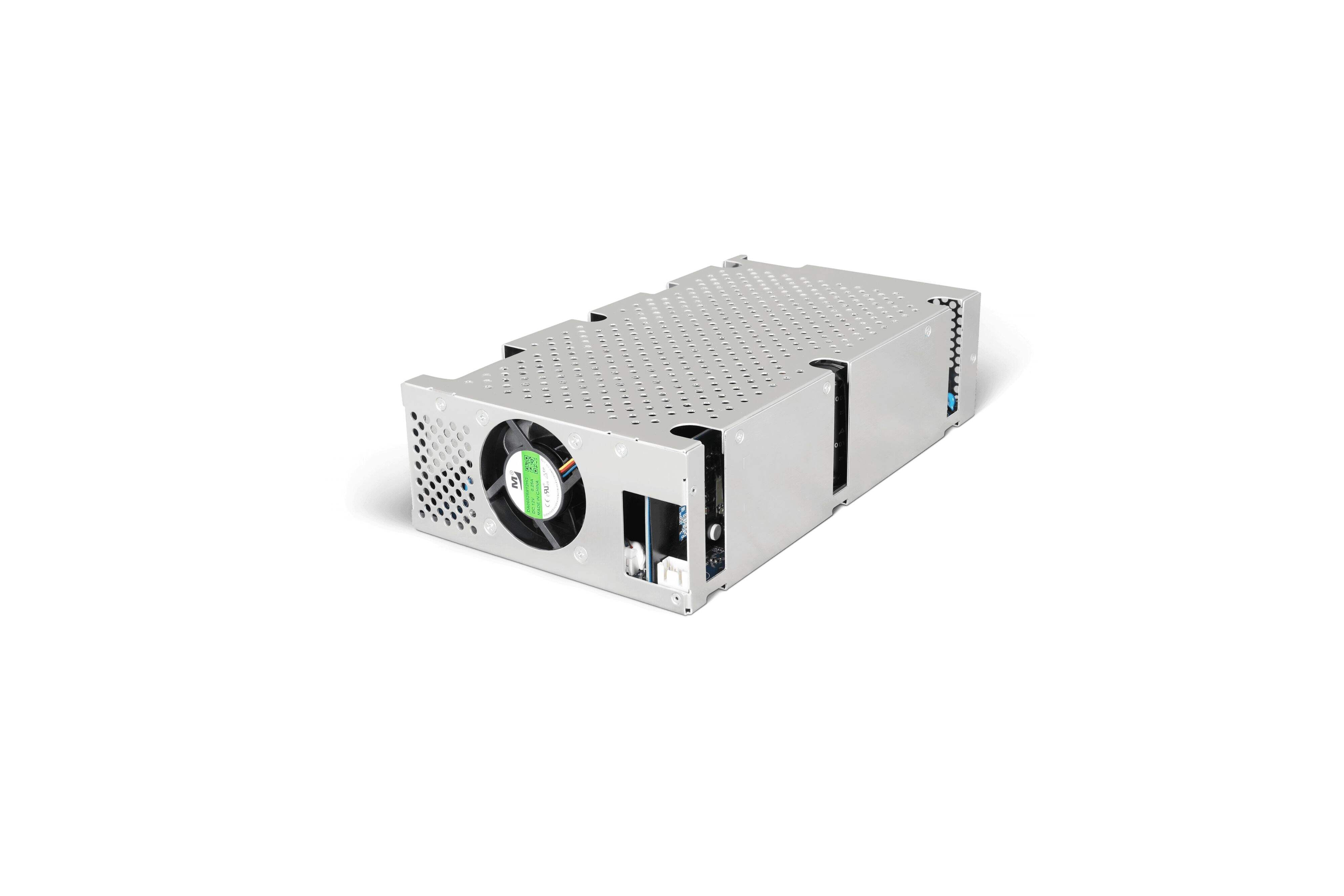
DC Micro Grid System: Advanced Energy Solutions for Reliable, Efficient Power Management

All Categories

Get a Free Quote

Our representative will contact you soon.
Email
Name
Company Name
Message
0/1000

dc micro grid system

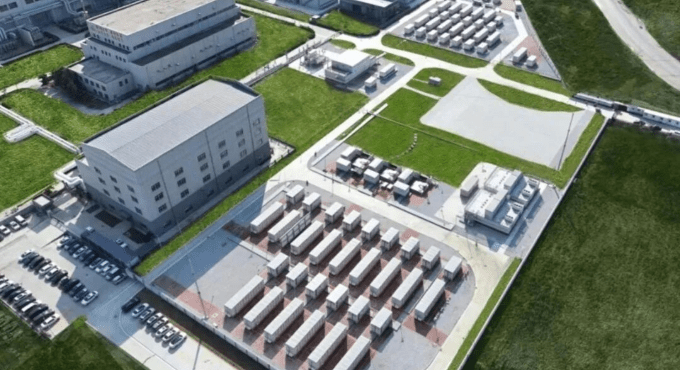
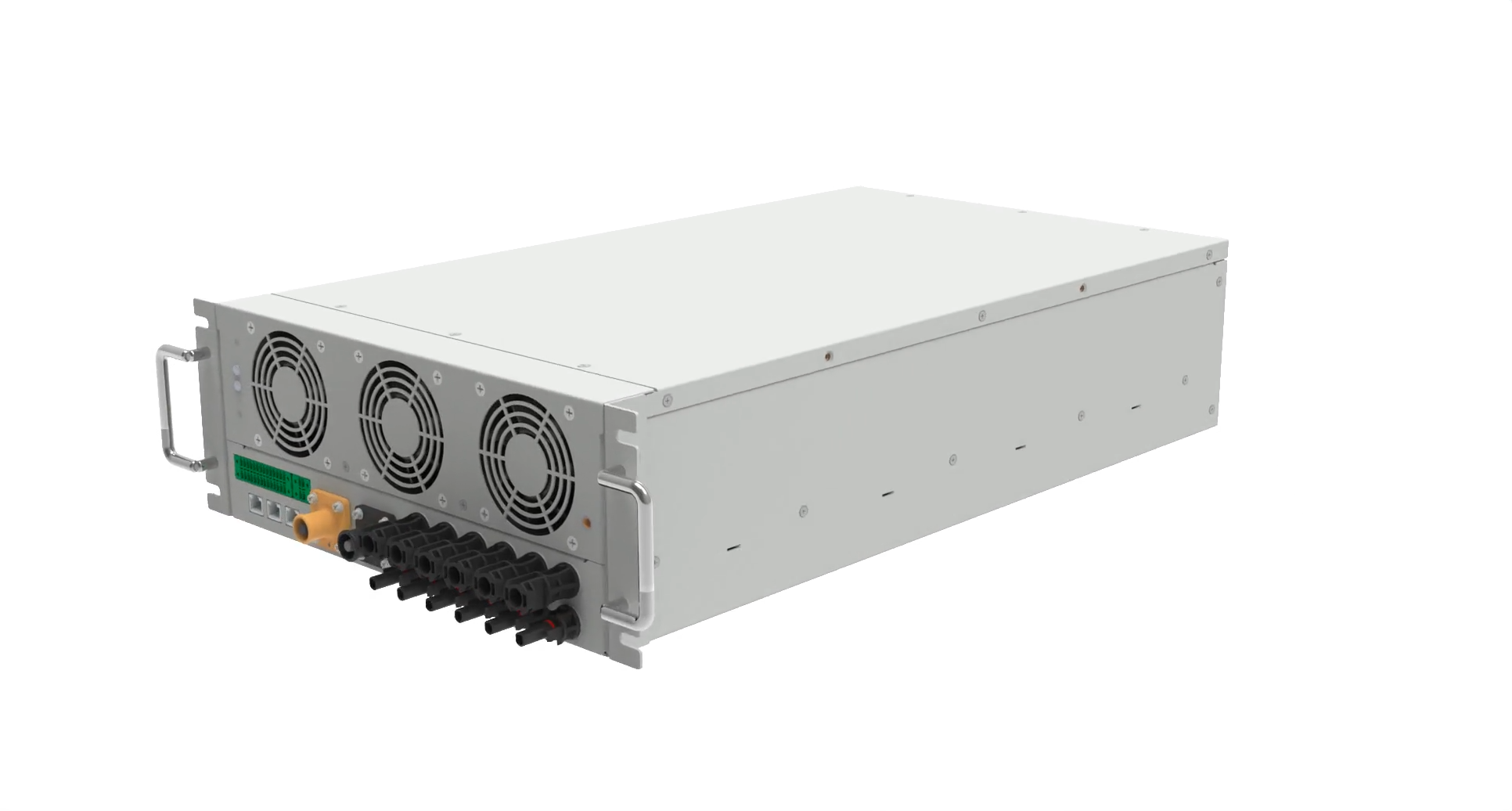
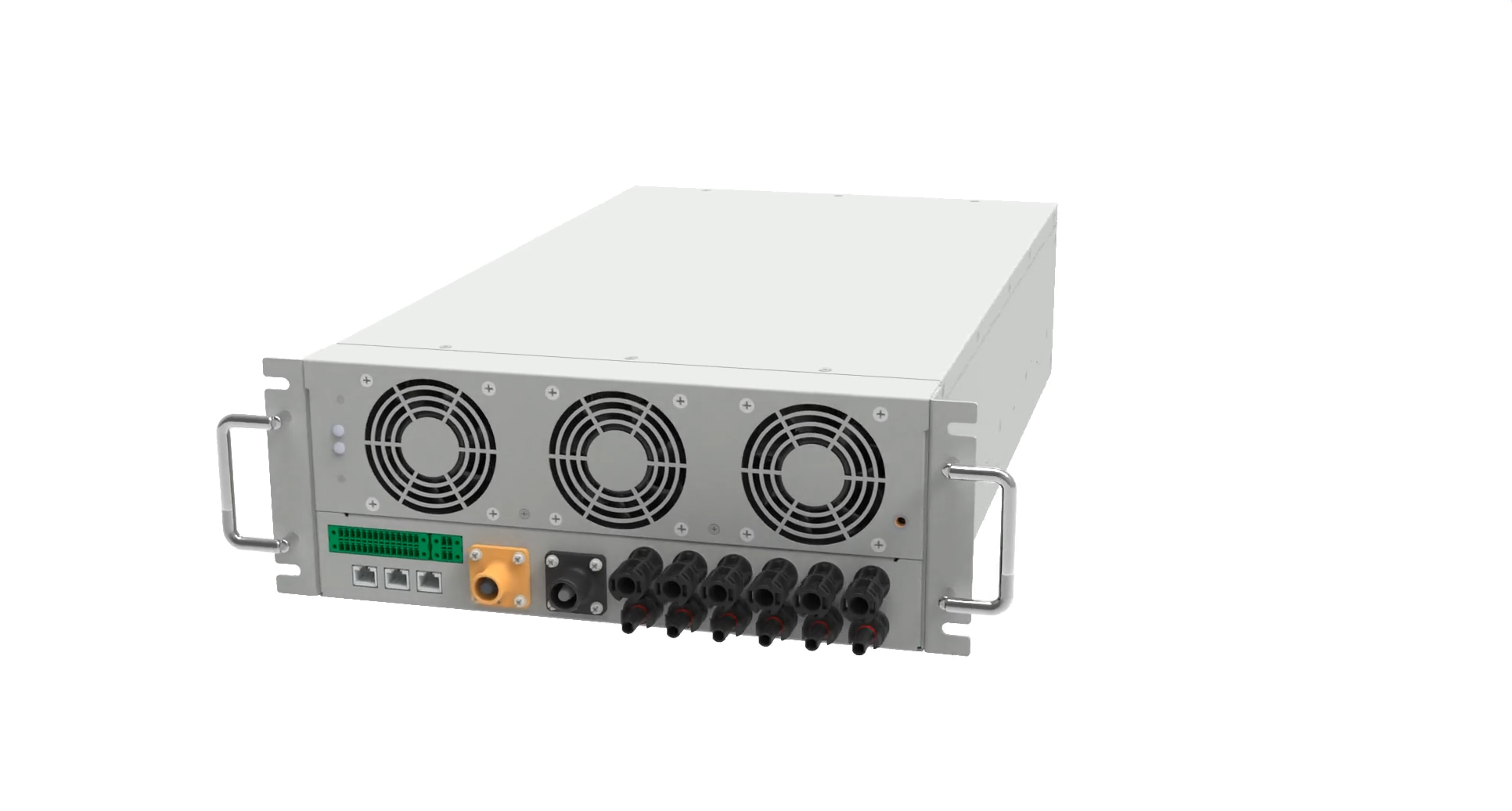
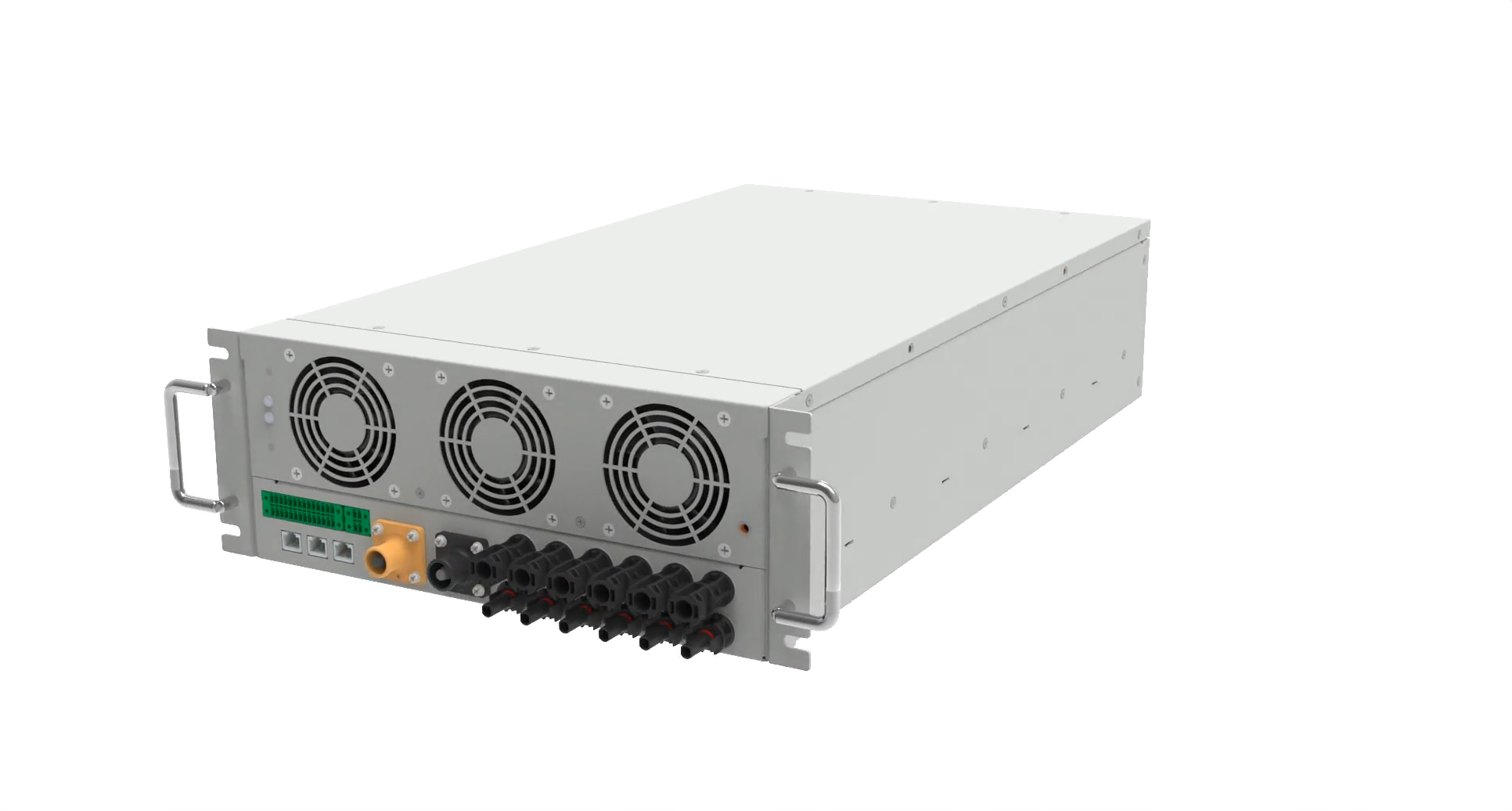
A dc micro grid system represents an innovative electrical infrastructure solution that operates on direct current power distribution within a localized network. This autonomous energy system functions independently from the traditional alternating current power grid while maintaining the capability to connect when needed. The dc micro grid system integrates various distributed energy resources including solar panels, wind turbines, battery storage units, and fuel cells to create a self-sustaining power network. The system employs advanced power electronics and intelligent control mechanisms to manage energy flow efficiently between generation sources, storage devices, and electrical loads. Unlike conventional power systems, the dc micro grid system eliminates the need for multiple AC to DC conversions, resulting in improved energy efficiency and reduced power losses. The control architecture utilizes sophisticated algorithms to optimize power dispatch, maintain voltage stability, and ensure seamless transitions between grid-connected and islanded operating modes. Energy management systems within the dc micro grid continuously monitor load demands, generation capacity, and storage levels to make real-time decisions about power allocation. The modular design allows for scalable implementation, enabling users to expand capacity by adding additional generation or storage components as requirements grow. Communication protocols facilitate coordination between different system elements, ensuring optimal performance under varying operational conditions. The dc micro grid system incorporates protective devices and safety mechanisms to prevent equipment damage and maintain operational reliability during fault conditions or extreme weather events.

New Product Releases

The dc micro grid system delivers significant cost savings through reduced infrastructure requirements and enhanced operational efficiency. Traditional power systems require extensive transmission lines, substations, and distribution networks, while the dc micro grid system operates with minimal infrastructure investment. Energy losses decrease substantially because the system eliminates multiple power conversions that occur in conventional AC systems. Users experience lower electricity bills through reduced dependence on utility power and the ability to generate their own clean energy. Installation costs prove more economical since the dc micro grid system requires fewer components and simplified wiring compared to traditional electrical systems. Maintenance expenses drop significantly due to fewer moving parts and reduced complexity in system components. The dc micro grid system provides exceptional reliability through its ability to operate independently during utility outages or emergencies. When the main power grid fails, the system automatically switches to islanded mode, ensuring continuous power supply to critical loads. This enhanced reliability proves crucial for hospitals, data centers, manufacturing facilities, and residential communities that cannot afford power interruptions. The system offers superior flexibility in accommodating various energy sources and load types. Users can easily integrate solar panels, wind generators, battery banks, and other renewable energy sources without complex modifications. The dc micro grid system adapts to changing energy demands by automatically adjusting power distribution based on real-time requirements. Environmental benefits make the dc micro grid system an attractive choice for sustainability-conscious organizations and individuals. The system promotes clean energy adoption by efficiently integrating renewable sources like solar and wind power. Carbon emissions reduce significantly as users rely less on fossil fuel-generated electricity from the main grid. The dc micro grid system supports energy independence by enabling communities and businesses to produce their own power locally. This self-sufficiency reduces vulnerability to external factors affecting centralized power generation and distribution. Users gain greater control over their energy costs and consumption patterns through detailed monitoring and management capabilities built into the system.

Practical Tips

A Power Station That Doesn’t Generate Electricity — Yet Moves 120 Million kWh a Year

18

Dec

A Power Station That Doesn’t Generate Electricity — Yet Moves 120 Million kWh a Year

View More
BOCO Electronics Brings Hengyang Intelligent Manufacturing Base Online, Expanding Annual Production Beyond One Million Units

18

Dec

BOCO Electronics Brings Hengyang Intelligent Manufacturing Base Online, Expanding Annual Production Beyond One Million Units

View More
BOCO Electronics Demonstrates System-Level Power Conversion Innovation at SNEC 2025

18

Dec

BOCO Electronics Demonstrates System-Level Power Conversion Innovation at SNEC 2025

View More

Get a Free Quote

Our representative will contact you soon.
Email
Name
Company Name
Message
0/1000

dc micro grid system

Advanced Energy Storage Integration

Advanced Energy Storage Integration

The dc micro grid system excels in seamlessly integrating diverse energy storage technologies to maximize power availability and system resilience. Battery storage systems connect directly to the DC bus without requiring power conversion equipment, resulting in higher round-trip efficiency and reduced energy losses. The system accommodates various battery technologies including lithium-ion, lead-acid, flow batteries, and emerging storage solutions, allowing users to select the most appropriate technology based on their specific requirements and budget constraints. Intelligent battery management systems monitor cell voltages, temperatures, and state of charge to optimize performance and extend battery lifespan. The dc micro grid system automatically coordinates charging and discharging cycles to maintain optimal energy reserves while preventing overcharging or deep discharge conditions that could damage storage components. Energy arbitrage capabilities enable the system to store excess renewable energy during peak generation periods and discharge stored power during high-demand intervals or when renewable sources are unavailable. The storage integration framework supports grid services such as frequency regulation, voltage support, and peak shaving, creating potential revenue streams for system owners. Modular storage expansion allows users to increase capacity incrementally as energy demands grow or as storage technology costs decrease. The system provides sophisticated forecasting algorithms that predict energy generation and consumption patterns to optimize storage utilization and ensure adequate reserves for critical operations. Emergency backup functionality guarantees power availability during extended outages, with the ability to prioritize essential loads and manage energy consumption to maximize backup duration. The dc micro grid system enables participation in demand response programs where utilities provide financial incentives for reducing power consumption during peak periods.
Intelligent Power Management and Control

Intelligent Power Management and Control

The dc micro grid system incorporates cutting-edge control algorithms and artificial intelligence to optimize energy distribution and system performance automatically. Real-time monitoring capabilities track power generation, consumption, and storage levels across all system components, providing operators with comprehensive visibility into system operations. The intelligent control system makes millisecond decisions about power routing, load prioritization, and generator dispatch to maintain optimal efficiency under all operating conditions. Machine learning algorithms analyze historical data and operating patterns to predict future energy demands and optimize system configuration proactively. The dc micro grid system automatically adjusts to changing conditions such as weather variations, equipment failures, or sudden load changes without requiring manual intervention. Predictive maintenance capabilities identify potential component issues before failures occur, reducing downtime and maintenance costs significantly. The control system seamlessly transitions between grid-connected and islanded modes based on utility conditions, power quality requirements, or economic factors. Load management features automatically shed non-critical loads during emergencies or when generation capacity becomes insufficient to meet total demand. The system provides detailed analytics and reporting capabilities that help users understand energy consumption patterns, identify efficiency opportunities, and optimize operational strategies. Remote monitoring and control capabilities enable system management from any location through secure internet connections, reducing the need for on-site personnel. The dc micro grid system supports multiple operating modes including peak shaving, load shifting, backup power, and grid support services. Advanced communication protocols ensure reliable data exchange between system components and external systems such as utility networks or building management systems.

Scalable Renewable Energy Integration

Scalable Renewable Energy Integration

The dc micro grid system provides unparalleled flexibility for integrating renewable energy sources, making it an ideal solution for organizations committed to sustainability and energy independence. Solar photovoltaic systems connect directly to the DC bus without requiring inverters, eliminating conversion losses and reducing system complexity while improving overall efficiency. The system accommodates wind turbines through advanced power conditioning equipment that captures maximum energy across varying wind conditions. Multiple renewable sources can operate simultaneously, with the control system automatically coordinating their outputs to match load demands and storage requirements. The dc micro grid system optimizes renewable energy utilization through maximum power point tracking algorithms that ensure each generation source operates at peak efficiency. Excess renewable energy automatically charges battery storage systems or feeds back to the utility grid when interconnection agreements permit, maximizing the economic value of generated power. The system handles the intermittent nature of renewable sources through intelligent forecasting and energy management strategies that maintain reliable power supply despite variable generation. Expandable architecture allows users to add additional renewable sources as technology improves or as energy requirements increase, protecting initial investments while enabling future growth. The dc micro grid system supports emerging technologies such as fuel cells, micro-turbines, and advanced solar tracking systems, ensuring compatibility with future innovations. Grid-tie capabilities enable net metering arrangements where excess renewable generation offsets electricity purchases from the utility, potentially eliminating or even reversing monthly electricity bills. The system provides detailed renewable energy production reporting and carbon footprint tracking, supporting sustainability goals and regulatory compliance requirements. Integration with electric vehicle charging infrastructure creates synergies between transportation electrification and renewable energy adoption, maximizing the environmental and economic benefits of both technologies.

Get a Free Quote

Our representative will contact you soon.
Email
Name
Company Name
Message
0/1000