bidirectional converters
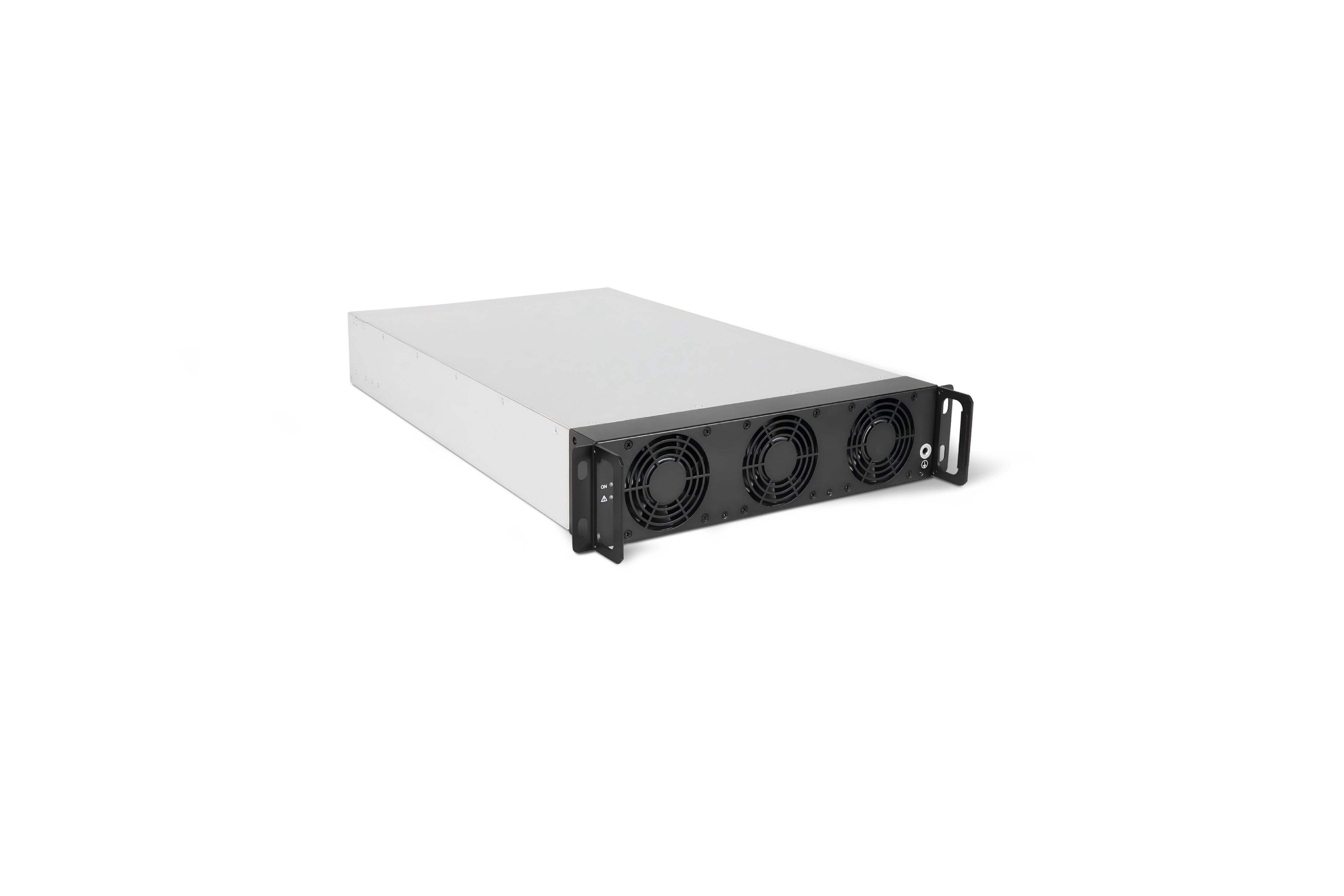
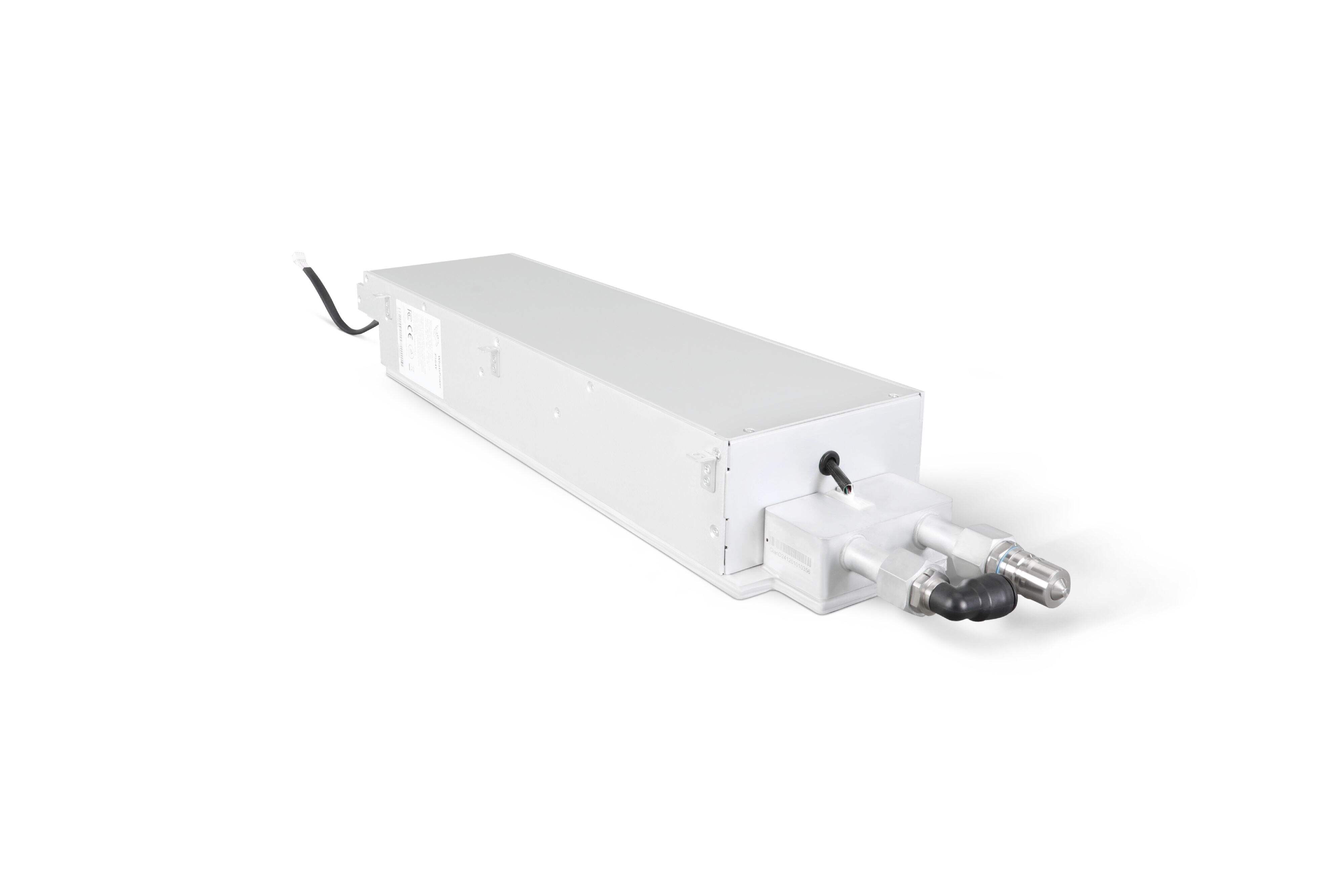
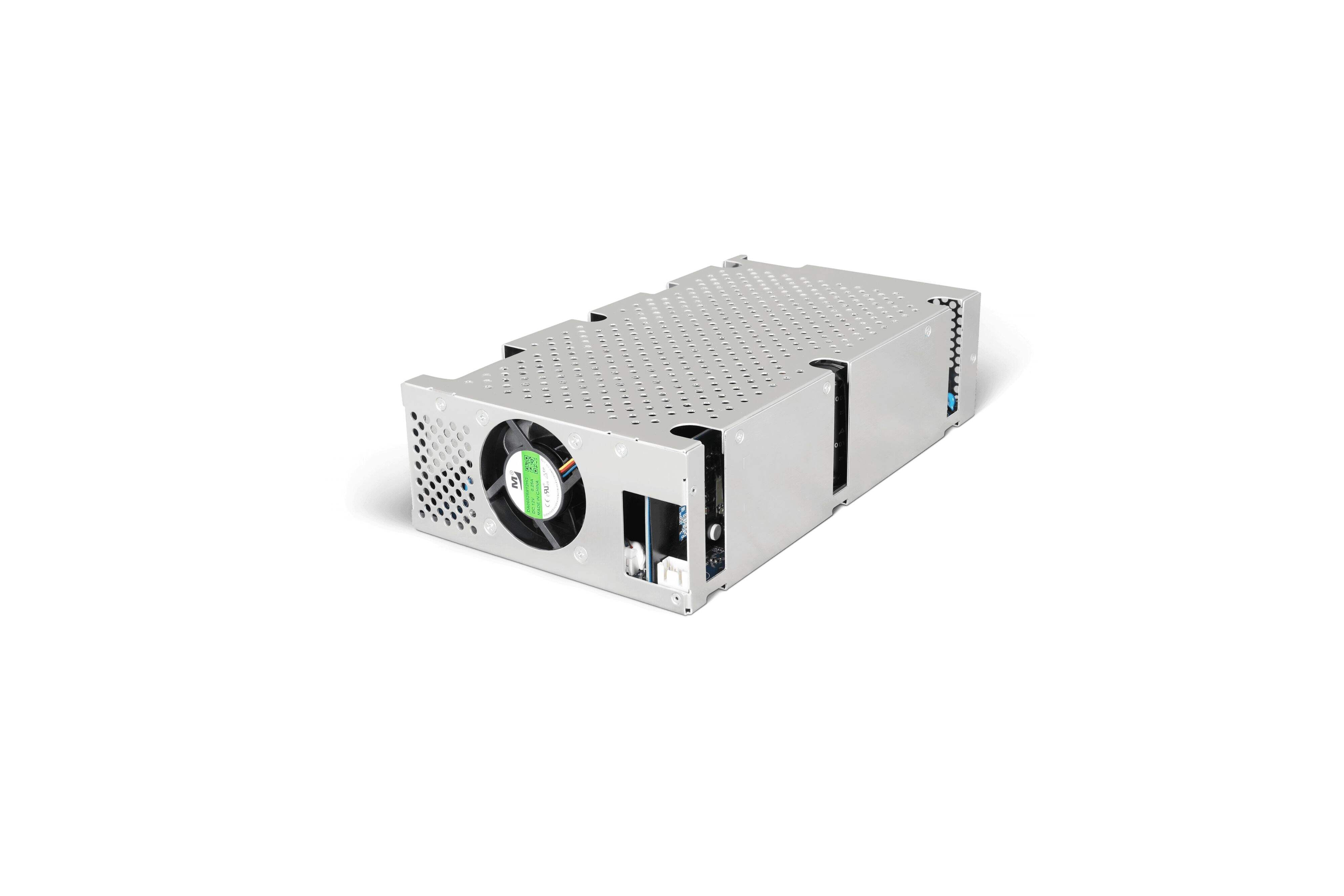
Bidirectional converters represent a revolutionary advancement in power electronics technology, serving as sophisticated devices that enable seamless power flow in both directions between different electrical systems. These intelligent power management solutions have transformed how we approach energy storage, renewable energy integration, and electric vehicle charging infrastructure. At their core, bidirectional converters function as versatile energy bridges, allowing electricity to flow from AC to DC and vice versa, while maintaining precise control over voltage, current, and power levels. The primary functions of bidirectional converters encompass energy conversion, power regulation, and grid synchronization. They excel at managing energy storage systems by efficiently charging batteries during periods of excess power generation and discharging stored energy when demand increases. This dual-functionality makes them indispensable in modern smart grid applications, where dynamic energy management is crucial for system stability and efficiency. Technologically, bidirectional converters incorporate advanced semiconductor switches, typically using IGBTs or MOSFETs, combined with sophisticated control algorithms that monitor real-time system conditions. These devices feature intelligent power management systems that automatically adjust conversion parameters based on load requirements and grid conditions. The integration of digital signal processors enables precise control over switching frequencies, power factor correction, and harmonic reduction. Modern bidirectional converters also include protective mechanisms such as overcurrent protection, thermal management systems, and fault detection capabilities. Applications for bidirectional converters span numerous industries and sectors. In renewable energy systems, they facilitate seamless integration of solar panels and wind turbines with energy storage solutions, maximizing renewable energy utilization. Electric vehicle charging stations rely on bidirectional converters to provide efficient charging while potentially allowing vehicles to feed energy back into the grid during peak demand periods. Industrial applications include uninterruptible power supplies, where bidirectional converters ensure continuous power delivery during outages while maintaining battery health through intelligent charging cycles.

 EN
EN