Bidirectional DC DC Converter for Battery Charging - Advanced Power Management Solutions

All Categories

Get a Free Quote

Our representative will contact you soon.
Email
Name
Company Name
Message
0/1000

bidirectional dc dc converter for battery charging

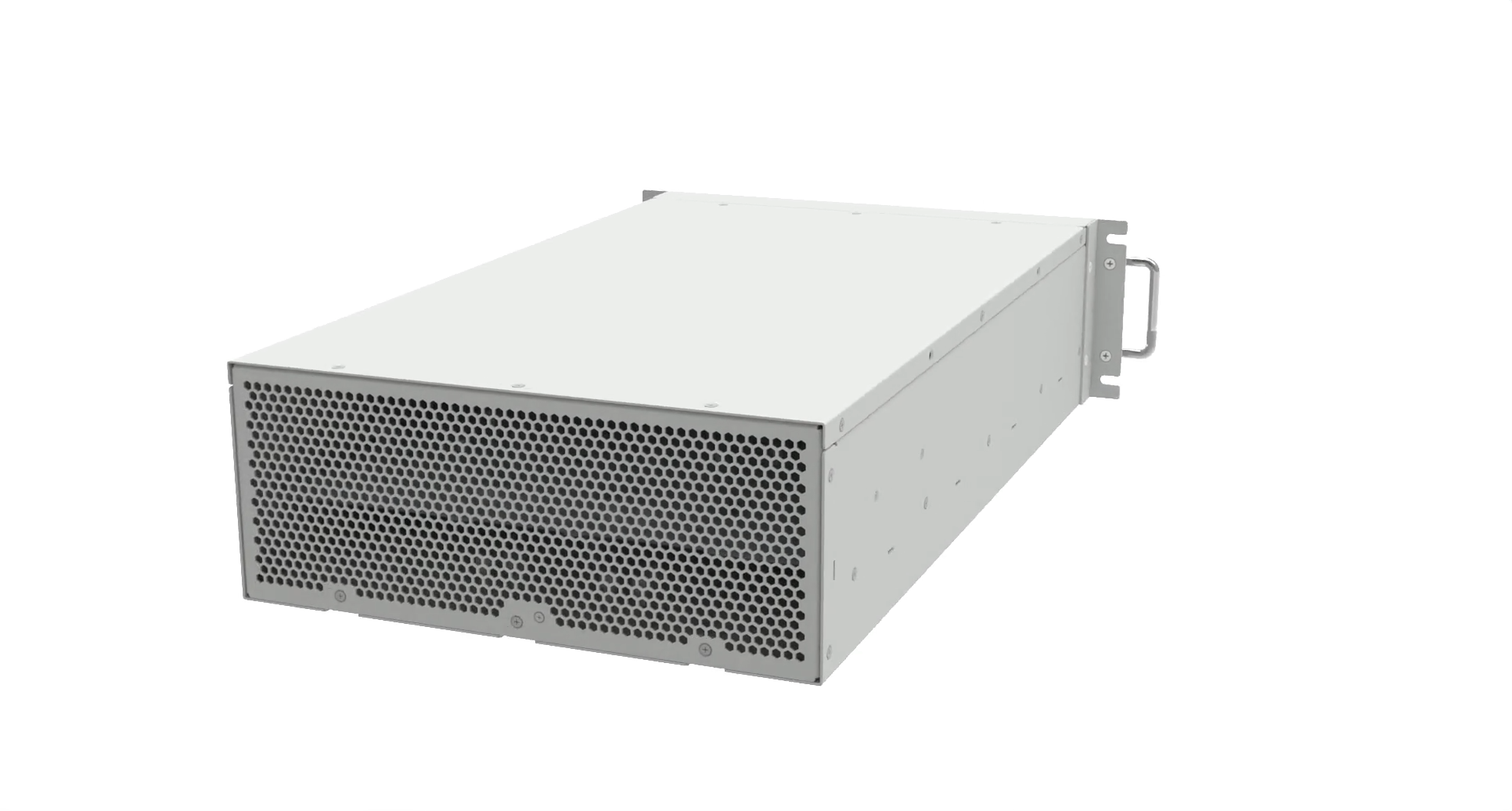
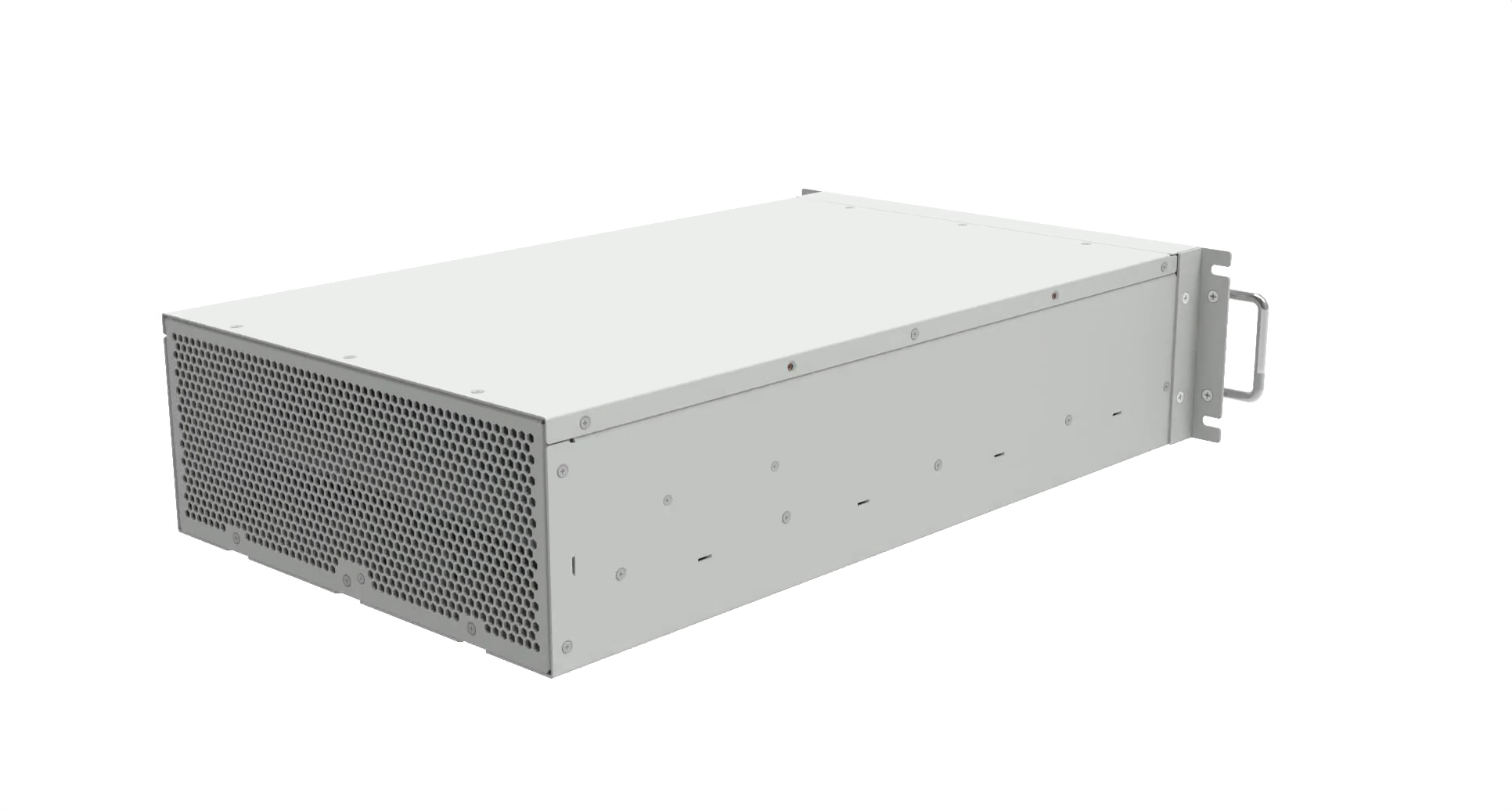
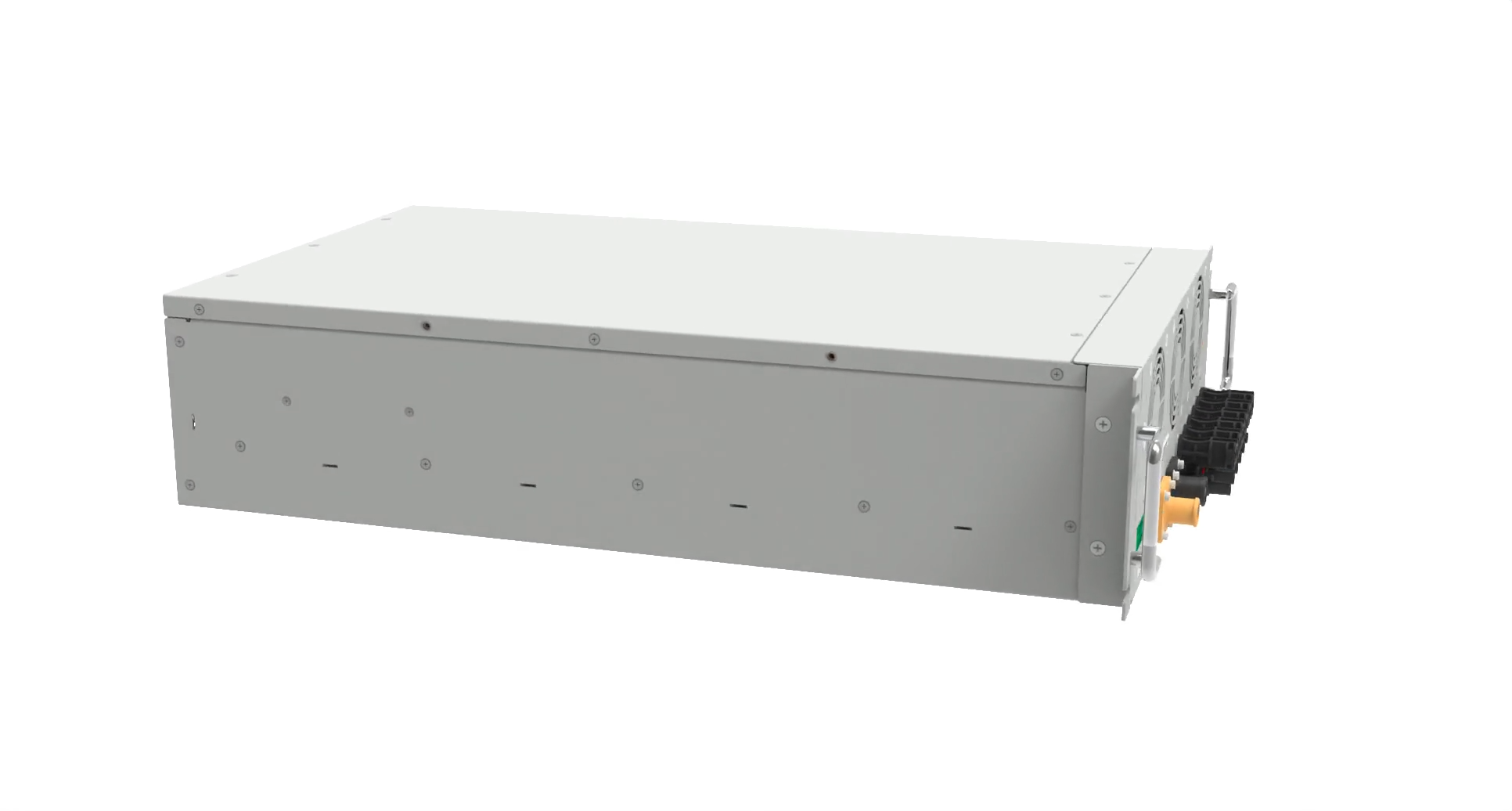
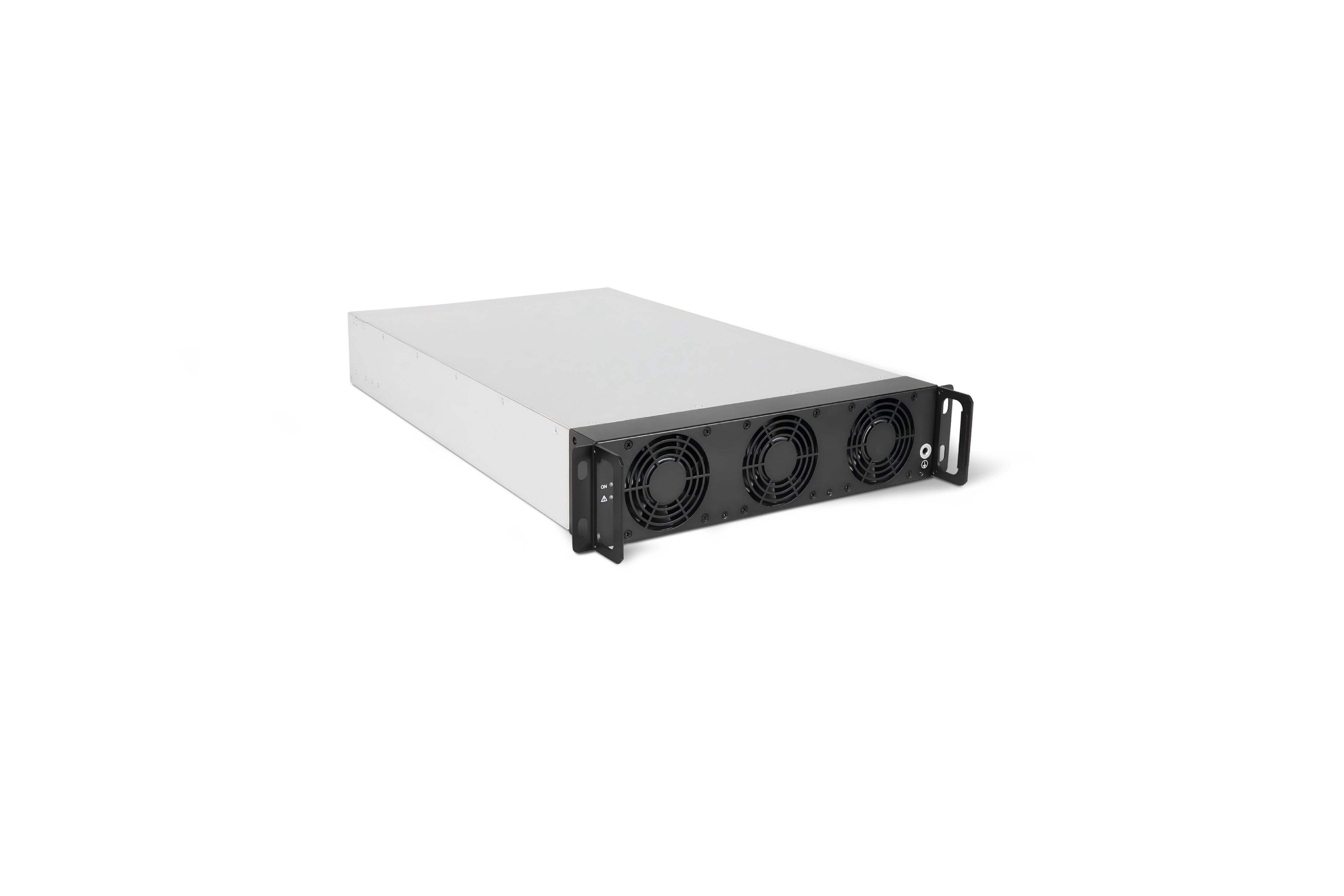
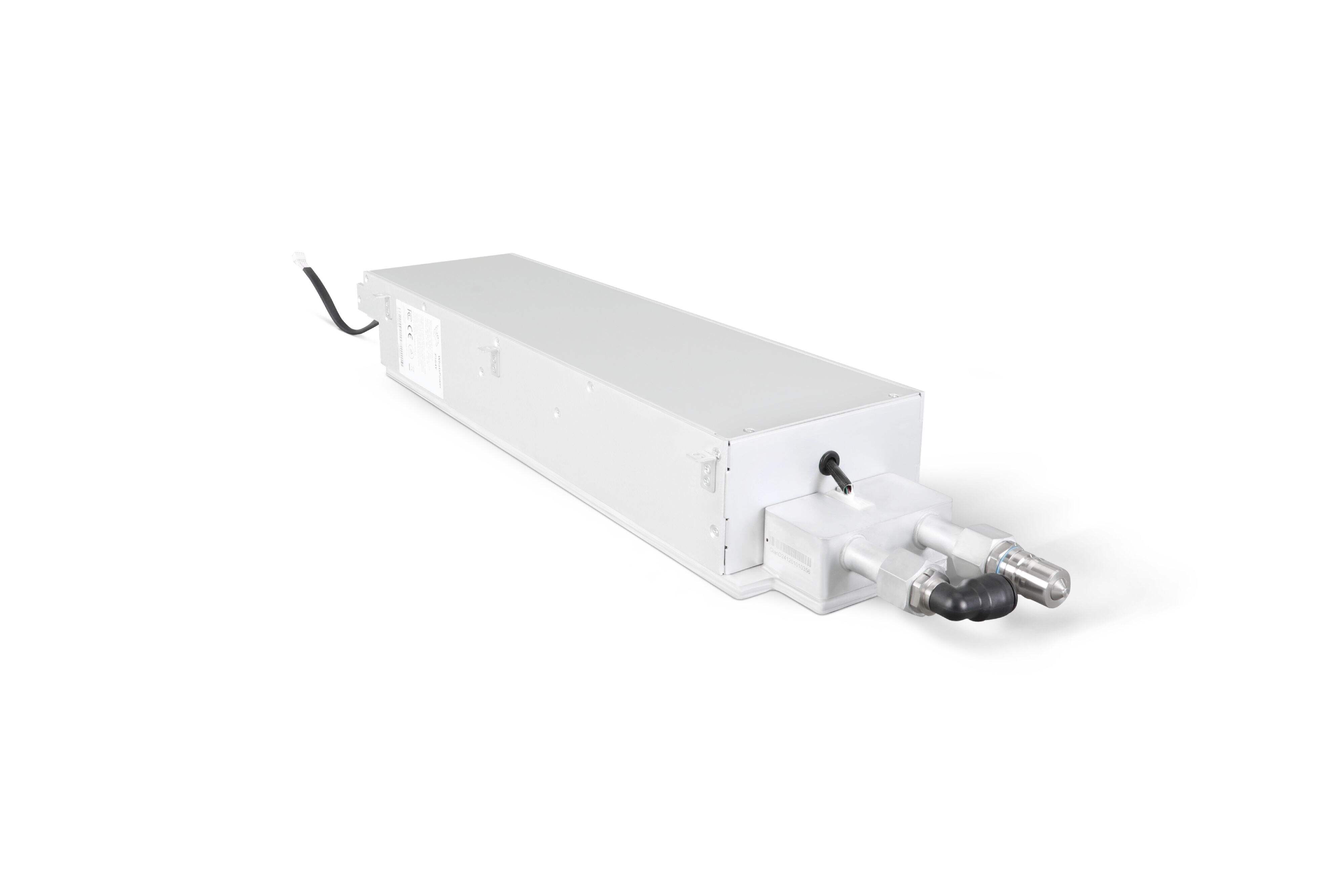
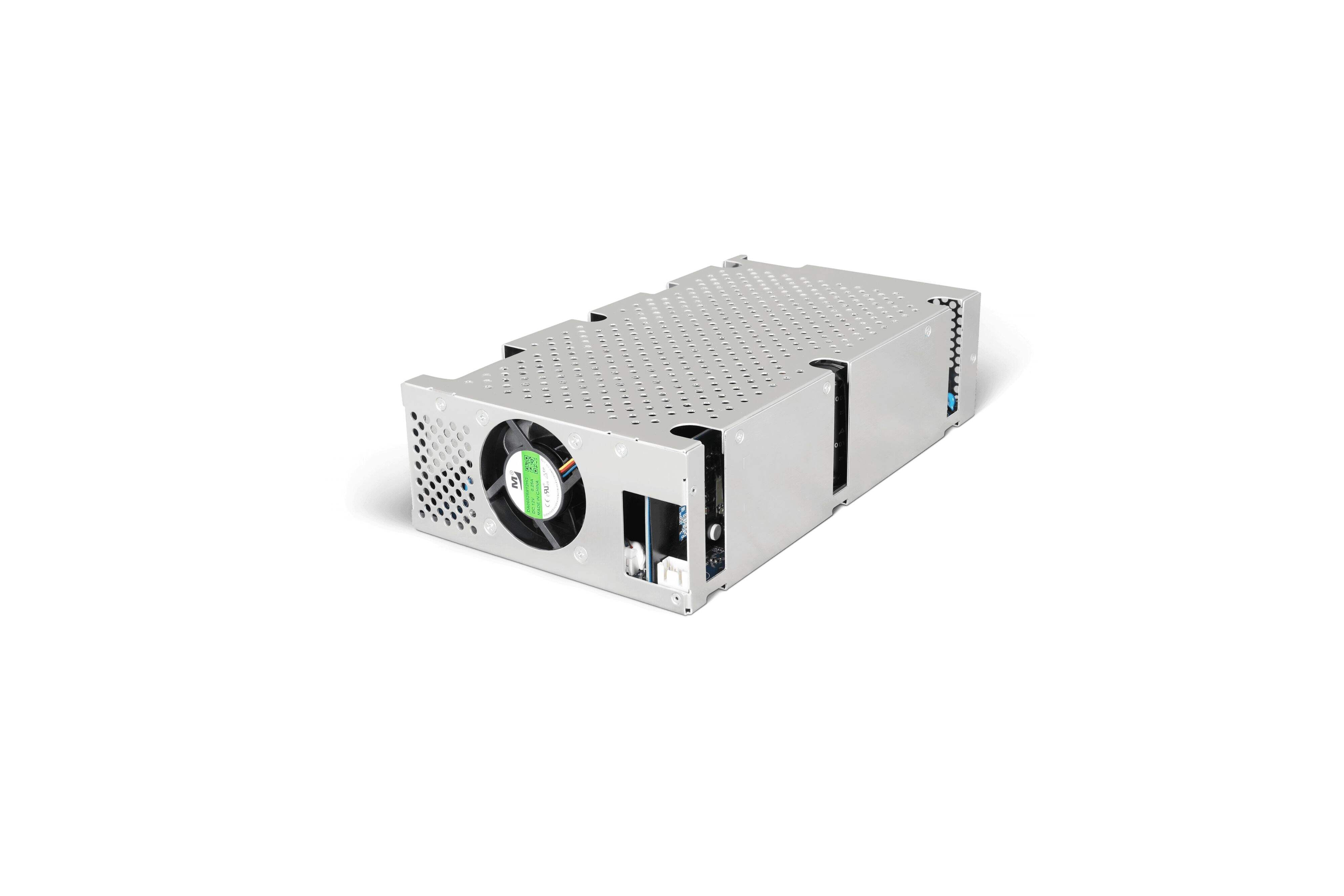
A bidirectional dc dc converter for battery charging represents a revolutionary advancement in power electronics technology that enables efficient energy transfer in both directions between different voltage levels. This sophisticated device serves as the critical interface between power sources and energy storage systems, allowing batteries to both receive charge from external sources and discharge energy back to connected loads or power grids. The converter operates by using advanced switching techniques and magnetic components to step voltage levels up or down while maintaining high efficiency throughout the conversion process. The bidirectional functionality makes it essential for modern energy management systems where flexibility and efficiency are paramount. In electric vehicle applications, the bidirectional dc dc converter for battery charging manages power flow between the high-voltage battery pack and various subsystems, ensuring optimal charging rates while preventing overcharging or thermal runaway conditions. The technology incorporates sophisticated control algorithms that monitor battery parameters such as voltage, current, temperature, and state of charge to determine the most appropriate charging profile. Modern implementations feature galvanic isolation through transformers, providing safety barriers between input and output circuits while enabling precise voltage regulation. The converter typically includes multiple protection mechanisms including overvoltage protection, overcurrent limiting, thermal shutdown, and short-circuit protection. Smart control features allow real-time communication with battery management systems and external controllers through various protocols such as CAN bus, RS485, or wireless interfaces. Applications span across electric vehicles, renewable energy systems, uninterruptible power supplies, grid energy storage, and portable electronic devices. The bidirectional dc dc converter for battery charging has become indispensable in creating sustainable energy ecosystems where stored energy can be efficiently utilized during peak demand periods or grid instability events.

New Product Releases

The bidirectional dc dc converter for battery charging delivers significant advantages that transform how users manage energy storage and power distribution systems. First, this technology provides exceptional energy efficiency, typically achieving conversion rates above 95 percent, which means minimal power loss during charging and discharging cycles. This high efficiency translates directly into cost savings for users through reduced electricity consumption and extended battery life. The converter eliminates the need for separate charging and discharging circuits, simplifying system architecture while reducing overall component count and installation complexity. Users benefit from enhanced flexibility in system design, as the single converter handles both power input and output functions seamlessly. The bidirectional dc dc converter for battery charging enables dynamic load balancing, automatically adjusting power flow based on real-time demand and supply conditions. This intelligent operation prevents system overloads and optimizes energy utilization across connected devices. Safety features built into these converters provide comprehensive protection for both equipment and operators. Advanced thermal management prevents overheating, while current limiting protects batteries from damage caused by excessive charging rates. The converter includes fault detection systems that immediately respond to abnormal conditions, isolating problematic circuits and maintaining system integrity. Installation becomes straightforward with standardized mounting options and clear connection terminals that reduce setup time and minimize potential errors. Users appreciate the compact design that saves valuable space in control panels and equipment racks. The bidirectional dc dc converter for battery charging supports various battery chemistries including lithium-ion, lead-acid, and emerging technologies, making it adaptable to evolving energy storage requirements. Remote monitoring capabilities allow users to track system performance, identify maintenance needs, and optimize charging schedules from anywhere with network connectivity. Cost-effectiveness emerges through reduced maintenance requirements, extended equipment lifespan, and improved operational reliability that minimizes unexpected downtime and repair expenses.

Tips And Tricks

A Power Station That Doesn’t Generate Electricity — Yet Moves 120 Million kWh a Year

18

Dec

A Power Station That Doesn’t Generate Electricity — Yet Moves 120 Million kWh a Year

View More
BOCO Electronics Brings Hengyang Intelligent Manufacturing Base Online, Expanding Annual Production Beyond One Million Units

18

Dec

BOCO Electronics Brings Hengyang Intelligent Manufacturing Base Online, Expanding Annual Production Beyond One Million Units

View More
BOCO Electronics Demonstrates System-Level Power Conversion Innovation at SNEC 2025

18

Dec

BOCO Electronics Demonstrates System-Level Power Conversion Innovation at SNEC 2025

View More

Get a Free Quote

Our representative will contact you soon.
Email
Name
Company Name
Message
0/1000

bidirectional dc dc converter for battery charging

Intelligent Power Flow Management and Control

Intelligent Power Flow Management and Control

The bidirectional dc dc converter for battery charging incorporates sophisticated intelligent power flow management systems that revolutionize energy distribution and storage operations. This advanced control system continuously monitors multiple parameters including input voltage fluctuations, battery state of charge, load demands, and temperature conditions to make real-time decisions about power flow direction and magnitude. The intelligent management system utilizes advanced algorithms that predict energy needs based on historical usage patterns, time of day, and external conditions such as weather forecasts for solar installations. This predictive capability enables the converter to pre-position battery charge levels for optimal performance during peak demand periods. The control system seamlessly switches between charging and discharging modes without user intervention, responding to grid conditions, renewable energy availability, and load requirements within milliseconds. During utility grid outages, the intelligent system automatically transitions to backup power mode, ensuring continuous operation of critical loads while protecting sensitive equipment from power quality issues. The bidirectional dc dc converter for battery charging features adaptive charging profiles that adjust current and voltage levels based on battery chemistry, age, and current condition, maximizing battery lifespan and performance. Smart communication interfaces enable integration with building management systems, renewable energy controllers, and utility grid management platforms, creating comprehensive energy management ecosystems. The system provides detailed analytics and reporting capabilities that help users understand energy consumption patterns, identify optimization opportunities, and track return on investment. Remote configuration options allow technicians to adjust parameters, update firmware, and modify operational settings without physical access to equipment locations. This intelligent approach reduces operational costs while improving system reliability and extending equipment service life through optimized operating conditions.

Advanced Safety and Protection Features

Advanced Safety and Protection Features

Safety represents a paramount concern in energy storage applications, and the bidirectional dc dc converter for battery charging addresses this through comprehensive protection mechanisms that safeguard both equipment and personnel. The converter implements multiple layers of safety protection including input and output overvoltage protection that prevents damage from utility grid fluctuations or equipment malfunctions. Overcurrent protection circuits monitor current flow continuously and immediately limit or interrupt power transfer when dangerous conditions are detected. Thermal protection systems use multiple temperature sensors strategically placed throughout the converter to monitor critical component temperatures and implement staged responses including power derating and complete shutdown when necessary. The bidirectional dc dc converter for battery charging includes galvanic isolation between input and output circuits through high-frequency transformers, creating electrical barriers that prevent dangerous voltage levels from reaching connected equipment or operators. Ground fault protection systems detect insulation failures and immediately disconnect affected circuits to prevent electrical shock hazards. Arc fault protection identifies dangerous arcing conditions that could lead to fires and takes immediate corrective action. The safety system includes comprehensive diagnostics that continuously verify proper operation of all protection circuits and alert operators to any degraded safety conditions. Emergency shutdown capabilities allow immediate system disconnect through multiple methods including manual switches, remote commands, and automatic triggers from connected fire safety systems. The converter features fail-safe design principles where component failures result in safe system shutdown rather than continued operation in potentially dangerous conditions. Status indicators provide clear visual confirmation of system operating conditions and safety status, enabling operators to quickly assess system health. Documentation and certification compliance with international safety standards including UL, CE, and IEC requirements ensure the bidirectional dc dc converter for battery charging meets rigorous safety requirements for commercial and industrial applications.
Versatile Application Integration and Scalability

Versatile Application Integration and Scalability

The bidirectional dc dc converter for battery charging excels in versatile application integration, offering unprecedented flexibility for diverse energy management scenarios across multiple industries and use cases. This adaptability stems from modular design architecture that allows users to configure systems ranging from small residential installations to large industrial energy storage facilities. The converter supports parallel operation of multiple units, enabling seamless capacity expansion as energy requirements grow without requiring complete system replacement. Scalability features include automatic load sharing between parallel units, ensuring optimal efficiency and reliability across the entire installation. The bidirectional dc dc converter for battery charging integrates seamlessly with renewable energy systems including solar photovoltaic arrays, wind turbines, and micro-hydro installations, enabling efficient energy capture and storage regardless of generation source characteristics. Communication protocols support integration with existing building automation systems, SCADA networks, and IoT platforms, creating unified energy management ecosystems. The converter adapts to various DC bus voltages commonly found in industrial applications, eliminating the need for additional conversion stages and improving overall system efficiency. Mobile applications benefit from ruggedized designs that withstand vibration, temperature extremes, and environmental challenges while maintaining reliable operation. Marine and recreational vehicle applications leverage compact form factors and corrosion-resistant materials designed for harsh operating environments. The bidirectional dc dc converter for battery charging supports multiple battery technologies simultaneously, allowing users to optimize energy storage based on specific application requirements such as power density, energy density, or cycle life characteristics. Retrofit capabilities enable integration into existing power systems with minimal modifications, reducing installation costs and system downtime. Future-proofing features include firmware update capabilities and expandable I/O options that ensure compatibility with emerging technologies and evolving application requirements, protecting user investments while enabling continuous improvement in system performance and capabilities.

Get a Free Quote

Our representative will contact you soon.
Email
Name
Company Name
Message
0/1000