working of bidirectional dc dc converters
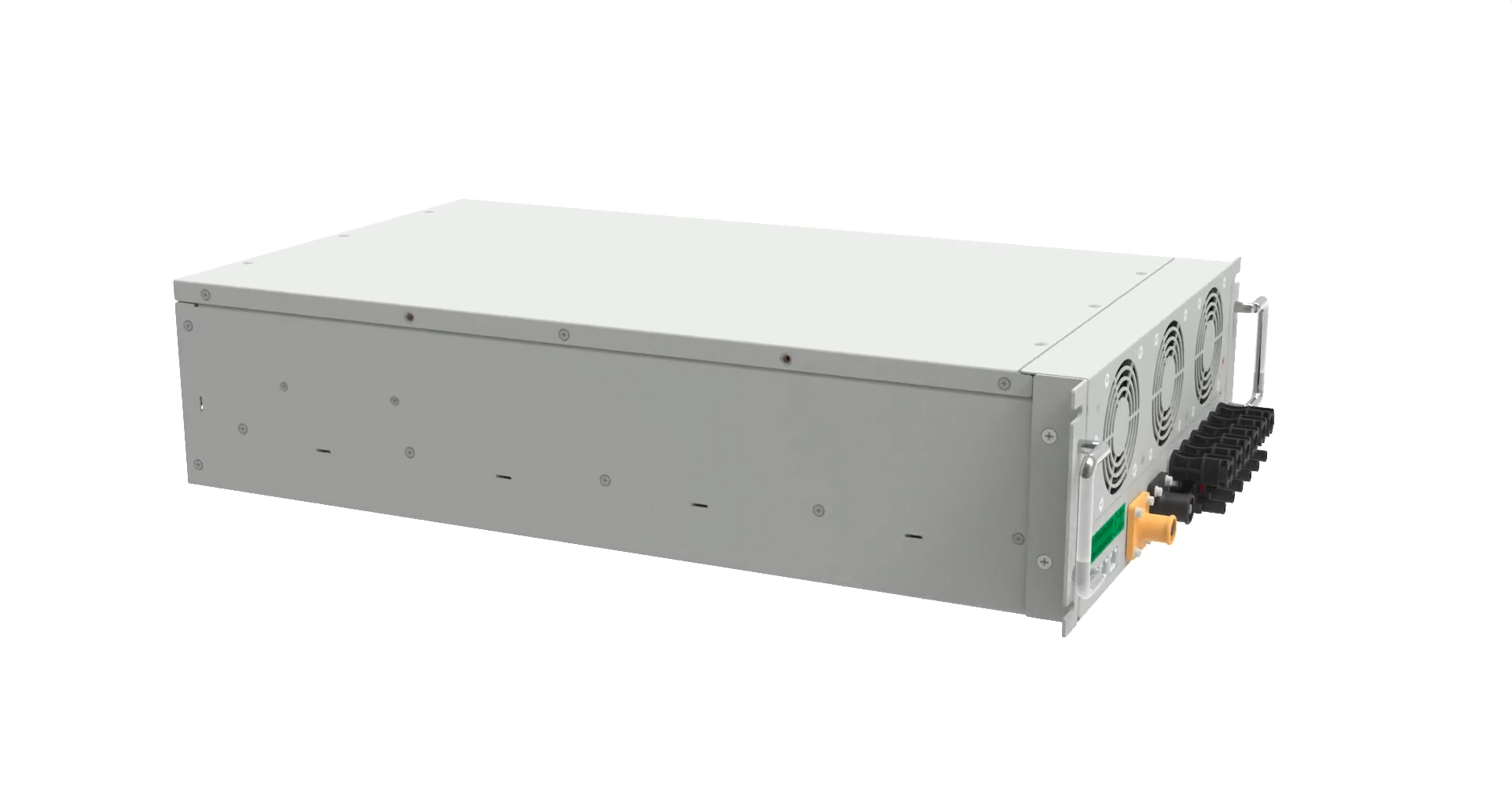
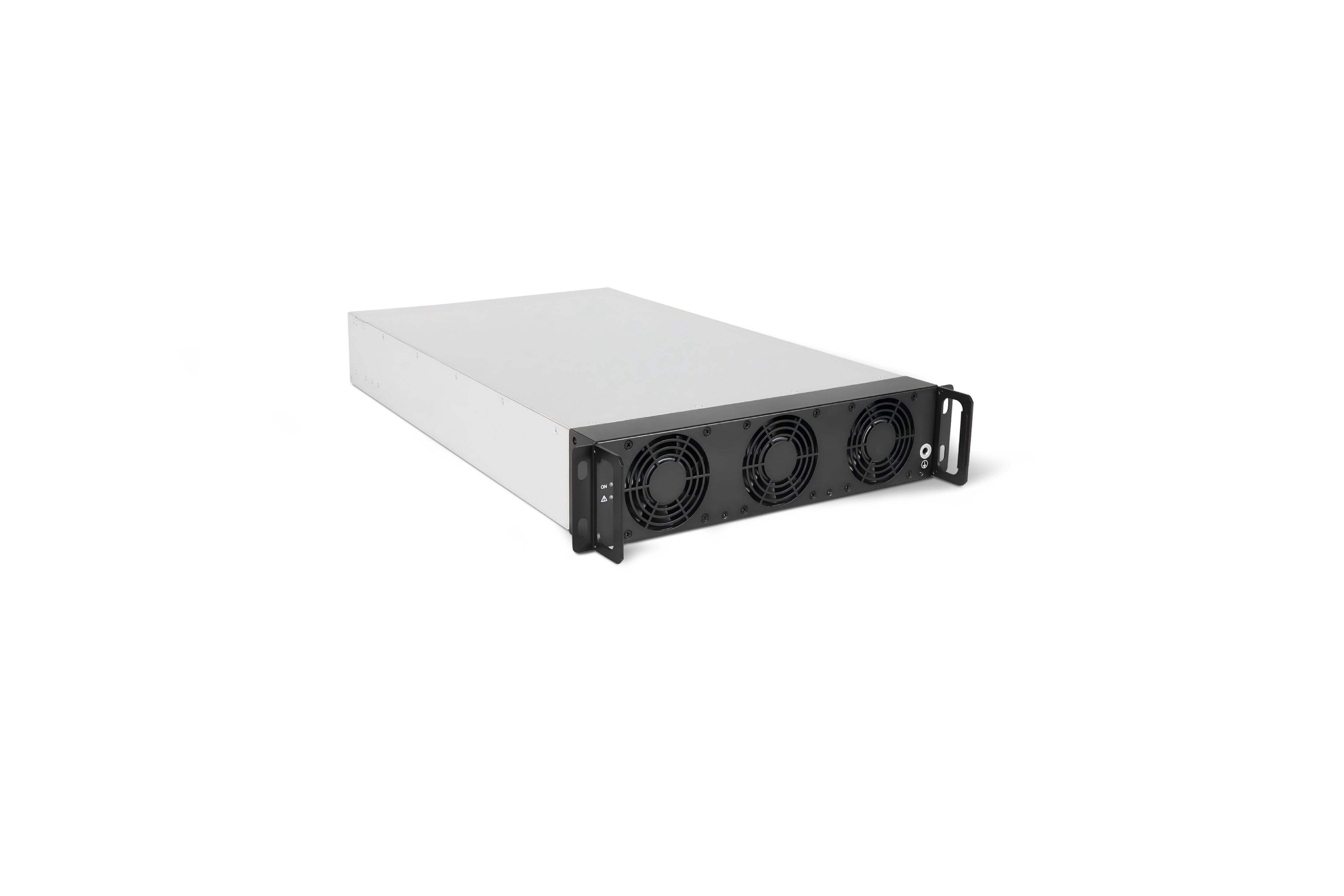
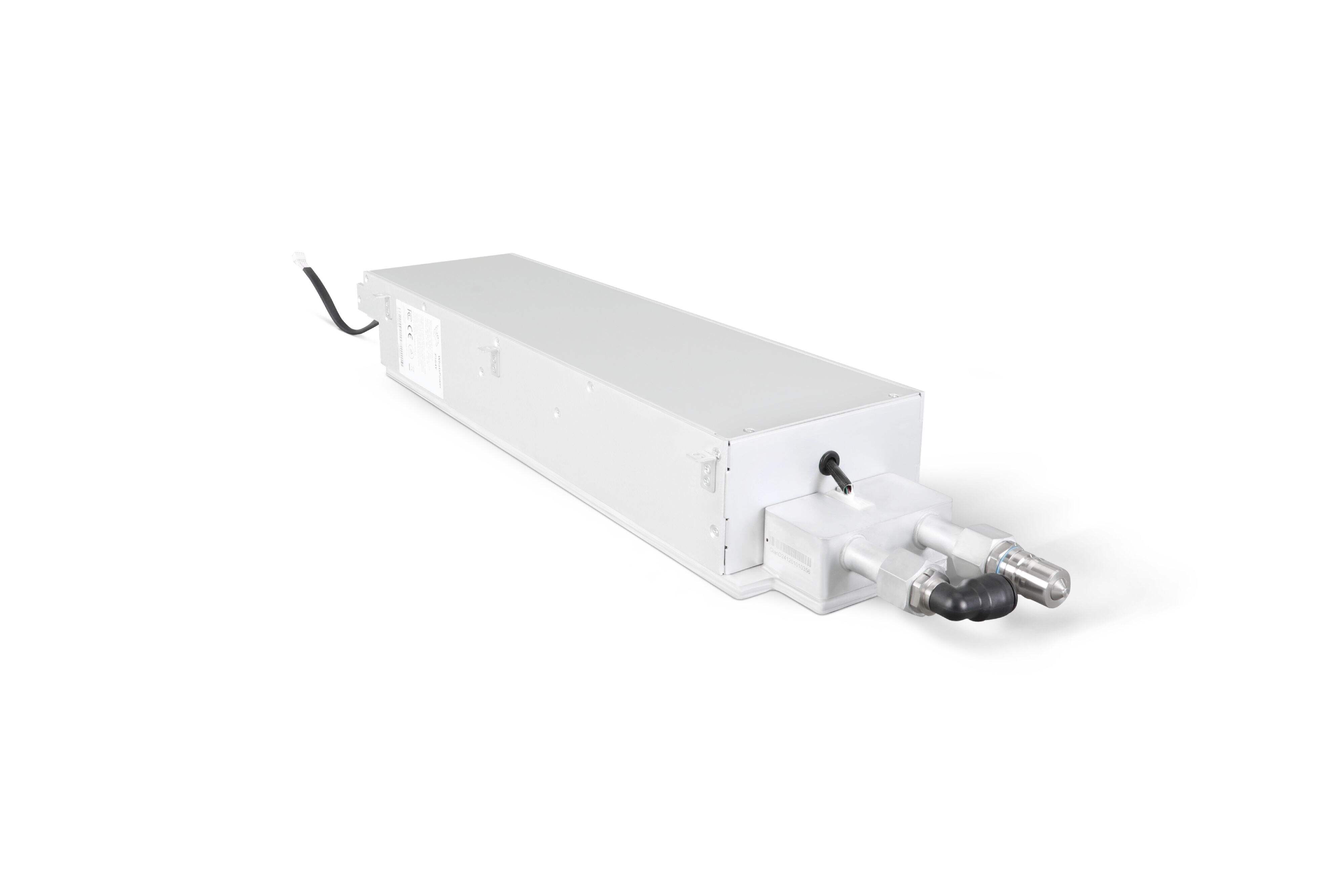
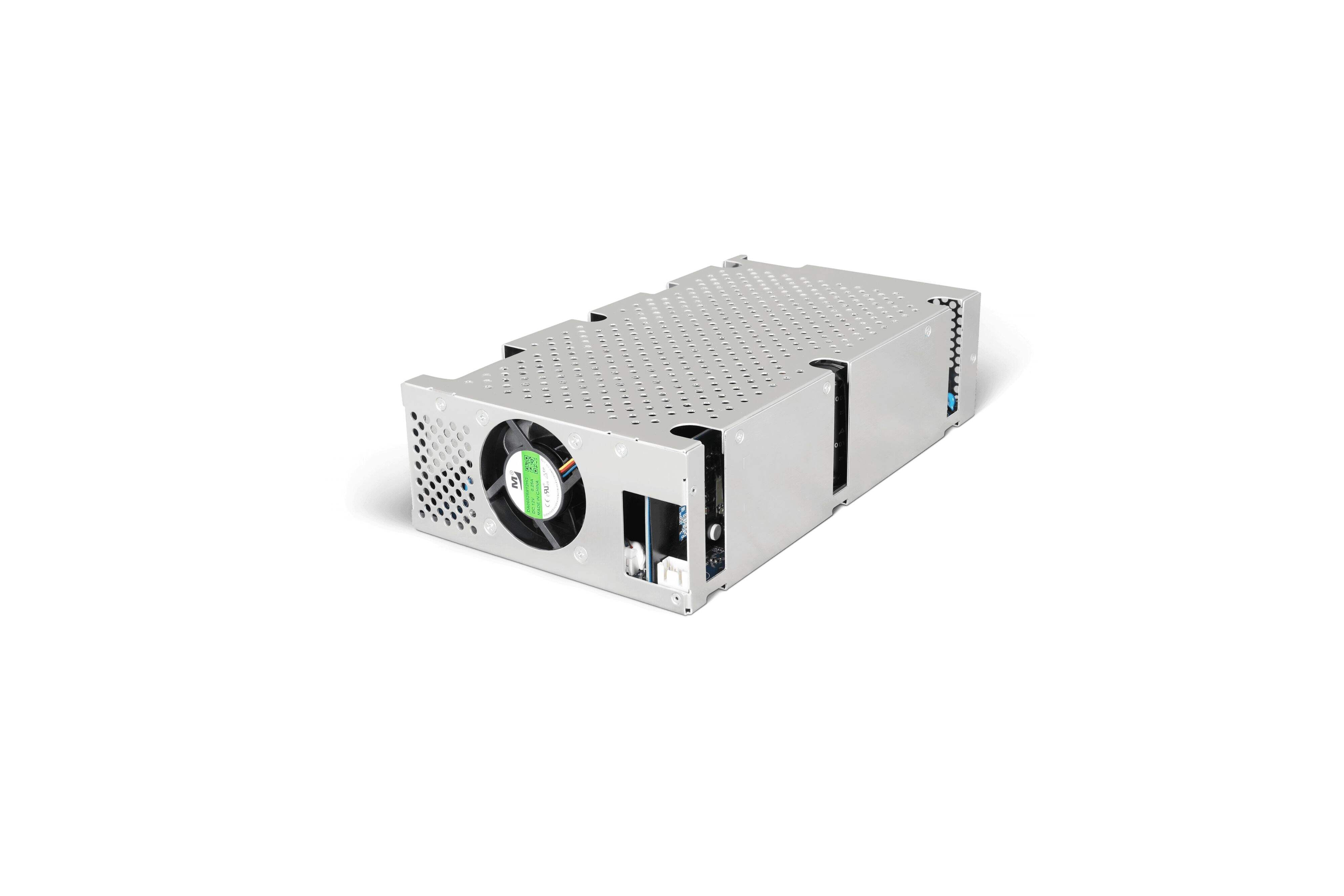
The working of bidirectional dc dc converters represents a sophisticated power electronics technology that enables energy flow in both directions between two DC voltage sources or systems. These advanced devices operate by converting electrical energy from one DC voltage level to another while maintaining the capability to reverse the power flow direction as needed. The fundamental working principle involves switching elements such as MOSFETs or IGBTs that are controlled by pulse width modulation signals to regulate energy transfer. During forward operation, the working of bidirectional dc dc converters steps up or steps down voltage levels similar to traditional unidirectional converters. However, their unique capability emerges when reverse operation is required, allowing energy to flow back to the source. This dual-mode functionality makes the working of bidirectional dc dc converters essential in modern energy systems. The main functions include voltage regulation, power flow control, electrical isolation when transformers are used, and energy management between different voltage domains. Technological features encompass high efficiency ratings typically exceeding 95 percent, fast dynamic response times, and sophisticated control algorithms that manage seamless transitions between operating modes. The working of bidirectional dc dc converters incorporates advanced feedback control systems that monitor voltage, current, and power parameters to ensure stable operation. Applications span across electric vehicles where battery charging and regenerative braking require bidirectional power flow, renewable energy systems for battery energy storage integration, uninterruptible power supplies, and grid-tied energy storage systems. Industrial applications include motor drives with regenerative capabilities and backup power systems for critical infrastructure.

 EN
EN