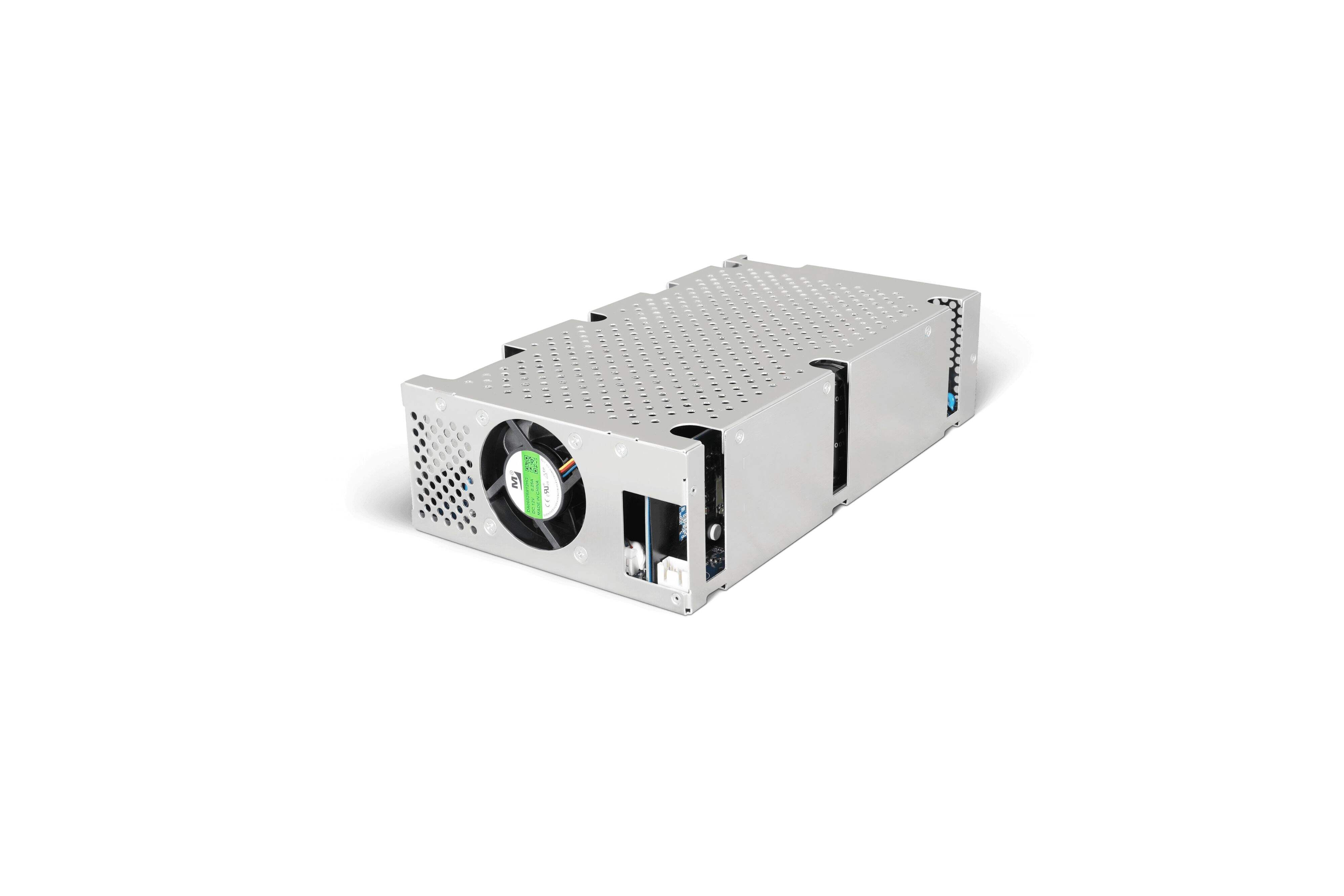
Seamless Bidirectional Operation and Control Integration
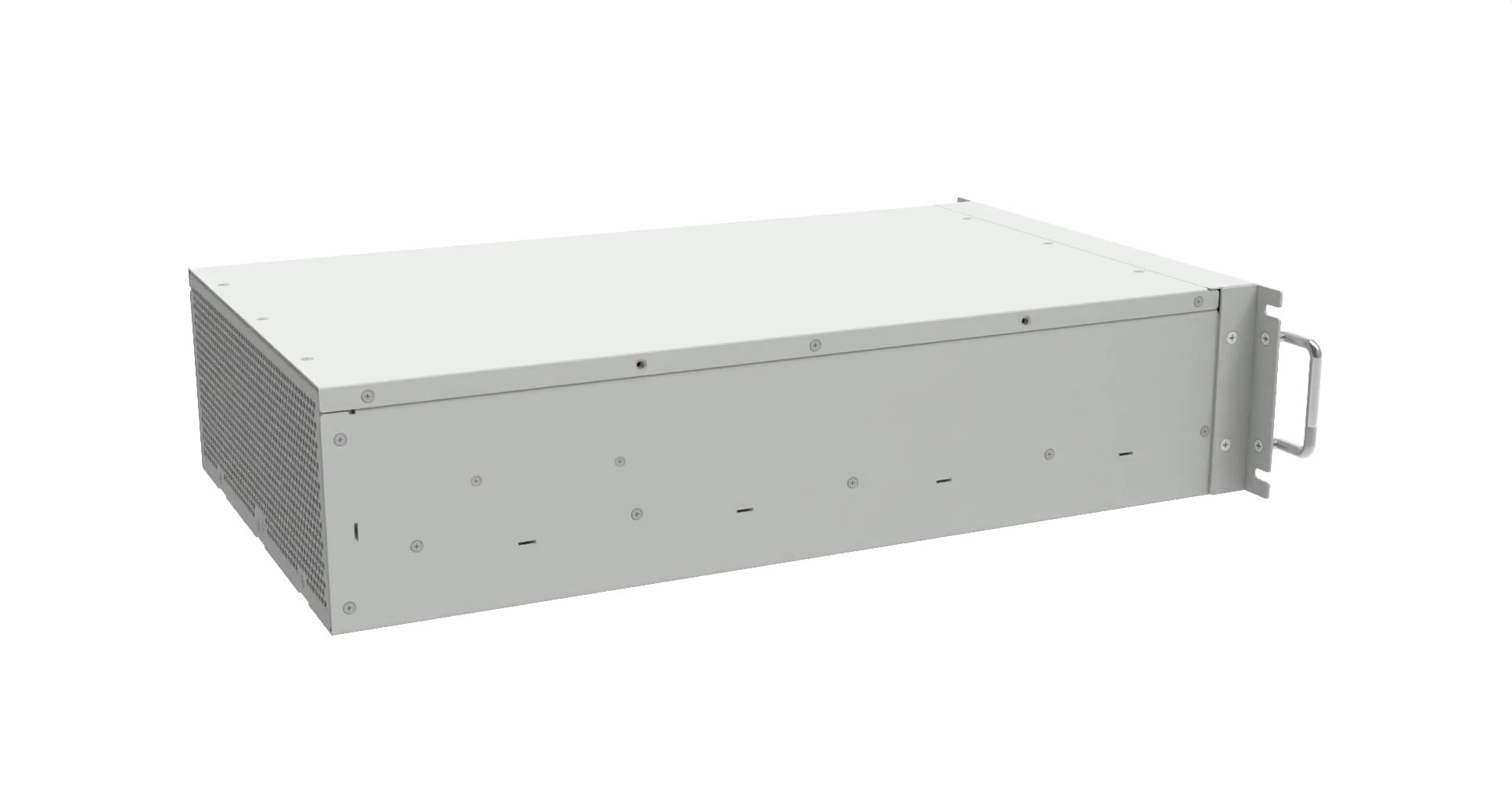
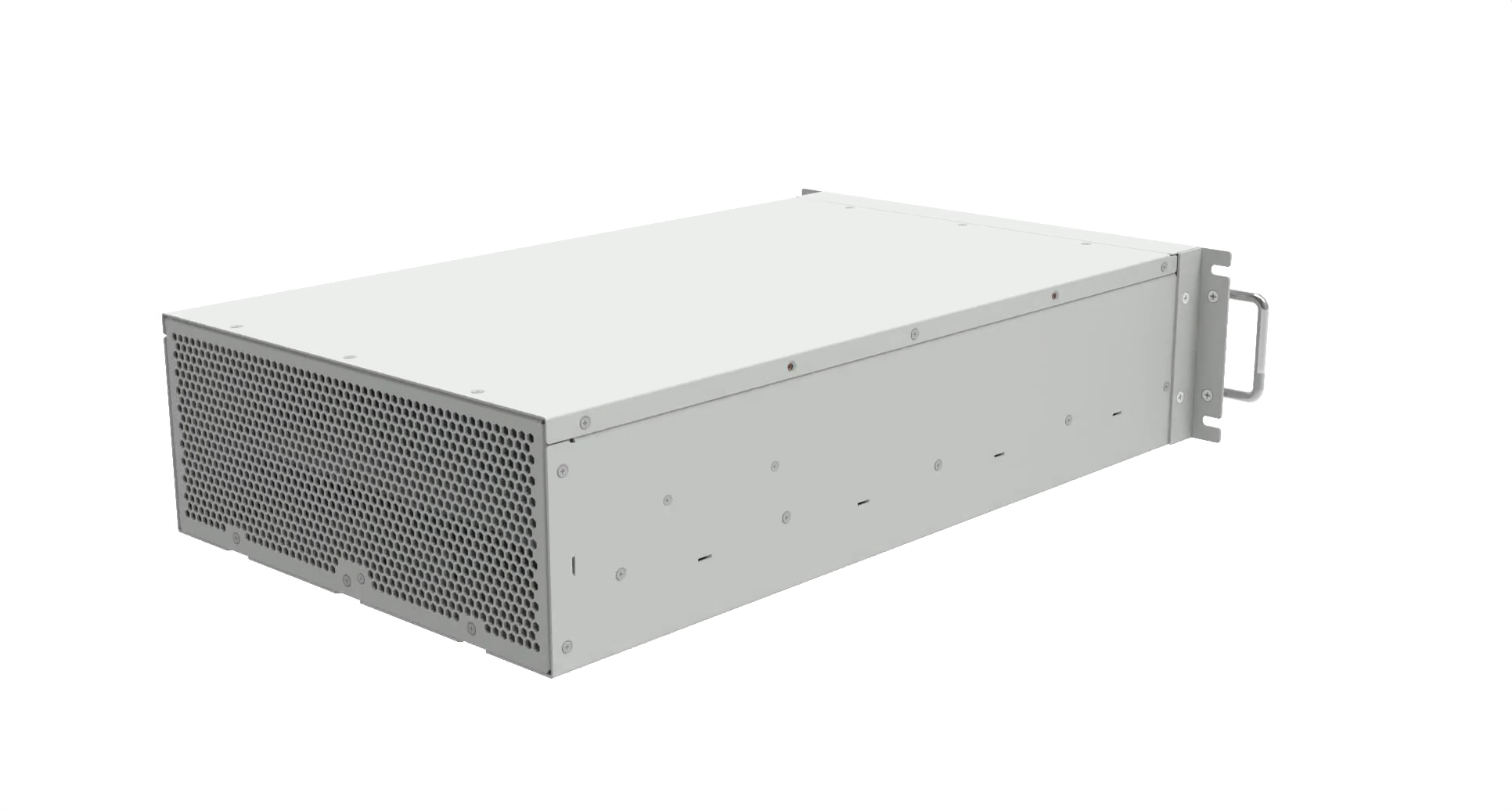
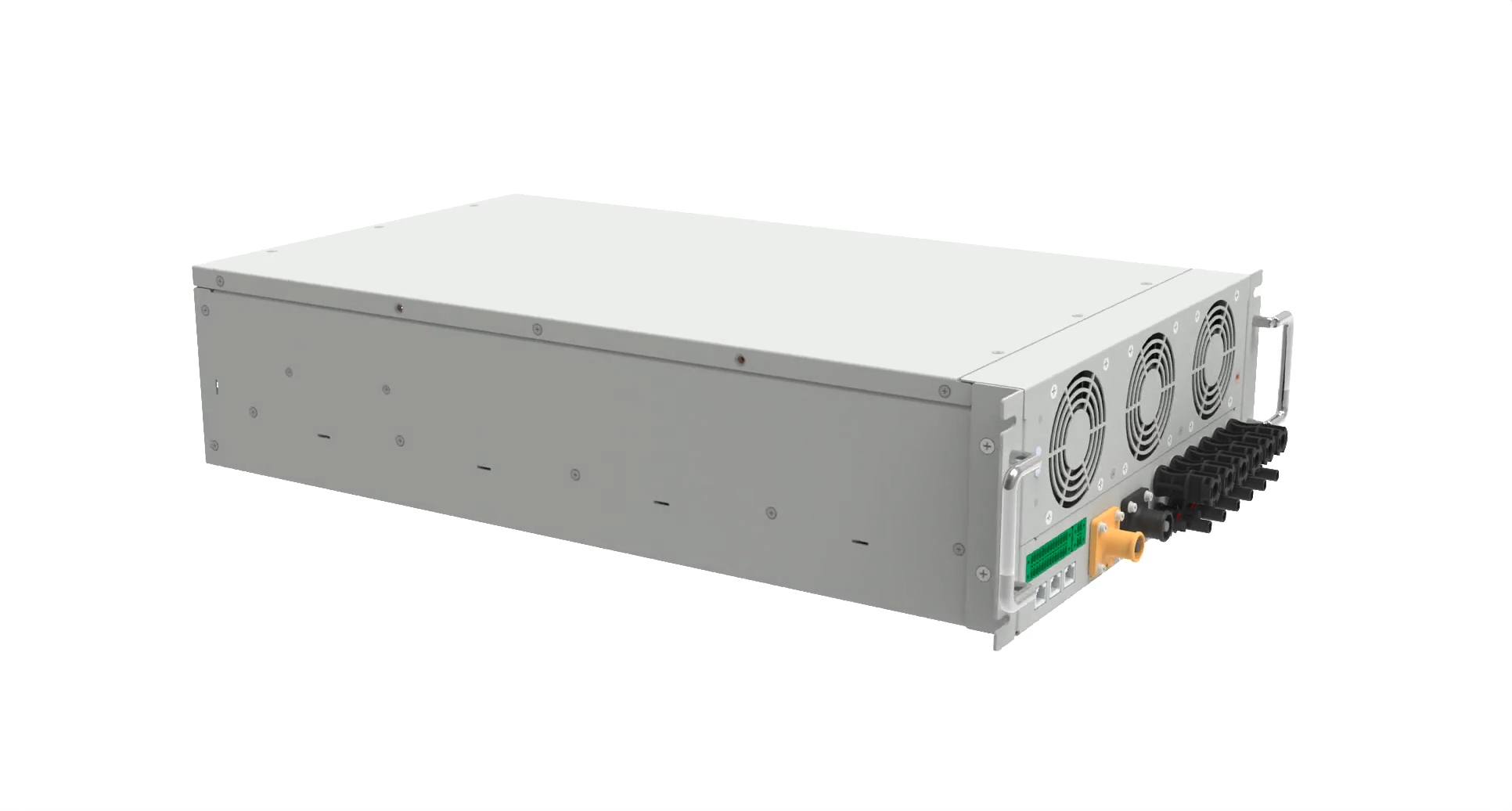
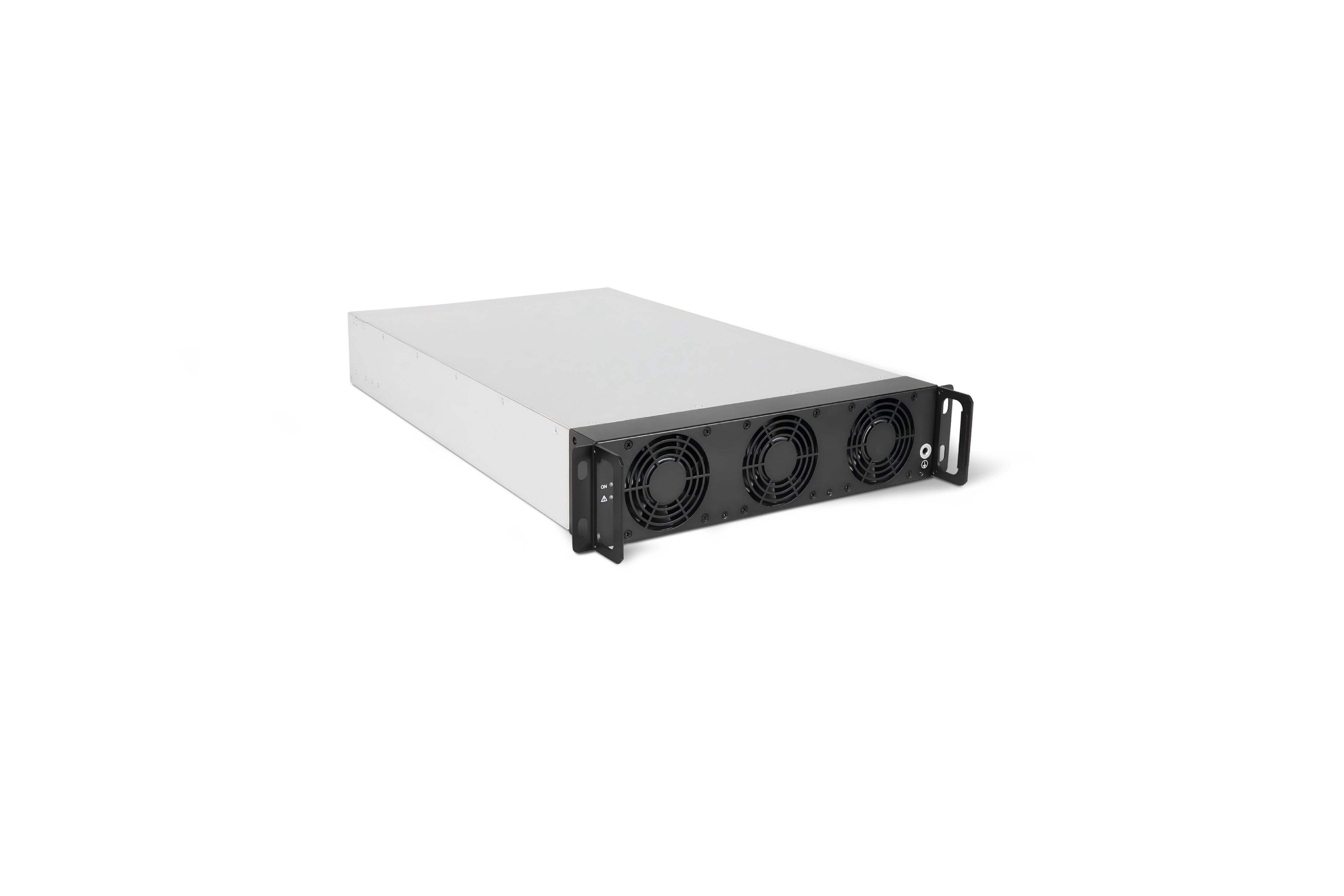
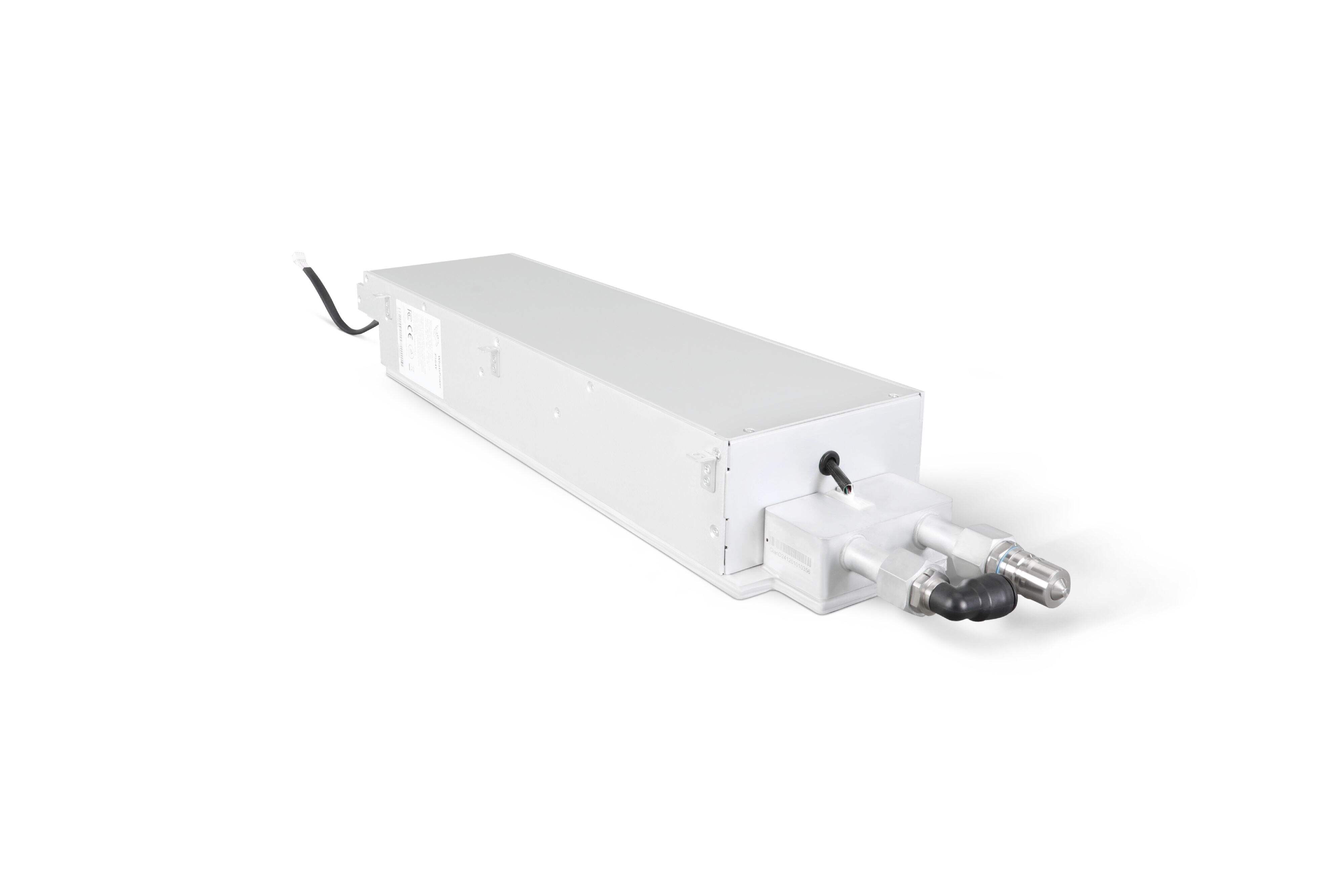
Bidirectional dc dc converter applications excel through their seamless bidirectional operation capabilities and advanced control integration features that revolutionize energy management across diverse applications. The sophisticated control systems enable smooth transitions between charging and discharging modes without interruption, ensuring continuous power availability and optimal energy utilization. This seamless operation relies on advanced switching control algorithms that detect power flow direction and automatically configure the converter topology accordingly, eliminating the need for manual intervention or external switching devices. The intelligent control integration encompasses comprehensive communication protocols, including CAN bus, Modbus, and Ethernet interfaces, enabling seamless integration with existing building management systems, vehicle control networks, and industrial automation platforms. Advanced digital signal processing capabilities provide real-time monitoring and control of critical parameters such as voltage, current, temperature, and efficiency, allowing operators to maintain optimal performance and quickly identify potential issues. The control system features sophisticated safety mechanisms, including overcurrent protection, overvoltage protection, and thermal shutdown capabilities that protect both the converter and connected equipment from damage. Programmable control algorithms allow users to customize operating characteristics for specific applications, including setting voltage limits, current thresholds, and efficiency optimization parameters. The integration capabilities extend to renewable energy management systems, where the converters can coordinate with solar inverters, wind turbines, and energy storage systems to maximize renewable energy utilization and grid stability. Remote monitoring and control capabilities enable operators to manage multiple converter installations from centralized control centers, reducing operational costs and improving system reliability. The control integration includes advanced fault diagnosis and recovery mechanisms that minimize downtime and ensure continuous operation even in challenging conditions.

 EN
EN