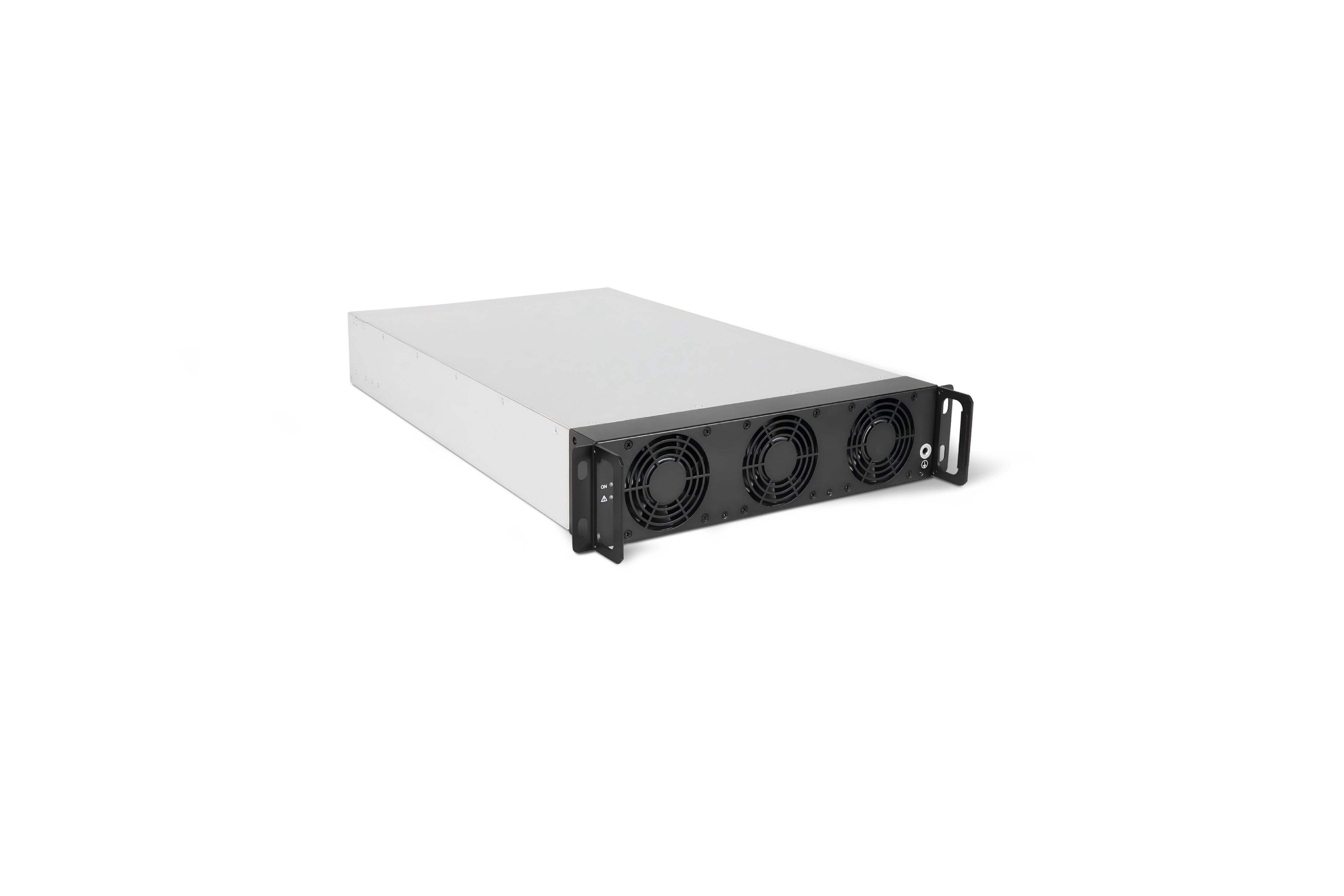
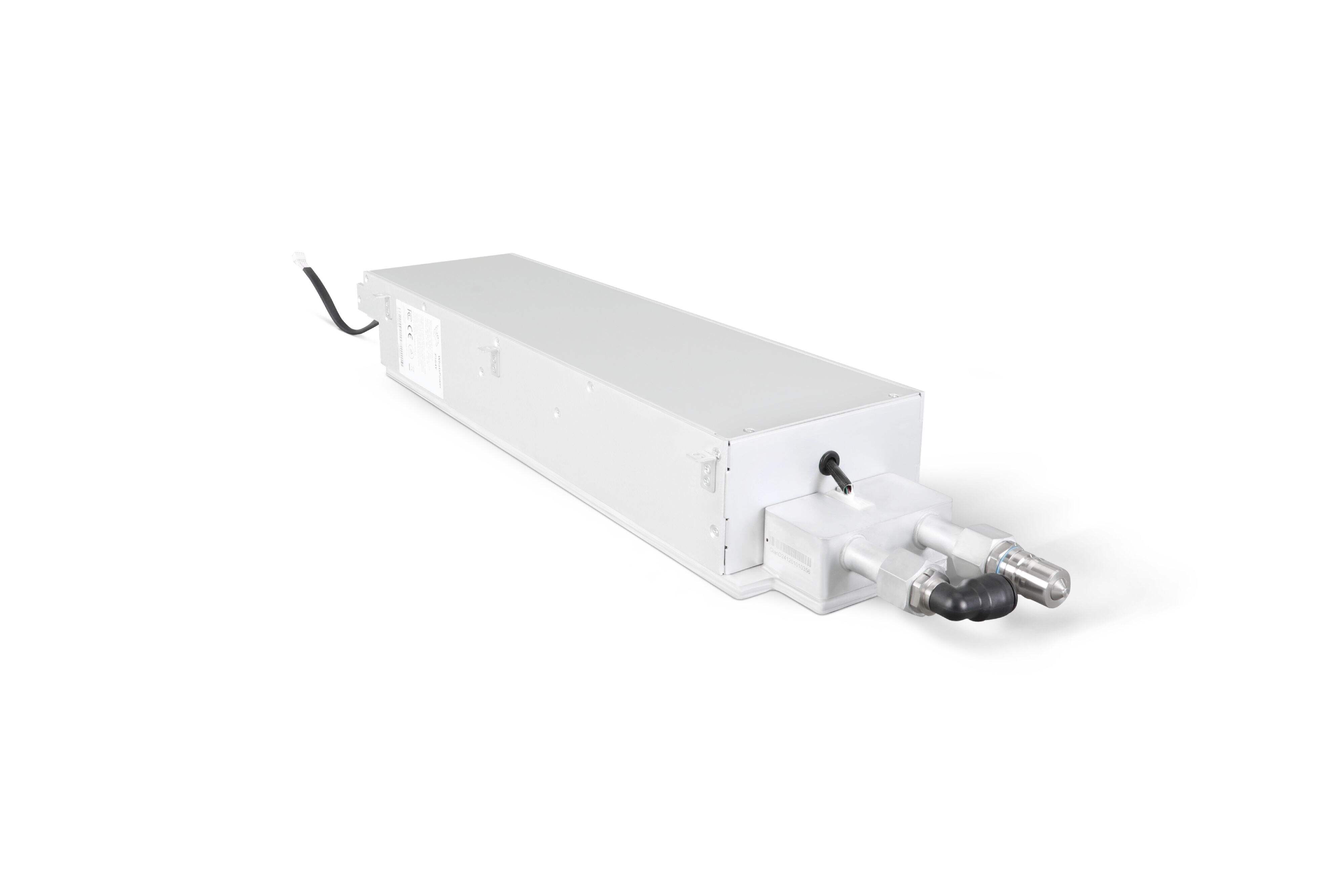
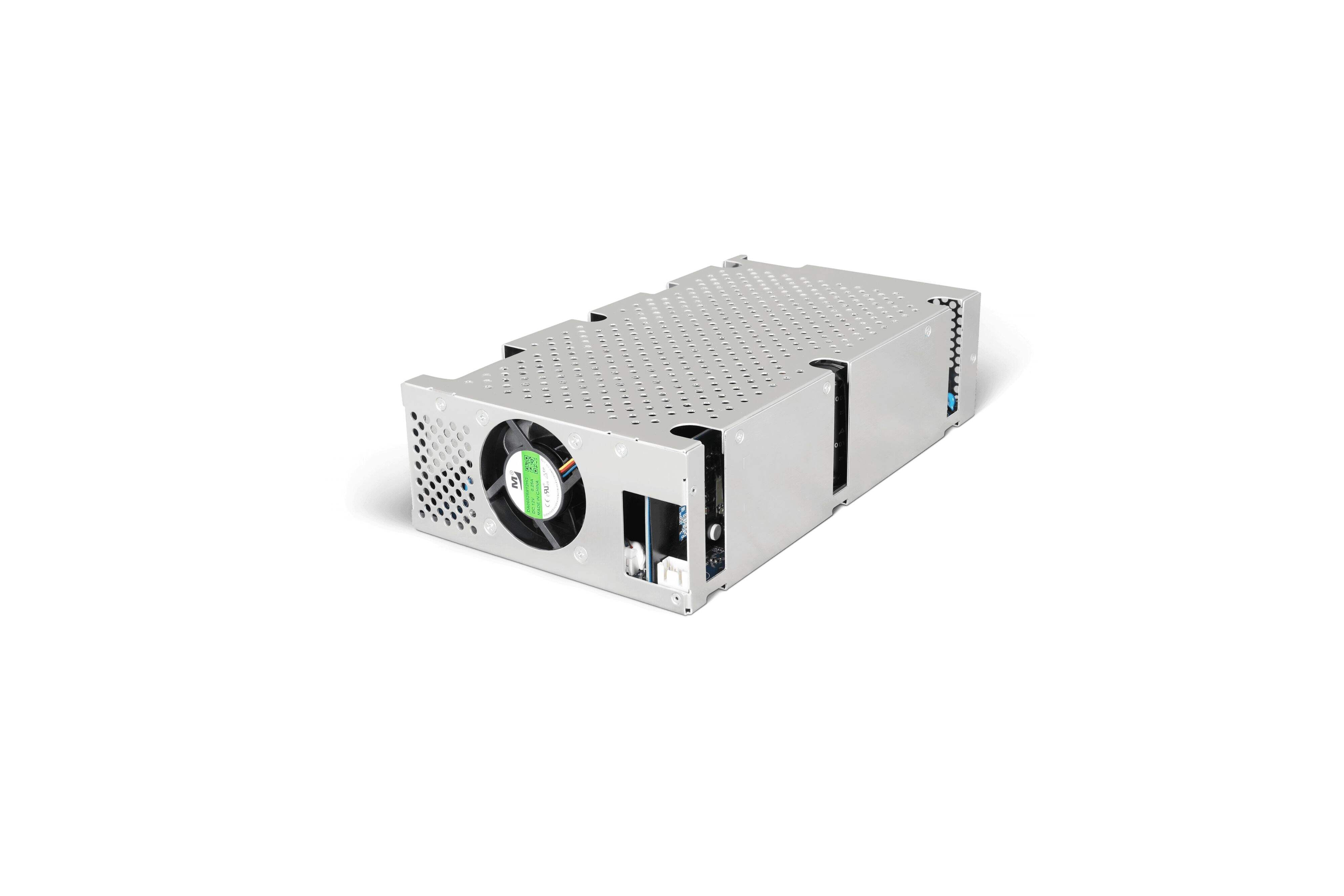
isolated bidirectional dc dc converter
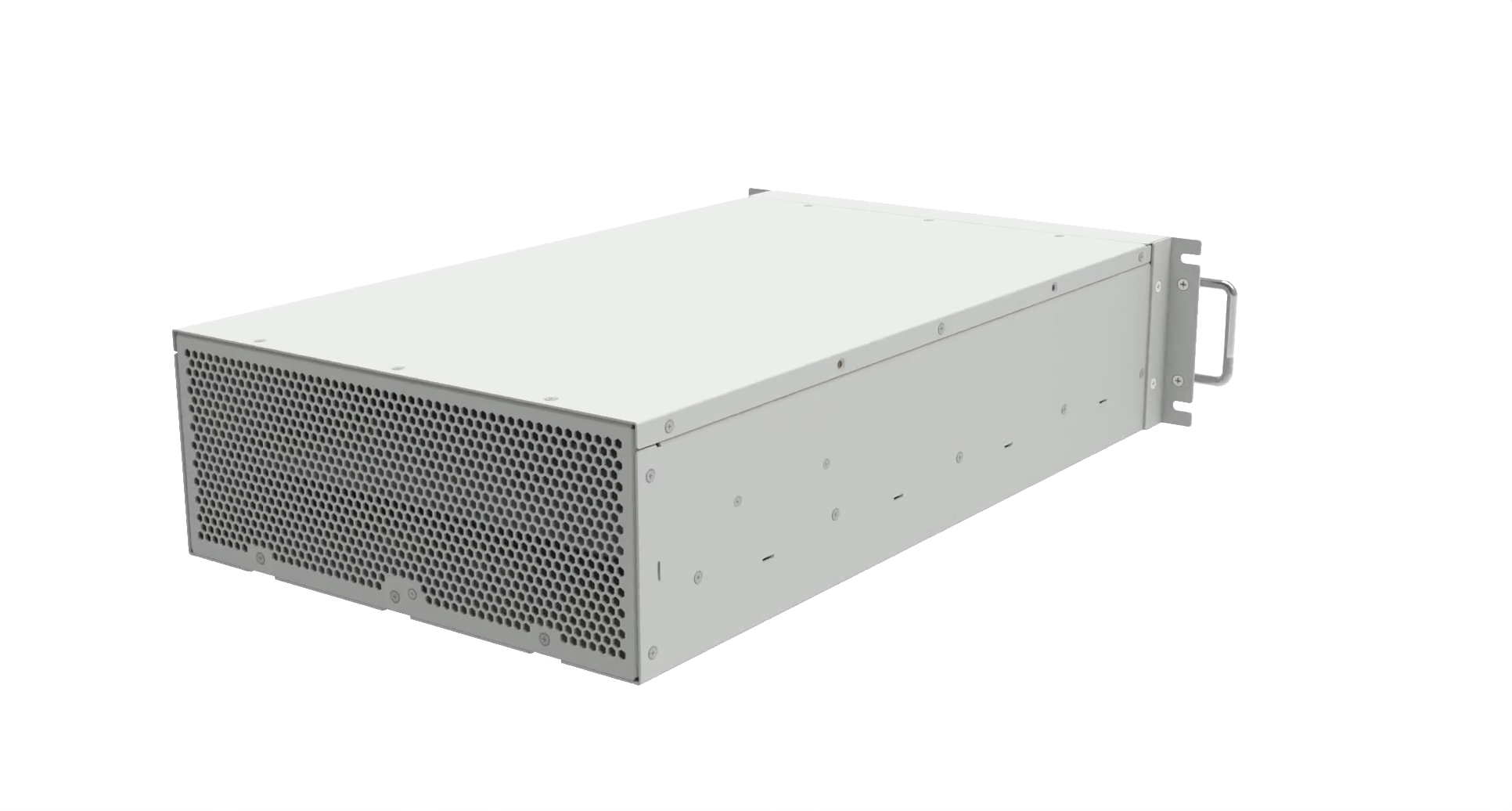
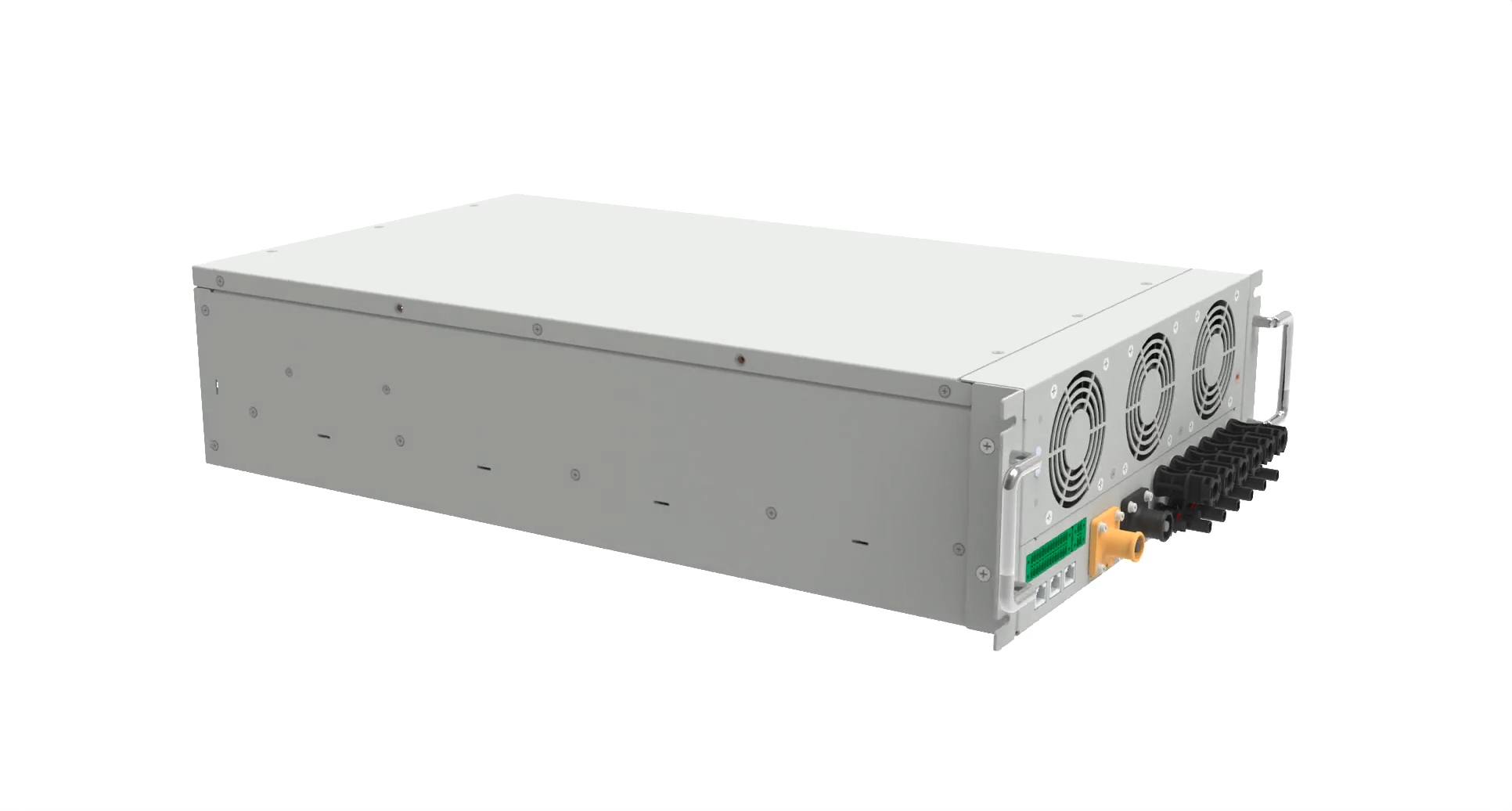
The isolated bidirectional dc dc converter represents a sophisticated power electronics device that enables efficient energy transfer between two DC voltage systems while maintaining electrical isolation. This advanced converter technology incorporates galvanic isolation through transformer coupling, ensuring complete electrical separation between input and output circuits. The primary function involves bidirectional power flow management, allowing energy to move seamlessly in either direction depending on system requirements and operational conditions. The isolated bidirectional dc dc converter utilizes high-frequency switching techniques combined with magnetic coupling to achieve both voltage transformation and electrical isolation simultaneously. Core technological features include advanced control algorithms that monitor voltage levels, current flow, and power demand to optimize conversion efficiency. The device employs sophisticated gate drivers, high-speed switching semiconductors, and precision feedback control systems to maintain stable operation across varying load conditions. Modern implementations incorporate digital signal processing capabilities that enable real-time parameter adjustment and fault detection mechanisms. Applications span numerous industries including renewable energy systems where the isolated bidirectional dc dc converter facilitates energy storage integration and grid connectivity. Electric vehicle charging infrastructure relies heavily on this technology for battery management and power distribution. Industrial automation systems utilize these converters for motor drives and process control applications. Telecommunications equipment depends on isolated bidirectional dc dc converter technology for backup power systems and distributed energy management. The converter's ability to handle both step-up and step-down voltage conversion while maintaining isolation makes it invaluable in medical equipment, aerospace applications, and renewable energy installations. Energy storage systems particularly benefit from bidirectional capability, enabling efficient charge and discharge cycles while protecting sensitive equipment through electrical isolation.

 EN
EN