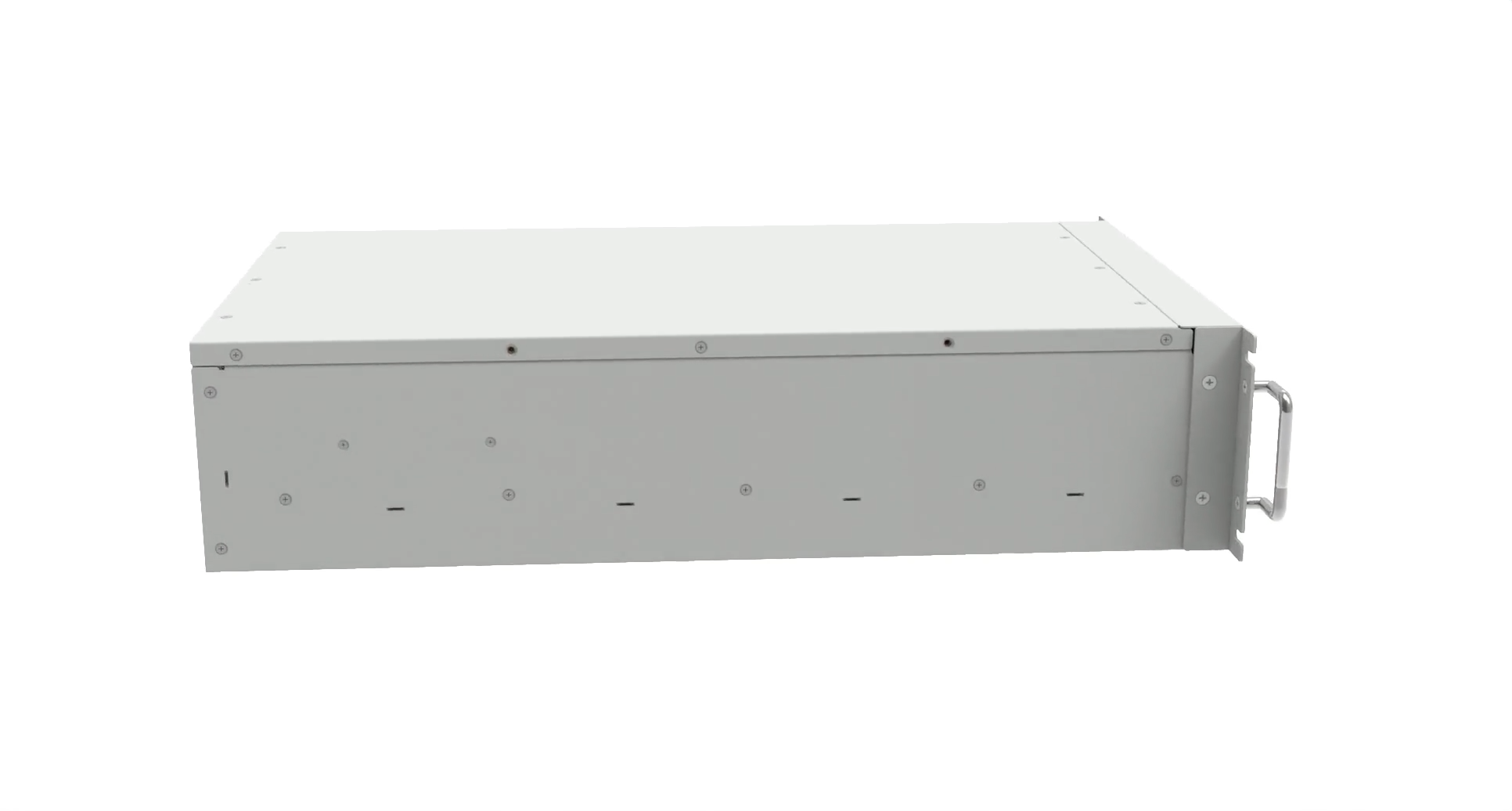
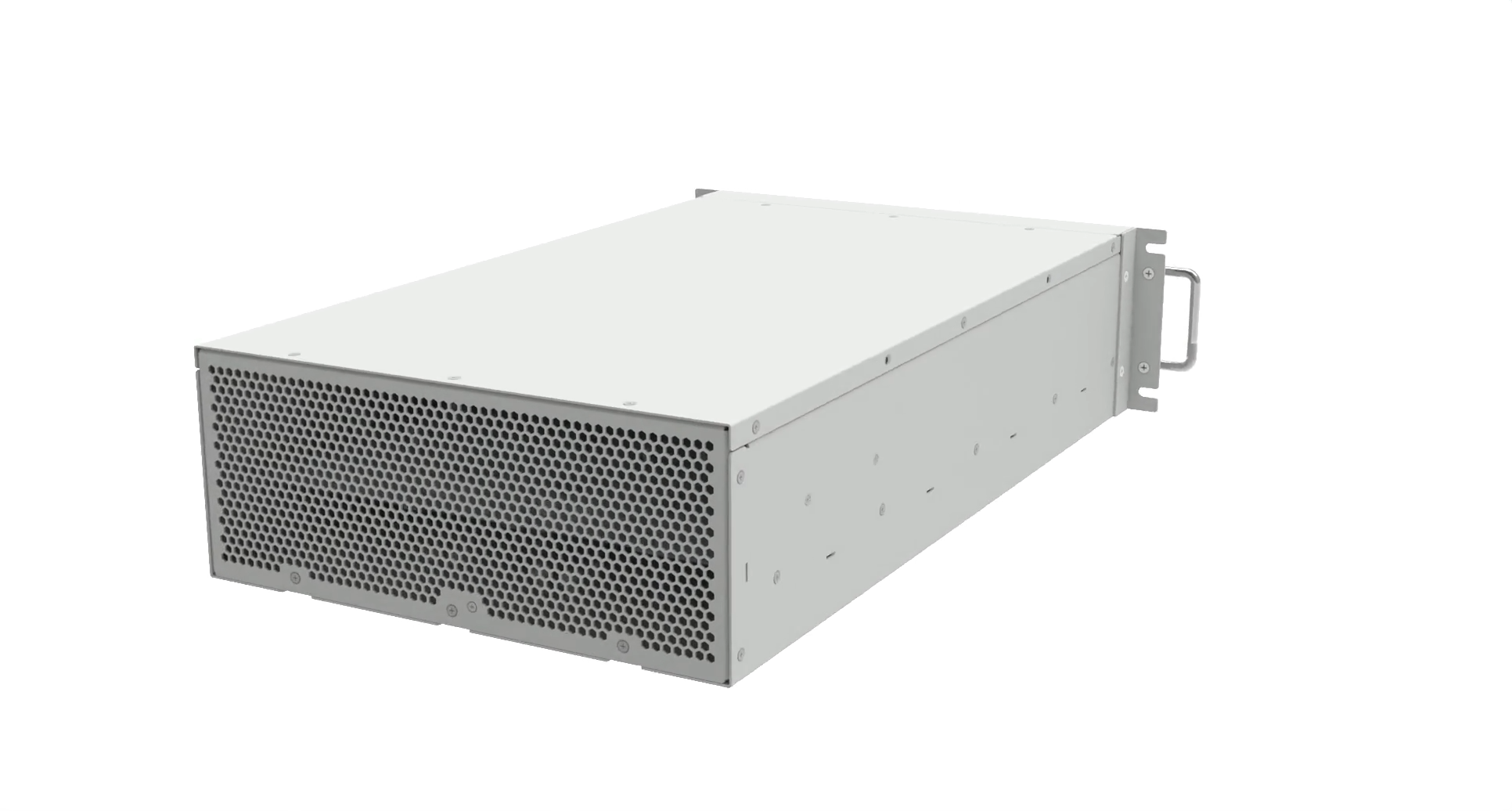
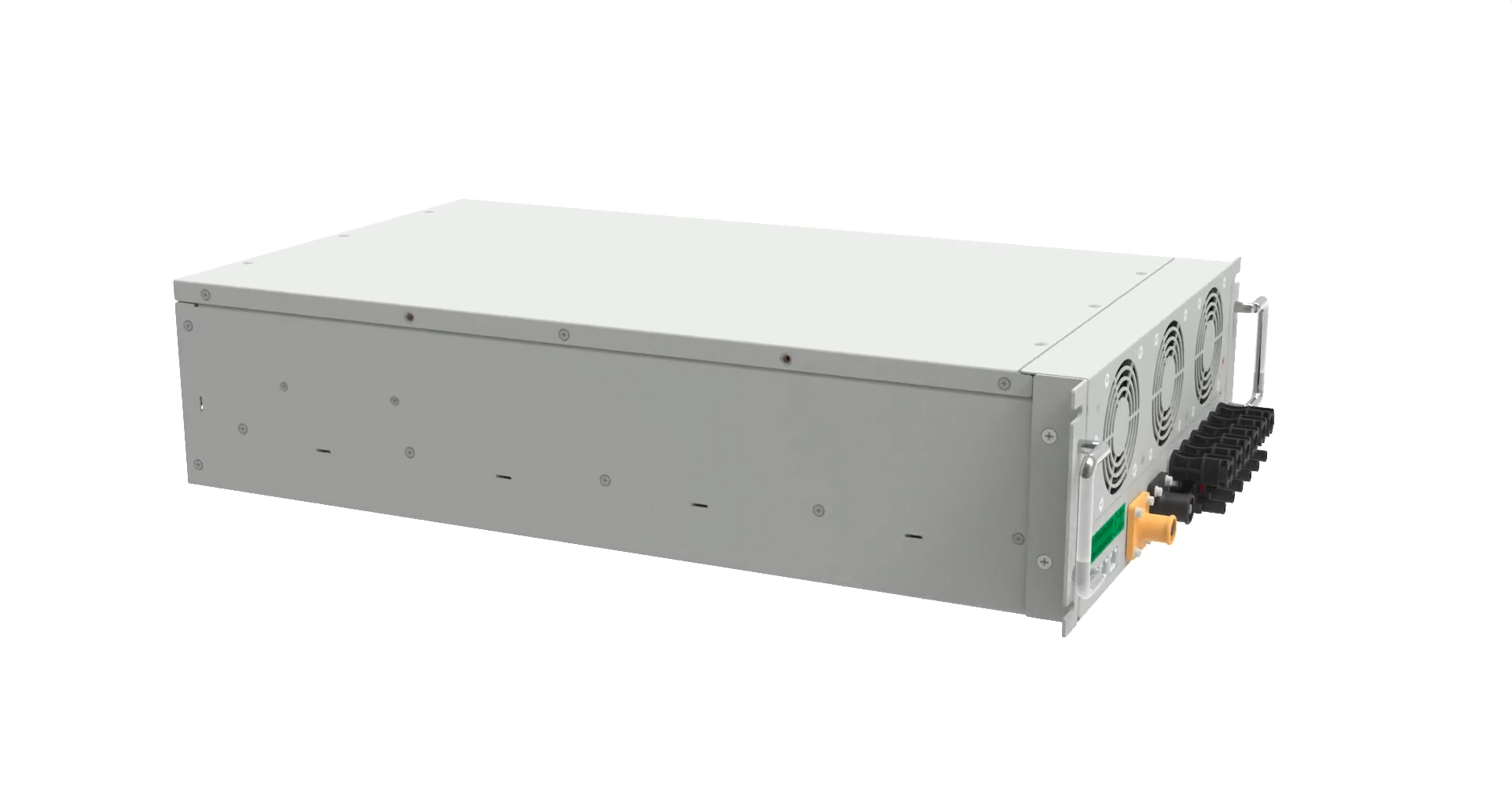
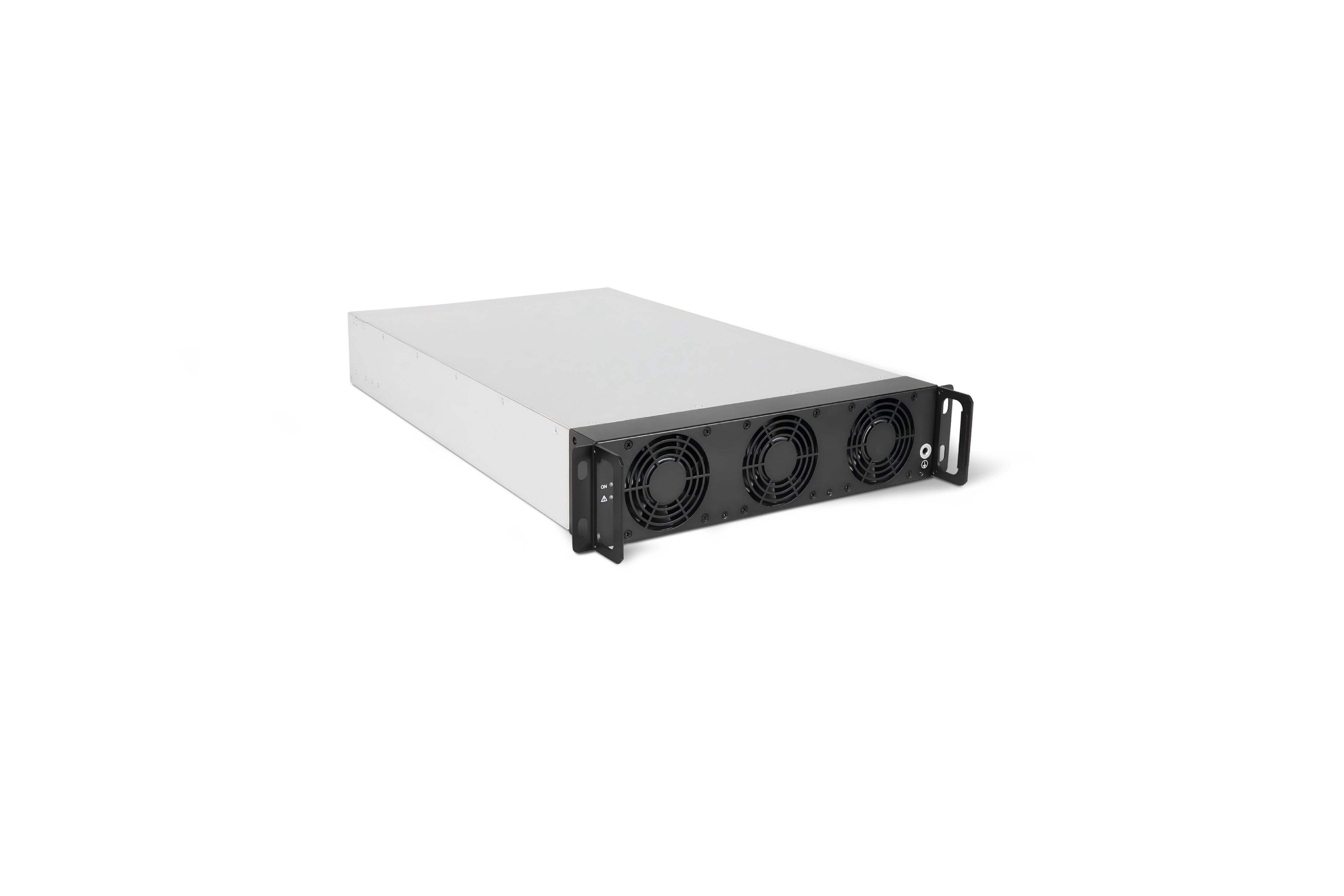
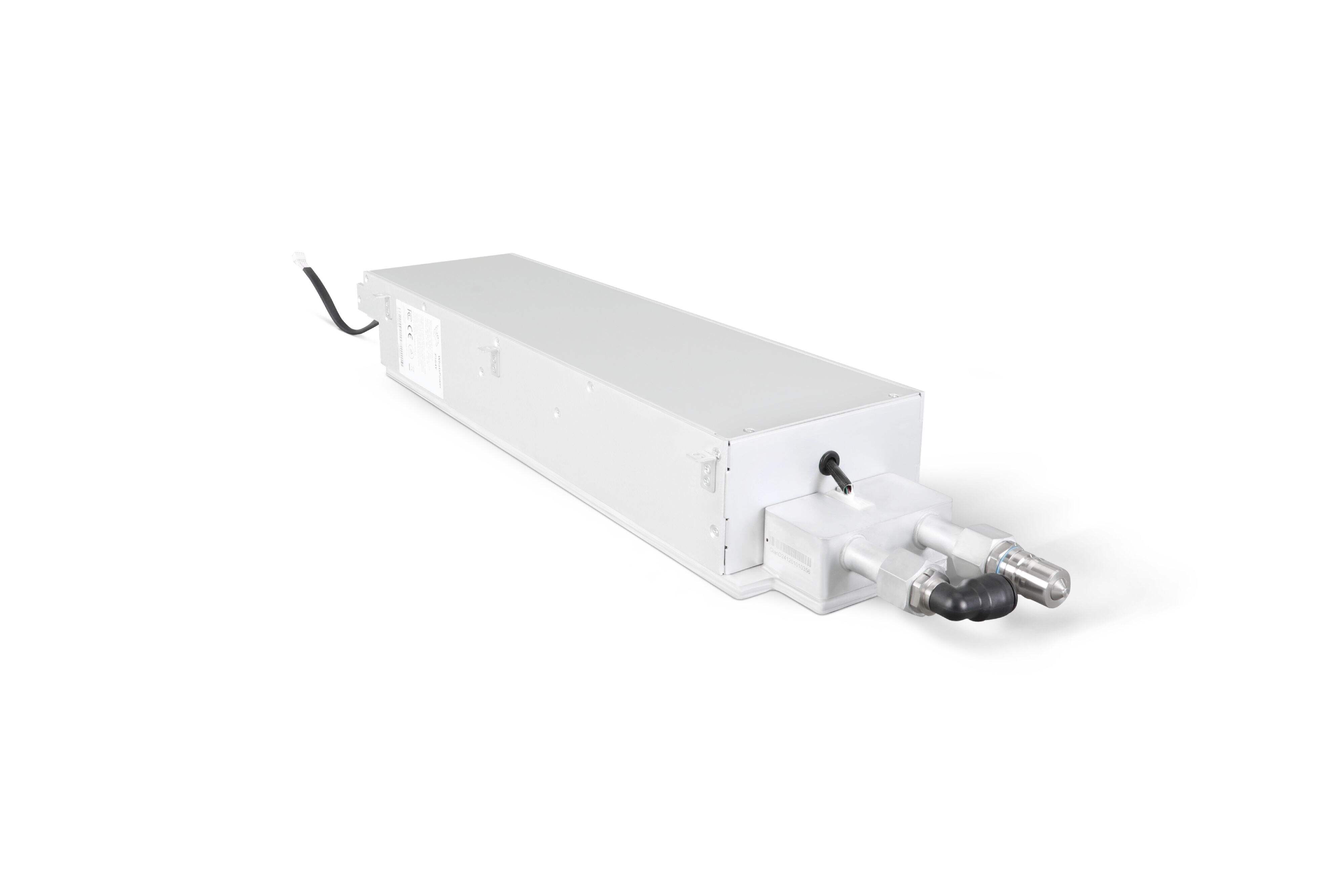
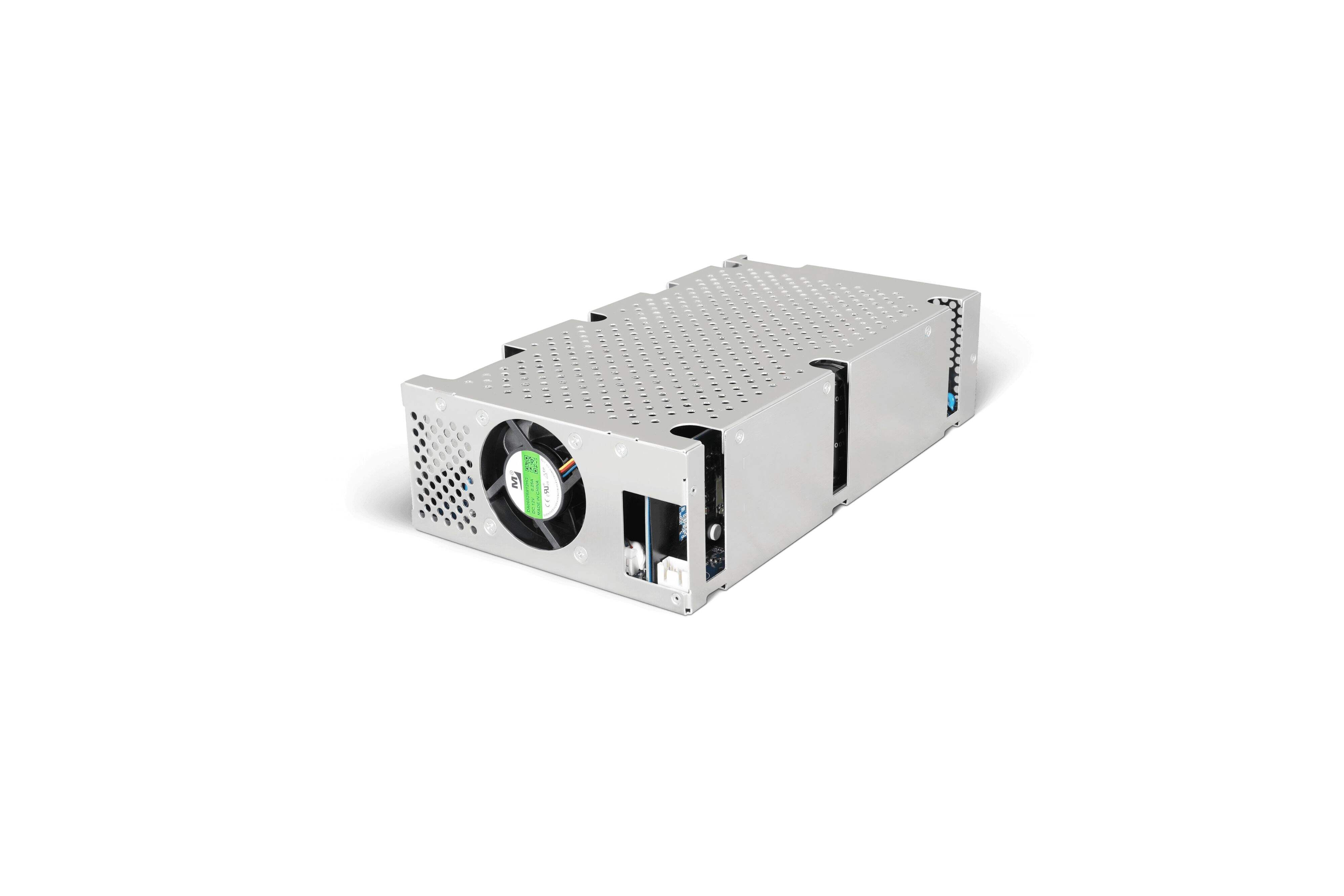
bidirectional dc converter
A bidirectional dc converter represents a sophisticated power electronic device that enables electricity to flow in both directions between two direct current systems or voltage levels. This innovative technology serves as a critical component in modern energy management systems, providing seamless power transfer capabilities that traditional unidirectional converters cannot achieve. The bidirectional dc converter operates by utilizing advanced switching techniques and control algorithms to regulate power flow direction, voltage levels, and current magnitudes based on system requirements and operational conditions. Its main functions encompass voltage step-up and step-down operations in both forward and reverse directions, making it an essential element for applications requiring dynamic energy exchange. The technological features of this converter include high-frequency switching circuits, intelligent control systems, and robust protection mechanisms that ensure safe and efficient operation under varying load conditions. These converters typically incorporate sophisticated feedback control loops that monitor system parameters and automatically adjust switching patterns to maintain optimal performance. The bidirectional dc converter finds extensive applications across numerous industries and sectors, including electric vehicle charging systems, renewable energy installations, energy storage systems, uninterruptible power supplies, and grid-connected applications. In electric vehicles, these converters manage power flow between batteries and motors during acceleration and regenerative braking processes. For renewable energy systems, they facilitate efficient energy transfer between solar panels or wind turbines and battery storage systems while enabling grid interaction capabilities. The versatility of bidirectional dc converter technology makes it particularly valuable for applications requiring energy recovery, load balancing, and flexible power management solutions that enhance overall system efficiency and reliability.

 EN
EN