Bidirectional DC DC Converter Working: Advanced Power Management Solutions for Modern Energy Systems

All Categories

Get a Free Quote

Our representative will contact you soon.
Email
Name
Company Name
Message
0/1000

bidirectional dc dc converter working

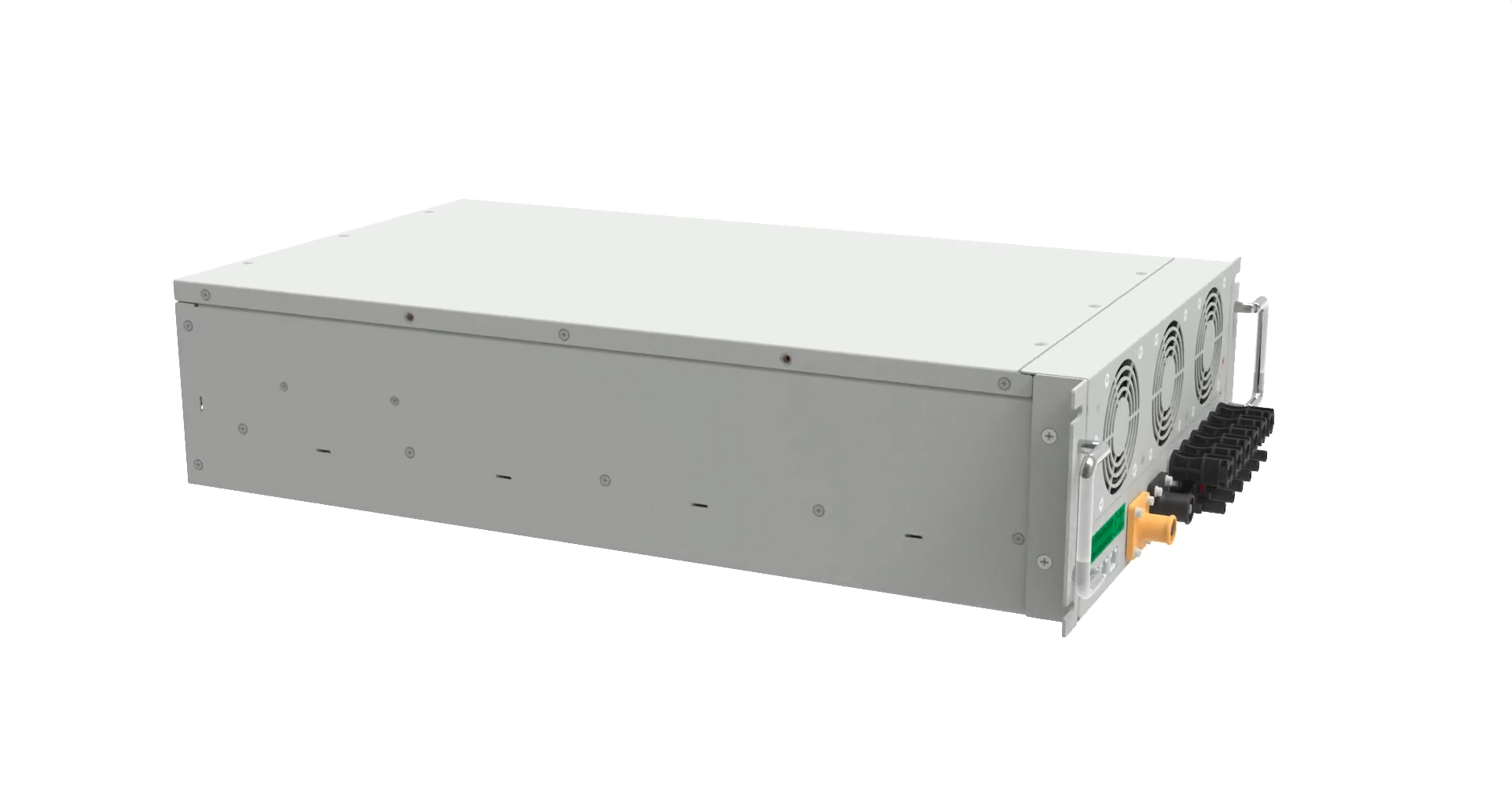
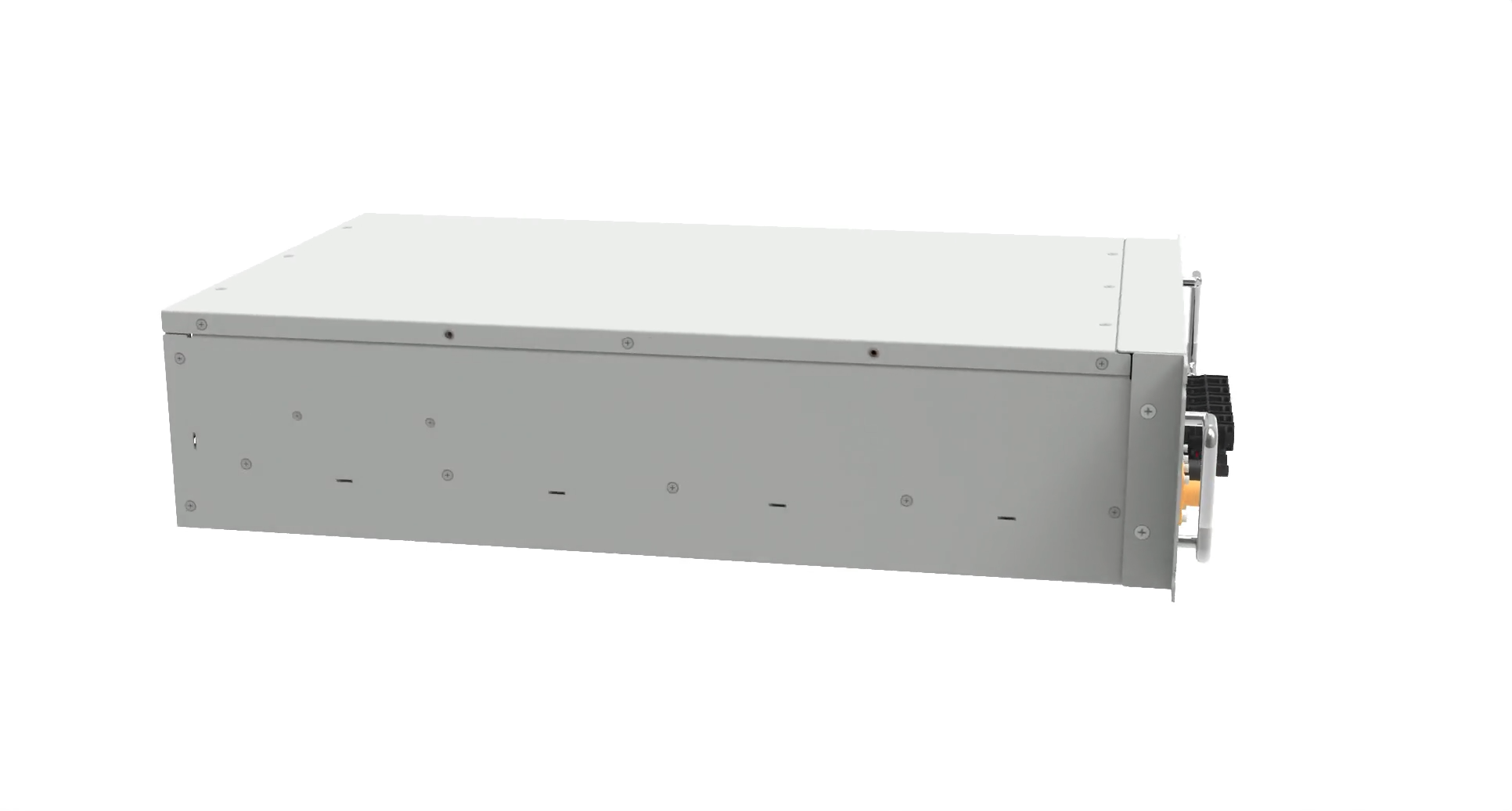
The bidirectional dc dc converter working mechanism represents a revolutionary advancement in power electronics that enables seamless energy transfer in both directions between two DC voltage sources. This sophisticated device operates by utilizing advanced switching technology and intelligent control systems to manage power flow efficiently regardless of the direction. The bidirectional dc dc converter working principle involves high-frequency switching elements, typically MOSFETs or IGBTs, that alternate between conducting and blocking states to regulate voltage and current flow. The main functions of this technology include voltage step-up and step-down conversion, energy storage management, and power flow control between different voltage domains. The bidirectional dc dc converter working process incorporates pulse-width modulation techniques to achieve precise control over output parameters while maintaining high efficiency levels throughout operation. Key technological features include galvanic isolation capabilities, soft-switching techniques for reduced electromagnetic interference, and advanced feedback control systems that ensure stable operation under varying load conditions. The converter's design typically features symmetric circuit topology that allows identical performance characteristics in both forward and reverse power flow directions. Modern implementations integrate digital signal processors that enable real-time monitoring and adjustment of conversion parameters. The bidirectional dc dc converter working methodology supports various control strategies including constant voltage, constant current, and constant power modes depending on application requirements. Applications span across renewable energy systems where solar panels and wind turbines require bidirectional power management, electric vehicle charging infrastructure that demands both charging and vehicle-to-grid capabilities, energy storage systems including battery banks and supercapacitors, uninterruptible power supplies for critical infrastructure, and grid-tied inverter systems that facilitate distributed energy resources integration. Industrial applications include motor drives, welding equipment, and backup power systems that benefit from the bidirectional dc dc converter working flexibility and efficiency.

New Products

The bidirectional dc dc converter working delivers exceptional energy efficiency that translates directly into reduced operational costs for users. This technology achieves efficiency ratings typically exceeding 95 percent, which means minimal energy waste during conversion processes. The high efficiency stems from advanced switching techniques and optimized circuit designs that minimize conduction and switching losses. Users experience significant cost savings through reduced electricity consumption and lower heat generation that decreases cooling requirements. The bidirectional dc dc converter working provides unmatched flexibility by supporting multiple operational modes within a single device. This versatility eliminates the need for separate unidirectional converters, reducing system complexity and installation costs. The space-saving design benefits are particularly valuable in applications where physical constraints limit equipment placement. The bidirectional dc dc converter working enables seamless integration with renewable energy sources and energy storage systems. This capability allows users to maximize their investment in solar panels, wind turbines, and battery storage by optimizing power flow management. The technology supports peak shaving strategies that reduce demand charges and enable participation in grid services programs. Maintenance requirements are significantly reduced due to the bidirectional dc dc converter working robust design and advanced protection features. Built-in diagnostics continuously monitor system health and provide early warning of potential issues. The solid-state construction eliminates mechanical wear components, resulting in extended operational life and reduced downtime. The bidirectional dc dc converter working offers superior power quality with minimal harmonic distortion and excellent voltage regulation. This clean power output protects sensitive electronic equipment and improves overall system reliability. The fast dynamic response capability ensures stable operation during sudden load changes or grid disturbances. Economic benefits extend beyond initial cost savings to include increased asset utilization and revenue generation opportunities. Users can participate in demand response programs, sell excess energy back to the grid, and optimize energy arbitrage strategies. The bidirectional dc dc converter working supports future expansion and technology upgrades without requiring complete system replacement. Installation and commissioning processes are streamlined through standardized interfaces and comprehensive documentation. The bidirectional dc dc converter working reduces environmental impact through improved energy efficiency and support for clean energy technologies.

Tips And Tricks

A Power Station That Doesn’t Generate Electricity — Yet Moves 120 Million kWh a Year

18

Dec

A Power Station That Doesn’t Generate Electricity — Yet Moves 120 Million kWh a Year

View More
BOCO Electronics Brings Hengyang Intelligent Manufacturing Base Online, Expanding Annual Production Beyond One Million Units

18

Dec

BOCO Electronics Brings Hengyang Intelligent Manufacturing Base Online, Expanding Annual Production Beyond One Million Units

View More
BOCO Electronics Demonstrates System-Level Power Conversion Innovation at SNEC 2025

18

Dec

BOCO Electronics Demonstrates System-Level Power Conversion Innovation at SNEC 2025

View More

Get a Free Quote

Our representative will contact you soon.
Email
Name
Company Name
Message
0/1000

bidirectional dc dc converter working

Advanced Power Flow Control Technology

Advanced Power Flow Control Technology

The bidirectional dc dc converter working incorporates cutting-edge power flow control technology that revolutionizes energy management across diverse applications. This sophisticated control system enables precise regulation of power transfer between different voltage domains while maintaining optimal efficiency throughout the entire operating range. The advanced control algorithms continuously monitor input and output parameters, automatically adjusting switching patterns to maintain stable operation under varying load conditions. The bidirectional dc dc converter working utilizes state-of-the-art digital signal processing capabilities that provide millisecond response times to dynamic changes in power demand. This rapid response capability ensures seamless transitions between charging and discharging modes without interrupting connected loads or causing system instability. The technology incorporates multiple control loops that independently manage voltage, current, and power flow parameters, providing users with exceptional flexibility in defining operational parameters. The bidirectional dc dc converter working features advanced protection mechanisms including overcurrent protection, overvoltage protection, thermal management, and fault detection systems that automatically isolate the converter during abnormal operating conditions. These comprehensive protection features safeguard both the converter and connected equipment, significantly reducing the risk of damage and extending system lifespan. The intelligent control system includes built-in diagnostics that continuously evaluate component health and performance metrics, providing users with valuable insights into system operation and maintenance requirements. The bidirectional dc dc converter working supports multiple communication protocols including Modbus, CAN bus, and Ethernet connectivity that enable remote monitoring and control capabilities. This connectivity allows integration with existing building management systems and energy management platforms, providing users with centralized control over their power infrastructure. The advanced control technology enables sophisticated energy optimization strategies including load balancing, peak shaving, and demand response participation that can significantly reduce energy costs and improve grid stability. The bidirectional dc dc converter working incorporates machine learning algorithms that adapt to usage patterns and optimize performance based on historical data and predictive analytics.
Exceptional Efficiency and Reliability Performance

Exceptional Efficiency and Reliability Performance

The bidirectional dc dc converter working delivers industry-leading efficiency performance that sets new standards for power conversion technology. The converter achieves peak efficiency ratings exceeding 97 percent through innovative circuit topologies and advanced semiconductor technologies that minimize power losses during conversion processes. This exceptional efficiency translates directly into reduced operating costs, lower heat generation, and improved system reliability for end users. The bidirectional dc dc converter working incorporates wide bandgap semiconductors including silicon carbide and gallium nitride devices that enable higher switching frequencies and reduced conduction losses compared to traditional silicon-based converters. These advanced semiconductor materials allow the converter to operate at elevated temperatures while maintaining performance specifications, reducing cooling requirements and enabling more compact designs. The reliability performance of the bidirectional dc dc converter working is enhanced through rigorous design practices including derating of critical components, comprehensive thermal management systems, and extensive testing protocols that validate operation under extreme environmental conditions. The converter features redundant control systems and fail-safe mechanisms that ensure continued operation even during component failures, providing users with exceptional system availability and reduced downtime risks. The bidirectional dc dc converter working utilizes advanced magnetic components with optimized core materials and winding techniques that minimize losses and improve power density. The magnetic design incorporates thermal modeling and stress analysis to ensure long-term reliability under continuous operation. The converter's modular architecture enables easy maintenance and component replacement without requiring complete system shutdown, reducing maintenance costs and improving overall system availability. Quality assurance processes include extensive factory testing, burn-in procedures, and statistical quality control measures that ensure consistent performance across all manufactured units. The bidirectional dc dc converter working undergoes comprehensive environmental testing including temperature cycling, humidity exposure, vibration testing, and electromagnetic compatibility verification to ensure reliable operation in challenging industrial environments. The warranty and support programs provide users with comprehensive coverage and technical assistance throughout the product lifecycle, giving customers confidence in their investment and ensuring optimal system performance over many years of operation.
Versatile Application Integration Capabilities

Versatile Application Integration Capabilities

The bidirectional dc dc converter working excels in versatile application integration capabilities that make it suitable for an extensive range of industrial, commercial, and residential power management scenarios. This adaptability stems from flexible input and output voltage ranges, configurable power ratings, and comprehensive interface options that accommodate diverse system requirements. The bidirectional dc dc converter working seamlessly integrates with renewable energy installations including solar photovoltaic arrays, wind turbines, and hydroelectric generators, enabling optimal energy harvest and storage management. The converter's ability to handle variable input conditions and provide stable output power makes it ideal for renewable energy applications where environmental conditions constantly change. Energy storage integration represents another key strength of the bidirectional dc dc converter working, supporting various battery technologies including lithium-ion, lead-acid, flow batteries, and emerging storage technologies. The converter's sophisticated charging algorithms extend battery life by implementing optimal charging profiles that consider battery chemistry, temperature, and aging characteristics. The bidirectional dc dc converter working facilitates grid integration through advanced grid-tie capabilities that enable distributed energy resources to participate in grid services including frequency regulation, voltage support, and peak demand management. Electric vehicle charging applications benefit significantly from the bidirectional dc dc converter working capabilities, supporting both traditional charging scenarios and emerging vehicle-to-grid technologies that allow electric vehicles to provide energy back to the electrical grid during peak demand periods. The converter's fast charging capabilities and comprehensive safety features make it suitable for commercial and residential EV charging infrastructure. Industrial applications leverage the bidirectional dc dc converter working for motor drives, welding equipment, electroplating systems, and materials processing applications that require precise power control and high reliability. The converter's ability to provide both step-up and step-down voltage conversion within a single device simplifies system design and reduces component count. Telecommunications and data center applications utilize the bidirectional dc dc converter working for backup power systems that require seamless transitions between grid power and battery backup during outages. The converter's high efficiency and low electromagnetic interference characteristics make it suitable for sensitive electronic environments. The bidirectional dc dc converter working supports emerging applications including microgrids, energy arbitrage systems, and demand response programs that require sophisticated power management capabilities and real-time control responsiveness.


Get a Free Quote

Our representative will contact you soon.
Email
Name
Company Name
Message
0/1000