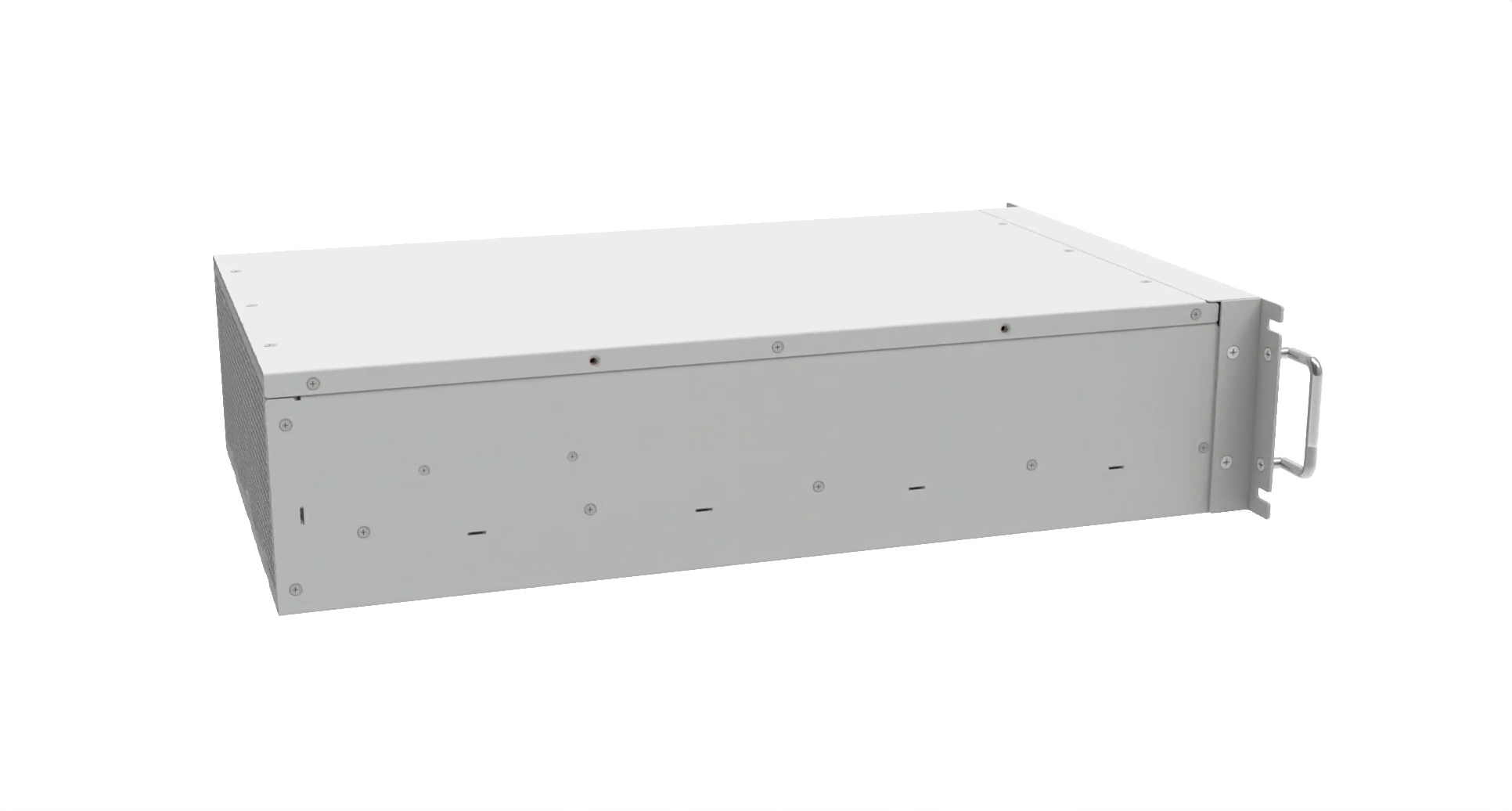
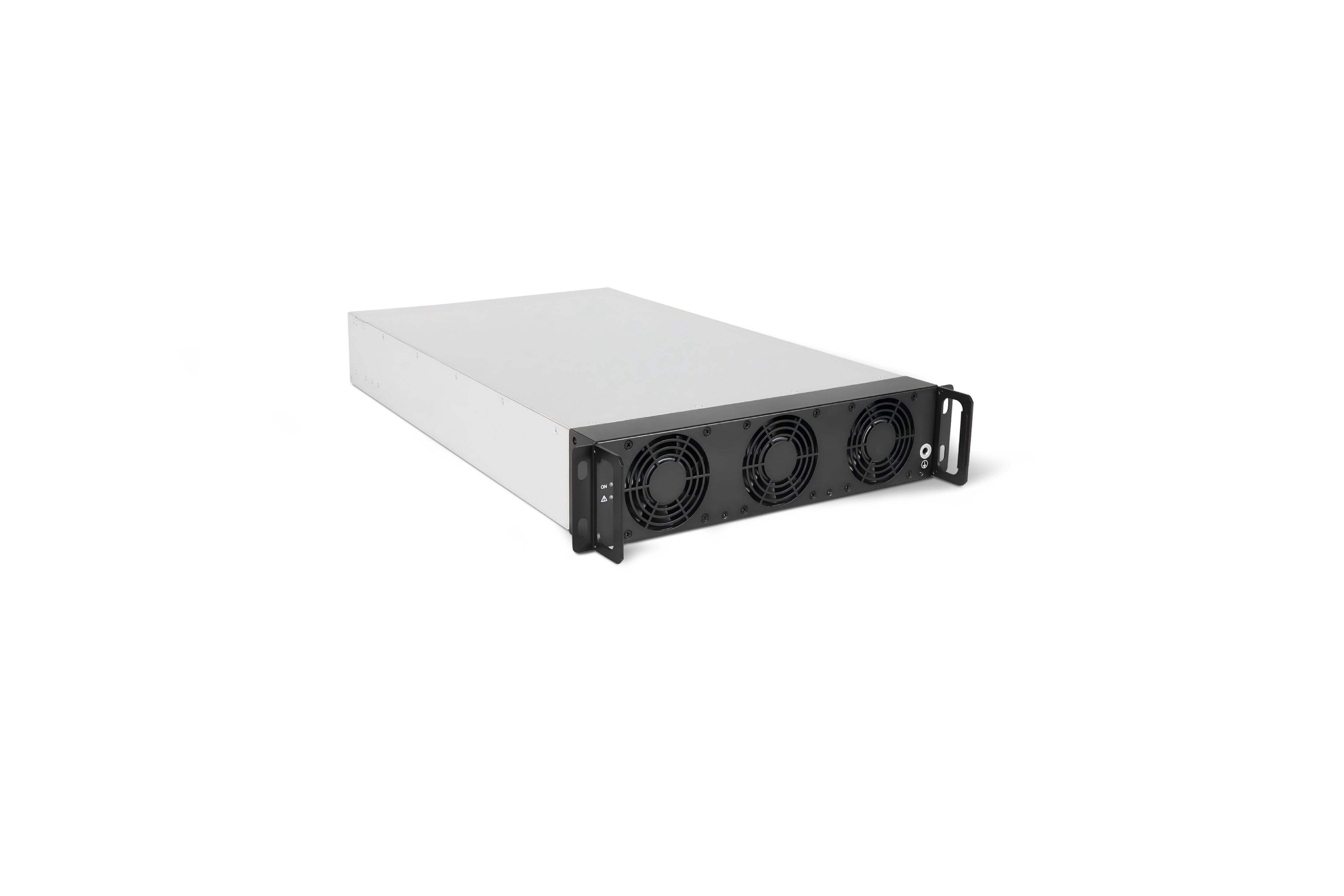
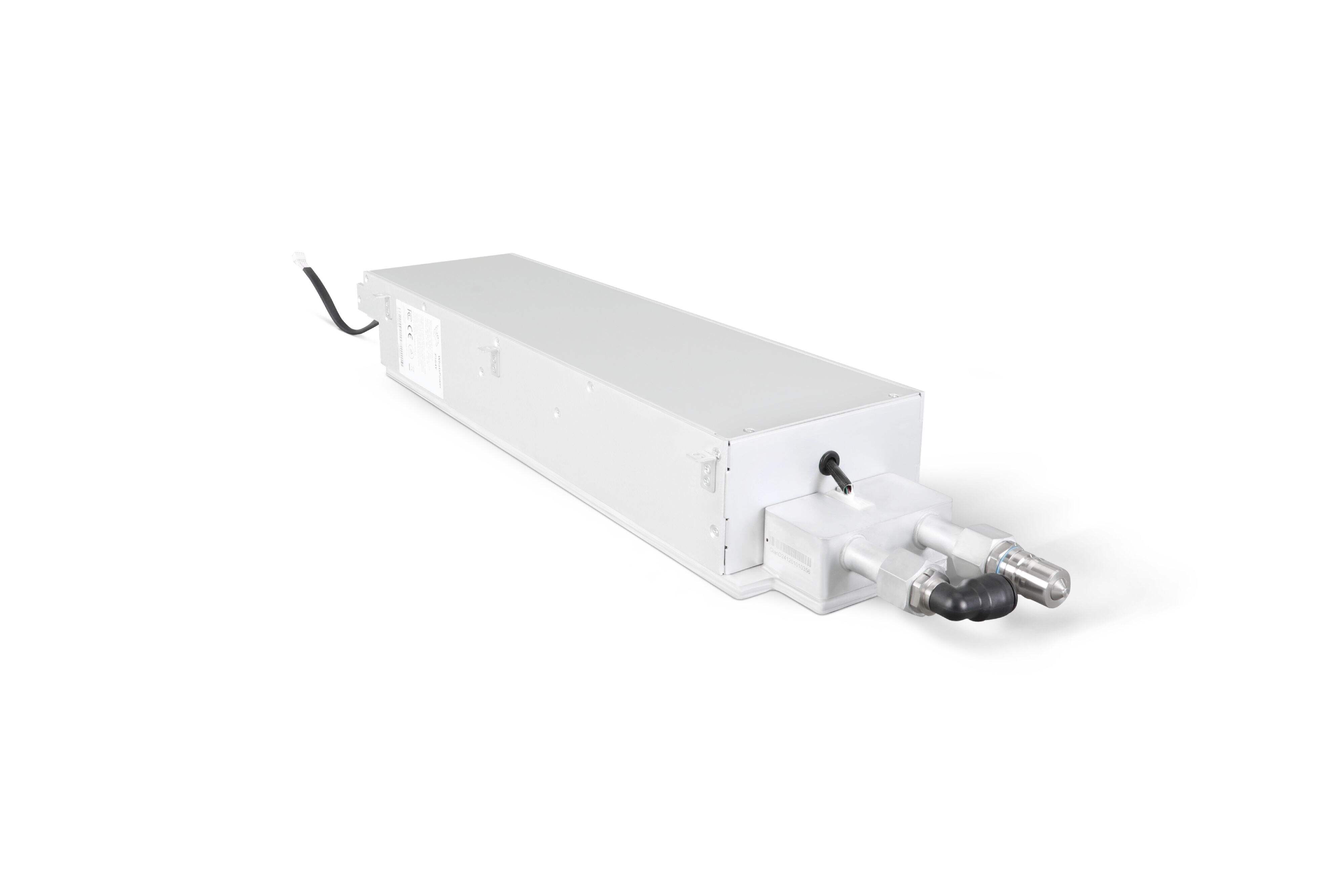
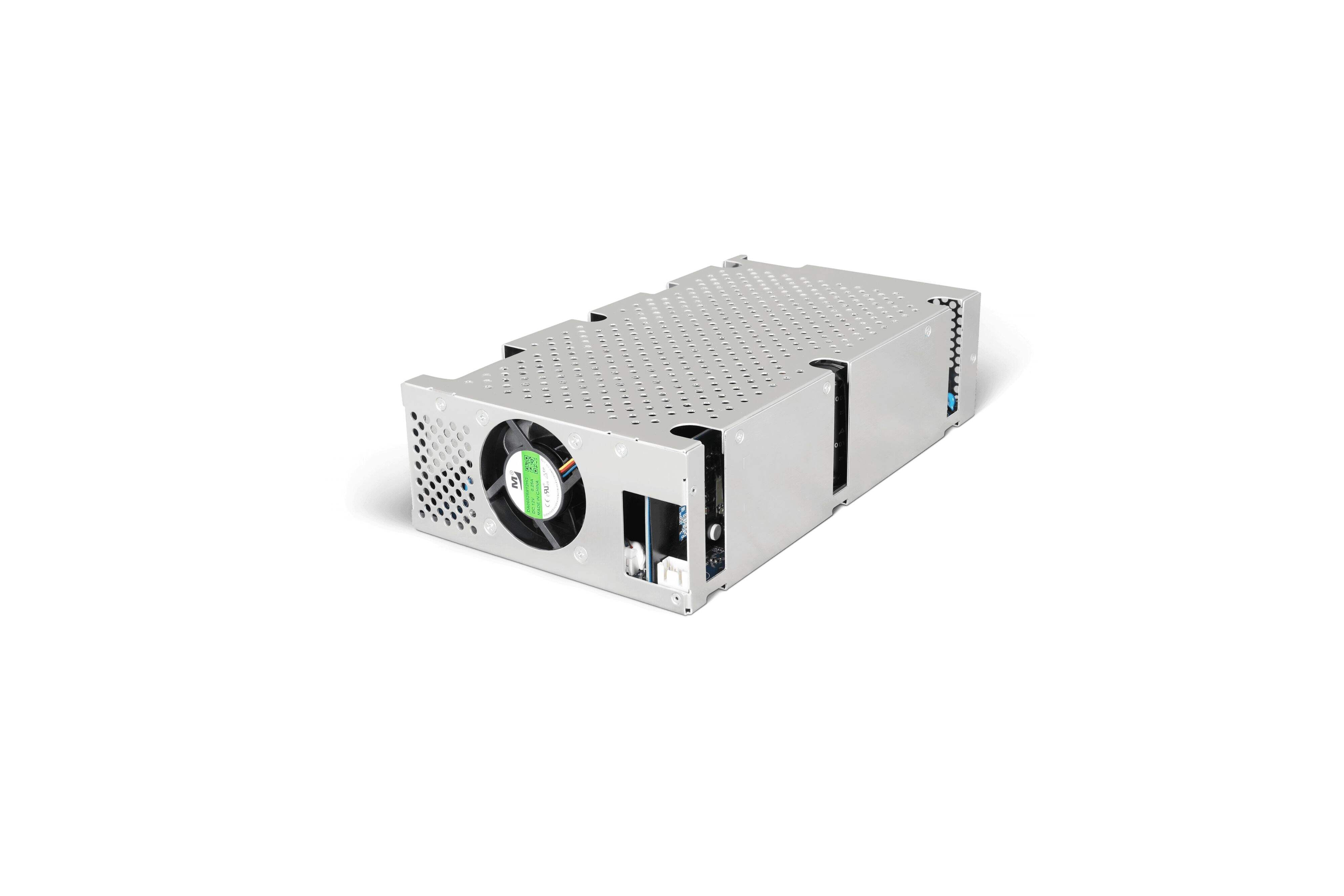
high power bidirectional dc dc converter
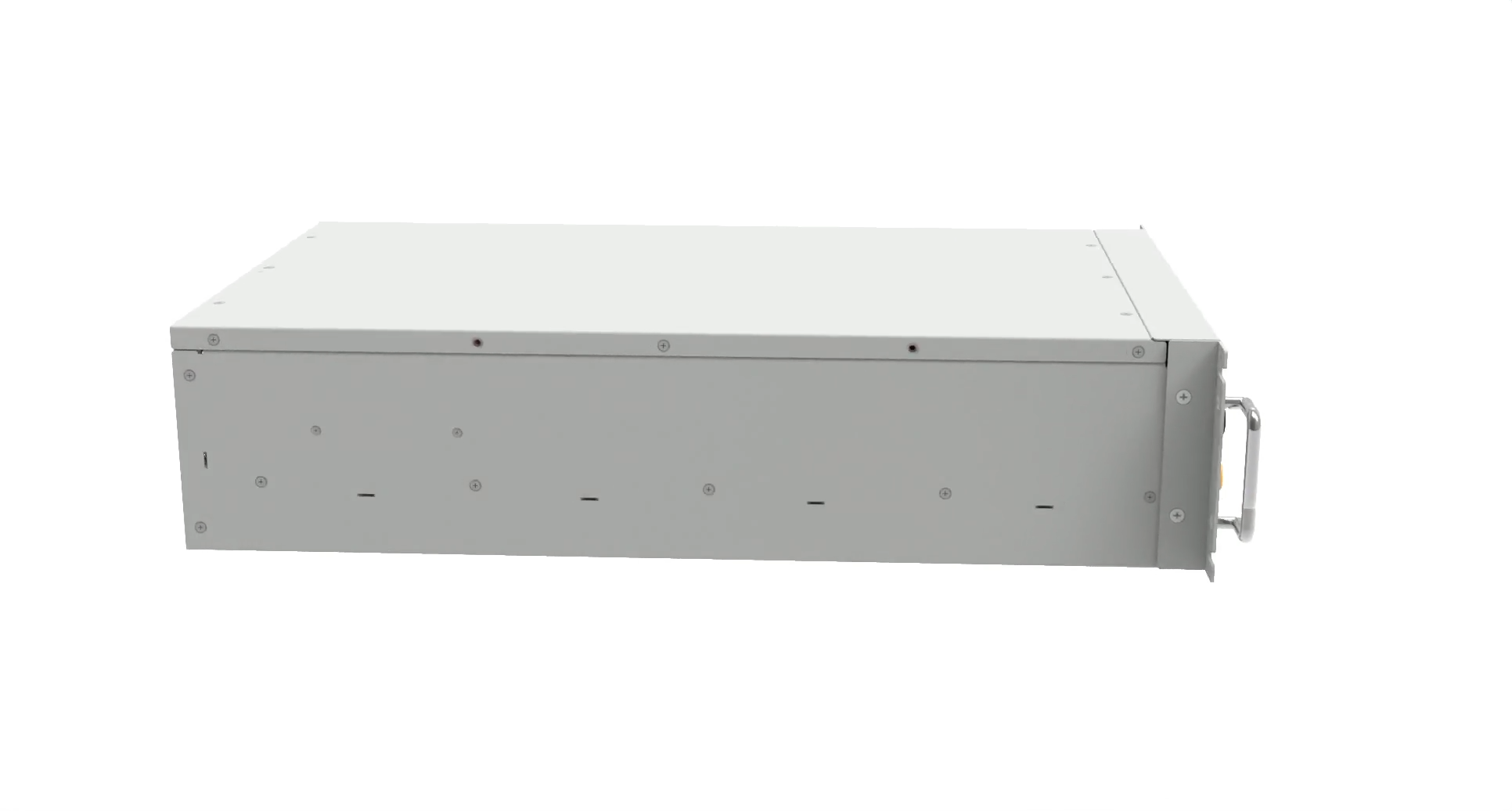
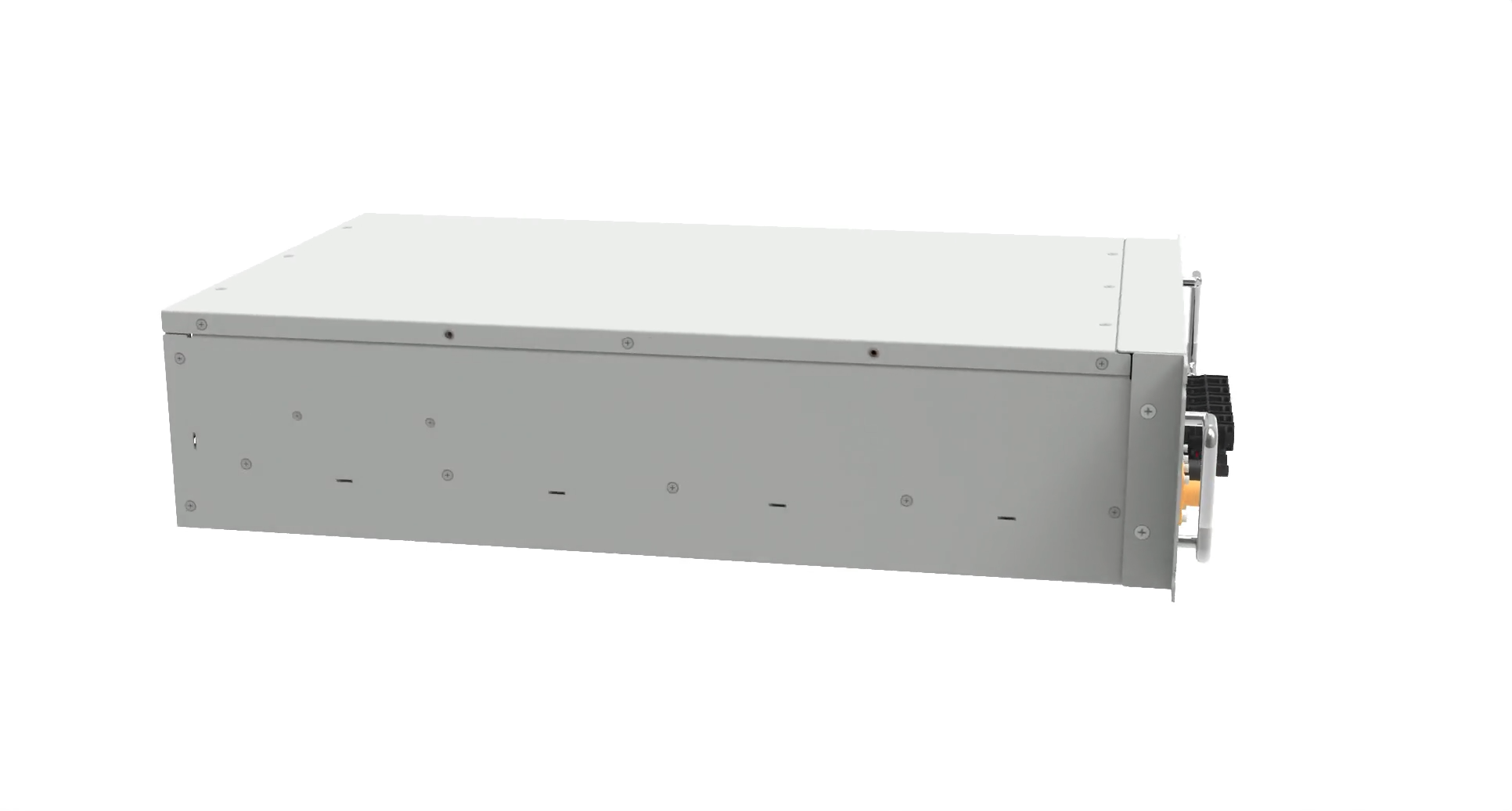
The high power bidirectional dc dc converter represents a revolutionary advancement in power electronics technology, designed to facilitate efficient energy transfer between different voltage levels in both directions. This sophisticated device serves as a critical component in modern electrical systems, enabling seamless power flow management between energy sources and loads. Unlike traditional unidirectional converters, the high power bidirectional dc dc converter offers dual-mode operation, allowing electricity to flow from source to load or vice versa, depending on system requirements. The core functionality centers around intelligent switching mechanisms that maintain optimal power conversion efficiency while managing substantial electrical loads. These converters incorporate advanced semiconductor technologies, including IGBT modules and MOSFET arrays, which enable rapid switching frequencies and minimize power losses during conversion processes. The technological architecture features sophisticated control algorithms that monitor real-time parameters such as voltage, current, and temperature, ensuring stable operation across varying load conditions. Modern high power bidirectional dc dc converter units integrate digital signal processors and microcontrollers that provide precise control over switching patterns and timing sequences. The galvanic isolation capabilities protect sensitive components while maintaining electrical safety standards. These systems excel in managing power ratings ranging from several kilowatts to megawatts, making them suitable for industrial applications requiring robust energy management solutions. The modular design approach allows for scalable configurations that adapt to specific power requirements and system constraints. Applications span across renewable energy systems, electric vehicle charging infrastructure, energy storage solutions, and industrial automation systems. The high power bidirectional dc dc converter proves essential in grid-tied solar installations, where excess energy flows back to the utility grid during peak production periods. Battery management systems rely heavily on these converters to regulate charging and discharging cycles while maintaining optimal battery health and longevity.

 EN
EN