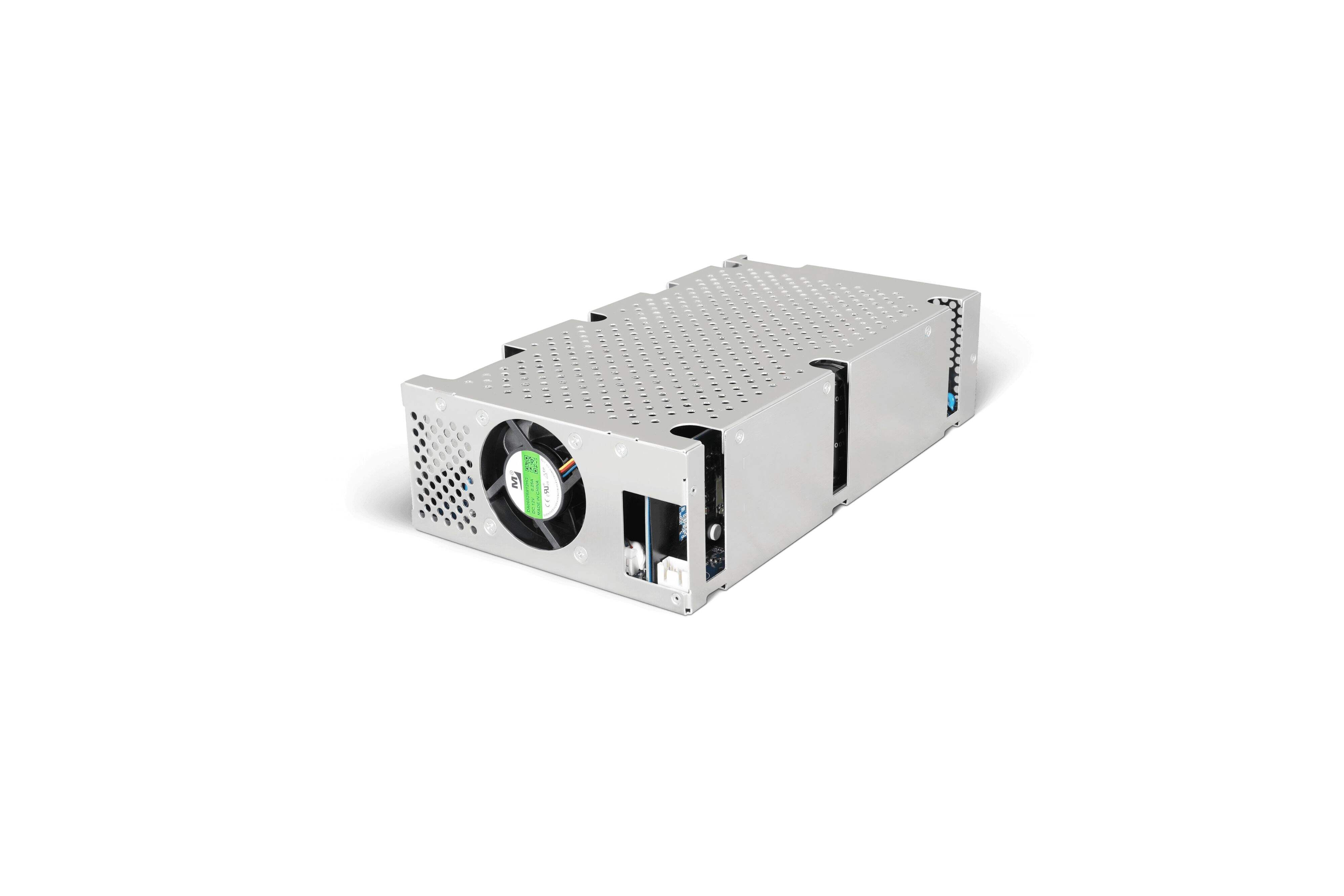
Advanced Integration and Smart Control Capabilities
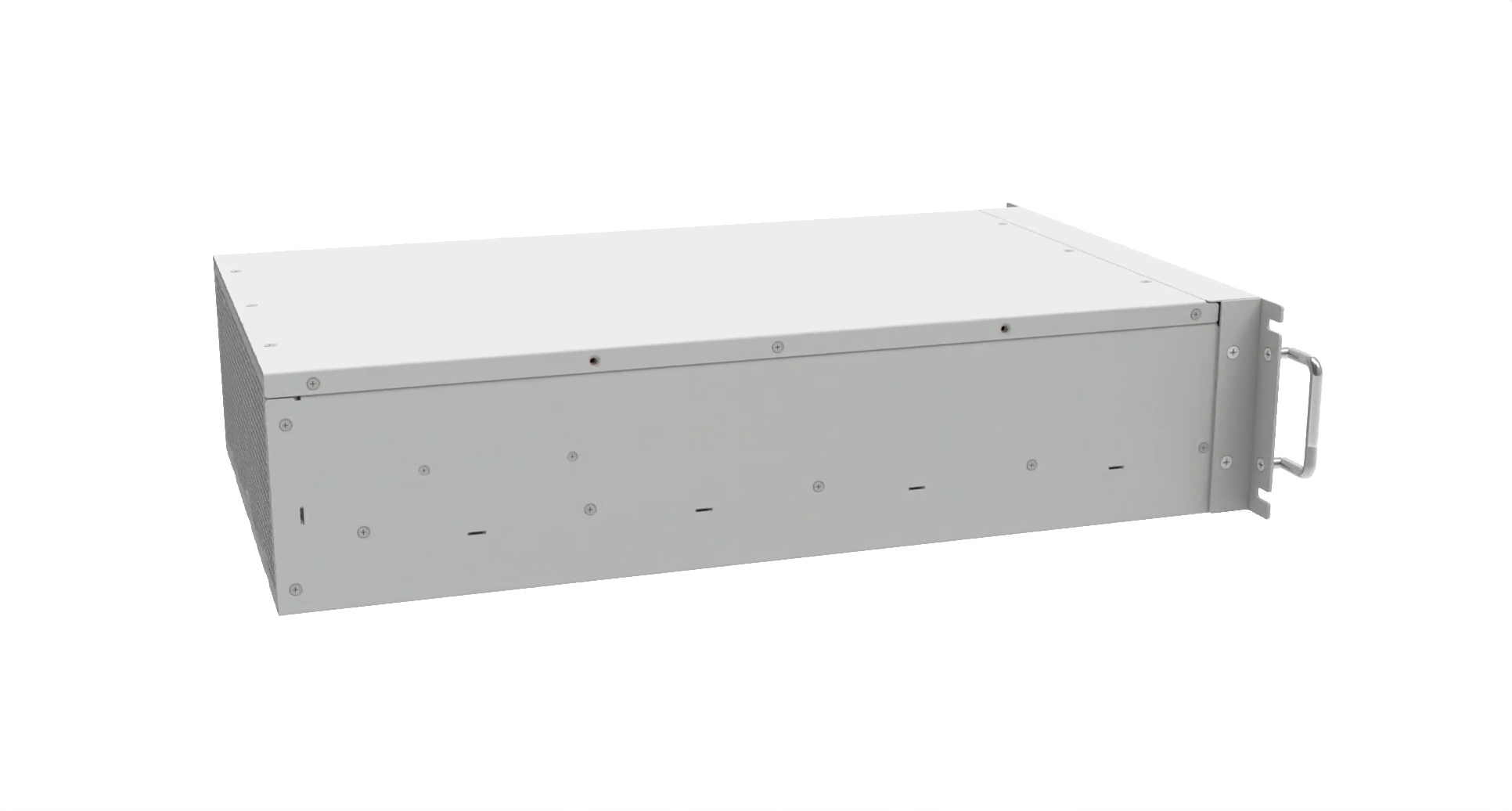
The dc to dc bidirectional converter features advanced integration capabilities and smart control systems that seamlessly connect with modern energy management infrastructure and automation platforms. These sophisticated control systems utilize digital signal processing technology to provide precise regulation of power flow, voltage levels, and current parameters while maintaining optimal efficiency under varying operating conditions. The converter's intelligent control architecture supports multiple communication protocols including CAN bus, Modbus, Ethernet, and wireless connectivity options, enabling integration with existing building management systems, industrial automation networks, and smart grid infrastructure. Users benefit from comprehensive monitoring capabilities that provide real-time data on system performance, energy flow patterns, efficiency metrics, and operational status through user-friendly interfaces accessible via computer, tablet, or smartphone applications. Advanced diagnostics capabilities enable predictive maintenance scheduling by monitoring component health, identifying performance trends, and alerting users to potential issues before they result in system failures. The smart control system automatically adjusts operational parameters based on predetermined optimization criteria, user preferences, and real-time system conditions to maximize efficiency and performance. Integration with energy management systems enables automated responses to changing electricity rates, peak demand charges, and grid stability requirements, allowing users to minimize energy costs while supporting grid reliability. The converter's control system can coordinate with multiple units to create scalable power conversion networks that share load requirements and provide redundancy for critical applications. Remote monitoring capabilities enable system operators to oversee multiple installations from centralized locations, reducing operational overhead and enabling rapid response to system alerts or performance issues. The smart control features include programmable operating schedules that automatically adjust system behavior based on time of day, day of week, or seasonal patterns to optimize energy utilization and cost efficiency. Safety integration features work seamlessly with facility safety systems, providing emergency shutdown capabilities, fault isolation, and coordination with fire suppression or security systems. The converter's ability to learn from operational patterns and automatically optimize performance parameters ensures continuous improvement in system efficiency and reliability over time, providing users with increasingly valuable performance as the system operates.
 EN
EN