Advanced Energy Storage Integration
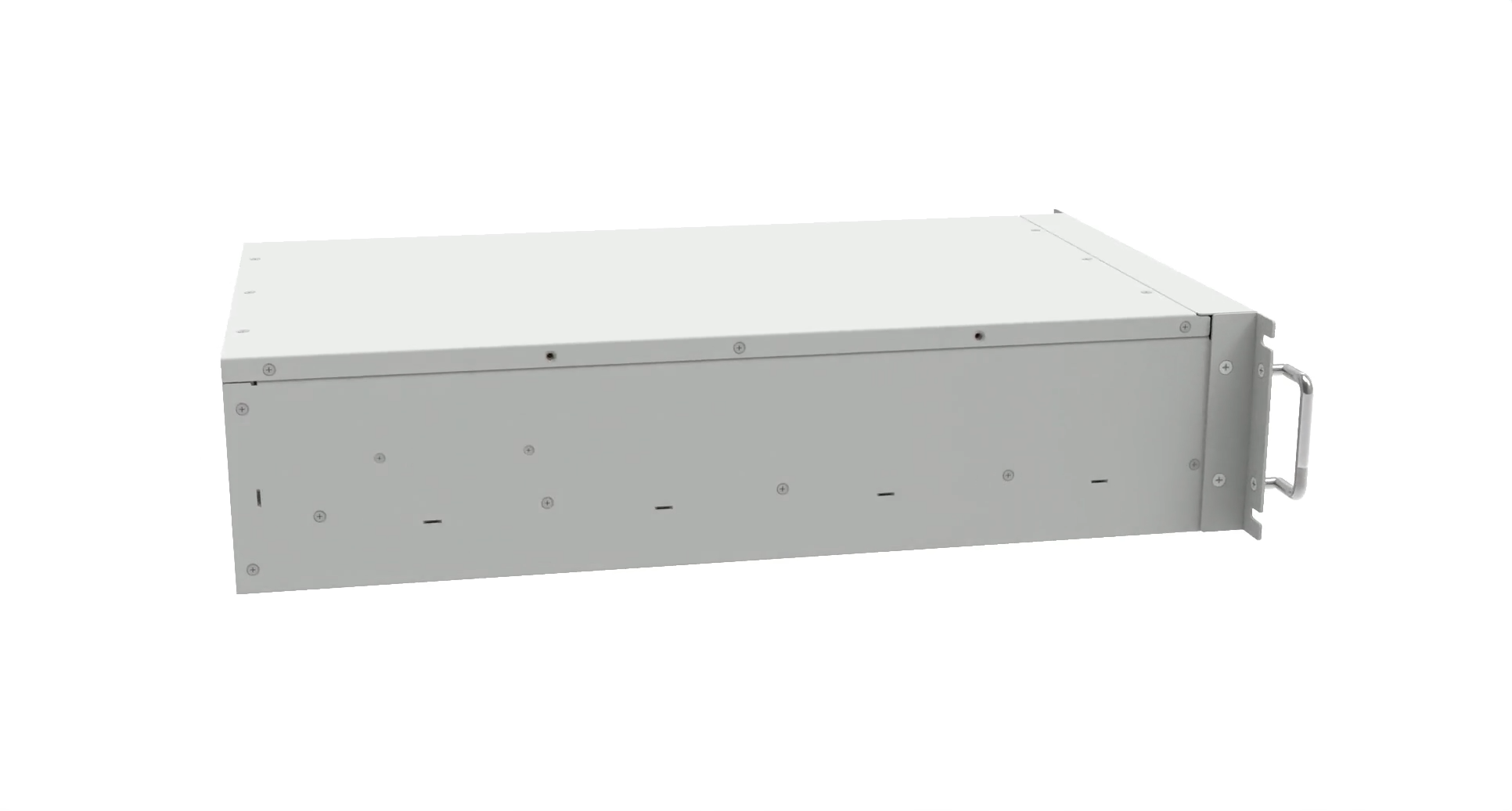
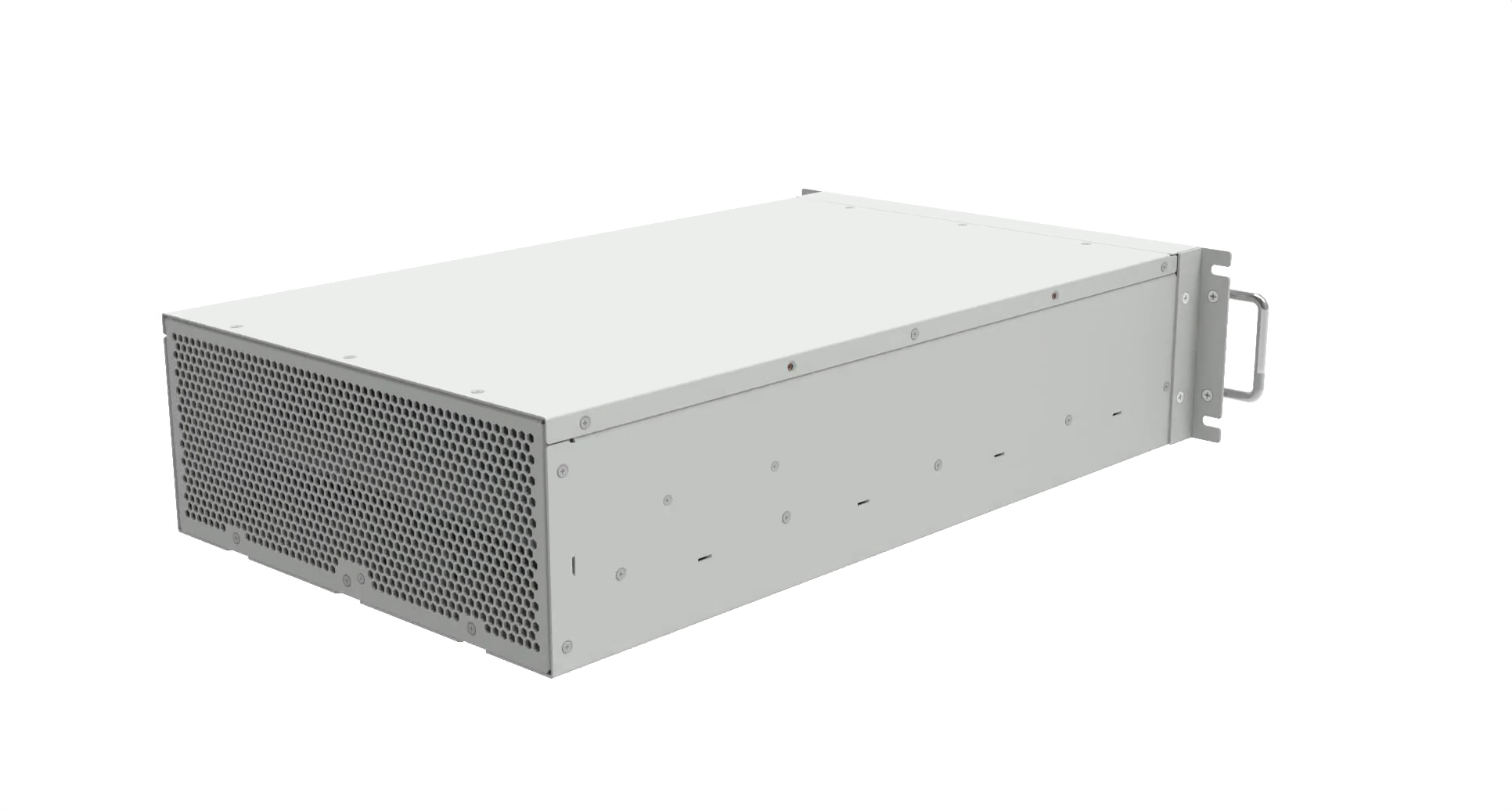
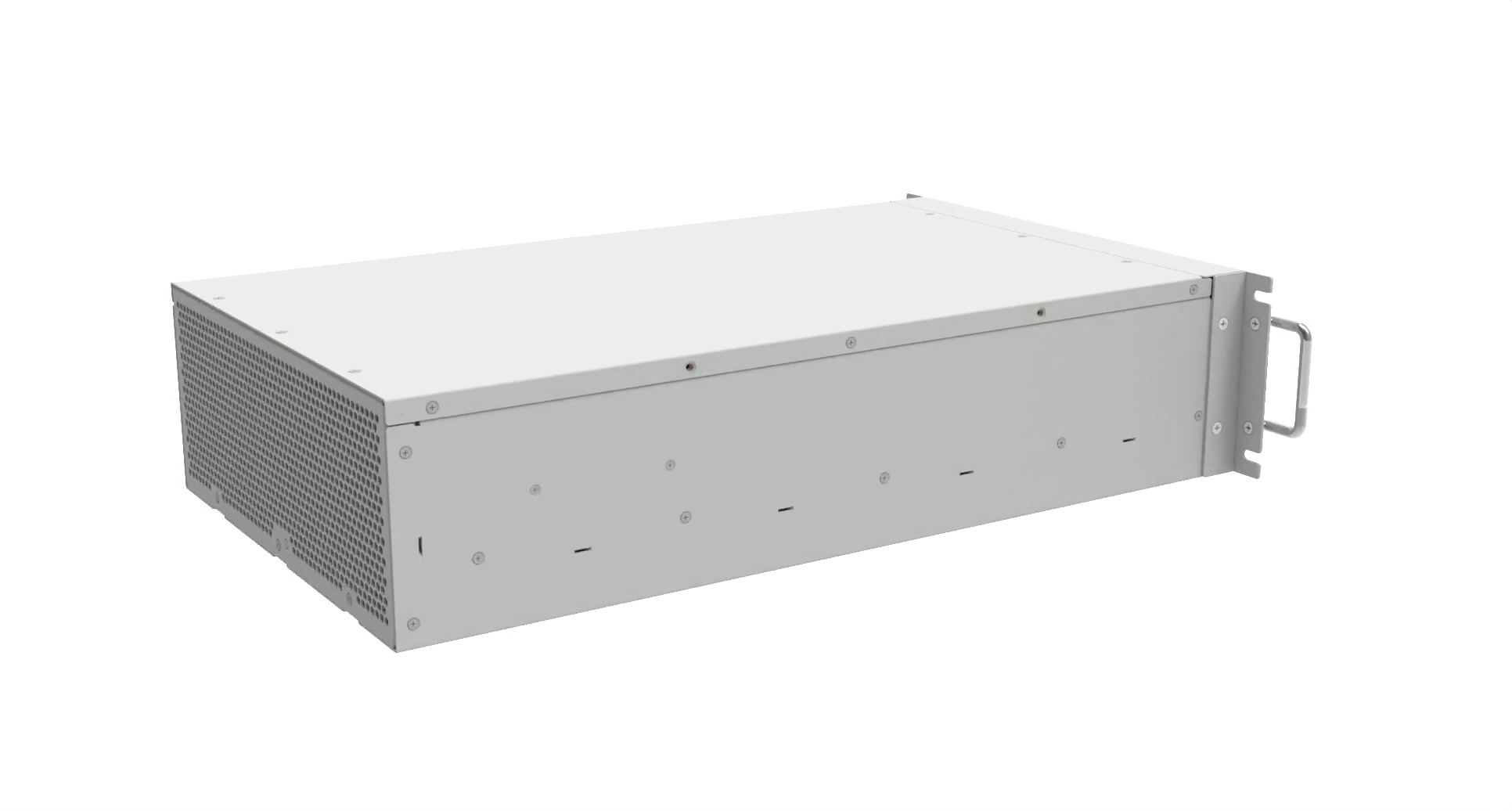
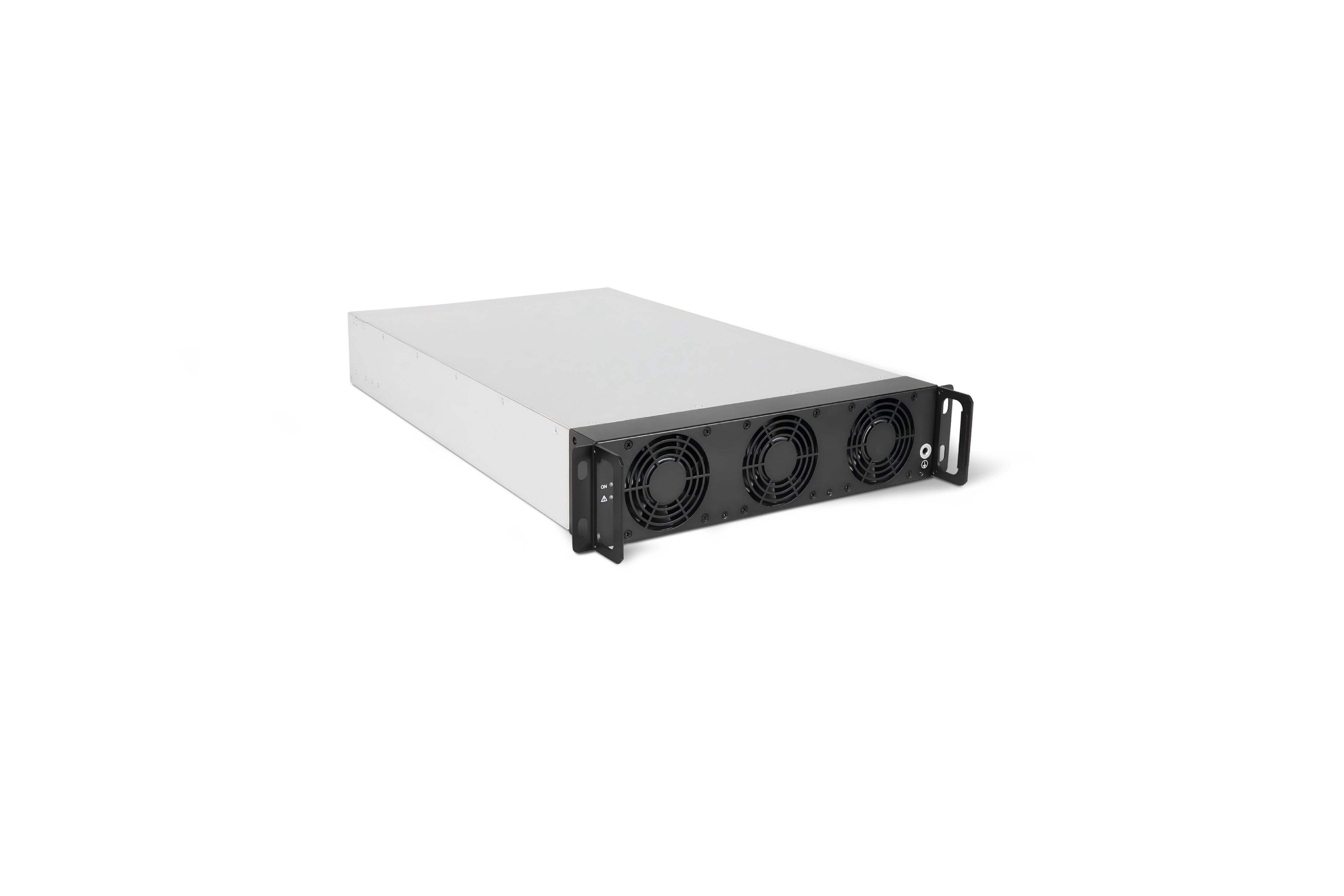
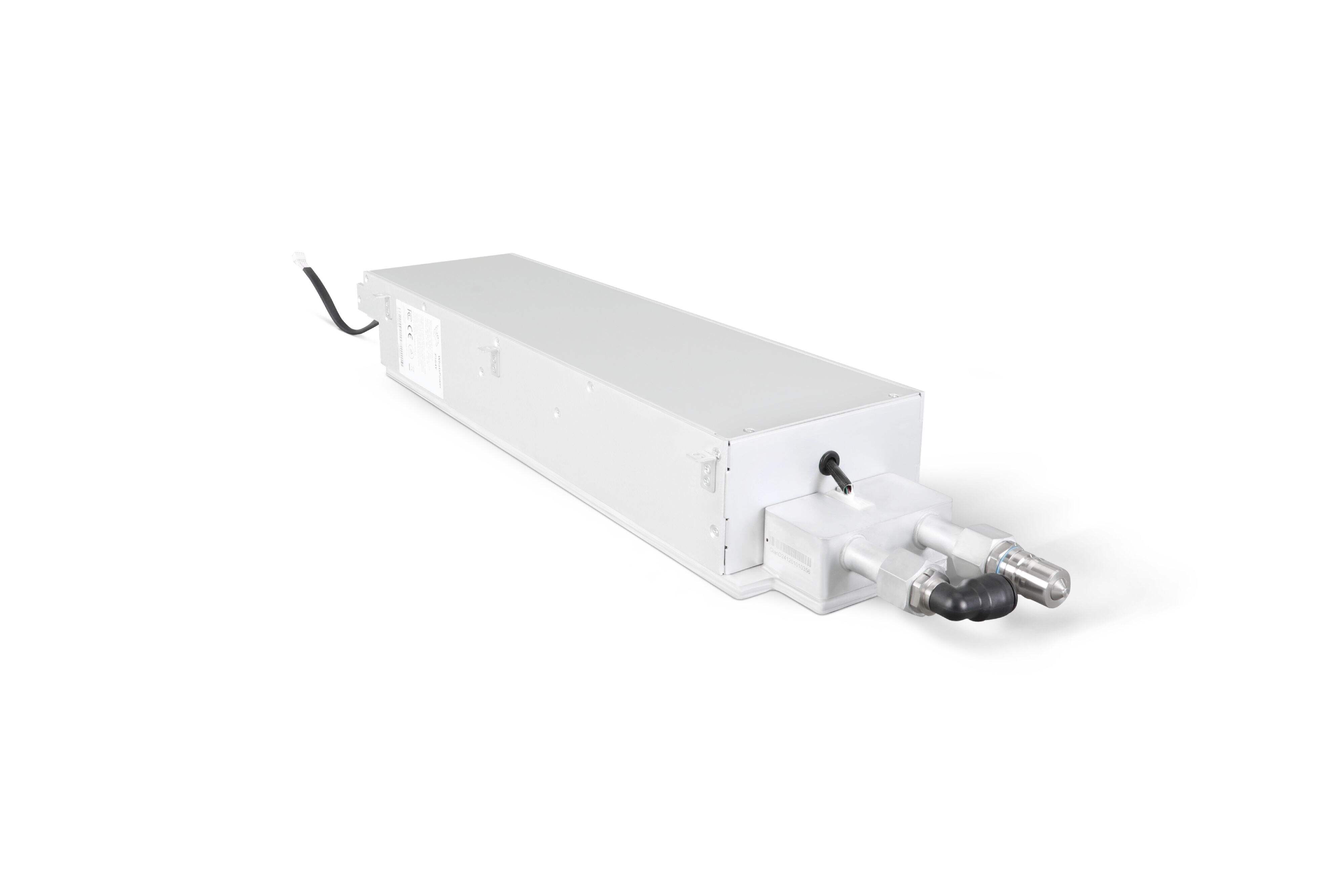
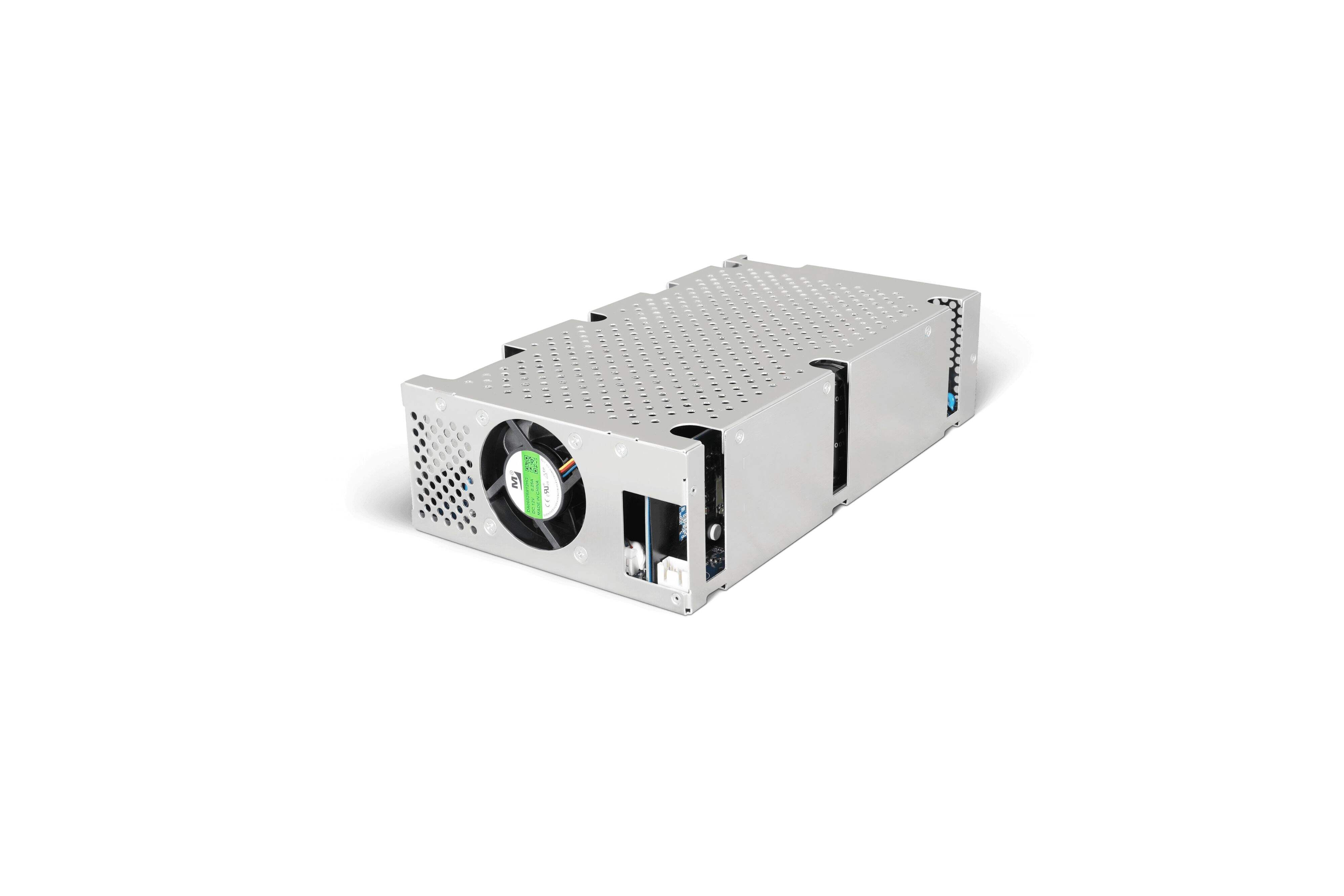
The bidirectional dc dc converter excels in energy storage integration, providing unmatched capabilities for managing complex battery systems and renewable energy installations. This feature transforms how organizations approach energy management by enabling seamless integration between various storage technologies and power sources. The converter automatically manages charging cycles, ensuring batteries receive optimal charging profiles while preventing overcharging and deep discharge conditions that reduce battery lifespan. Advanced battery management algorithms monitor individual cell voltages, temperatures, and charging states, adjusting conversion parameters to maximize storage efficiency and longevity. Users benefit from extended battery life, reduced replacement costs, and improved system reliability. The integration capabilities extend beyond simple charging functions to include sophisticated load balancing and peak shaving operations. During periods of high energy demand, the converter draws power from storage systems to reduce grid consumption and lower electricity costs. Conversely, during low-demand periods or when renewable sources generate excess energy, the converter automatically charges storage devices for future use. This intelligent energy management reduces utility bills significantly while providing energy security during outages. The bidirectional dc dc converter supports multiple battery chemistries simultaneously, including lithium-ion, lead-acid, and emerging technologies like solid-state batteries. This flexibility allows users to optimize their storage investments based on specific application requirements and budget constraints. The converter's adaptive control algorithms adjust charging parameters automatically for each battery type, ensuring optimal performance and safety. Grid-tie functionality enables users to sell excess stored energy back to utility companies, creating additional revenue streams. The converter manages the complex synchronization requirements for grid connection, ensuring power quality meets utility standards while maximizing economic benefits. Real-time monitoring capabilities provide users with detailed insights into energy storage performance, consumption patterns, and cost savings. Web-based interfaces and mobile applications allow remote monitoring and control, enabling proactive maintenance and optimization. Users can track return on investment, identify efficiency improvements, and plan system expansions based on actual performance data. The storage integration capabilities make the bidirectional dc dc converter essential for organizations seeking energy independence and cost reduction.
 EN
EN