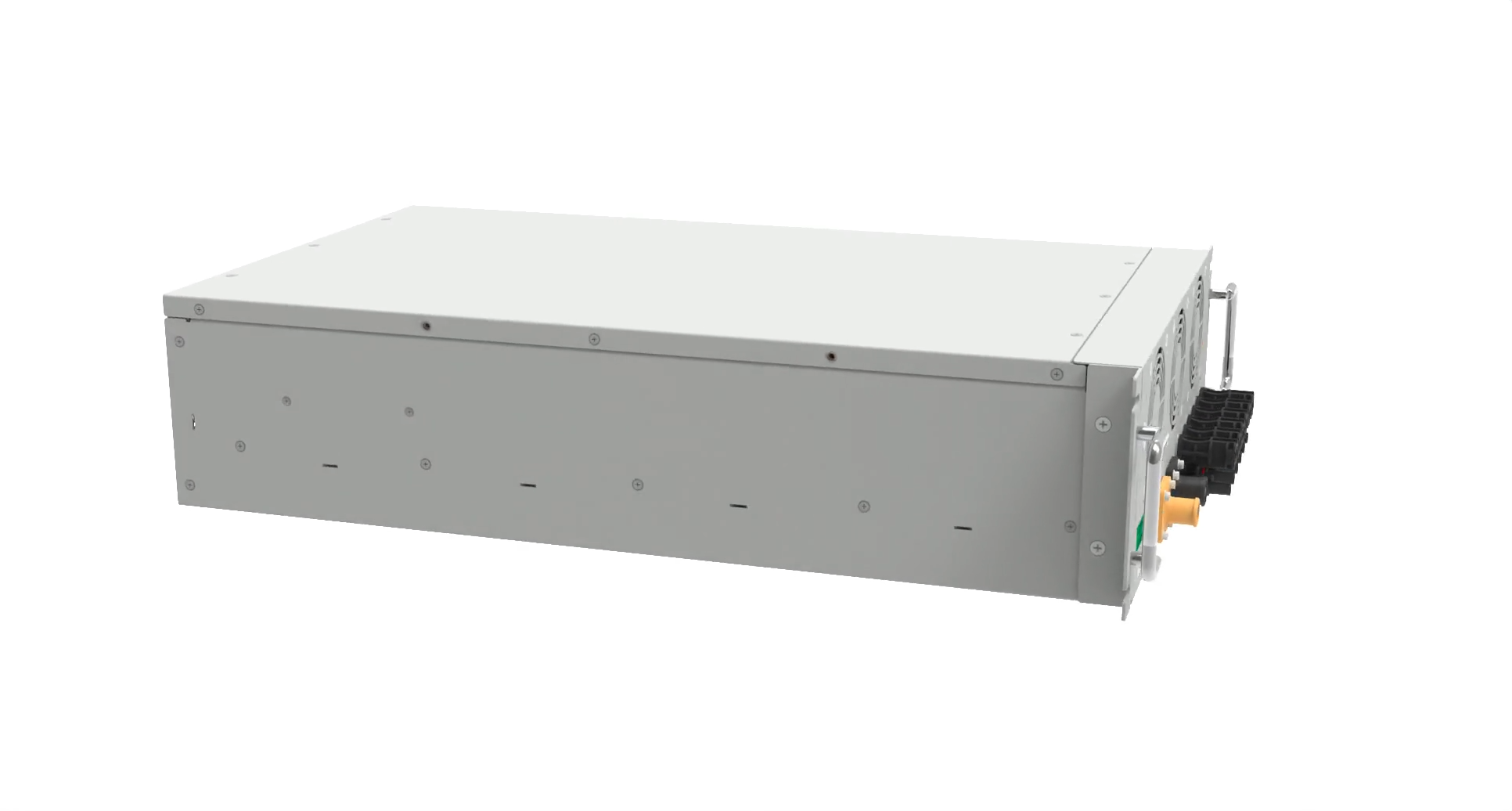
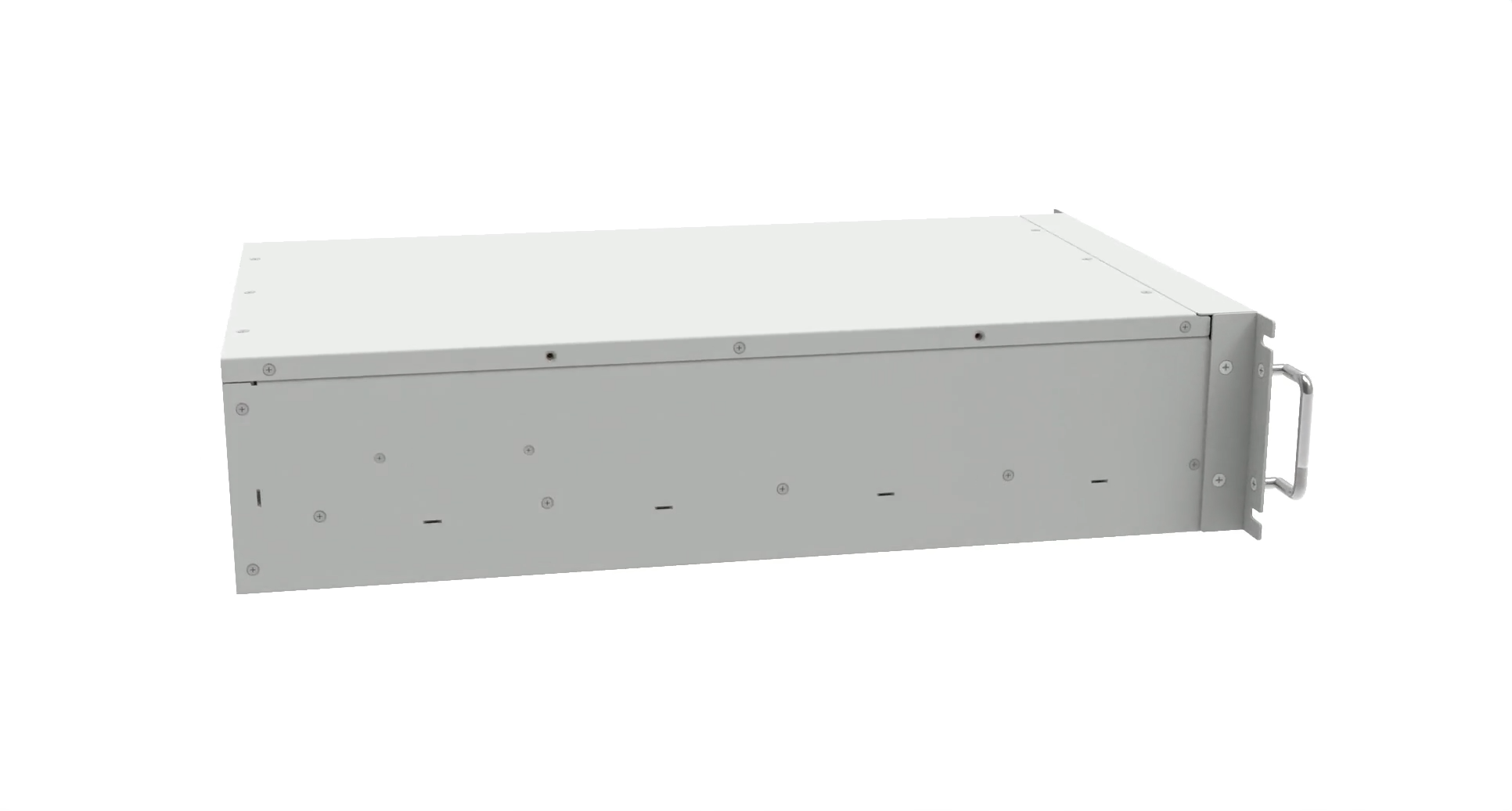
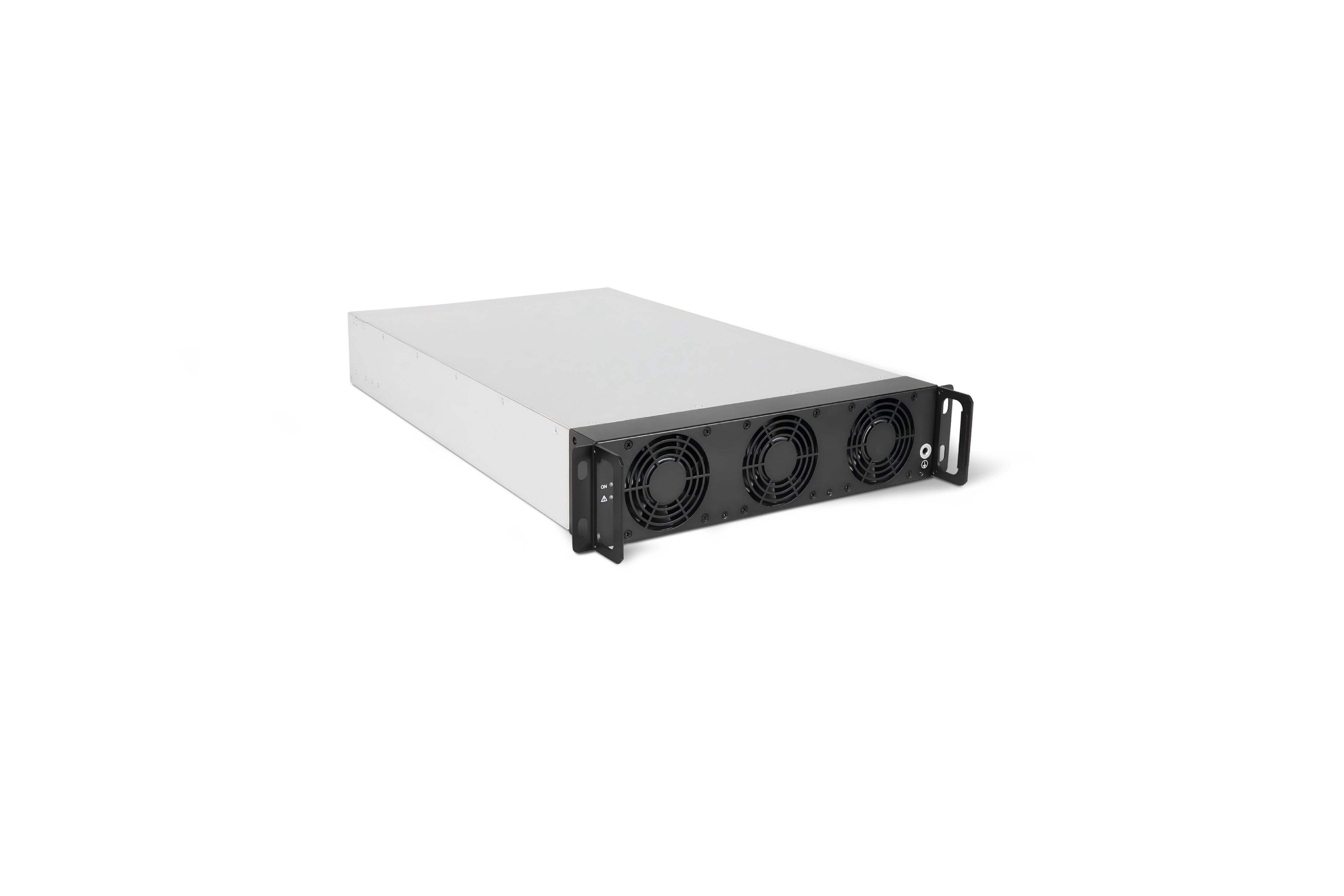
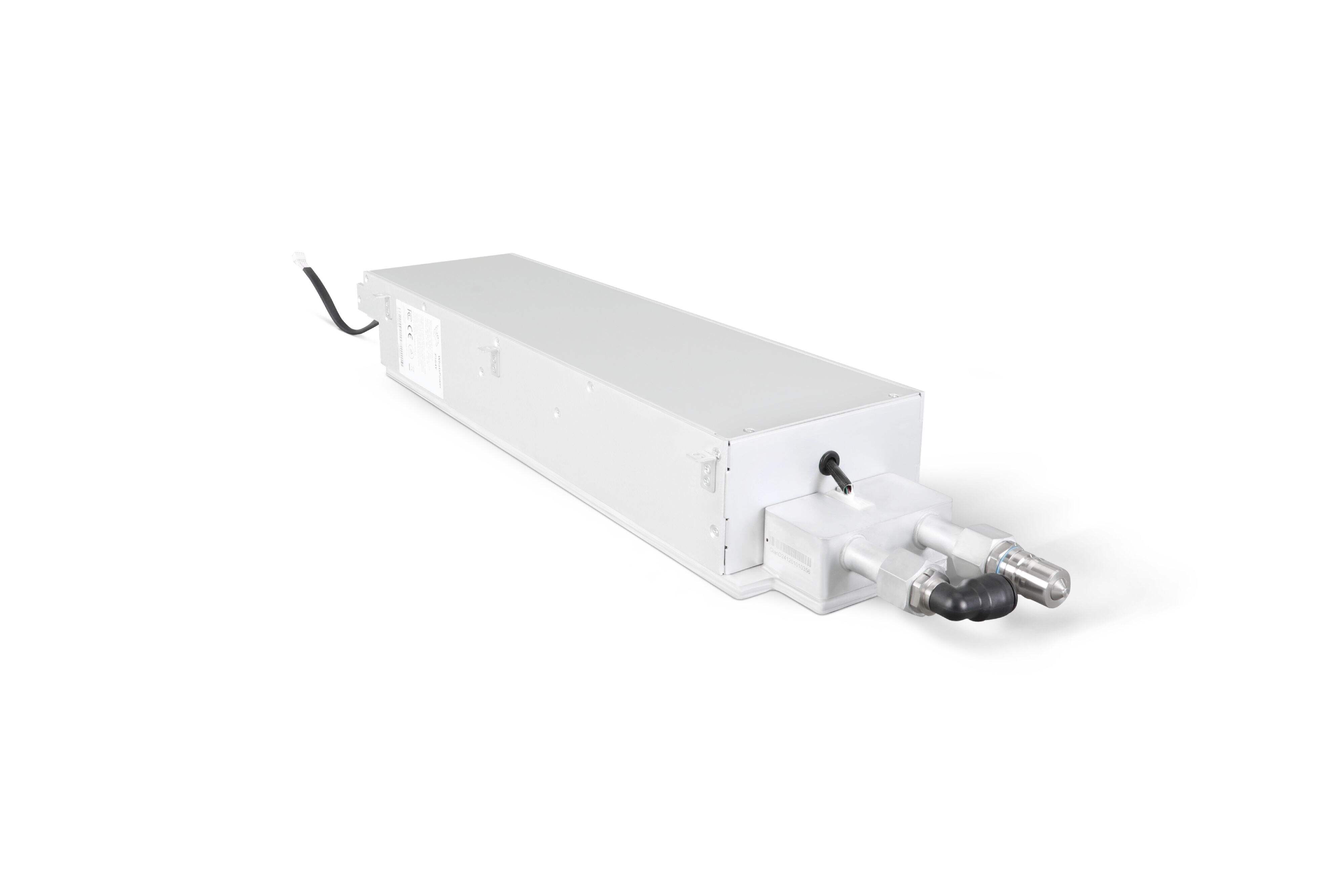
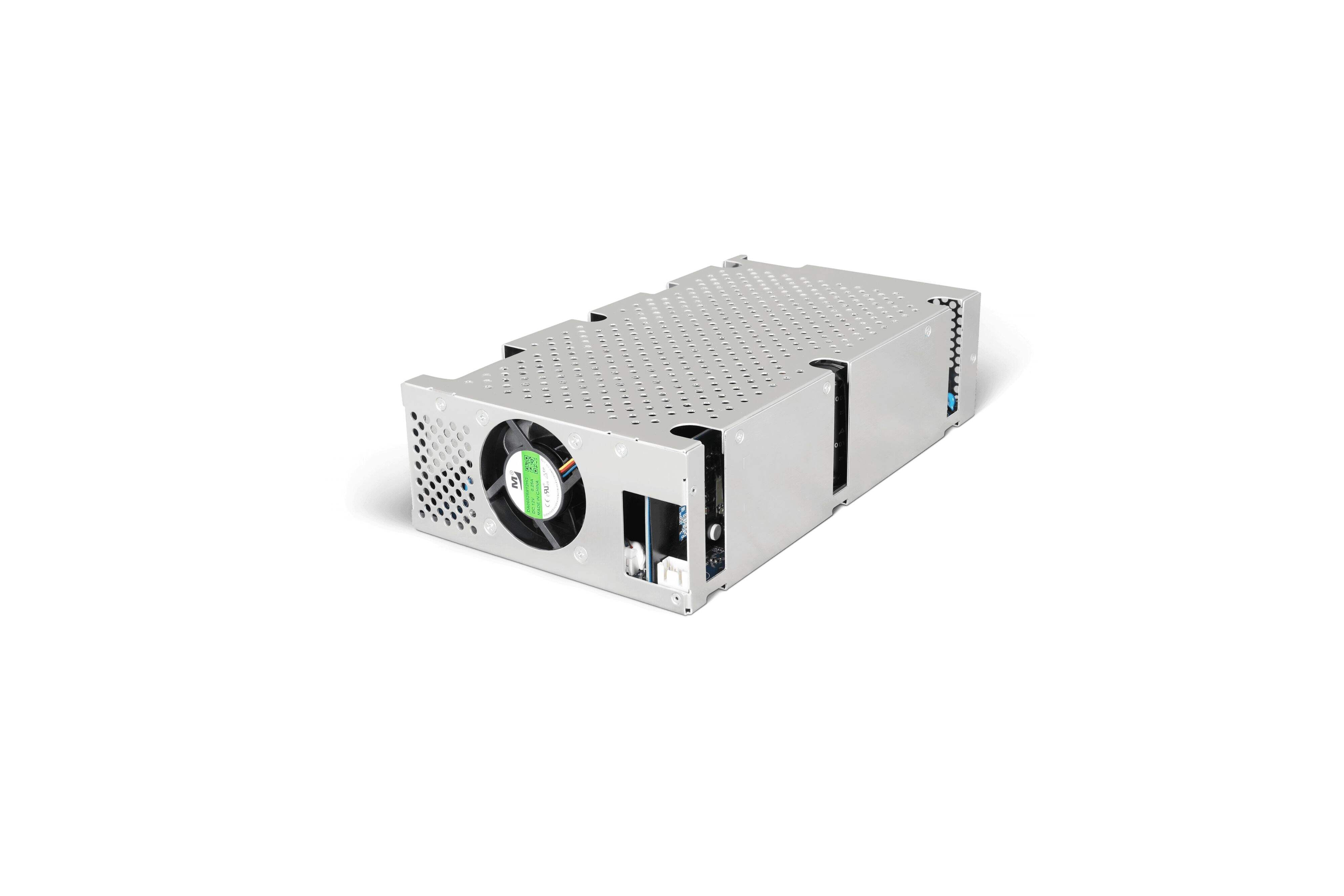
Bidirectional DC-DC Converter: Advanced Power Management Solutions for Modern Energy Systems

All Categories

Get a Free Quote

Our representative will contact you soon.
Email
Name
Company Name
Message
0/1000

bidirectional dc-dc converter

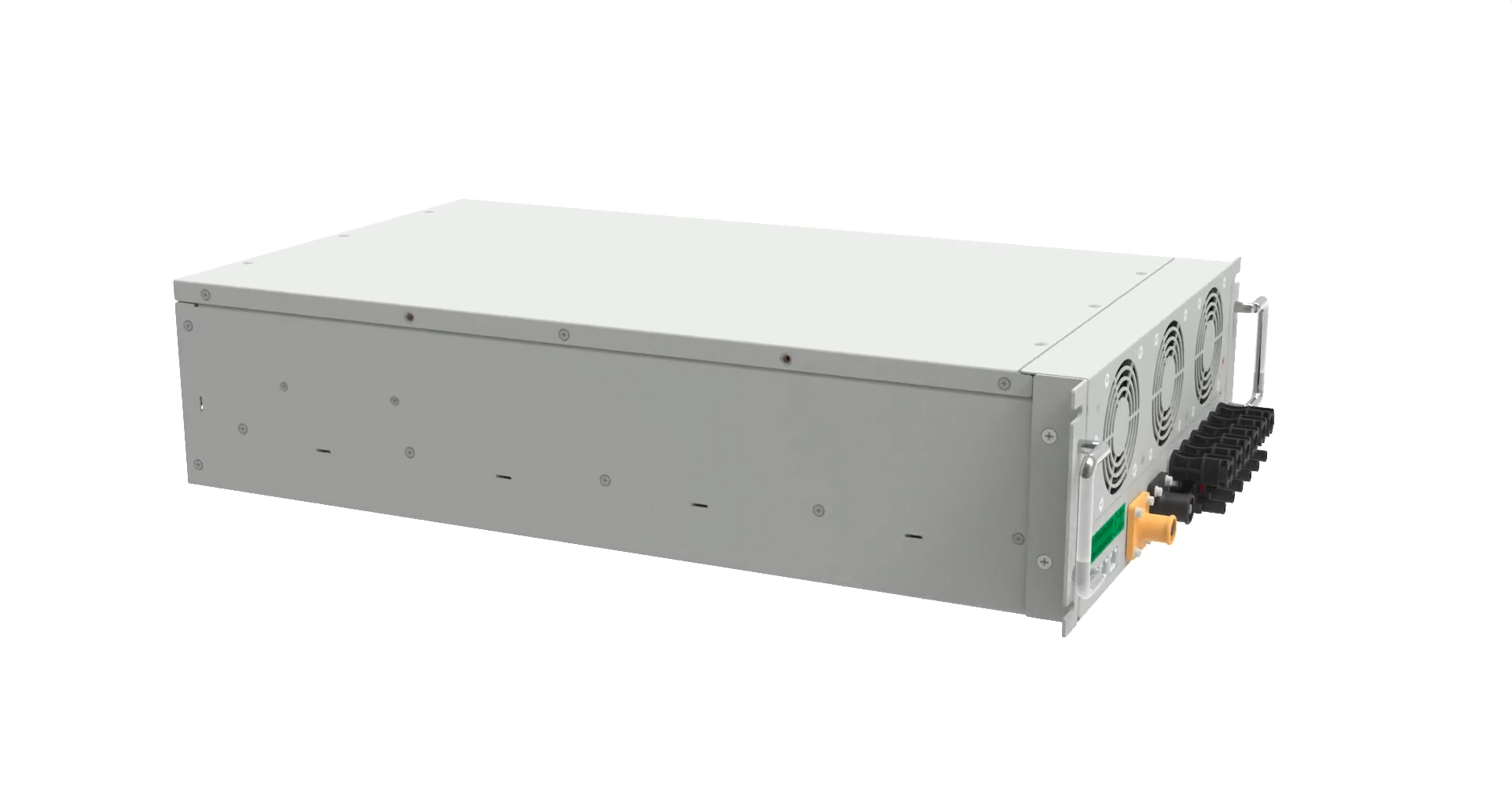
A bidirectional dc-dc converter represents a sophisticated power electronics device that enables energy flow in both directions between two DC voltage sources or systems. This innovative technology serves as a critical component in modern energy management systems, providing seamless power transfer capabilities that adapt to varying operational demands. The bidirectional dc-dc converter operates by utilizing advanced switching techniques and magnetic components to efficiently convert voltage levels while maintaining the ability to reverse power flow direction when required. The main functions of a bidirectional dc-dc converter encompass voltage regulation, power conditioning, and energy storage management. These devices excel at maintaining stable output voltages despite fluctuations in input conditions, ensuring consistent performance across diverse applications. The converter employs sophisticated control algorithms that monitor system parameters in real-time, automatically adjusting switching patterns to optimize efficiency and maintain desired voltage levels. Energy storage integration represents another fundamental function, enabling the converter to charge batteries during low-demand periods and discharge stored energy when additional power is needed. Technological features of the bidirectional dc-dc converter include high-frequency switching capabilities, advanced semiconductor devices, and intelligent control systems. Modern implementations utilize wide-bandgap semiconductors such as silicon carbide and gallium nitride, which offer superior switching speeds and reduced losses compared to traditional silicon devices. The converter incorporates sophisticated magnetic components, including transformers and inductors, designed to handle bidirectional power flow efficiently. Digital signal processors and microcontrollers provide precise control over switching operations, implementing complex algorithms that optimize performance under various operating conditions. Applications for bidirectional dc-dc converters span numerous industries and sectors. Electric vehicle charging systems rely heavily on these converters to manage power flow between the grid, vehicle batteries, and auxiliary systems. Renewable energy installations utilize bidirectional converters to integrate battery storage systems with solar panels and wind turbines, enabling efficient energy capture and distribution. Grid-tied energy storage systems employ these converters to provide grid stabilization services, peak shaving capabilities, and backup power functionality. Industrial applications include uninterruptible power supplies, DC microgrids, and motor drive systems where regenerative braking requires bidirectional power flow capabilities.


New Products

The bidirectional dc-dc converter delivers exceptional energy efficiency that directly translates to reduced operating costs and environmental benefits for users. These advanced systems achieve efficiency ratings exceeding 95 percent in many applications, significantly minimizing energy losses during power conversion processes. This high efficiency stems from optimized switching techniques and premium components that reduce heat generation and power waste. Users experience lower electricity bills and reduced cooling requirements, making the bidirectional dc-dc converter an economically attractive solution for long-term operations. The environmental impact reduction appeals to organizations committed to sustainability goals while providing measurable cost savings that improve bottom-line performance. Flexibility stands as another major advantage, allowing users to adapt their power systems to changing operational requirements without extensive infrastructure modifications. The bidirectional dc-dc converter seamlessly handles varying load conditions and power flow directions, eliminating the need for separate charging and discharging equipment. This adaptability proves particularly valuable in dynamic environments where energy demands fluctuate throughout daily cycles. Users can maximize their existing infrastructure investments while maintaining the capability to expand or modify systems as business needs evolve. The converter's ability to integrate with multiple energy sources and storage systems provides unprecedented operational flexibility that traditional unidirectional converters simply cannot match. Reliability improvements offered by bidirectional dc-dc converters enhance system uptime and reduce maintenance costs for operators. These devices incorporate advanced protection features that safeguard connected equipment from voltage spikes, overcurrent conditions, and other electrical anomalies. Built-in fault detection and isolation capabilities prevent cascading failures that could damage expensive equipment or disrupt critical operations. Users benefit from reduced downtime, lower repair costs, and improved system longevity that maximizes return on investment. The robust design and quality components ensure consistent performance even in challenging operating environments, providing peace of mind for mission-critical applications. Space efficiency represents a practical advantage that reduces installation costs and simplifies system design. The bidirectional dc-dc converter eliminates the need for separate charging and discharging circuits, significantly reducing the overall footprint required for power management systems. This consolidation proves especially valuable in applications where space is limited or installation costs are high. Users can achieve the same functionality with fewer components, reducing complexity and potential failure points while simplifying maintenance procedures. The compact design also facilitates easier integration into existing systems without major structural modifications. Smart control capabilities enable users to optimize their energy management strategies through advanced monitoring and automation features. Modern bidirectional dc-dc converters include communication interfaces that allow integration with building management systems, smart grid infrastructure, and mobile applications. Users gain real-time visibility into energy flows, system performance, and operational parameters that enable data-driven decision making. Automated control algorithms continuously optimize performance based on usage patterns, energy costs, and system conditions, maximizing efficiency without requiring constant user intervention. These intelligent features transform the bidirectional dc-dc converter from a simple power conversion device into a sophisticated energy management platform.

Latest News

A Power Station That Doesn’t Generate Electricity — Yet Moves 120 Million kWh a Year

18

Dec

A Power Station That Doesn’t Generate Electricity — Yet Moves 120 Million kWh a Year

View More
BOCO Electronics Brings Hengyang Intelligent Manufacturing Base Online, Expanding Annual Production Beyond One Million Units

18

Dec

BOCO Electronics Brings Hengyang Intelligent Manufacturing Base Online, Expanding Annual Production Beyond One Million Units

View More
BOCO Electronics Demonstrates System-Level Power Conversion Innovation at SNEC 2025

18

Dec

BOCO Electronics Demonstrates System-Level Power Conversion Innovation at SNEC 2025

View More

Get a Free Quote

Our representative will contact you soon.
Email
Name
Company Name
Message
0/1000

bidirectional dc-dc converter

Advanced Energy Storage Integration

Advanced Energy Storage Integration

The bidirectional dc-dc converter excels at seamless energy storage integration, providing users with unmatched flexibility in managing their power systems and energy costs. This sophisticated capability allows the converter to intelligently charge energy storage systems during off-peak hours when electricity rates are lowest, then discharge stored energy during peak demand periods when utility costs are highest. The financial benefits of this time-shifting capability can be substantial, with users often reducing their energy costs by 30 to 50 percent through strategic energy management. The converter's advanced control algorithms continuously monitor grid conditions, energy prices, and local demand patterns to automatically optimize charging and discharging cycles without requiring user intervention. This intelligent automation ensures maximum cost savings while maintaining system reliability and performance. The bidirectional dc-dc converter supports various energy storage technologies, including lithium-ion batteries, flow batteries, and emerging storage solutions, providing users with flexibility in choosing the most appropriate technology for their specific applications. The converter's sophisticated battery management capabilities extend storage system lifespan by implementing optimal charging profiles that prevent overcharging, deep discharge conditions, and thermal stress. Users benefit from reduced replacement costs and improved return on investment from their energy storage investments. The integration capabilities extend beyond simple charging and discharging functions to include advanced grid services such as frequency regulation, voltage support, and demand response participation. These services can generate additional revenue streams for users while contributing to grid stability and renewable energy integration efforts. The converter's rapid response capabilities enable participation in fast-frequency response markets that provide premium compensation for grid support services. The seamless integration with renewable energy sources allows users to maximize their clean energy utilization while reducing dependence on grid electricity. Solar panels and wind turbines can charge storage systems directly through the bidirectional dc-dc converter, enabling users to achieve higher levels of energy independence and sustainability. The converter's maximum power point tracking capabilities ensure optimal energy harvest from renewable sources under varying weather conditions, maximizing the economic benefits of clean energy investments.
Superior Power Quality and Grid Stability

Superior Power Quality and Grid Stability

The bidirectional dc-dc converter delivers exceptional power quality improvements that protect sensitive equipment and enhance overall system reliability for users across various applications. This advanced technology actively filters electrical noise, voltage fluctuations, and harmonics that can damage expensive electronic equipment or cause operational disruptions. Users experience fewer equipment failures, reduced maintenance costs, and extended lifespans for connected devices, resulting in significant long-term savings and improved operational efficiency. The converter's sophisticated filtering capabilities are particularly valuable in industrial environments where sensitive manufacturing equipment, computer systems, and automated machinery require clean, stable power to function properly. The power quality benefits extend to reducing electromagnetic interference that can disrupt communication systems, data networks, and precision instruments. The bidirectional dc-dc converter incorporates advanced power factor correction capabilities that improve overall electrical system efficiency and reduce utility demand charges. Poor power factor can result in significant penalty charges from utility companies, and the converter's ability to maintain near-unity power factor helps users avoid these costly fees while reducing stress on electrical infrastructure. The improved power factor also enables more efficient use of electrical distribution systems, allowing users to connect additional loads without upgrading transformers, cables, or switchgear. This capability proves especially valuable in facilities approaching their electrical capacity limits, providing a cost-effective alternative to expensive infrastructure upgrades. Grid stability contributions represent another crucial advantage, enabling users to participate in utility programs that provide compensation for grid support services. The bidirectional dc-dc converter can rapidly inject or absorb reactive power to help maintain grid voltage stability, providing valuable services that utility companies increasingly need as renewable energy penetration grows. Users can generate additional revenue streams through participation in ancillary service markets while contributing to overall grid reliability and resilience. The converter's fast response capabilities make it ideal for providing spinning reserve services, frequency regulation, and voltage support that help maintain grid stability during disturbances or unexpected load changes. The technology also enables islanding capabilities that allow critical facilities to maintain power during grid outages by seamlessly transitioning to backup power sources or energy storage systems. This capability ensures business continuity and protects against the financial losses associated with power interruptions, making the bidirectional dc-dc converter an essential component of comprehensive energy resilience strategies.
Exceptional Scalability and Future-Proof Design

Exceptional Scalability and Future-Proof Design

The bidirectional dc-dc converter offers remarkable scalability that allows users to start with smaller systems and expand capacity as their needs grow, providing a cost-effective pathway to meet evolving energy requirements without major system overhauls. This modular approach enables users to make incremental investments that align with budget constraints and operational demands while maintaining the flexibility to scale up when business conditions justify additional capacity. The converter's standardized interfaces and communication protocols ensure seamless integration of additional units, eliminating compatibility concerns and reducing installation complexity. Users can achieve significant cost savings by avoiding over-sizing their initial installations while maintaining confidence that future expansion will be straightforward and economical. The scalability extends beyond simple capacity additions to include functional enhancements and technology upgrades that protect users' investments as the energy landscape evolves. The bidirectional dc-dc converter's software-defined capabilities allow for feature updates and performance improvements through firmware upgrades, ensuring that existing installations can benefit from ongoing technological developments. This future-proof design philosophy protects users from premature obsolescence and extends the useful life of their power management investments. The converter's open architecture supports integration with emerging technologies such as artificial intelligence, machine learning algorithms, and advanced grid management systems that continue to evolve rapidly. Users benefit from staying current with technological advances without replacing hardware, maximizing the return on their initial investment while maintaining competitive advantages in their respective markets. The modular design philosophy extends to maintenance and serviceability, with users able to service or replace individual components without shutting down entire systems. This approach minimizes downtime and reduces maintenance costs while ensuring high availability for critical applications. The standardized components and interfaces also reduce spare parts inventory requirements and simplify training for maintenance personnel. The bidirectional dc-dc converter's compatibility with industry standards ensures long-term support availability and reduces dependence on single suppliers. Users gain confidence in their investment knowing that replacement parts, technical support, and upgrade options will remain available throughout the system's operational life. The converter's design anticipates future regulatory changes and grid code requirements, incorporating adaptive capabilities that allow compliance with evolving standards without hardware modifications. This proactive approach protects users from costly retrofits or premature replacement due to regulatory changes, ensuring continued operation and compliance as energy regulations and standards evolve to accommodate new technologies and market structures.

Get a Free Quote

Our representative will contact you soon.
Email
Name
Company Name
Message
0/1000